


Samsung Galaxy S26 Ultra Dynamic Fusion | AI-Powered Smartphone Imaging Reshapes Premium Device Market
- Computational photography becomes primary capture method; €1,249 S26+ pricing signals market fragmentation; Chinese competitors (Vivo X300 Pro, Oppo Find X9 Pro) capture value-conscious buyers; sellers must optimize product content for multi-sensor imaging capabilities













Overview
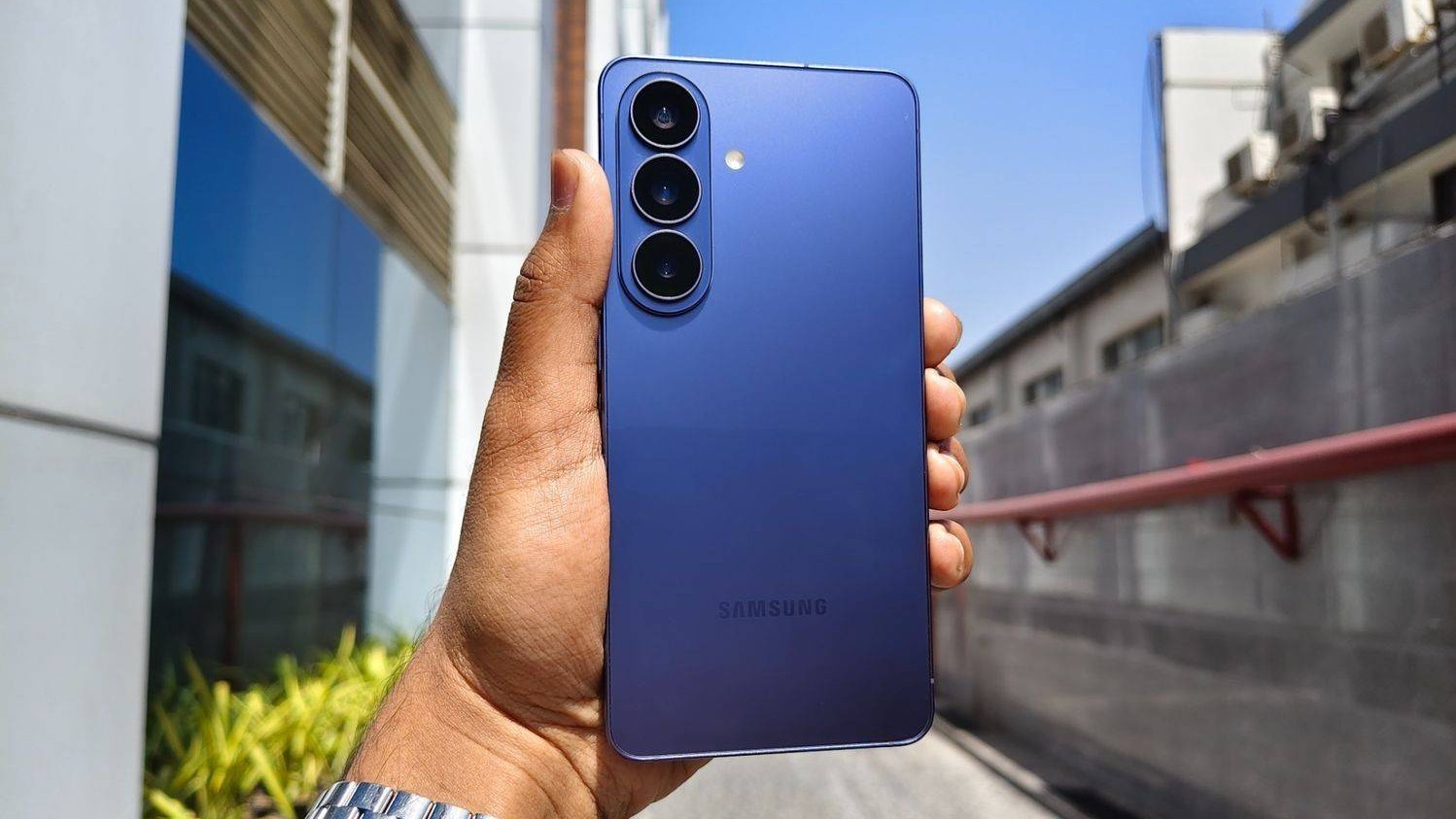
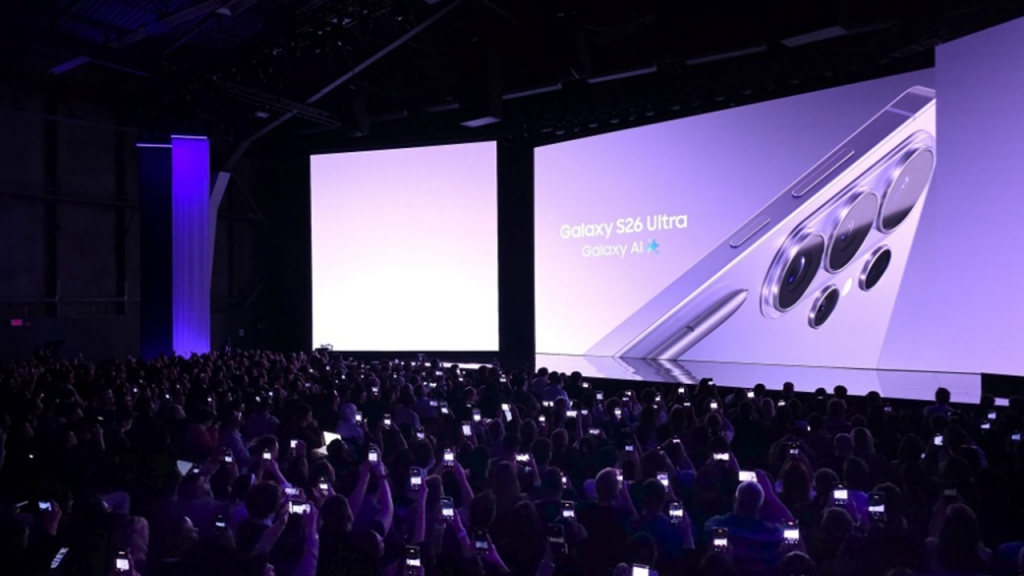
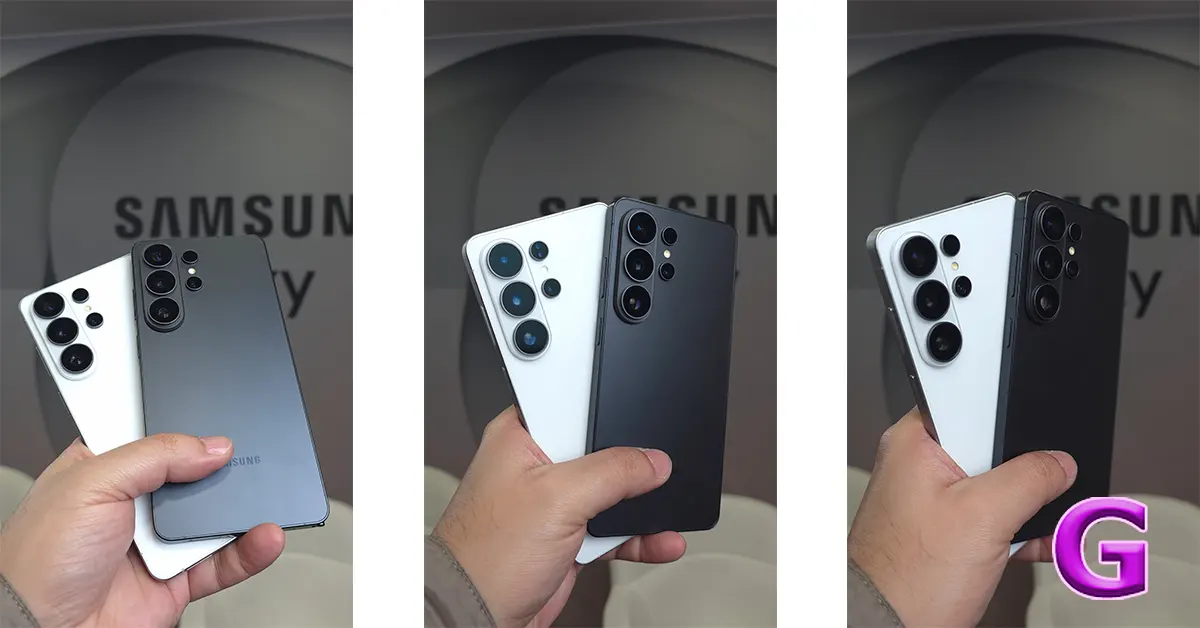
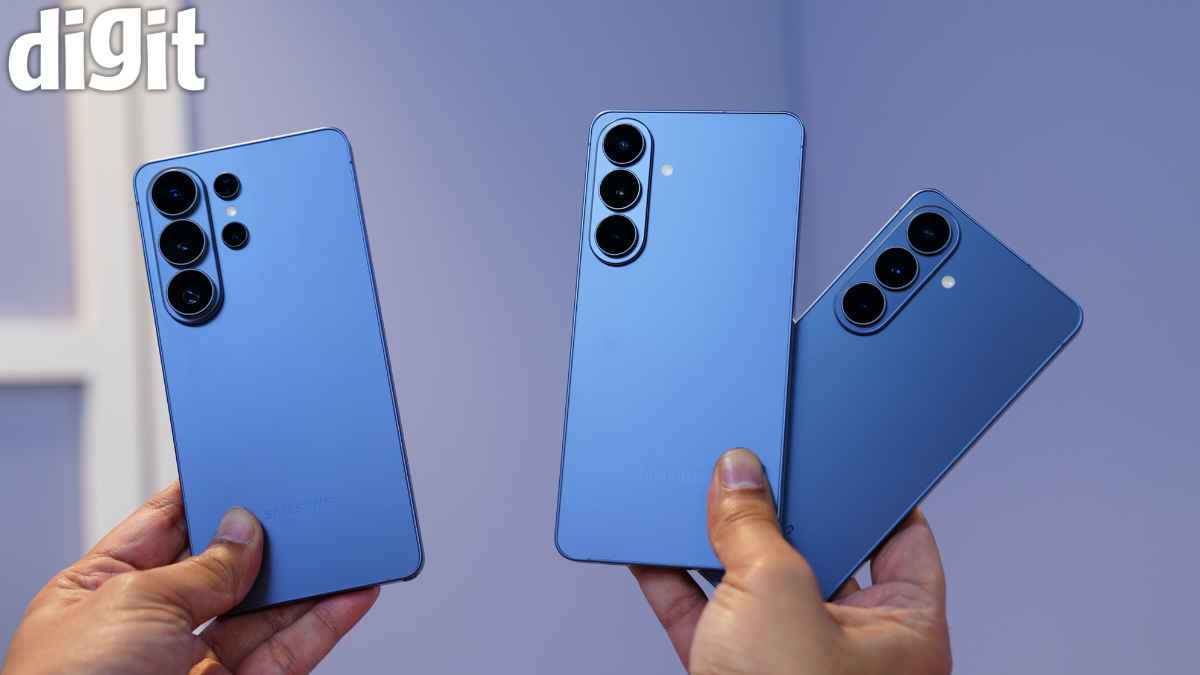
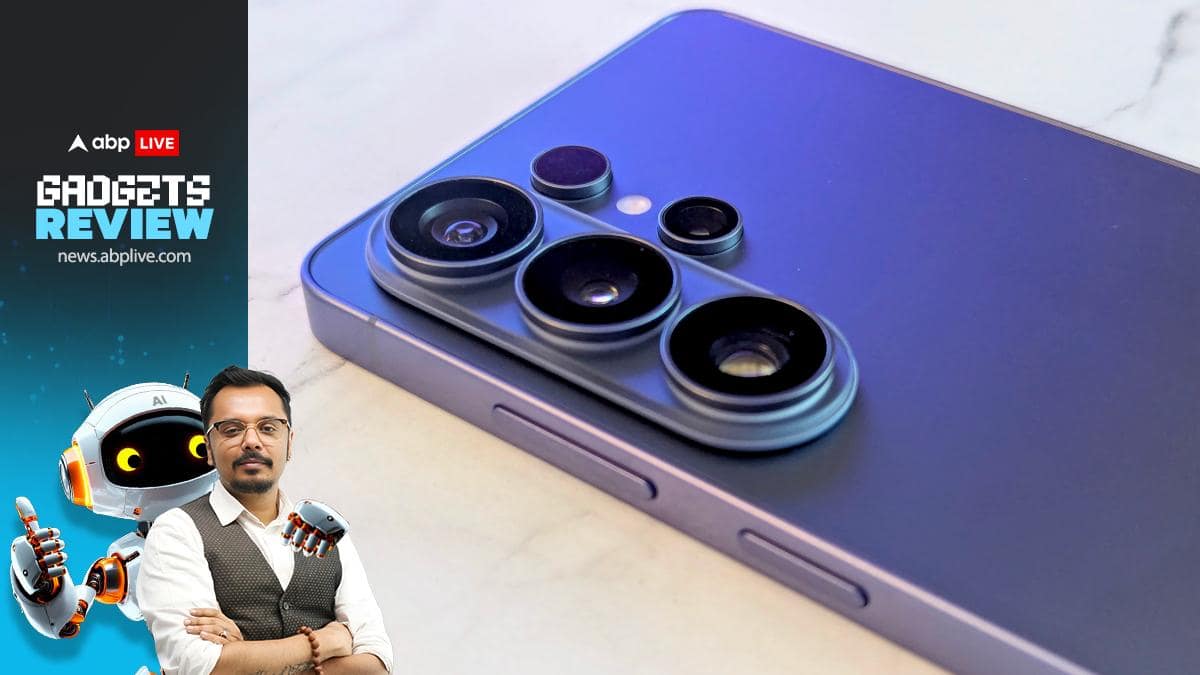
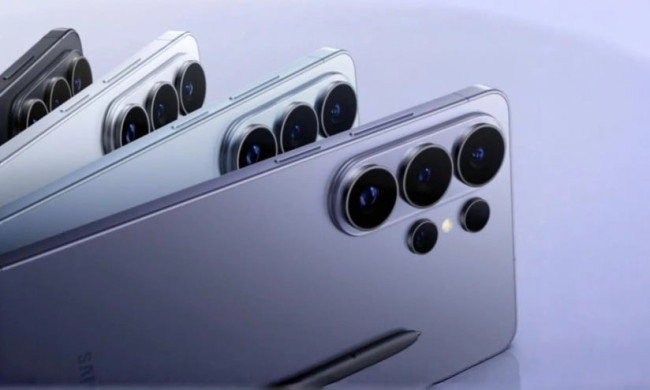
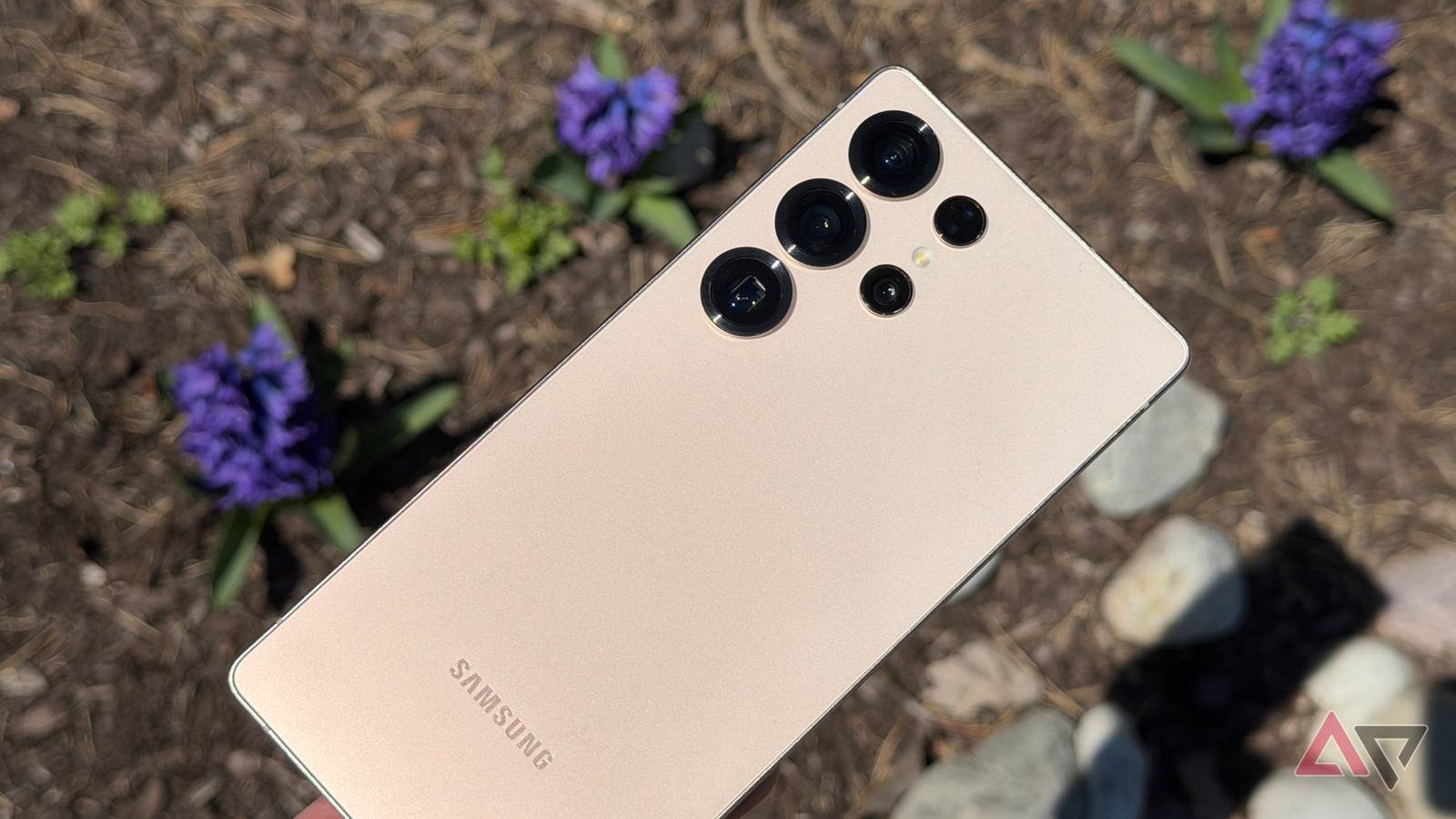
Samsung's Galaxy S26 Ultra represents a watershed moment in smartphone imaging where computational photography has become the primary image-capture method rather than optical systems alone. The device's "Dynamic Fusion" technology adaptively blends data from multiple sensors (main, mid-range, telephoto) across different zoom levels, with RAW and JPEG outputs now representing fundamentally different things—JPEG shows user-selected zoom levels with consistent focal length reporting, while RAW exposes the underlying sensor fusion architecture. This architectural shift creates immediate e-commerce implications for sellers across multiple categories.
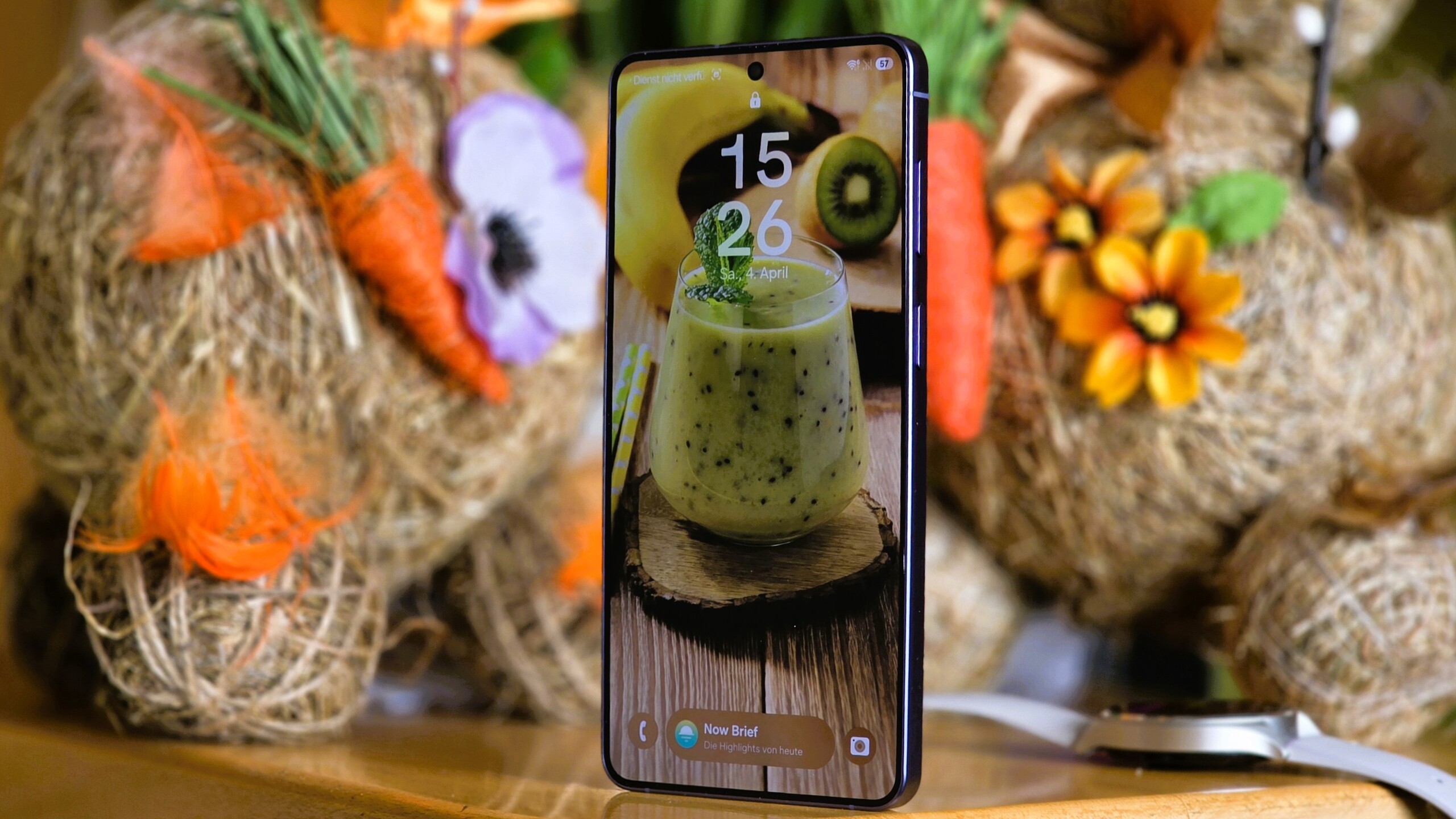
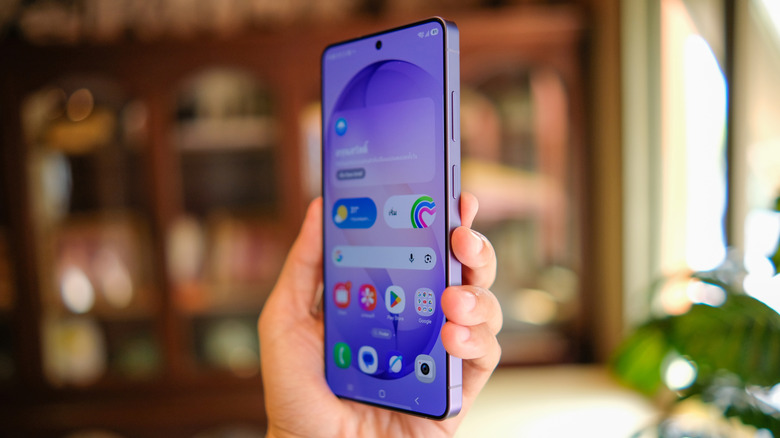
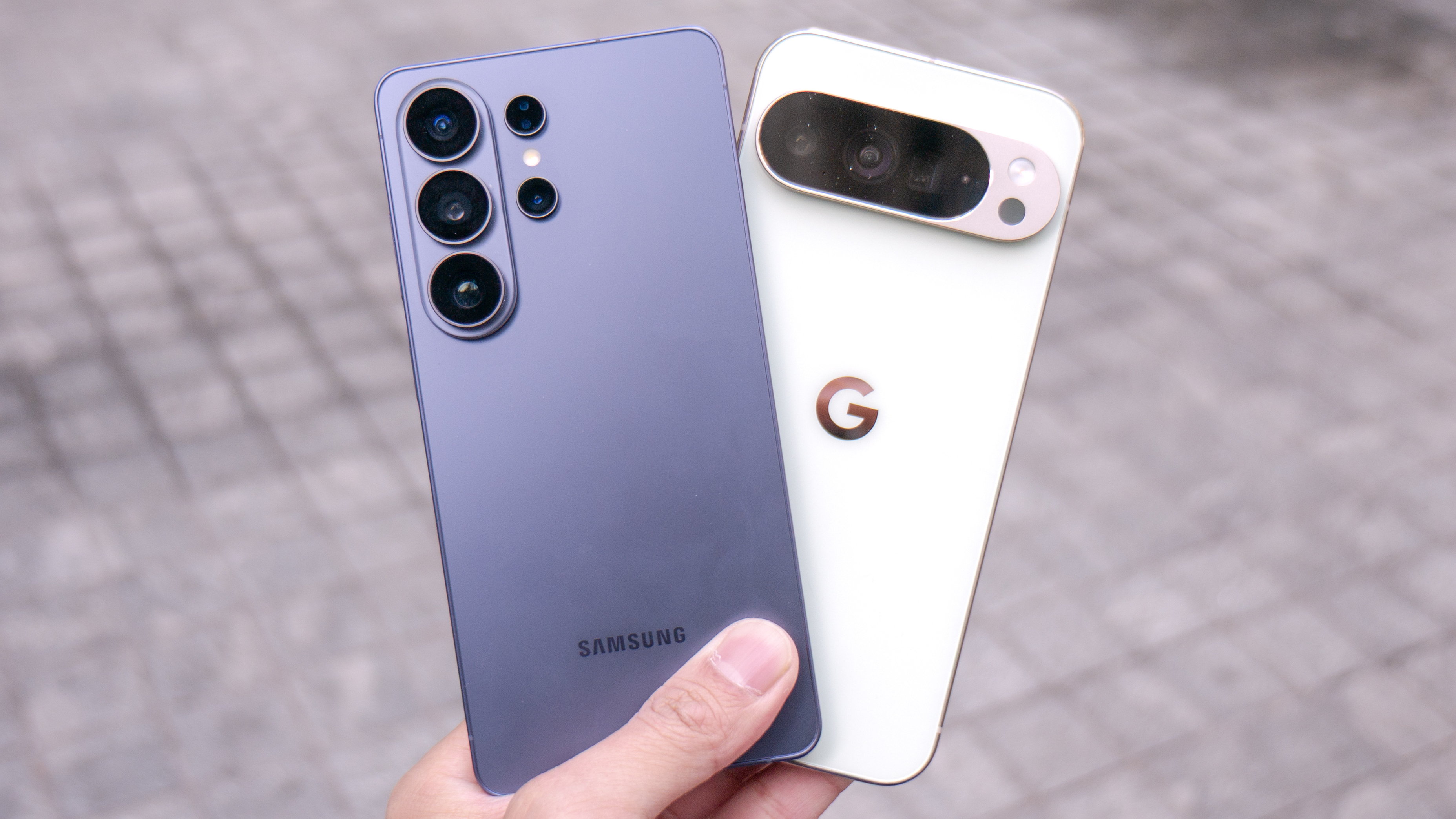
For electronics sellers and marketplace operators, this development signals a critical inflection point in smartphone demand patterns. The Galaxy S26 Plus, priced at €1,249 and positioned as an unplanned replacement for the canceled S26 Edge, demonstrates Samsung's market segmentation challenges. The device shows limited upgrades over the S25 (improvements confined to the Exynos 2600 processor), yet reviewers note the Exynos 2600 throttles under sustained load, the camera system lacks state-of-the-art capabilities, and battery capacity (4,900mAh) remains smaller than competitors. This creates a critical competitive vulnerability: Chinese manufacturers like Vivo X300 Pro and Oppo Find X9 Pro offer superior specifications in battery capacity and camera technology at comparable price points, directly threatening Samsung's premium positioning.
The automation opportunity for sellers is immediate: AI-powered product content generation can now leverage computational photography capabilities as a key differentiator. Sellers listing smartphones must now optimize for multi-sensor imaging features, dynamic zoom capabilities, and computational processing power—not just traditional optical specifications. This requires automated content analysis tools that can extract and highlight these advanced features from technical specifications, then generate SEO-optimized product descriptions that emphasize computational advantages over optical-only competitors. Sellers can use AI to analyze competitor listings and identify which computational photography features drive higher conversion rates, then automatically update their own listings to match winning patterns.
Data-driven pricing intelligence becomes critical as the S26 Plus's €1,249 price point fails to justify its existence against both the S26 Ultra and Chinese alternatives. Sellers can deploy AI price monitoring across Amazon, eBay, and regional marketplaces to track how the S26 Plus's actual selling price diverges from MSRP, revealing consumer willingness-to-pay for computational photography features. This data can inform inventory decisions: sellers should expect margin compression on S26 Plus units as Chinese competitors capture value-conscious buyers, while S26 Ultra demand may remain resilient due to superior hardware (larger sensors approaching 1/1.2-inch class, enhanced 5x telephoto systems). AI-powered demand forecasting can predict which SKUs will face inventory risk and which will maintain pricing power.
The competitive intelligence angle is substantial: Samsung's software-ahead-of-hardware strategy (as noted in the SammyGuru analysis) suggests future hardware upgrades will unlock additional computational capabilities. Sellers can use AI to monitor Samsung's patent filings, component supplier announcements, and industry analyst reports to predict which hardware improvements are coming (larger main sensors, improved 5x telephoto, better 3x lens implementation), then position inventory accordingly. This creates a 6-12 month window where sellers with superior competitive intelligence can optimize their product mix before hardware improvements commoditize current computational advantages.
Questions 7
What AI automation opportunities exist for sellers listing premium smartphones?
Sellers can deploy AI-powered product content generation tools that automatically extract computational photography features from technical specifications and generate SEO-optimized descriptions emphasizing multi-sensor capabilities. AI can analyze competitor listings to identify which features drive higher conversion rates, then automatically update your own listings to match winning patterns. Price monitoring AI can track how the S26 Plus's actual selling price diverges from MSRP across Amazon, eBay, and regional marketplaces, revealing consumer willingness-to-pay for specific computational features. Demand forecasting AI can predict inventory risk by analyzing which SKUs face margin compression from Chinese competition versus which maintain pricing power, enabling sellers to optimize inventory allocation 6-12 months in advance.
How can sellers use competitive intelligence to predict future smartphone demand?
Samsung's strategy positions software ahead of hardware, with future improvements requiring larger main sensors (approaching 1/1.2-inch class), enhanced 5x telephoto systems, and better 3x lens implementation. Sellers can use AI to monitor Samsung's patent filings, component supplier announcements, and industry analyst reports to predict which hardware improvements are coming. This creates a 6-12 month window where sellers with superior competitive intelligence can optimize product mix before hardware improvements commoditize current computational advantages. By tracking these signals, sellers can identify which current models will face rapid obsolescence and which will maintain value, informing both pricing strategy and inventory decisions.