




Baseball's Strategic Talent Chess: How Teams Rebuild and Negotiate in a Competitive Market
- Revealing the Complex Negotiation Dynamics Reshaping MLB Team Rosters


















Overview
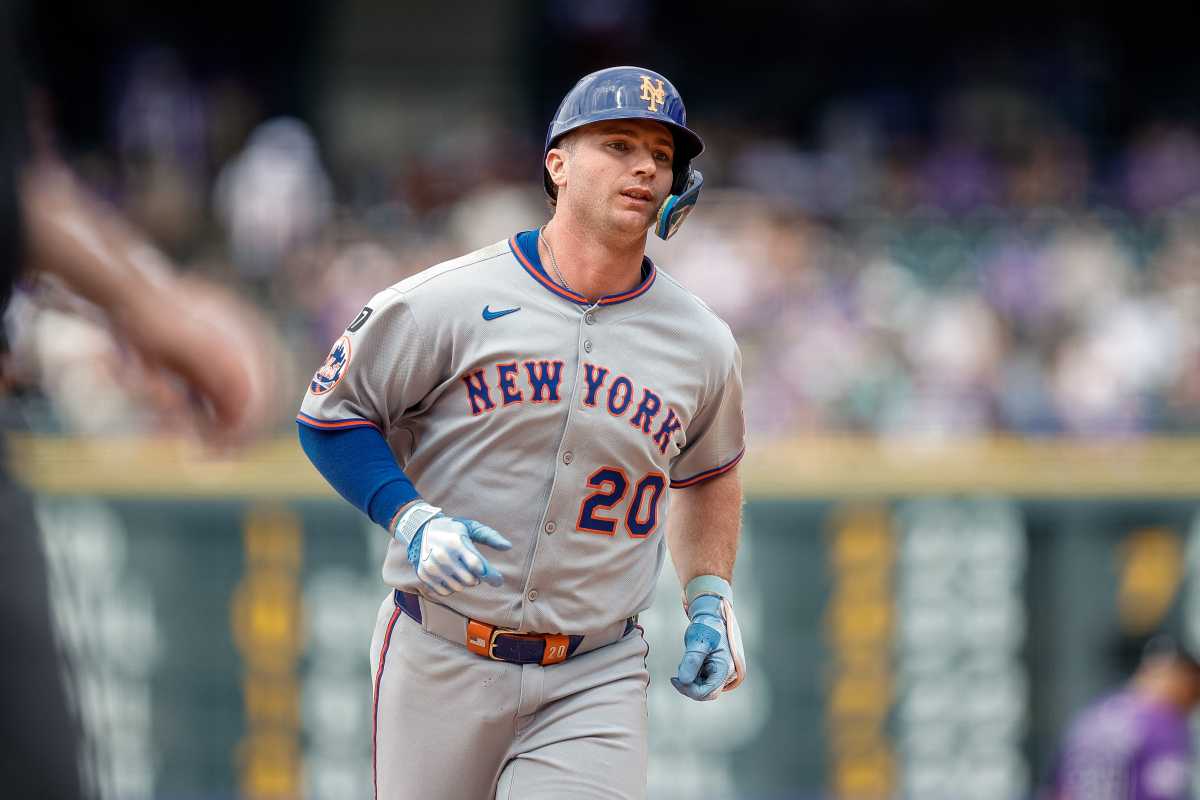
The current MLB free agency landscape reveals a nuanced strategic battleground where organizational adaptability determines competitive success. Pete Alonso's high-stakes contract negotiation exemplifies the intricate dance between player value and team financial strategy, with the $155 million five-year deal signaling a significant market valuation for top-tier talent.
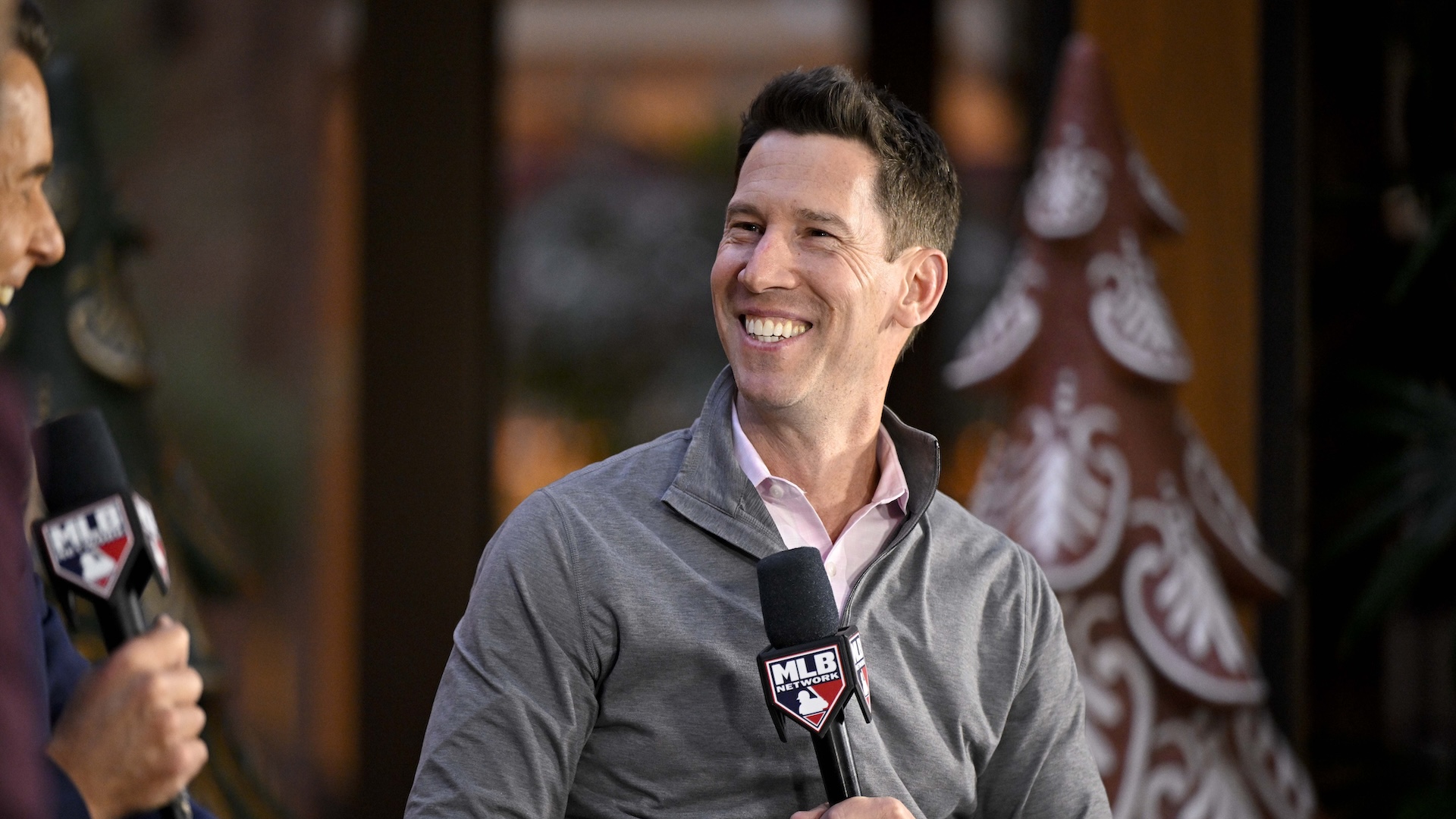
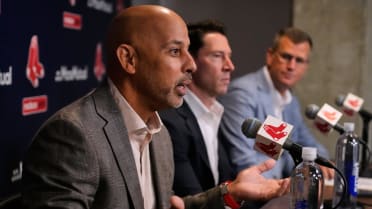
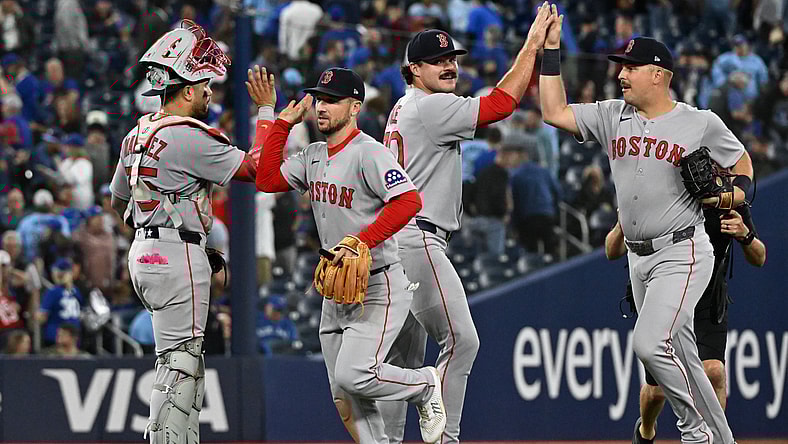
Craig Breslow's approach with the Boston Red Sox demonstrates the sophisticated contingency planning required in modern baseball management. After missing key free agent targets like Alonso and Schwarber, the Red Sox are not merely reacting but proactively exploring multiple acquisition strategies. Their flexible approach—considering free agents like Bo Bichette, Alex Bregman, and potential trade options such as Ketel Marte—reveals a multi-dimensional talent acquisition model.
The negotiation dynamics extend beyond simple player statistics. Contract length emerges as a critical battleground, with teams like the Mets hesitating to commit beyond three years, while Alonso seeks long-term security. This tension reflects broader market uncertainties and the increasing complexity of player valuations. The $24 million player option Alonso declined underscores the high-stakes financial calculations driving player decisions.
Strategic roster building now requires unprecedented flexibility. Teams must simultaneously manage immediate competitive needs, long-term financial sustainability, and potential injury risks—as exemplified by the Red Sox's careful approach to Triston Casas's knee injury. The ability to pivot quickly, explore diverse talent acquisition channels, and maintain a pragmatic approach to roster construction has become a critical organizational competency.
Questions 3
What makes contract negotiations in MLB so complex?
MLB contract negotiations involve intricate balancing of player performance, potential future value, team financial constraints, roster construction needs, and long-term strategic planning. Factors like player age, recent performance, injury history, and market dynamics all play critical roles in determining contract terms.
How are teams like the Red Sox adapting to missed free agent targets?
The Red Sox are demonstrating strategic flexibility by exploring multiple talent acquisition channels, including free agents like Bichette and Bregman, and potential trade options like Ketel Marte. They're maintaining a pragmatic approach focused on offensive capabilities and roster improvement, rather than panicking after missing top targets.