

Central European Market Expansion | Hungary's €18B EU Funding Unlock Creates High-Growth E-Commerce Opportunity Window
- Hungary's political transition unfreezes €18B EU funding, adding 1-1.5% GDP growth; forint strengthens 4-year high; regulatory reforms reduce compliance risk for cross-border sellers targeting 9.7M Hungarian consumers with rising purchasing power



















Overview
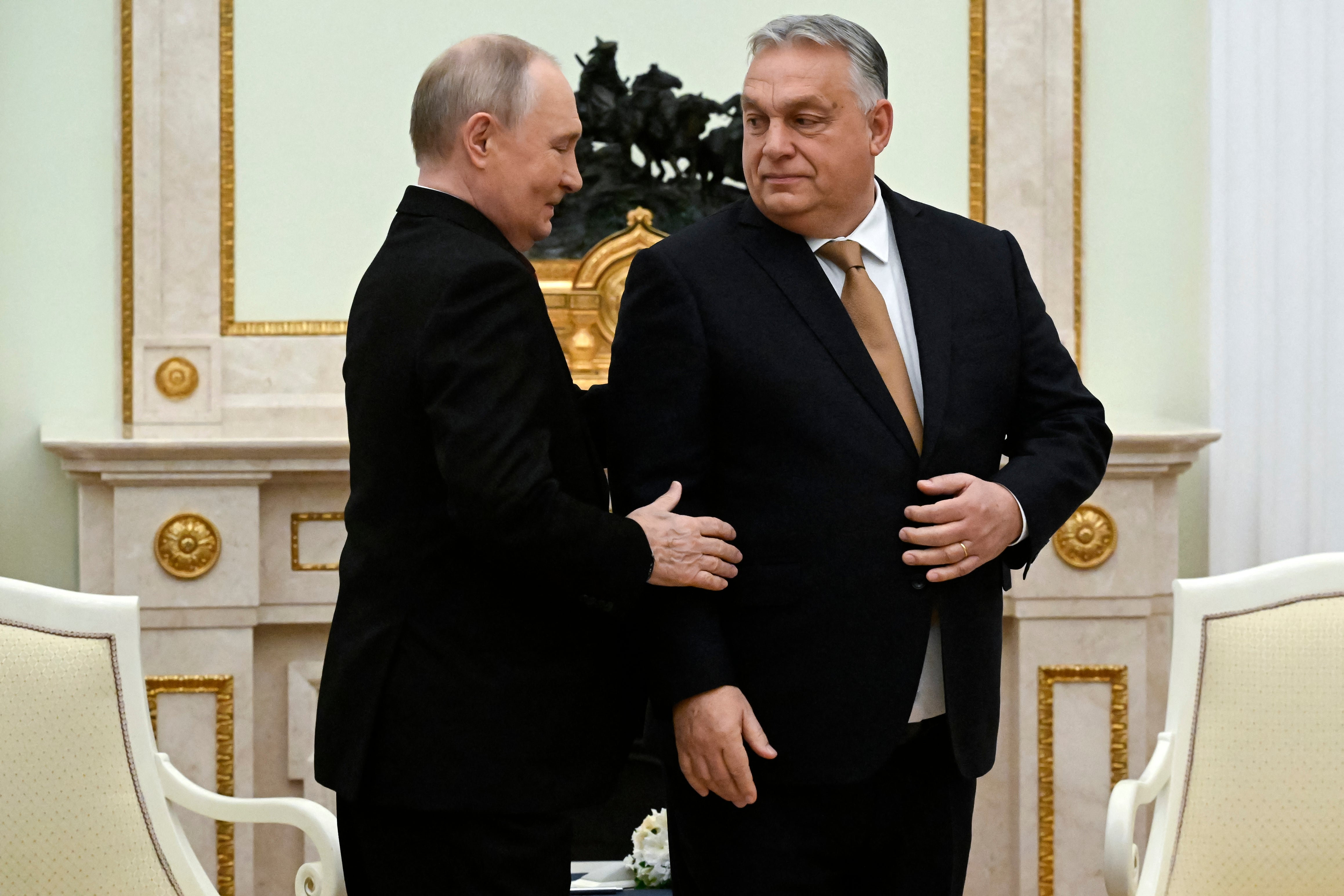
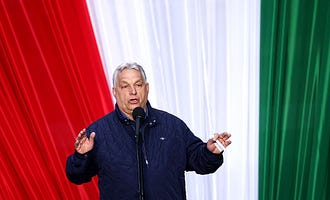
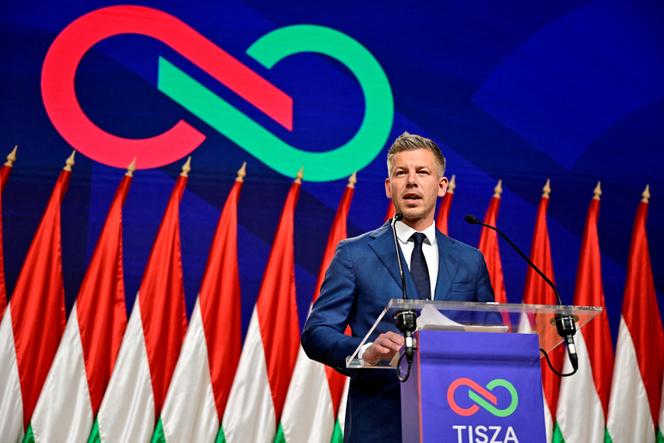
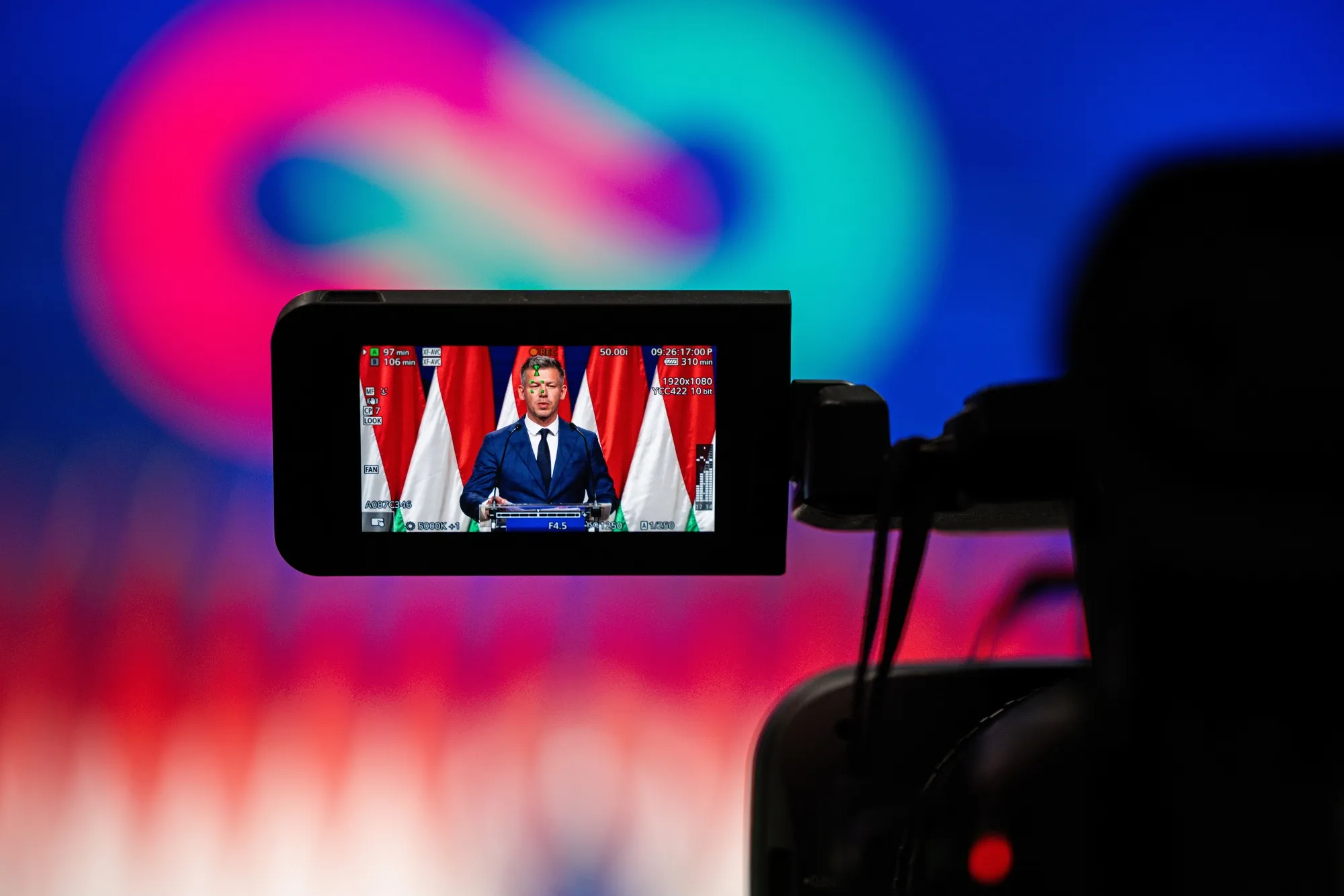
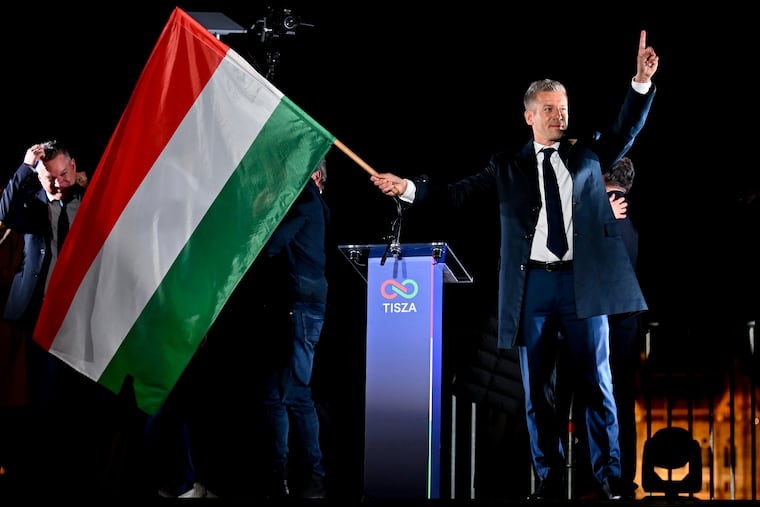
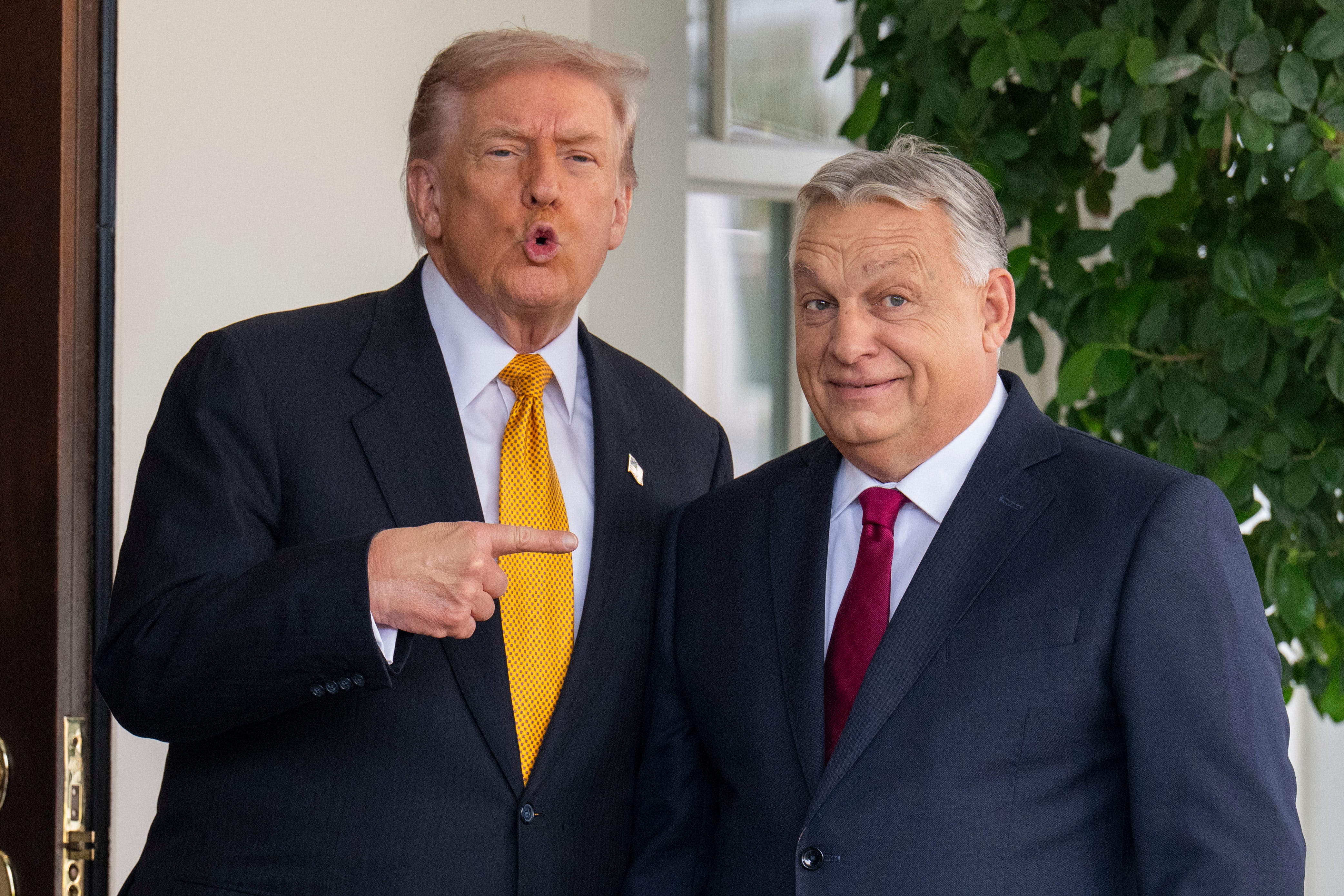
Hungary's April 13, 2026 political transition represents a critical inflection point for cross-border e-commerce sellers targeting Central Europe. Prime Minister Viktor Orbán's electoral defeat and Peter Magyar's Tisza Party landslide victory has unlocked approximately €18 billion in previously frozen EU funding, with Morgan Stanley projecting 1-1.5 percentage points of additional GDP growth. This capital injection directly translates to enhanced consumer purchasing power across Hungary's 9.7 million population—a market previously constrained by governance uncertainty and regulatory unpredictability.
Market Access Expansion & Currency Arbitrage Opportunity: The immediate financial market response signals seller opportunity windows. The Hungarian forint strengthened to its best level against the euro in four years, while 10-year government borrowing costs fell 50 basis points and the stock market gained nearly 5%. For sellers, this currency appreciation creates favorable exchange rate dynamics for euro-denominated pricing strategies. Specifically, sellers can now price products in EUR with improved forint conversion rates, enhancing margin capture on Hungarian consumer sales. The €18B capital injection will flow into infrastructure, education, and consumer services—categories that historically drive complementary e-commerce demand for home goods, electronics, and lifestyle products.
Regulatory Environment Transformation: The incoming Magyar government has committed to sweeping judicial and electoral reforms previously blocked by Orbán, including joining the European Public Prosecutor's Office and implementing constitutional term limits. For e-commerce operators, this signals substantially improved regulatory predictability. The government's pledge to reform public tendering laws and eliminate corrupt procurement practices creates more transparent business conditions for cross-border sellers establishing Hungarian distribution operations or 3PL partnerships. However, structural headwinds persist: Hungary maintains one of the EU's largest budget deficits (>5% of GDP) with debt-to-GDP ratios exceeding 70%, positioning the country one downgrade away from junk status per S&P Global. Additionally, acute labor shortages driven by aging demographics and restrictive immigration policies will constrain logistics and fulfillment operations—a critical consideration for sellers planning warehouse expansion in the region.
Geopolitical Context & Supply Chain Implications: Concurrent developments in Ukraine create secondary market opportunities. The €90 billion EU loan unlock for Ukraine (previously blocked by Orbán's veto) accelerates Ukraine's EU accession timeline, potentially opening a 41 million-person market to cross-border sellers within 2-3 years. The US Treasury's extension of sanctions relief on Russian oil company Lukoil through October 29, 2025, maintaining ordinary business transactions, provides supply chain stability for sellers sourcing from or operating in Russia-adjacent regions. Sellers should monitor Ukraine's regulatory harmonization with EU standards as a leading indicator for market entry timing.
Questions 8
What currency arbitrage opportunities exist from Hungary's forint strengthening to 4-year highs?
The Hungarian forint's appreciation to 4-year highs against the euro creates favorable pricing dynamics for sellers. By pricing products in EUR with improved forint conversion rates, sellers can capture enhanced margins on Hungarian consumer sales without raising local prices. This currency advantage is temporary—typically lasting 6-18 months before market equilibration—making immediate pricing strategy adjustments critical. Sellers should lock in EUR-denominated pricing through Q3 2026 to maximize arbitrage capture, particularly for high-margin categories (electronics, luxury goods, specialty items) where currency fluctuations significantly impact profitability.
How does Hungary's €18B EU funding unlock impact cross-border sellers targeting the Hungarian market?
The unfrozen €18B EU funding directly increases consumer purchasing power through 1-1.5% additional GDP growth, expanding the addressable market for cross-border sellers. Hungary's 9.7 million population will see improved economic stability and reduced regulatory uncertainty, making it an attractive market for sellers in home goods, electronics, and lifestyle categories. The capital injection flows into infrastructure and consumer services, creating complementary e-commerce demand. Sellers should prioritize Hungarian market entry within the next 6-12 months before competitive saturation increases, particularly for categories benefiting from infrastructure spending (smart home, tools, outdoor equipment).