



South Korea's Strict Digital Content Laws Impact Livestream Commerce Sellers | AI Deepfake Enforcement & Cross-Border Compliance
- Seoul court convicts US creator on deepfake charges; signals aggressive enforcement of AI-generated content laws affecting 50K+ cross-border livestream sellers in Korean market


















































Overview
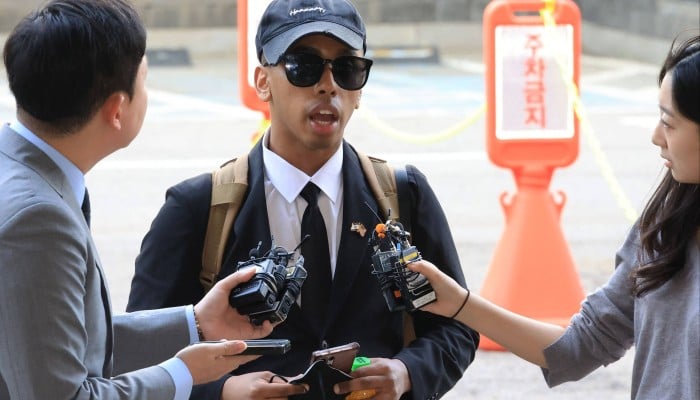
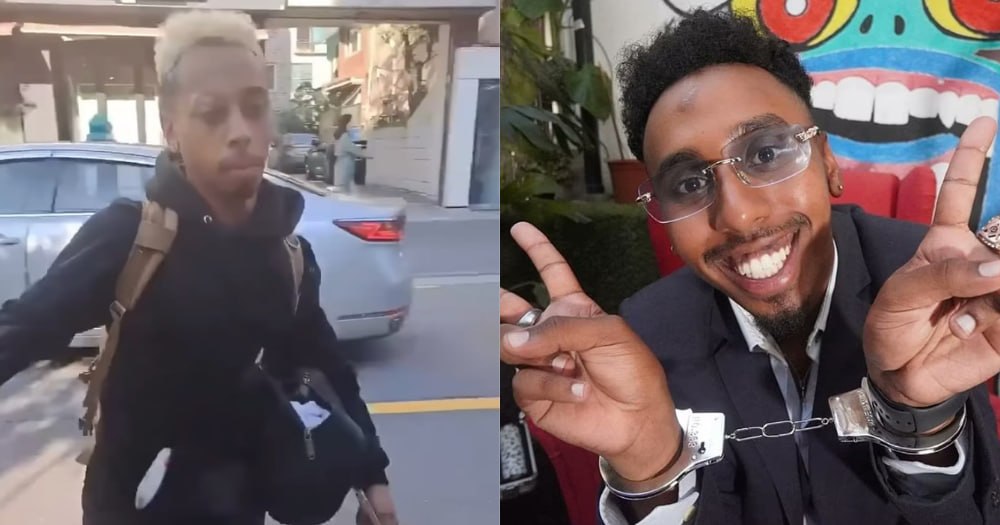
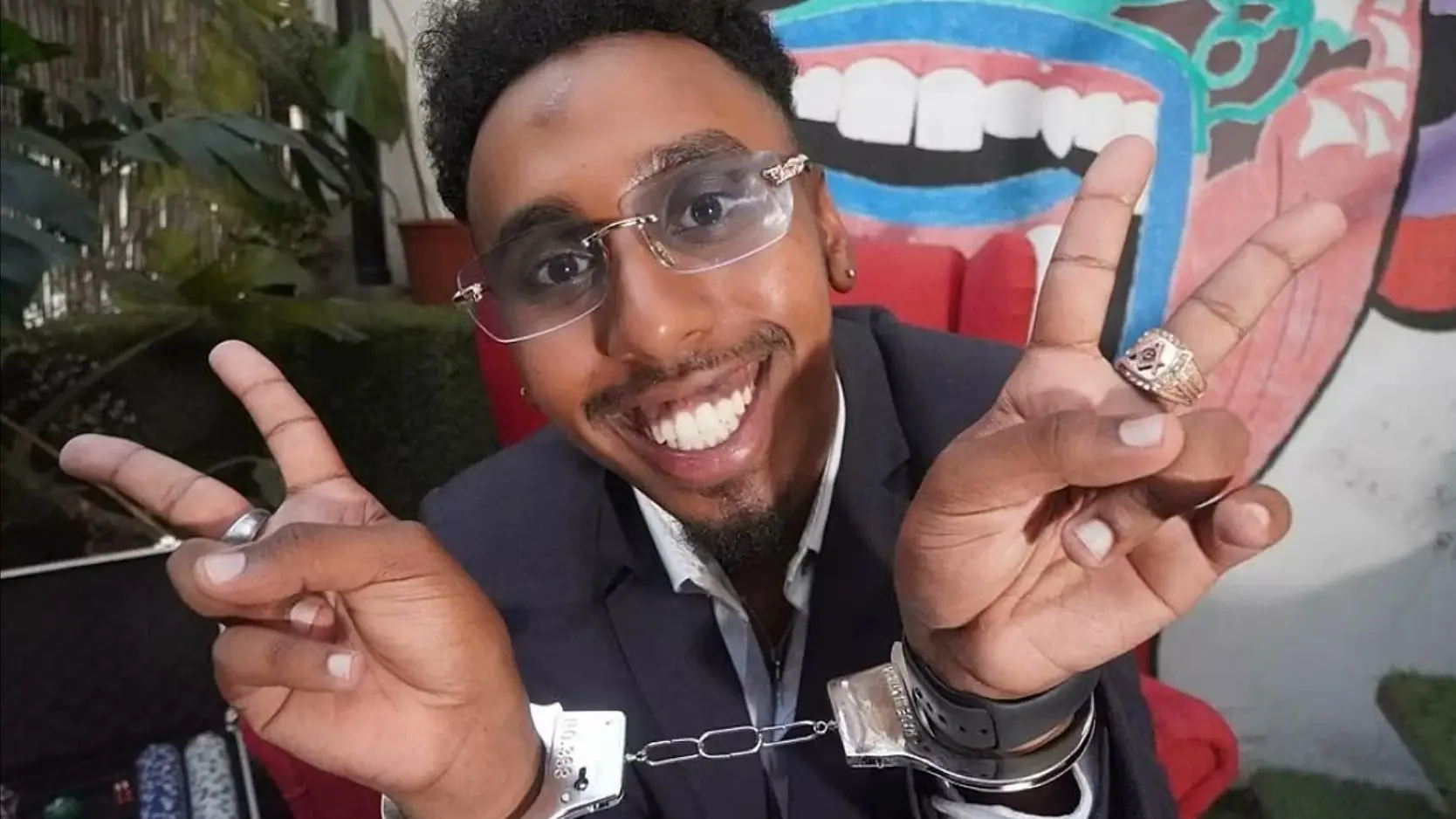
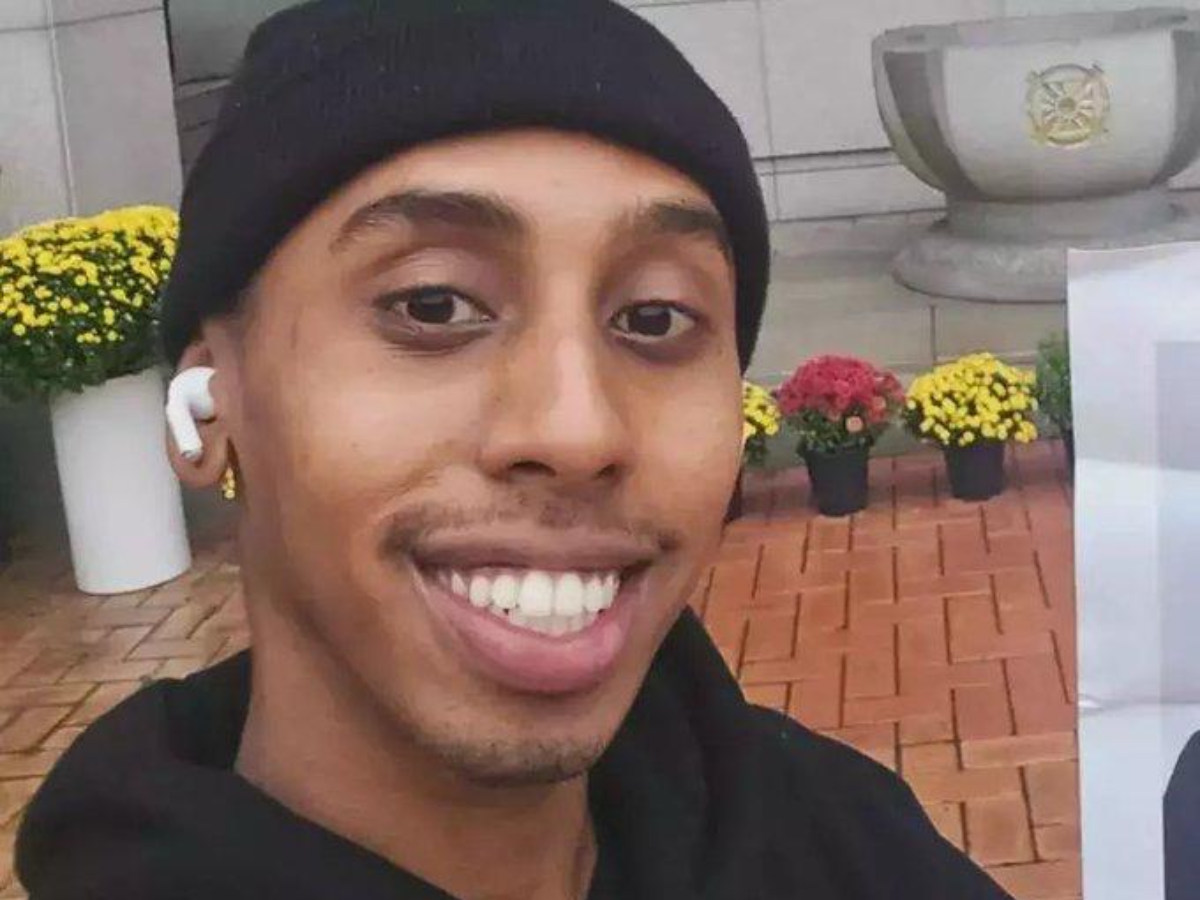
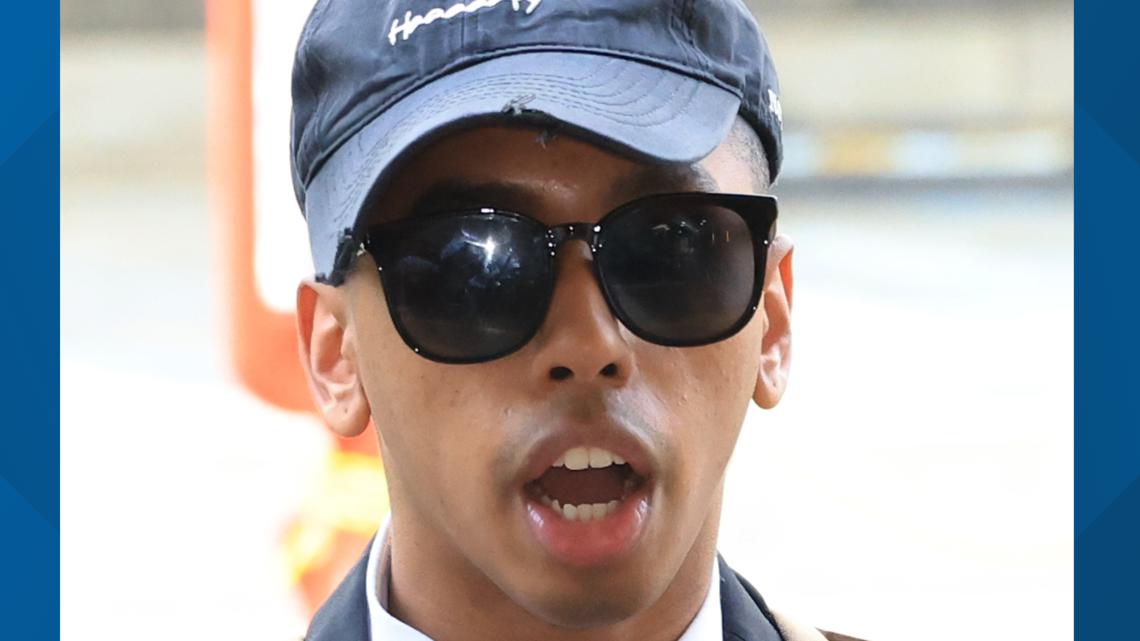
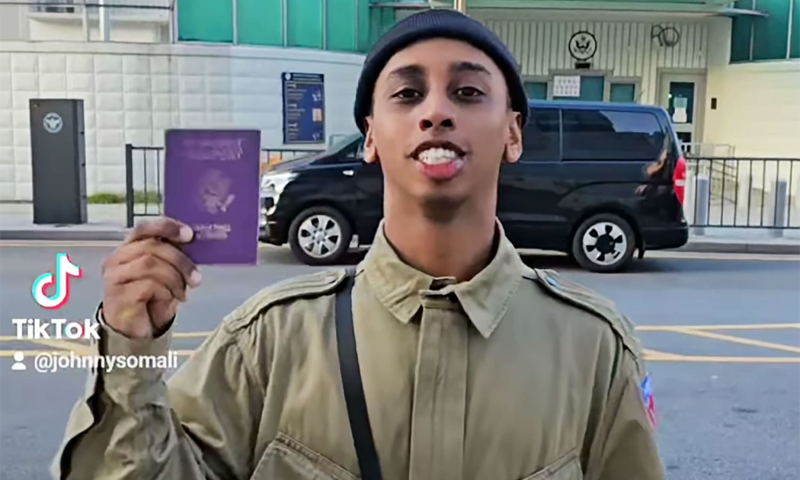
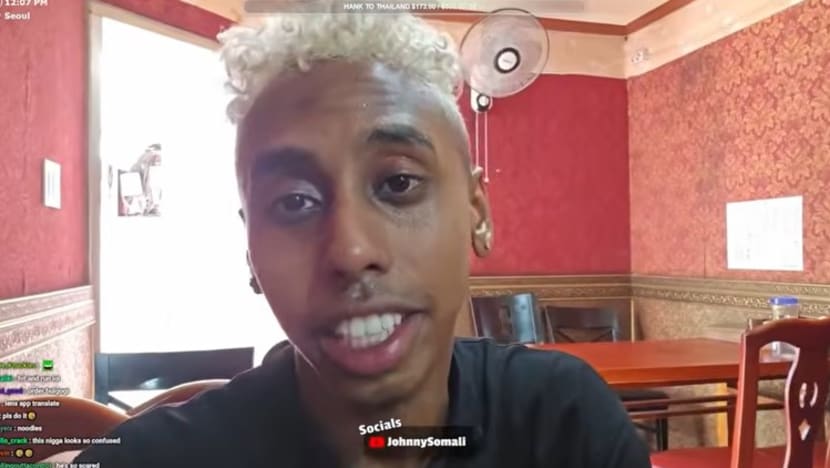
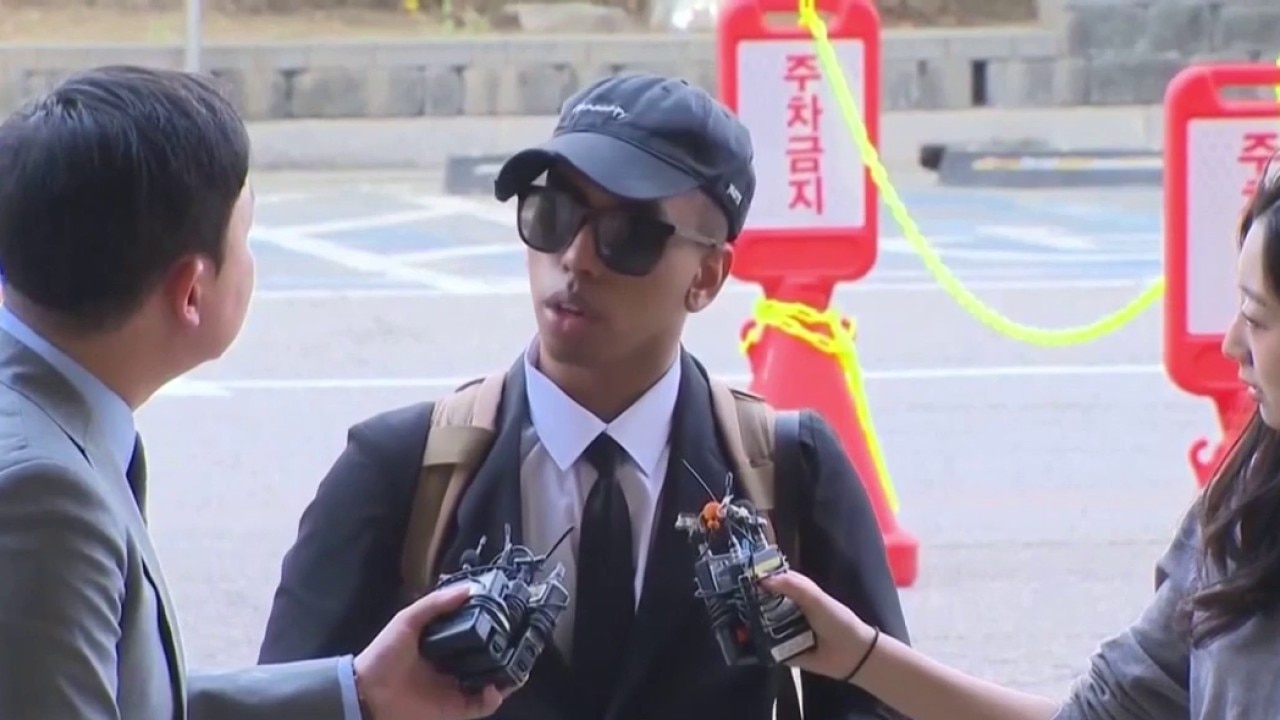
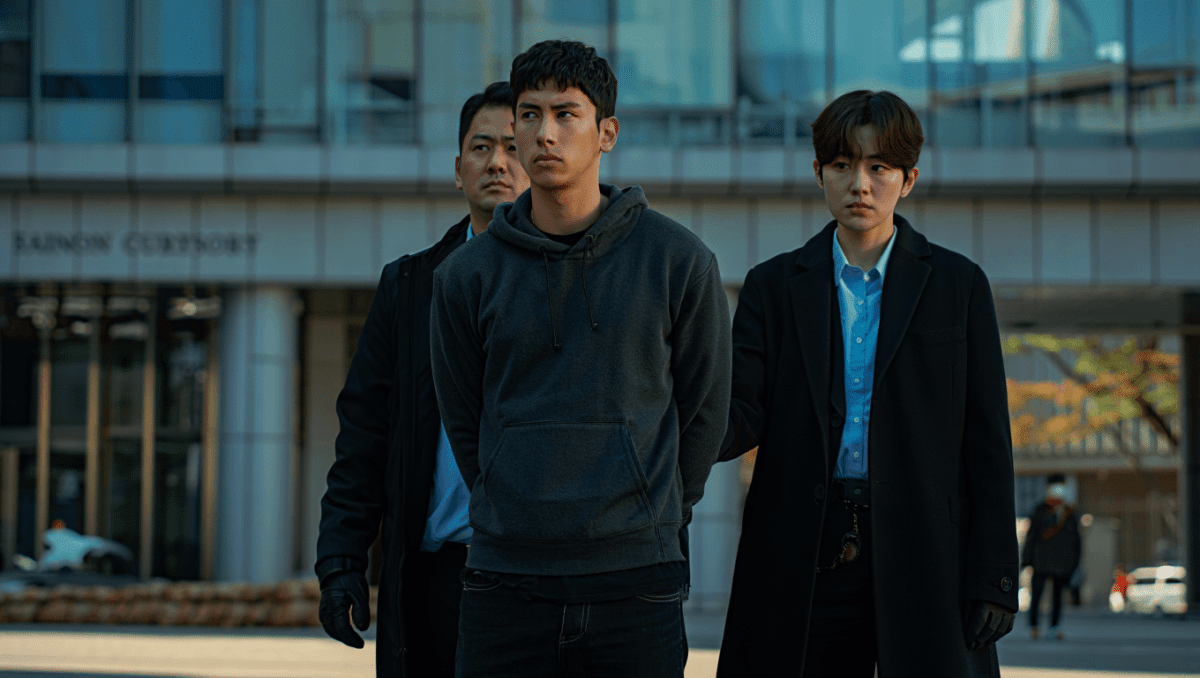
South Korea's April 2026 conviction of American YouTuber Johnny Somali on deepfake and public nuisance charges represents a critical enforcement milestone for digital content regulations affecting cross-border livestream commerce sellers. The Seoul Western District Court sentenced Somali to six months imprisonment for distributing AI-generated sexual content and public disturbances, with prosecutors initially seeking three years. This case establishes South Korea as an aggressive enforcer of non-consensual intimate imagery laws and demonstrates how jurisdictional differences in digital content standards directly impact sellers operating in the Korean market through livestream commerce platforms like Naver Live, AfreecaTV, and YouTube.
For livestream commerce sellers targeting Korean audiences, this conviction signals mandatory compliance with strict AI-generated content regulations that exceed US standards. The case documents that Korean courts penalize deepfake creation and distribution far more severely than comparable US platforms, where similar content often remains unpunished. Sellers using AI tools for product demonstrations, avatar creation, or content generation must now audit their livestream archives and marketing materials for any AI-generated imagery that could violate Korean law. The conviction establishes precedent that "cultural differences" arguments—Somali's defense strategy—carry no legal weight in Korean courts, meaning US-based sellers cannot rely on home-country standards when operating in Korean markets.
The operational impact extends to livestream commerce platform policies and content moderation standards across Asia-Pacific regions. Korean platforms like Naver and AfreecaTV will likely implement stricter content verification requirements for international sellers, potentially requiring disclosure of AI-generated content in product listings and livestream descriptions. Sellers face new compliance costs: content audits ($500-2,000 per seller), legal review of marketing materials ($1,000-3,000), and potential removal of non-compliant livestream archives. The five-year post-release restriction on working with minors and disabled persons also signals Korean courts' willingness to impose operational restrictions on content creators, suggesting future regulations could limit seller access to certain audience segments or product categories (children's products, healthcare items).
Strategic implications for cross-border sellers include market segmentation and platform diversification. Sellers generating $50K-500K annually from Korean livestream commerce should establish separate content workflows for Korean markets, with dedicated compliance review processes. The conviction demonstrates that Korean enforcement applies equally to foreign nationals and domestic creators, eliminating any assumption that international sellers face lighter scrutiny. Platforms like Amazon Live, Shopify Live, and TikTok Shop will likely implement region-specific content policies, requiring sellers to maintain different creative assets for Korean audiences versus US/EU markets. This creates operational complexity but also competitive opportunity: sellers who establish compliant Korean livestream operations gain advantage over competitors still using generic global content strategies.
Questions 8
How does South Korea's deepfake law affect US-based livestream commerce sellers?
South Korea enforces non-consensual intimate imagery laws far more strictly than the US, as evidenced by the April 2026 conviction of Johnny Somali to six months imprisonment for AI-generated sexual content distribution. US sellers operating on Korean platforms like Naver Live and AfreecaTV must assume all AI-generated content—including product demonstration avatars, synthetic backgrounds, and AI-enhanced imagery—faces potential legal scrutiny. Unlike the US where similar content often remains unpunished, Korean courts apply penalties retroactively to archived livestreams. Sellers should conduct immediate content audits of all Korean-market livestream recordings and remove any AI-generated intimate imagery within 30 days to avoid criminal liability.
What timeline should sellers follow to achieve Korean market compliance?
Sellers should implement immediate actions (0-30 days): audit all Korean-market livestream archives for AI-generated content, remove non-compliant materials, and notify platforms of compliance status. Short-term actions (30-90 days): establish content governance policies, implement pre-livestream legal review processes, and train team members on Korean regulations. Medium-term actions (90-180 days): develop region-specific content creation workflows, establish relationships with Korean compliance consultants, and implement automated content verification tools. The April 2026 conviction signals Korean enforcement will accelerate, so sellers should prioritize compliance within 60 days to avoid account suspension. Platforms will likely implement stricter verification requirements within 90 days, making early compliance a competitive advantage. Sellers should monitor Korean regulatory updates monthly and adjust policies quarterly as enforcement precedents evolve.