



Geopolitical Peace Talks & Oil Price Collapse | Shipping Cost Relief for Cross-Border Sellers
- U.S.-Iran ceasefire negotiations reduce oil prices 10-35%, cutting freight costs $200-600/container for Asia-to-US sellers by Q2 2026





































Overview
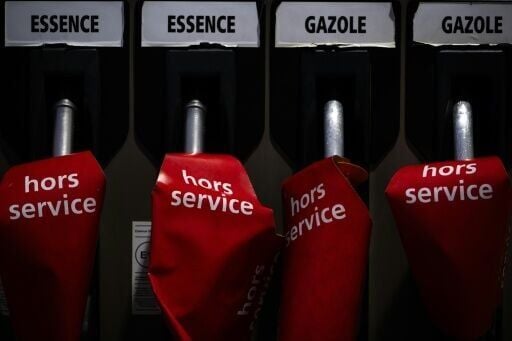
The Strategic Opportunity: Renewed U.S.-Iran diplomatic negotiations (April 14-15, 2026) have triggered a significant collapse in crude oil prices, creating a critical window for cross-border e-commerce sellers to optimize supply chain costs. Oil Price Dynamics: U.S. crude futures fell to $90.40/barrel (down $0.88) while Brent crude dropped to $94.47/barrel (down $0.31), with Brent experiencing a 10% decline following ceasefire announcements and trading 35% above pre-conflict levels. Goldman Sachs reports Strait of Hormuz flows remain constrained at only 10% of normal levels (2.1 million barrels/day), but the diplomatic momentum signals potential normalization within 30-90 days if negotiations succeed.
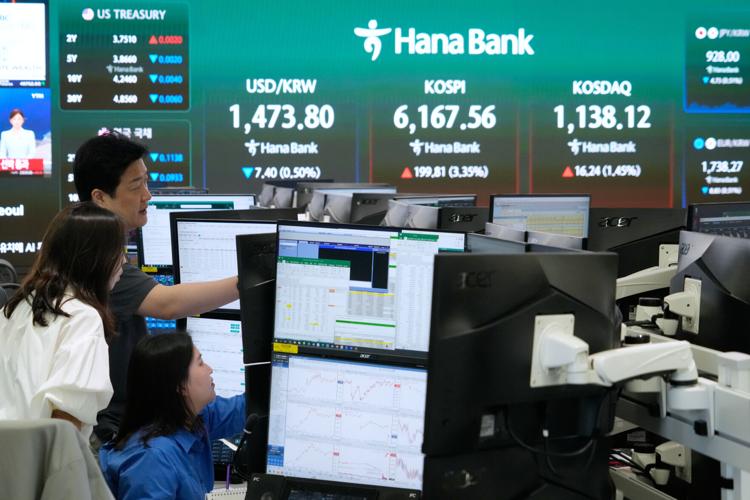
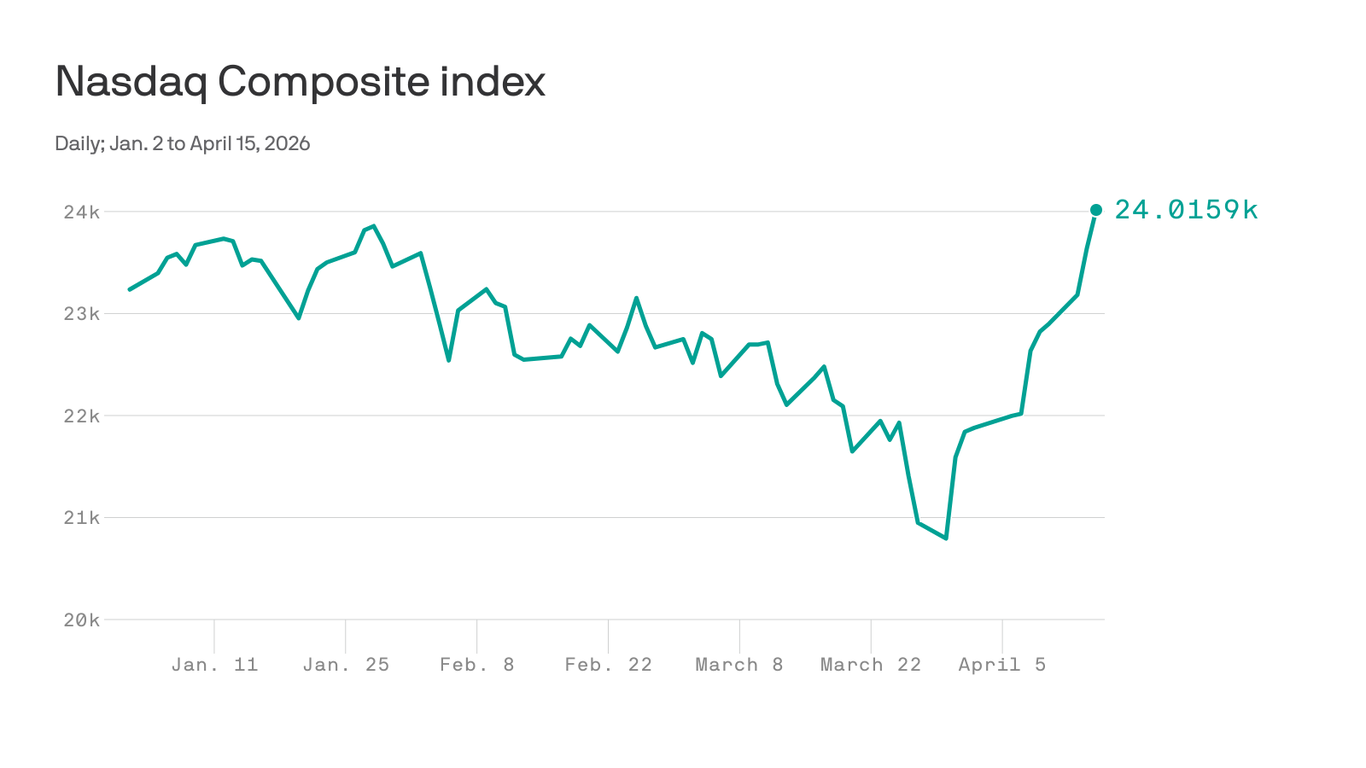
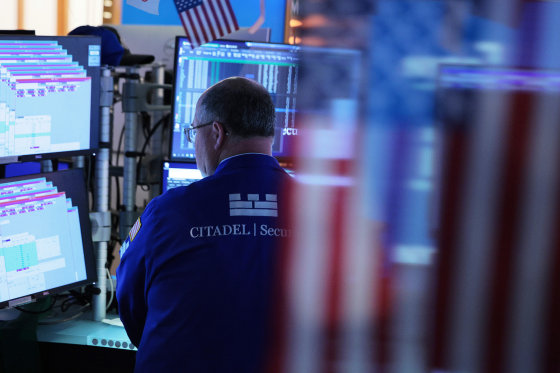
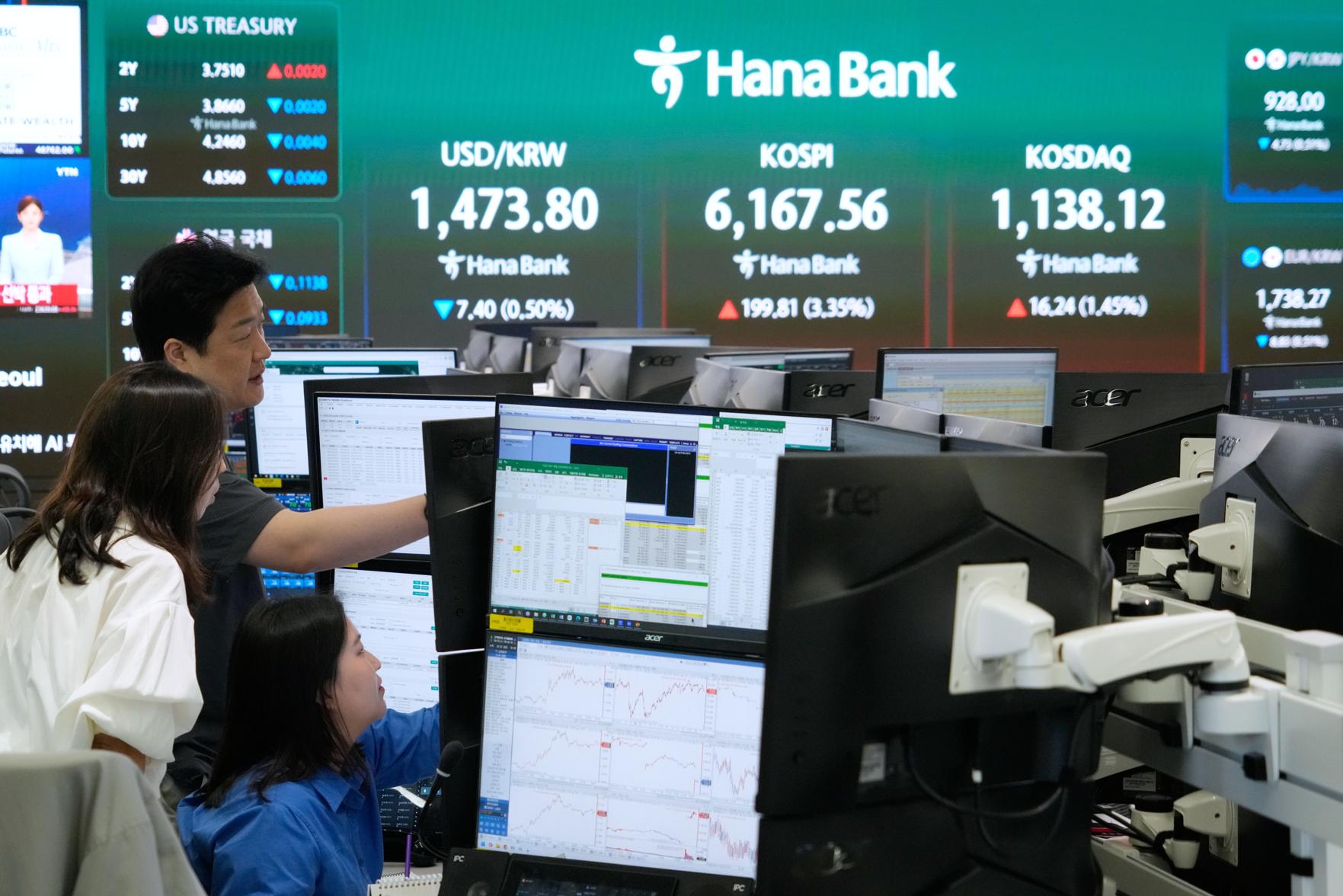
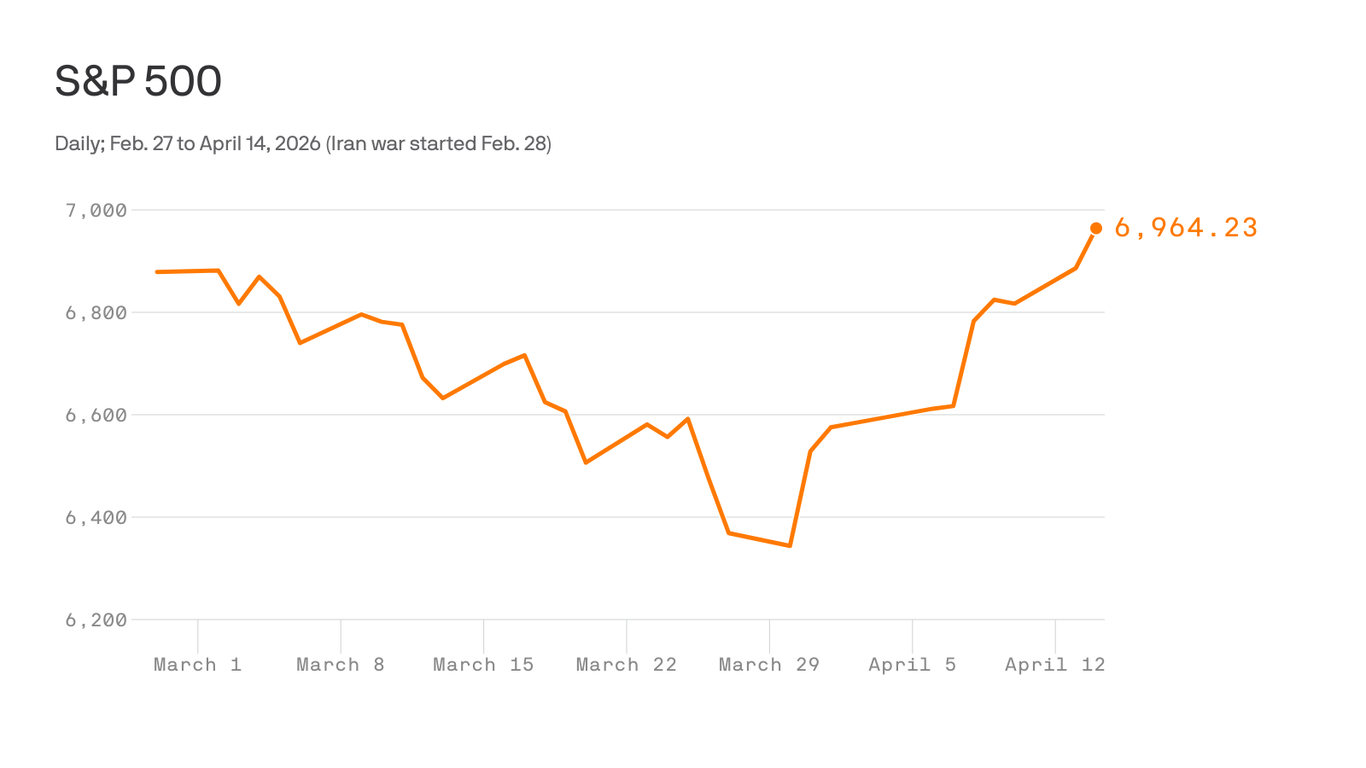
Seller Impact Analysis: For cross-border sellers relying on ocean freight from Asia to North America and Europe, this represents a $200-600 per 20-foot container cost reduction opportunity. Sellers shipping 500+ containers monthly could realize $100K-300K quarterly savings if they lock in freight rates before oil prices stabilize. The IMF's revised 2026 growth projection (3.1% from 3.3%, potentially reaching 3.4% with peace) indicates strengthening consumer confidence and discretionary spending—directly benefiting electronics, home goods, and apparel categories on Amazon, eBay, and Shopify. Market Sentiment Shift: Stock indices (S&P 500 at 7,022.95, Nasdaq at 24,016.02) reached record highs on April 15, with hedge funds becoming net buyers for the first time in 8 weeks and CTAs purchasing $19B in equities. This institutional confidence translates to increased consumer purchasing power and willingness to buy discretionary products, particularly in Q2-Q3 2026.
Critical Timing Window: The two-week ceasefire deadline and ongoing negotiations in Islamabad create a 30-60 day window before oil prices potentially rebound. Sellers should act immediately to: (1) negotiate freight contracts with 3PL providers and shipping carriers before rates increase, (2) accelerate inventory purchases from suppliers while shipping costs remain depressed, (3) adjust pricing strategies to capture margin improvements before competitors do. Risk Factors: The U.S. blockade of Iranian ports and White House uncertainty about ceasefire extensions create volatility. If negotiations fail, oil could spike to $120-150/barrel, erasing savings and increasing logistics costs 15-25%. Saxo's chief strategist warns that conflict resumption could prove "broader and more dangerous than previously anticipated," necessitating contingency planning for alternative shipping routes (Suez Canal, longer Asia-Europe corridors) and inventory buffers.
Questions 8
What shipping routes are most affected by Strait of Hormuz disruptions?
The Strait of Hormuz handles 20-30% of global maritime oil trade and is critical for Asia-to-Europe and Asia-to-Middle East routes. However, Asia-to-North America routes (Shanghai-Los Angeles, Shanghai-Long Beach) are most affected because they rely on oil-powered container ships with fuel costs representing 30-40% of total voyage costs. The Suez Canal route (Asia-to-Europe) is less affected due to alternative routing options. Sellers shipping from China/Vietnam to US should prioritize freight rate locks immediately. Those shipping to Europe have more flexibility due to alternative routes. Goldman Sachs reports current flows at 2.1 million barrels/day (10% of normal); normalization would reduce fuel surcharges by 15-25% on all routes.
Should I adjust my Amazon FBA pricing strategy now?
Yes, but strategically. Lower shipping costs improve your landed cost by $200-600/container, but don't immediately drop prices—instead, expand margins by 5-10% while monitoring competitor pricing. Use the margin improvement to increase PPC advertising spend (which drives sales velocity and Amazon algorithm ranking) rather than competing on price. Update your Amazon Seller Central cost calculations to reflect lower freight rates, which improves your IPI score and Buy Box eligibility. If competitors drop prices aggressively, you have 30-60 days of cost advantage to maintain profitability while they operate on older, higher-cost inventory. This is a competitive advantage window—use it for market share gains, not price wars.