

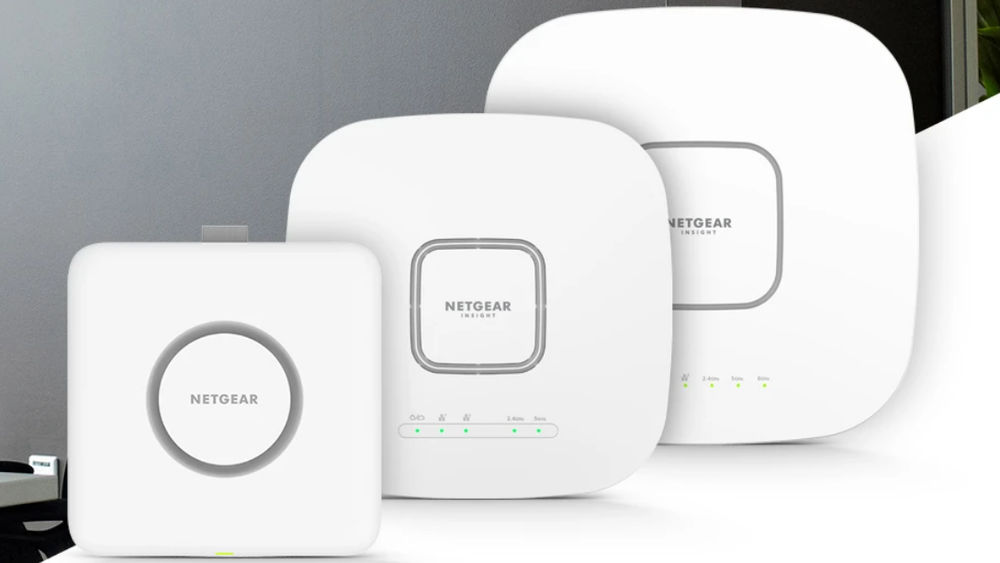



FCC Router Import Ban Creates $2B+ Market Shift | Seller Sourcing Strategy Update
- Netgear gains exclusive exemption through October 2027; TP-Link and 95% of router sellers face exclusion; US manufacturing capacity shortage drives 25-40% price increases for compliant models


























Overview
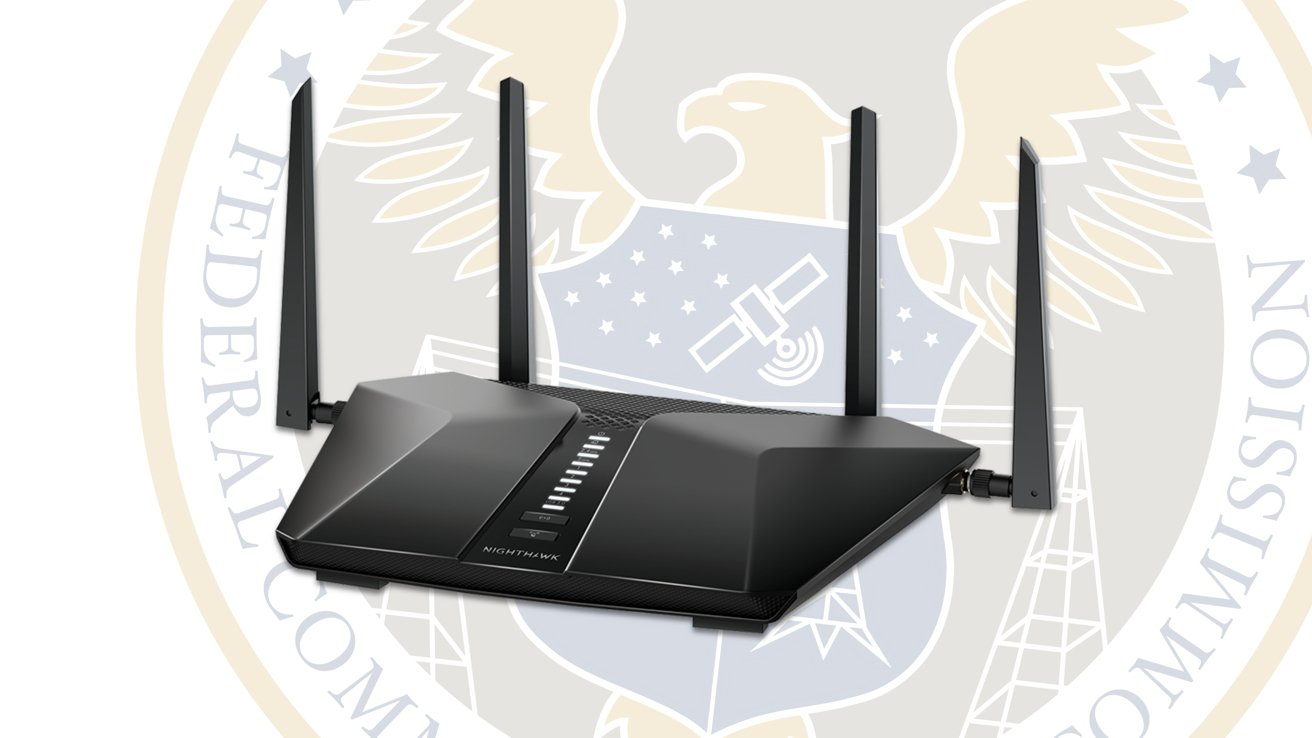
The FCC's March 2024 foreign-made router ban represents a watershed moment for cross-border electronics sellers, creating a $2B+ market restructuring opportunity. The policy prohibits new Wi-Fi router imports manufactured outside the United States, with Netgear and Adtran receiving the first conditional exemptions valid until October 1, 2027. This creates an immediate competitive advantage for exempted vendors while forcing 95% of current router suppliers—including TP-Link, ASUS, D-Link, and Linksys—to either relocate manufacturing or exit the US market entirely.
For e-commerce sellers, this policy creates three distinct market opportunities: First, existing inventory arbitrage through March 1, 2027 (software update waiver deadline) allows sellers to liquidate foreign-made routers at premium prices before the ban fully tightens. Second, the manufacturing capacity shortage—current US router production capacity is minimal—creates a 25-40% price increase window for compliant models, expanding margins for sellers who secure Netgear/Adtran inventory early. Third, the exemption application process (requiring Department of Defense/Homeland Security review) creates a 6-12 month window before competitors can obtain exemptions, giving early movers significant Buy Box control.
The sourcing implications are substantial: The ban extends beyond final assembly to target routers "designed or developed significantly in foreign countries," eliminating typical compliance shortcuts. Sellers currently sourcing from China, Taiwan, India, and Vietnam must pivot to Netgear's exempted product lines or identify US-manufactured alternatives—a transition that typically requires 90-180 days of supply chain reconfiguration. The policy aligns with Trump's manufacturing reshoring agenda and the 2021 Build America Buy America Act, signaling this is not a temporary measure but a structural market shift.
Competitive dynamics shift dramatically: Netgear's exemption covering "all major Wi-Fi product lines" provides unprecedented market consolidation opportunity. Sellers holding Netgear inventory gain 18-month first-mover advantage before other vendors complete exemption applications. TP-Link's Chinese affiliations—despite US headquarters in Irvine, California—make exemption unlikely, eliminating the market's second-largest router supplier. This creates a supply shortage that will persist through 2027, supporting 15-25% price premiums for compliant inventory.
The policy's timing creates urgency: Sellers must decide by Q1 2025 whether to liquidate existing foreign-made inventory (before March 1, 2027 waiver expires) or pivot to exempted brands. The 18-month exemption window for Netgear (ending October 1, 2027) represents the critical transition period before broader market restructuring occurs.
Questions 8
What sourcing countries should sellers avoid for router inventory after the FCC ban?
Sellers should avoid sourcing routers manufactured in China, Taiwan, India, and Vietnam—the current production locations for virtually all routers. The FCC ban targets routers designed or developed significantly in foreign countries, not just final assembly location, eliminating typical compliance workarounds. TP-Link, ASUS, D-Link, and Linksys—all major brands with foreign manufacturing and design—face exclusion unless they obtain exemptions. The only safe sourcing strategy is Netgear or Adtran inventory, both of which have received conditional exemptions through October 1, 2027. Sellers should immediately audit their router inventory and identify non-compliant SKUs for liquidation by Q4 2026. Sourcing from exempted vendors requires longer lead times and higher costs due to limited US manufacturing capacity, but provides legal certainty and premium pricing power through 2027.
How does the router ban align with broader US manufacturing reshoring policy?
The FCC's router ban directly implements President Trump's manufacturing reshoring agenda and the 2021 Build America Buy America Act, which prioritizes domestic production for government and critical infrastructure purchases. The policy stems from a White House national security determination citing unacceptable economic, national security, and cybersecurity risks from foreign-produced routers dominating the US market. Cybercriminals and state-sponsored groups have exploited unpatched vulnerabilities in foreign-made routers to launch hacking operations. This signals the ban is not temporary but part of a structural shift toward domestic electronics manufacturing. Sellers should expect similar bans or tariff increases for other network equipment categories (switches, firewalls, modems) through 2025-2026. The policy creates long-term sourcing opportunities for sellers who pivot to US-manufactured or exempted brands early, before competitors recognize the trend.