

Multi-Vendor Marketplace Collapse | 300+ Sellers Lose Retail Channel in 10 Days
- Painted Tree's sudden closure across 60+ US locations (April 2025-2026) reveals critical risks in consignment-based O2O models; vendors lost $150-$1,300/month booth fees, 10% sales commissions, and inventory access with only 9-10 days notice























Overview
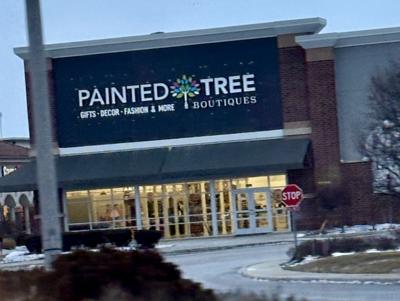
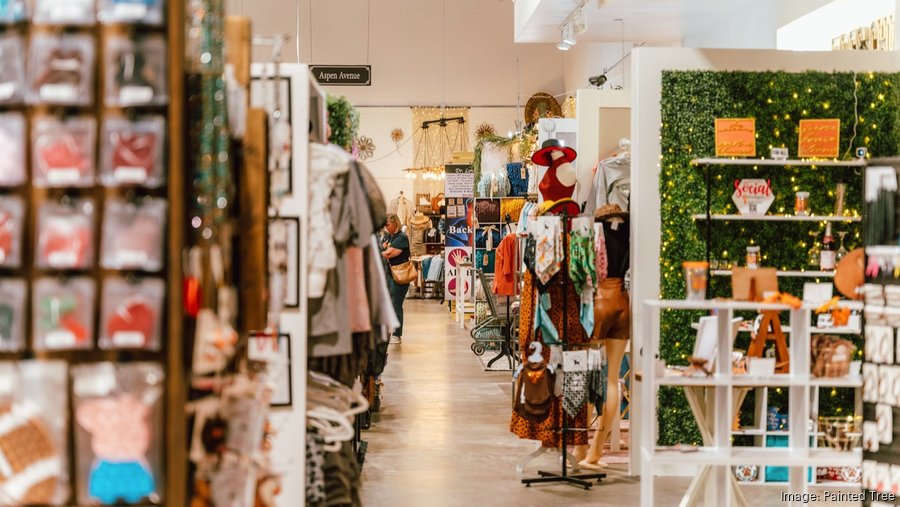
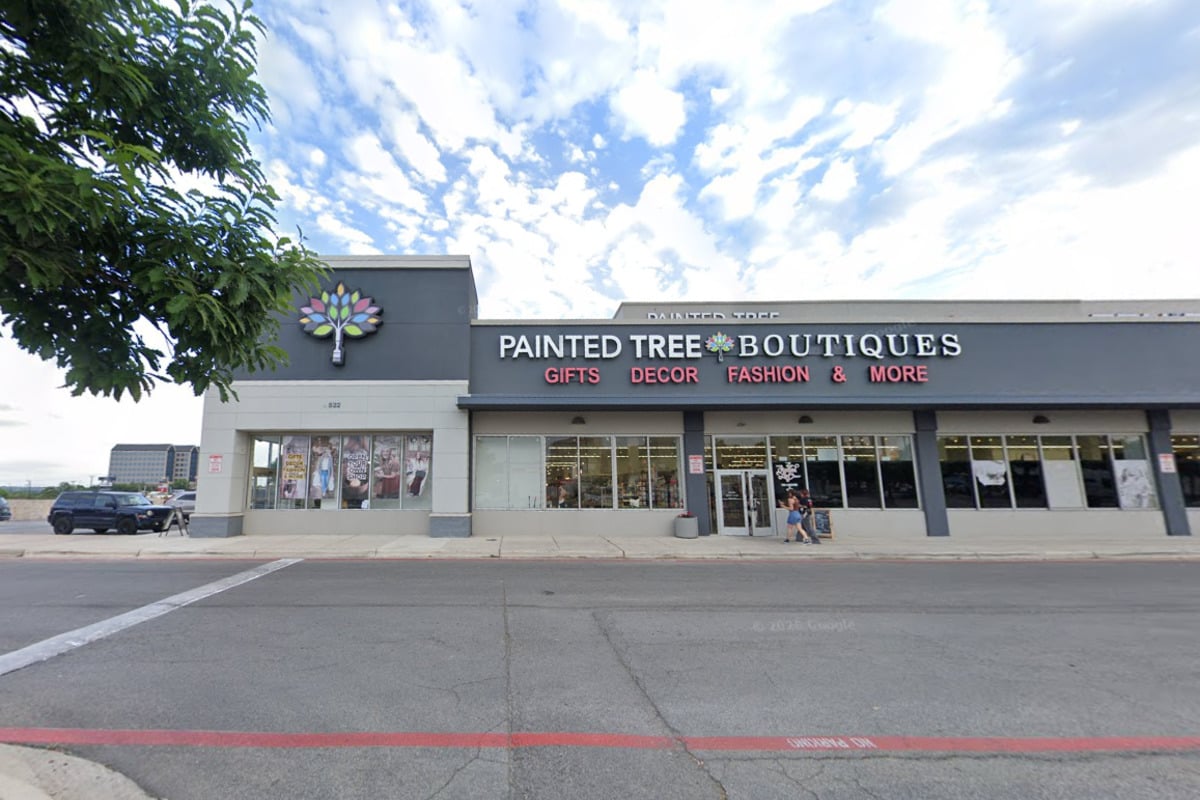
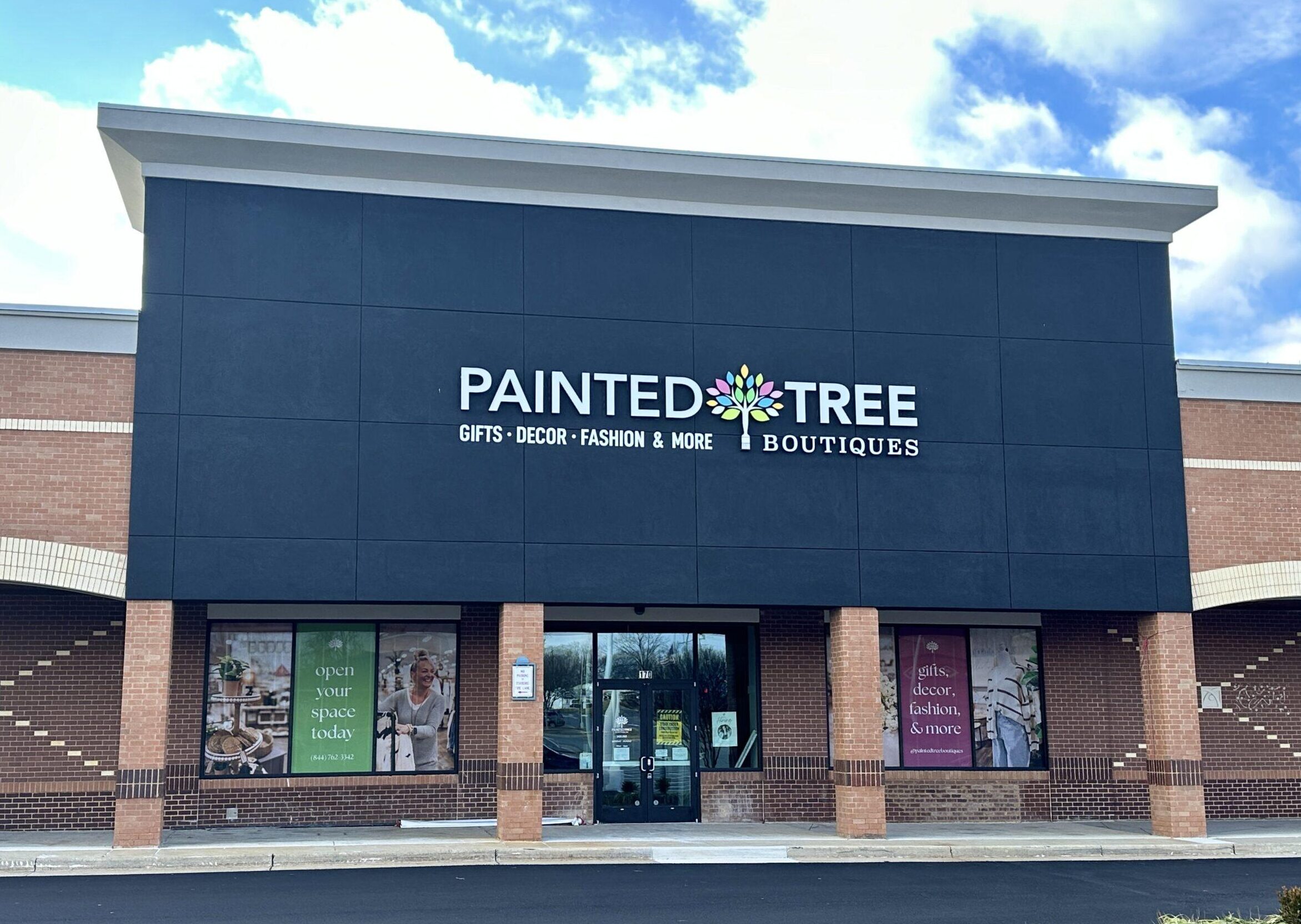
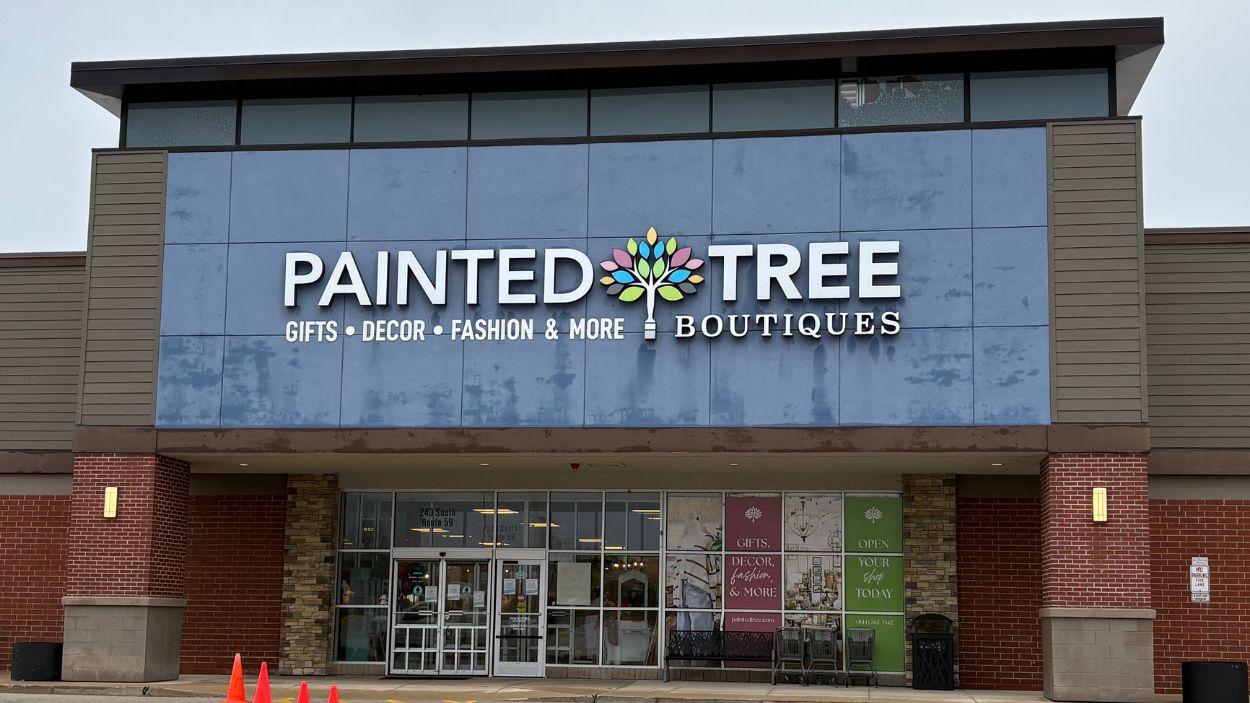
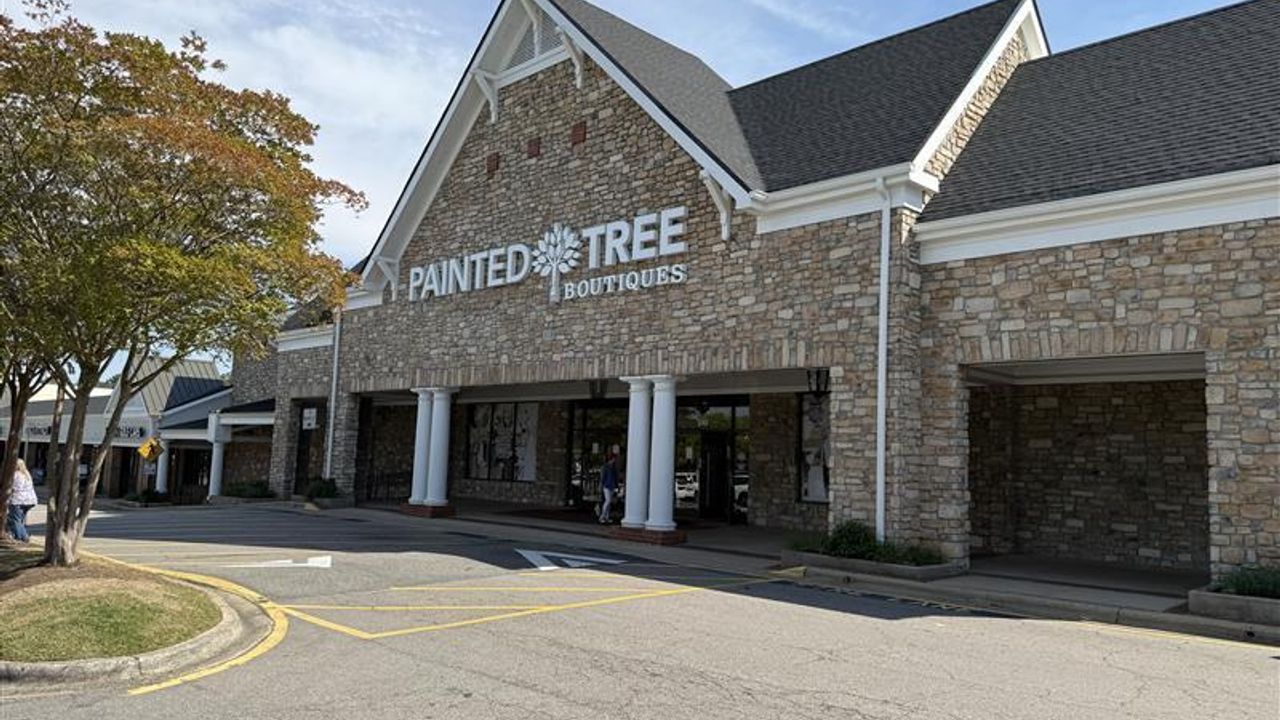
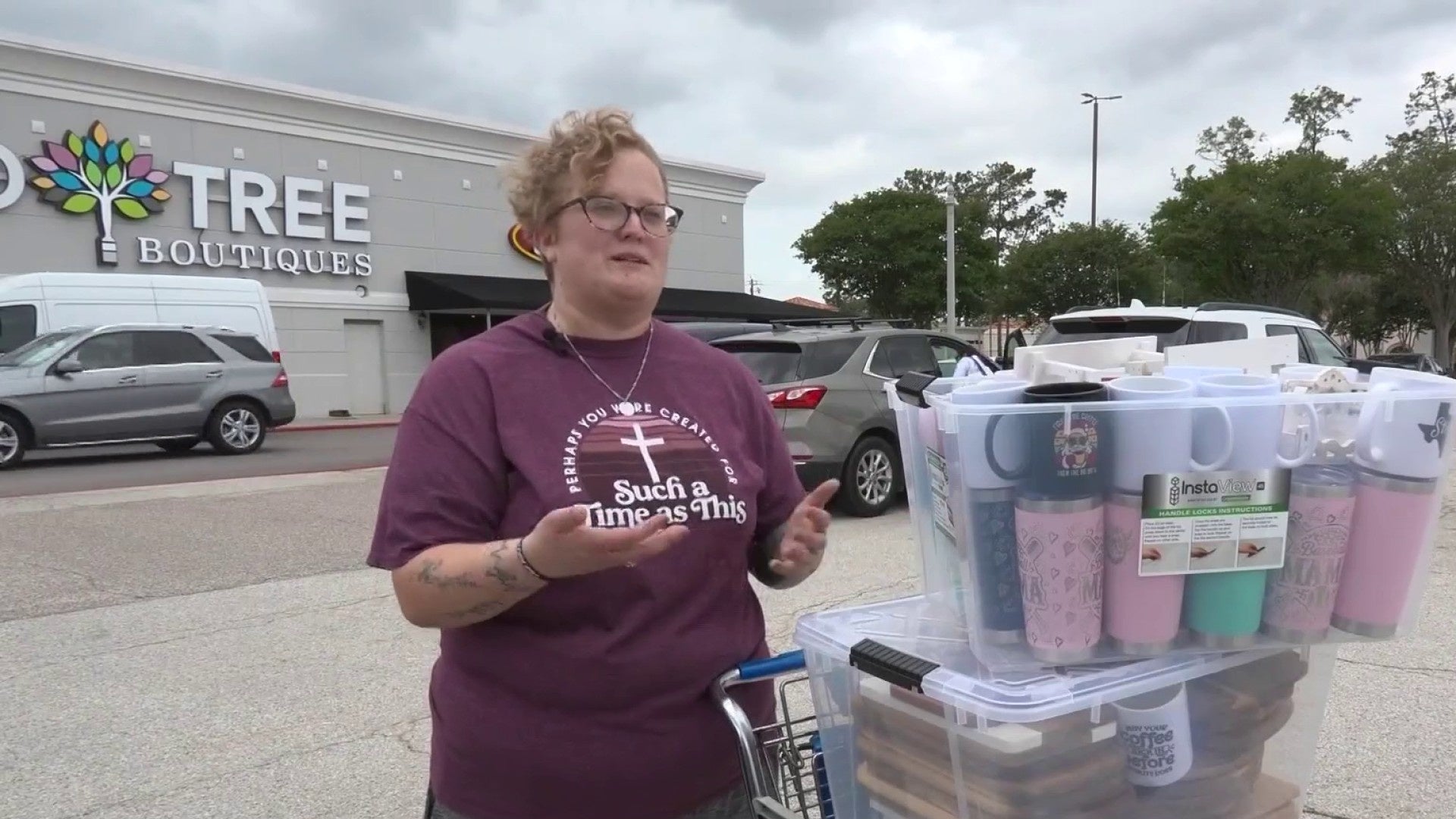
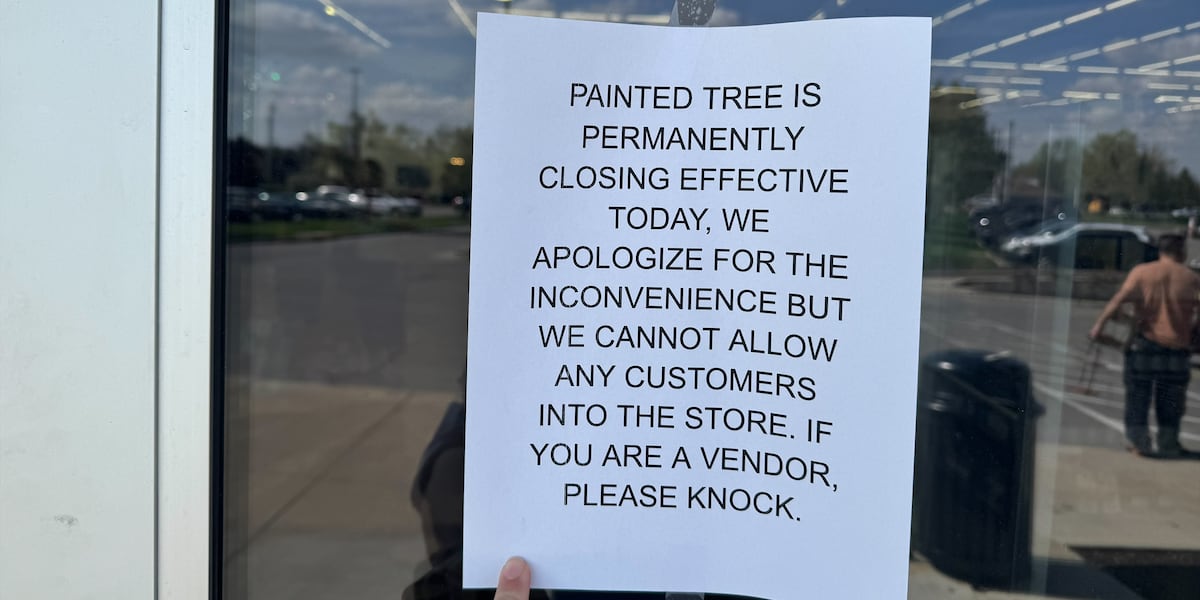
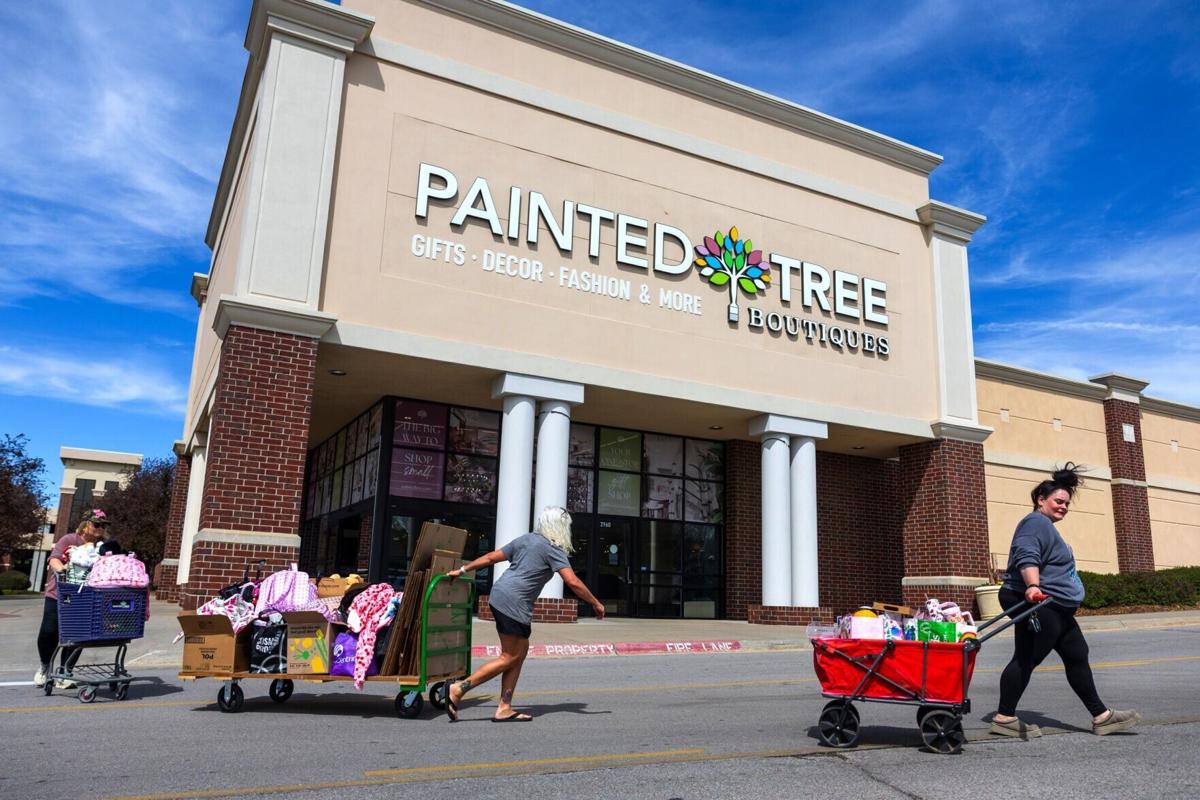
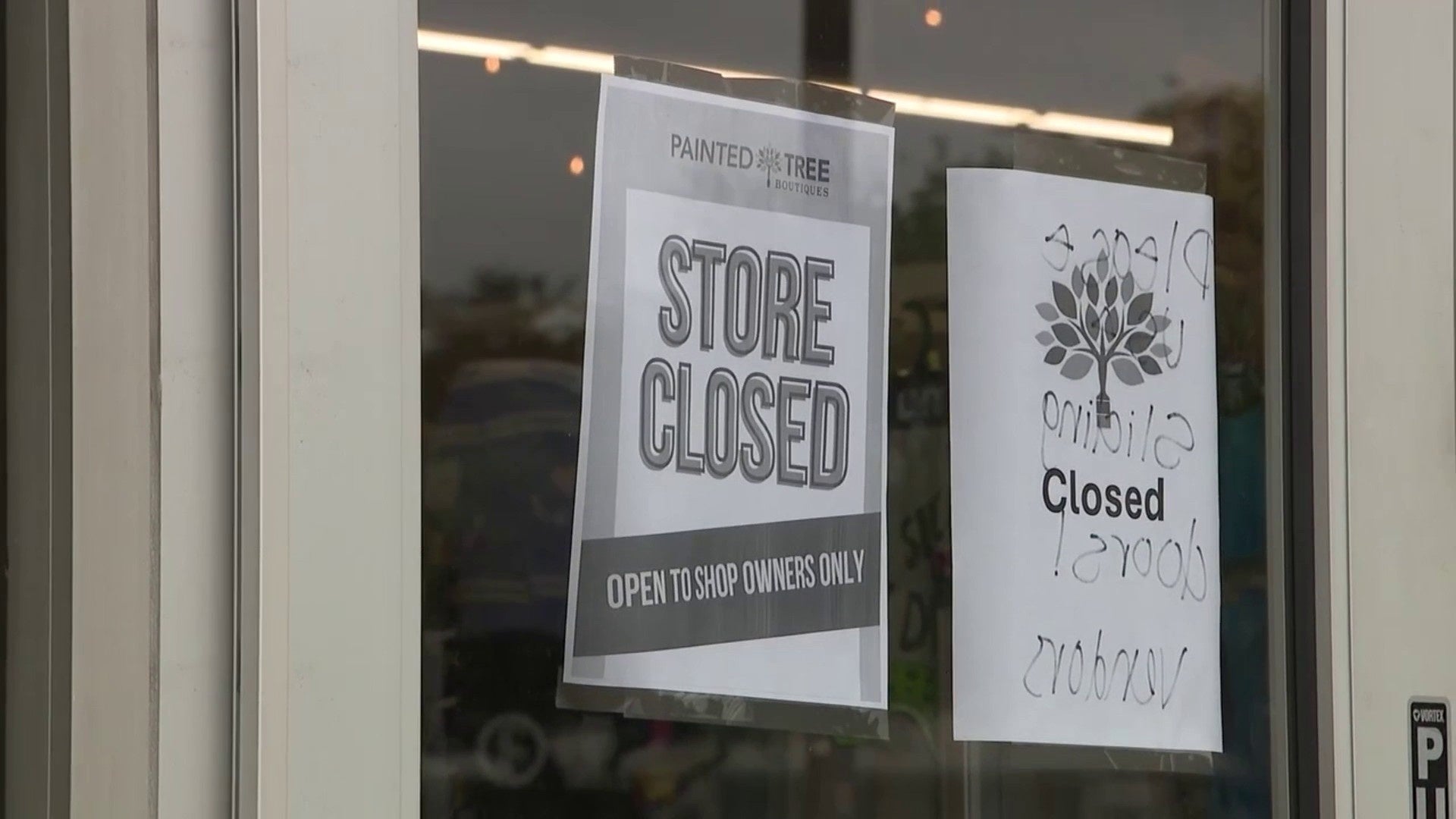
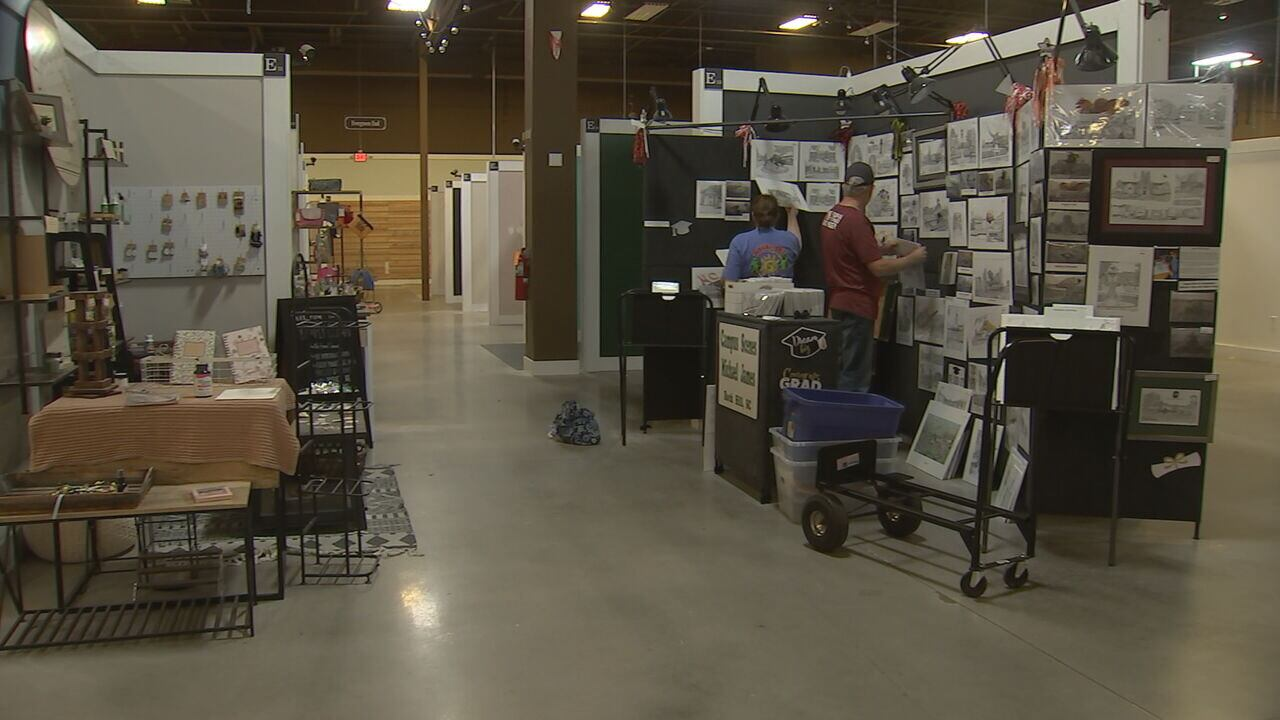
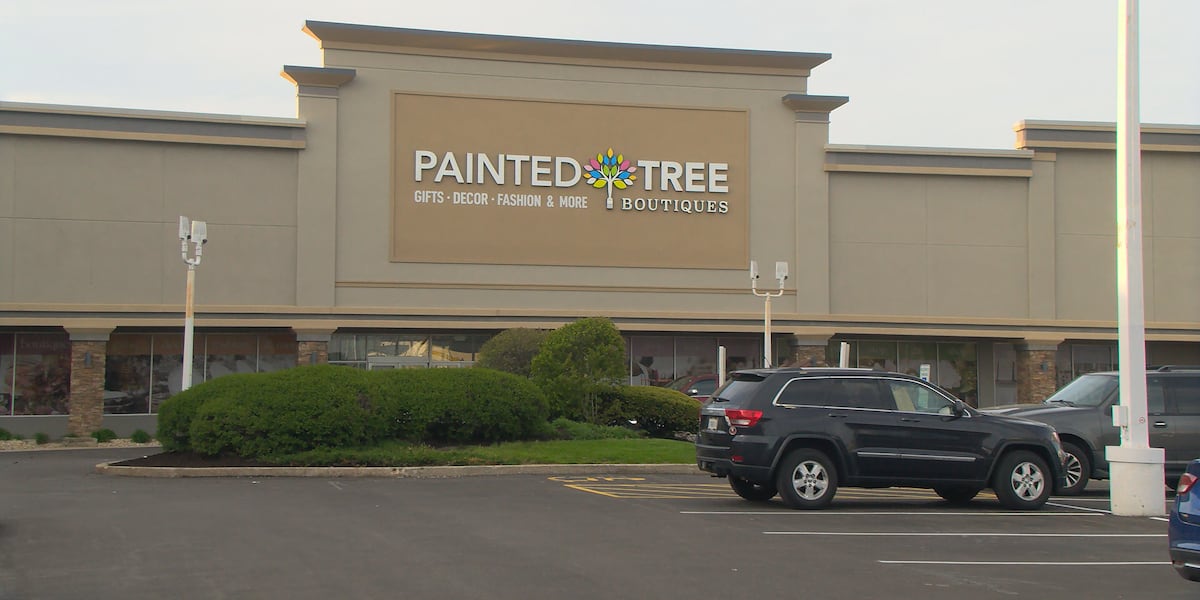
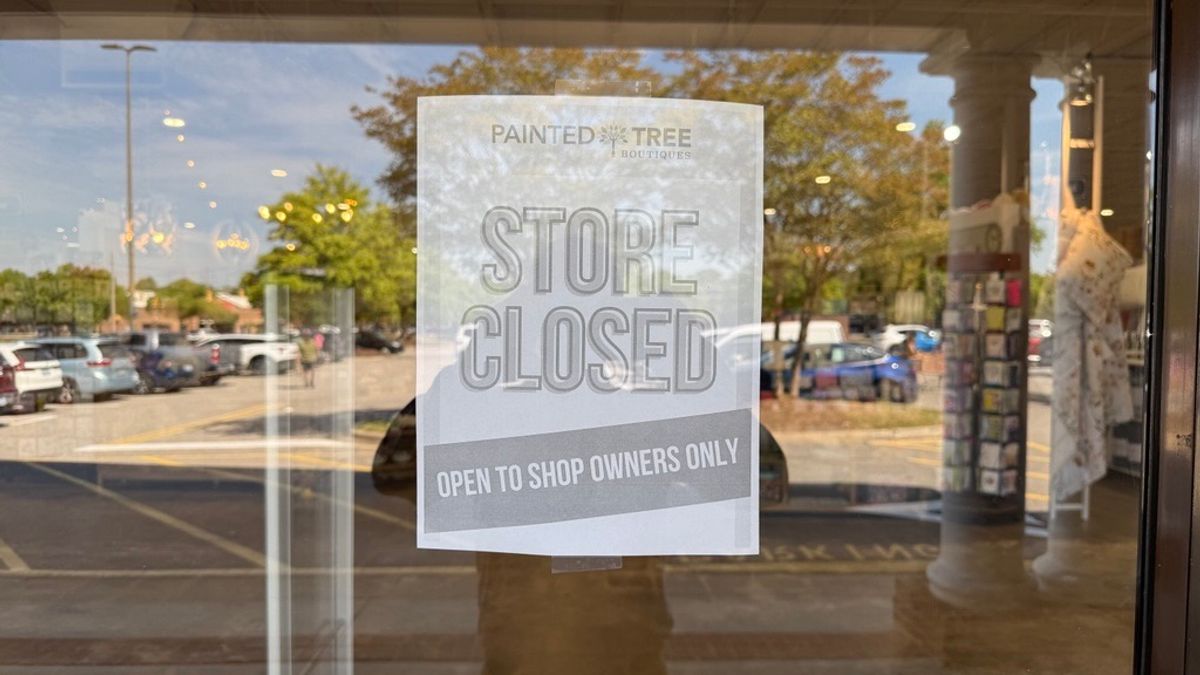
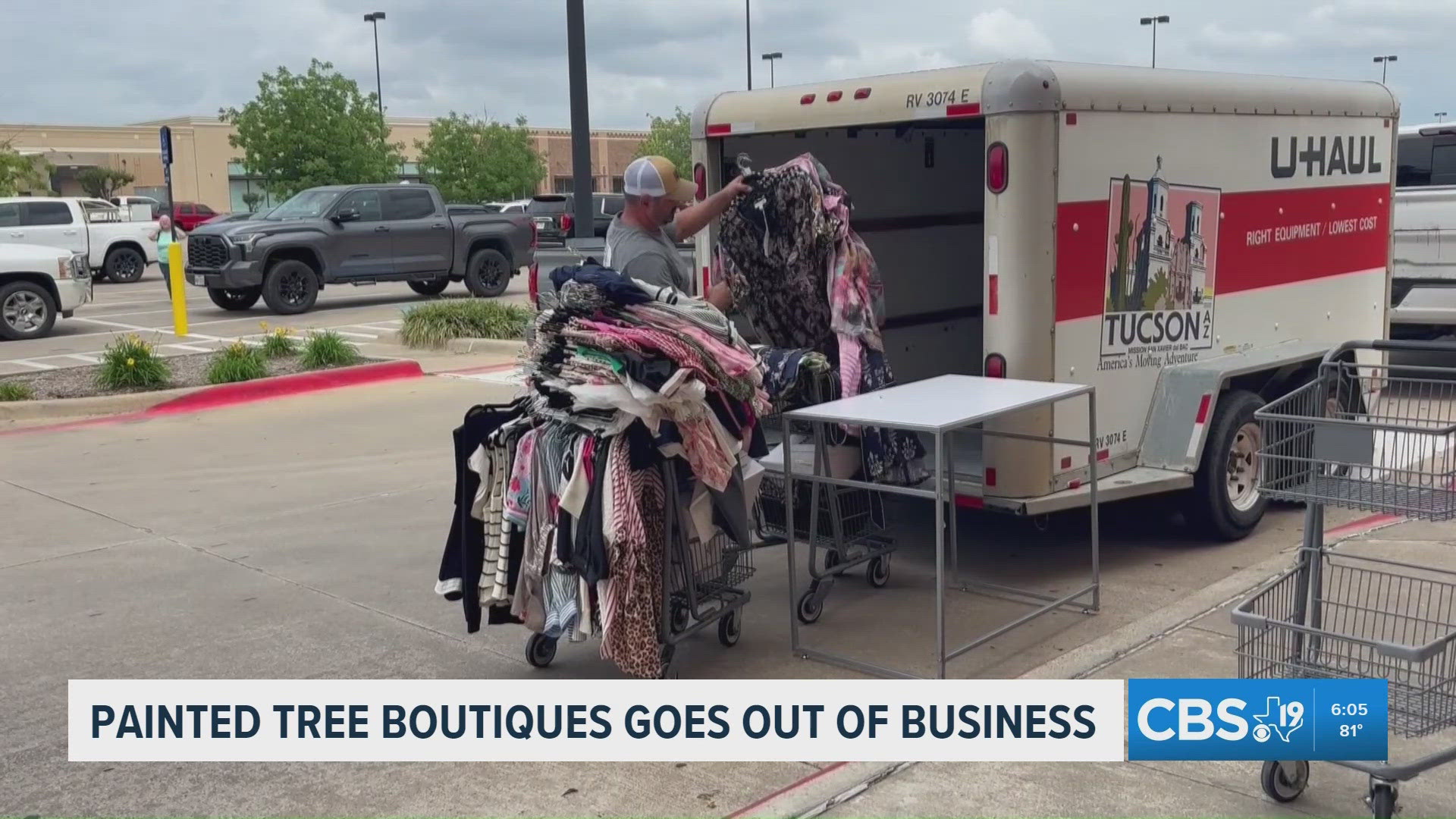
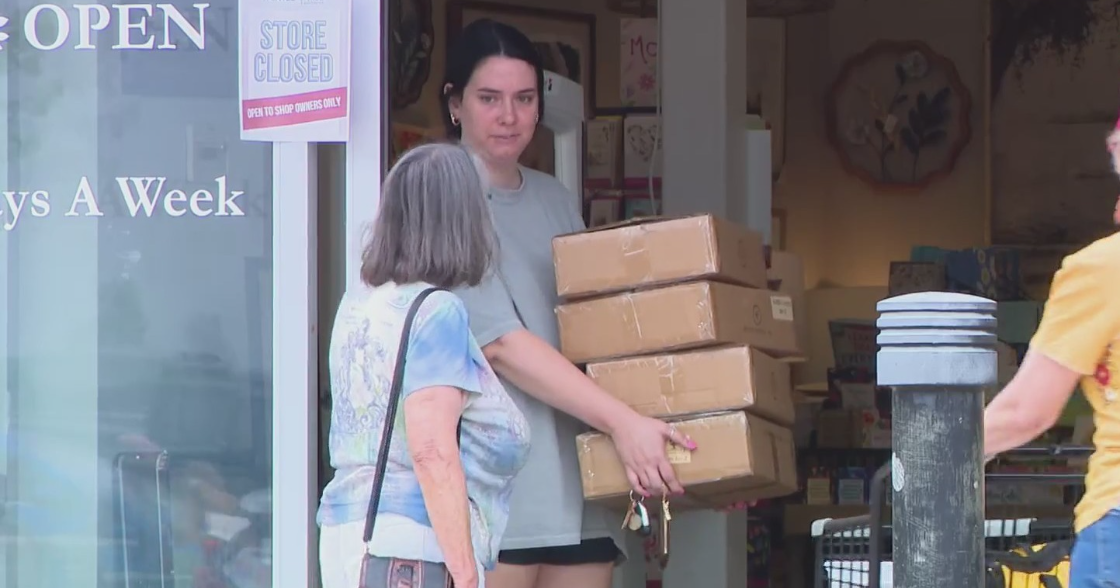
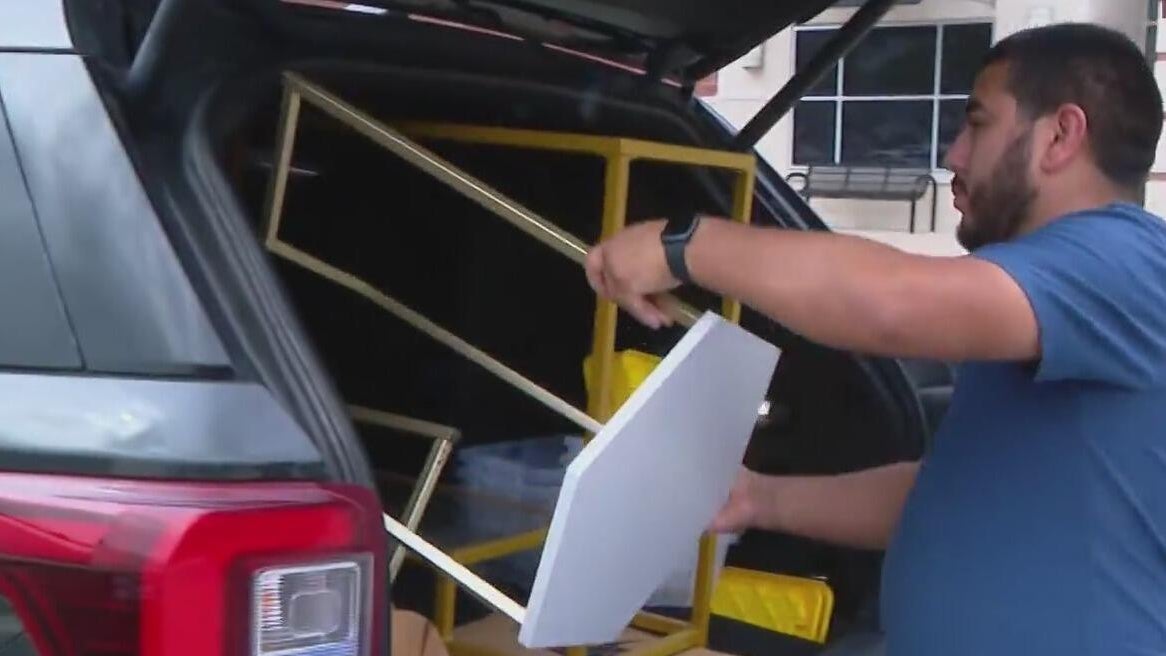
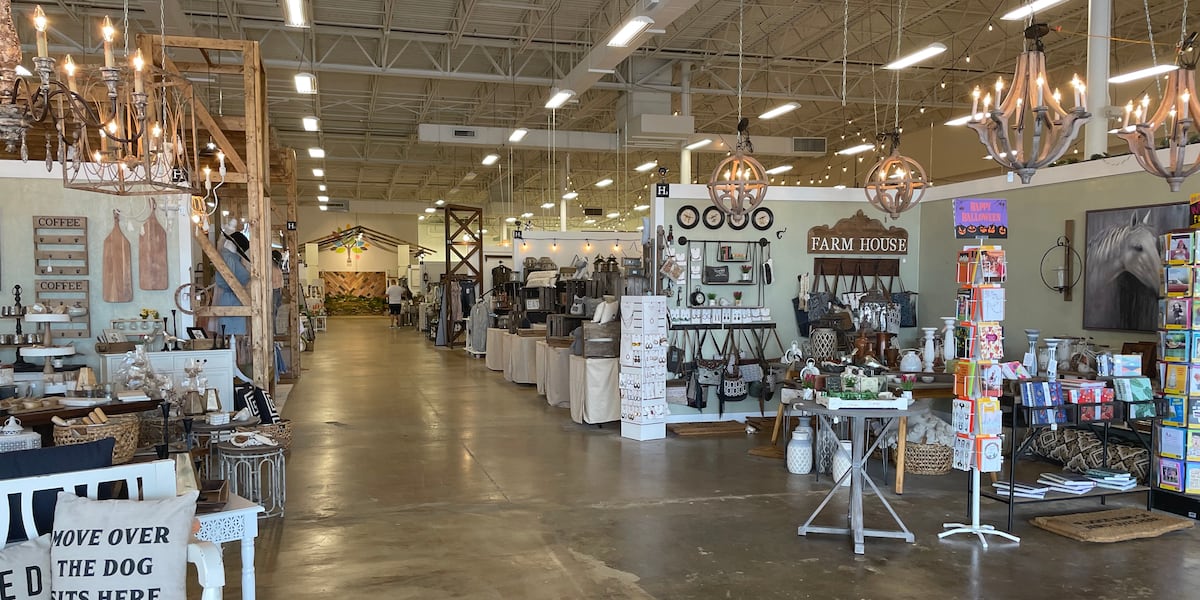
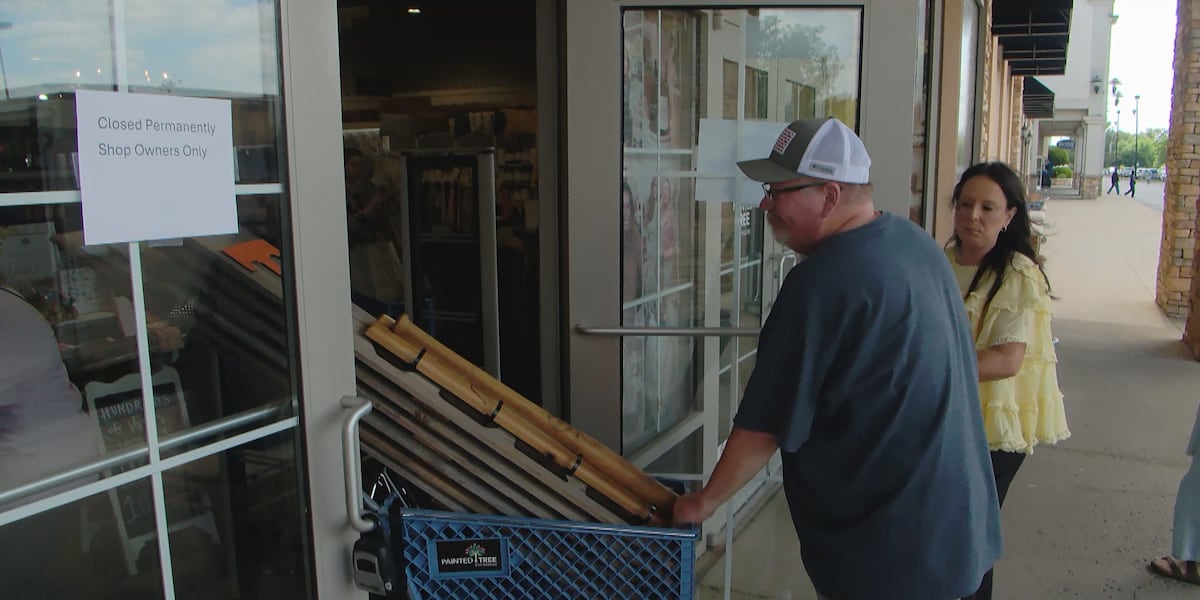
Painted Tree Boutiques' sudden collapse across 60+ physical retail locations represents a critical case study in O2O marketplace vulnerability for small sellers. The multi-vendor platform, which positioned itself as "an Etsy marketplace and Pinterest catalog come to life," abruptly ceased operations in April 2025-2026, leaving 300+ independent sellers scrambling to recover inventory and lost revenue. Vendors received closure notices with only 9-10 days to retrieve products from locations spanning Texas (San Antonio, Austin, Frisco), Indiana (Fort Wayne), Tennessee (Murfreesboro), and Arizona. The financial impact was severe: vendors paid monthly booth rent ranging from $150-$1,300 under year-long contracts, plus surrendered 10% of all sales as commissions. Many vendors reported being shorted on paychecks since October 2025 when new ownership implemented a flawed ACH payment system, with some owed thousands of dollars.
The operational failure reveals systemic risks in consignment-based retail models that directly impact seller profitability and channel diversification strategies. Vendors like Lindsey Romine (operating 20 booths across multiple states) and Billie Hopkin (8 locations over 2+ years) faced impossible logistics coordinating inventory retrieval across multiple states. Payment system failures, delayed vendor support responses, and declining sales performance preceded the closure, yet corporate sent hiring and "operational improvement" messages as recently as October 2025—masking underlying cash flow collapse. The abrupt shutdown prevented vendors from implementing gradual transition strategies, liquidating inventory strategically, or securing alternative retail partnerships. This mirrors broader challenges in multi-vendor marketplace models: cash flow management failures, inadequate vendor communication protocols, and unsustainable unit economics in physical retail.
For sellers evaluating O2O strategies, this collapse demonstrates the critical importance of platform financial stability assessment and diversified sales channels. Vendors who relied on Painted Tree as their primary offline touchpoint lost immediate revenue streams and faced inventory liquidation pressures. However, community-driven recovery initiatives emerged: Shelby Husidic (ARI Event Center owner) organized free pop-up events (May 14-15, 2026, Fort Wayne) and created a vendor registry connecting displaced sellers with alternative venues. Local businesses like Chico Boys Fruit Market and The Shops at Bandera Road offered lease incentives to displaced vendors. This signals a critical O2O opportunity: temporary pop-up partnerships and event-based retail can serve as rapid recovery channels for displaced sellers, with lower fixed costs ($0-500/event) compared to permanent booth fees ($150-$1,300/month). Sellers pivoting through Instagram/TikTok promotion (Vanessa Guzman grew followers from 50 to 500+ in weeks) demonstrate that social-commerce integration can partially offset physical retail loss, though it cannot fully replace in-store foot traffic and impulse purchasing.
Questions 8
What is the ROI difference between permanent booth rental vs. pop-up events?
Permanent booth rental (Painted Tree model): $150-$1,300/month ($1,800-$15,600/year) + 10% sales commission + security deposits. Pop-up events (post-closure recovery): $0-500/event (typically 1-2 events/month = $0-$1,000/month) with no commission structure. For a vendor generating $2,000/month in sales: Painted Tree cost = $200-$1,300 + $200 commission = $400-$1,500/month (20-75% margin compression). Pop-up cost = $250/event (assuming 2 events/month) = $250/month (12.5% margin compression). Pop-ups offer 60-85% cost savings but sacrifice consistent foot traffic and brand presence. Optimal strategy: use pop-ups for inventory liquidation (3-6 months) while building direct-to-consumer channels (Shopify, Amazon, social commerce).
How can sellers evaluate marketplace stability before committing inventory?
Sellers should assess: (1) Payment system reliability—verify vendor payment processing history and ACH/direct deposit stability, (2) Financial transparency—request quarterly performance reports and vendor payment timelines, (3) Communication protocols—evaluate how quickly corporate responds to vendor support tickets and payment issues, (4) Operational metrics—monitor sales trends, foot traffic density by location, and vendor retention rates, (5) Contract terms—negotiate shorter initial commitments (3-6 months vs. 12 months) to reduce exposure, and (6) Diversification—never rely on a single marketplace for >30% of revenue. Painted Tree's October 2025 payment system transition and subsequent payment failures were warning signs that should have triggered vendor exit strategies.