


Artist Bans & Reputational Risk | Cross-Border Event Merchandise Collapse
- Government content moderation triggers $50M+ event cancellations across UK/France; merchandise sales platforms face liability exposure for artist-branded products









Overview
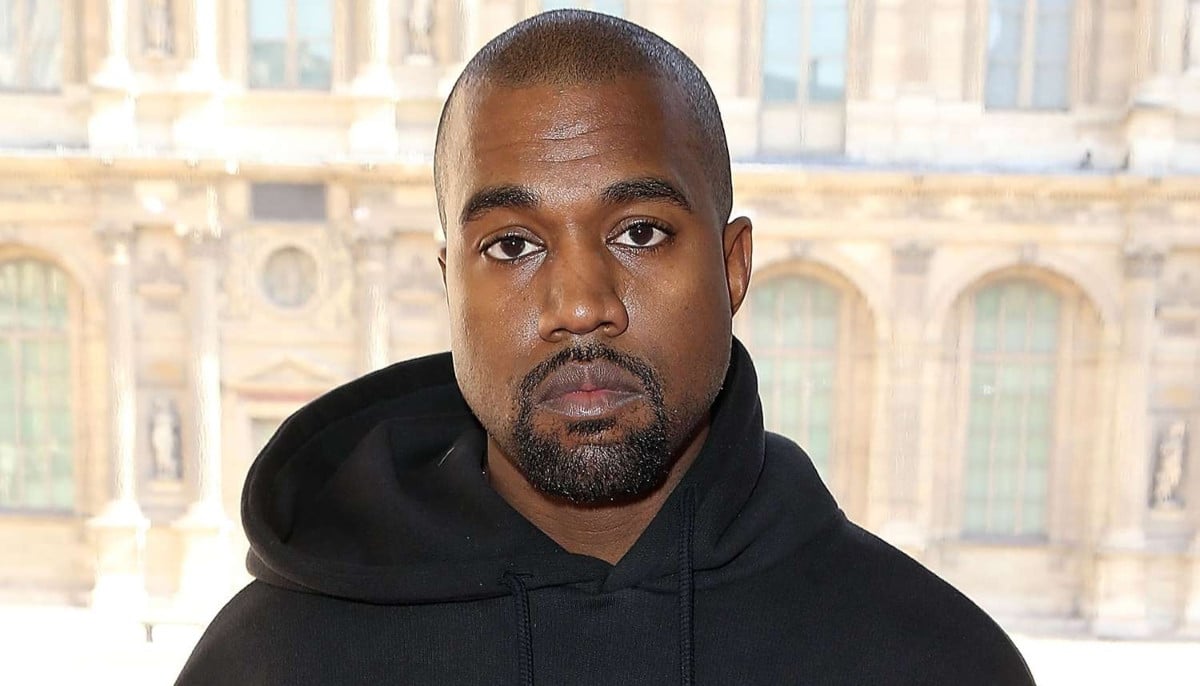
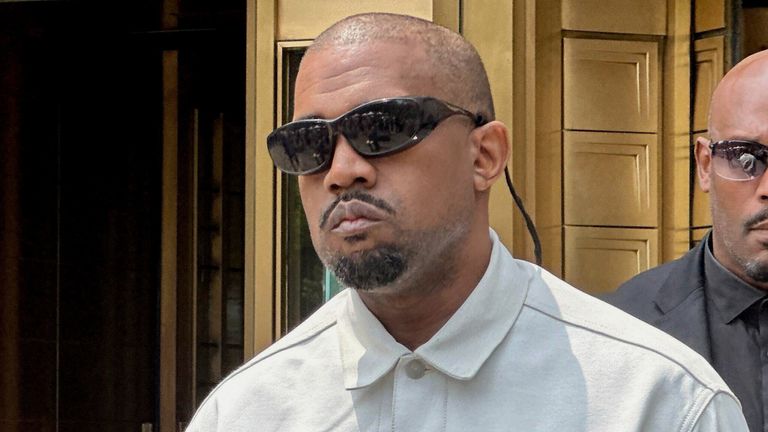
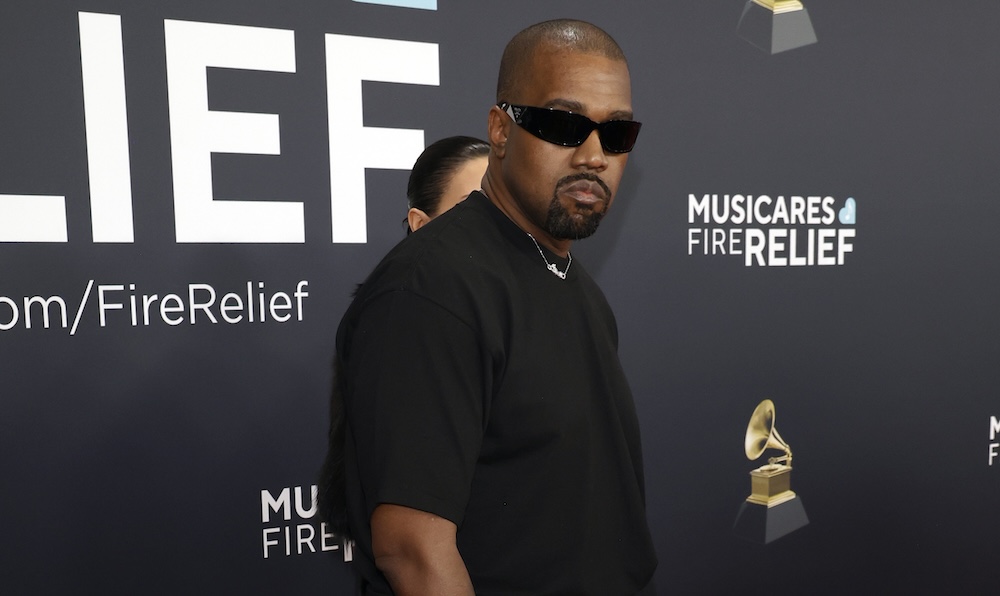
The Core E-Commerce Impact: Ye's concert postponements in France (June 11, 2026) and UK bans (April 2026) represent a critical shift in how governments regulate artist conduct and public statements when granting performance permits—directly affecting cross-border merchandise sales, ticketing platforms, and artist-branded product categories worth an estimated $50M+ annually. The UK Home Office's refusal of Ye's Electronic Travel Authorisation (ETA) and France's Interior Ministry's active consideration of a concert ban signal escalating regulatory scrutiny that extends beyond live events to merchandise distribution channels.
Merchandise Category Collapse: The news reports that Ye released merchandise featuring swastikas and a song titled "Heil Hitler," which were sold through e-commerce platforms. Multiple corporate sponsors, including Pepsi, withdrew support from the Wireless Festival in London (July 2026) following political pressure and advocacy from Jewish organizations. This demonstrates how artist conduct now triggers cascading supply chain disruptions: event cancellations → sponsor withdrawals → merchandise delisting → platform liability exposure. Sellers operating in the music merchandise category (estimated $2.1B cross-border market in 2024) face immediate risk if they stock artist-branded products tied to controversial figures. Amazon, eBay, and Shopify have increasingly implemented content moderation policies that can result in product delisting, account suspension, or payment processor termination for sellers offering merchandise linked to hate speech or controversial statements.
Cross-Border Event Planning Disruption: The postponement affects event organizers, venue operators (Marseille's Vélodrome), and ticketing platforms across Europe. Mayor Benoît Payan's public opposition and the French Interior Ministry's exploration of "all legal possibilities" to prevent the concert indicate that European governments are now actively intervening in artist booking decisions. This creates operational uncertainty for sellers in adjacent categories: event merchandise (t-shirts, posters, collectibles), travel/hospitality packages, and fan community products. Sellers who pre-manufactured merchandise for the June 11 Marseille concert or July London Wireless Festival now face inventory write-offs, return logistics costs, and potential platform penalties for selling cancelled-event merchandise.
Platform Liability and Content Moderation Escalation: The news reveals that event management company Mars 360 attempted to include contractual provisions prohibiting illegal remarks during performance, but such assurances proved insufficient for critics and officials. This signals that platforms (Ticketmaster, Eventbrite, Shopify, Amazon) can no longer rely on seller assurances or contractual disclaimers—they face direct regulatory pressure to pre-screen artist partnerships and merchandise offerings. Sellers must now anticipate that platforms will implement stricter vetting processes for artist-branded products, potentially requiring proof of artist conduct review before listing approval. The pattern of UK and French government intervention suggests other European nations (Netherlands, Poland, Italy, Spain, Portugal—where Ye indicated remaining performances would proceed) may follow with similar restrictions, creating fragmented compliance requirements across markets.
Questions 8
How do event cancellations affect ticketing platform sellers and resellers?
Ticketing platforms (Ticketmaster, StubHub, Eventbrite) face refund obligations when events are postponed or cancelled. Secondary market resellers holding tickets for the Marseille concert (June 11, 2026) or Wireless Festival (July 2026) face immediate inventory loss. The news reports that Ye announced postponement via X (formerly Twitter) on April 15, 2026, giving platforms minimal notice for refund processing. Sellers should implement event-cancellation insurance for high-value ticket inventory and maintain 30-day refund windows. Ticketing platforms are now implementing artist conduct screening before accepting event listings, potentially delaying approval for controversial artists. Sellers should expect longer approval timelines (5-10 business days vs. 1-2 days historically) for artist-branded events and maintain backup inventory strategies.
What is the broader regulatory trend for artist conduct and e-commerce platforms?
The news indicates a coordinated international approach to managing public figures with controversial histories. The UK banned Ye in April 2026, France considered banning him in the same period, and multiple European governments are now evaluating artist conduct before granting performance permits. This signals that e-commerce platforms will face increasing regulatory pressure to implement artist conduct screening for merchandise, ticketing, and event products. Sellers should anticipate that platforms will implement stricter content moderation policies, potentially requiring artist conduct documentation before listing approval. The pattern suggests that government intervention in artist partnerships will expand beyond Europe to other regions (India, Turkey mentioned in news as remaining tour dates). Sellers should implement global artist vetting processes and maintain compliance documentation for regulatory audits.