


Fertilizer Crisis Drives Agricultural Input Costs Up 30-47% | Food Supply Chain Impact for Sellers
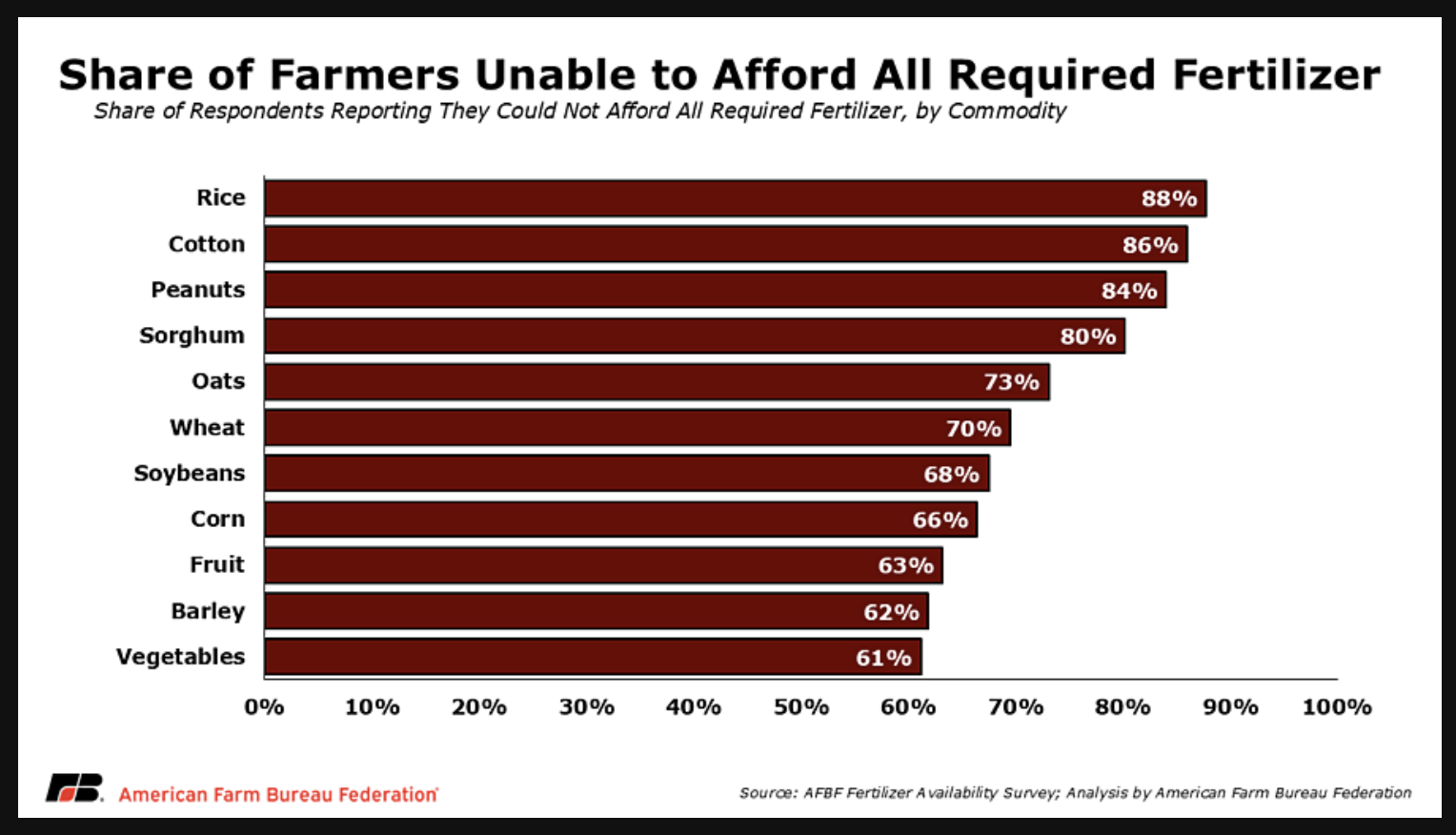
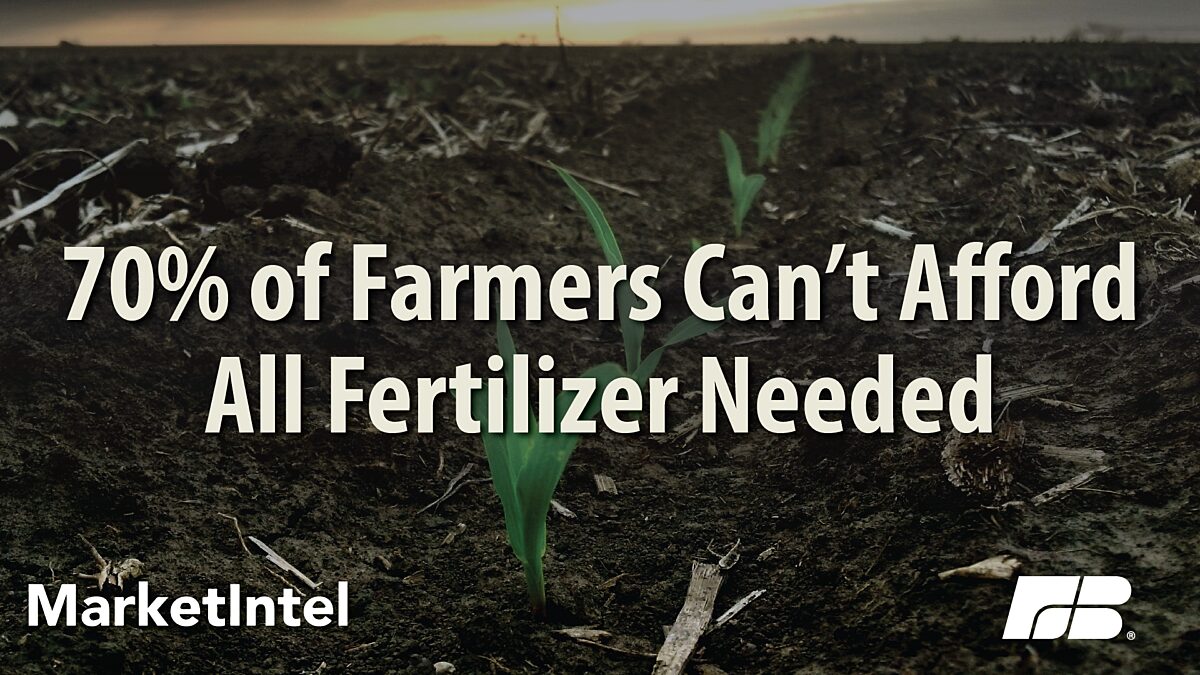
- 70% of U.S. farmers cannot afford fertilizer; nitrogen prices surge 30%+ and urea jumps 47% due to Strait of Hormuz disruption affecting 49% of global urea exports













.webp?height=700&t=1776202630&width=800)







.png)





Overview
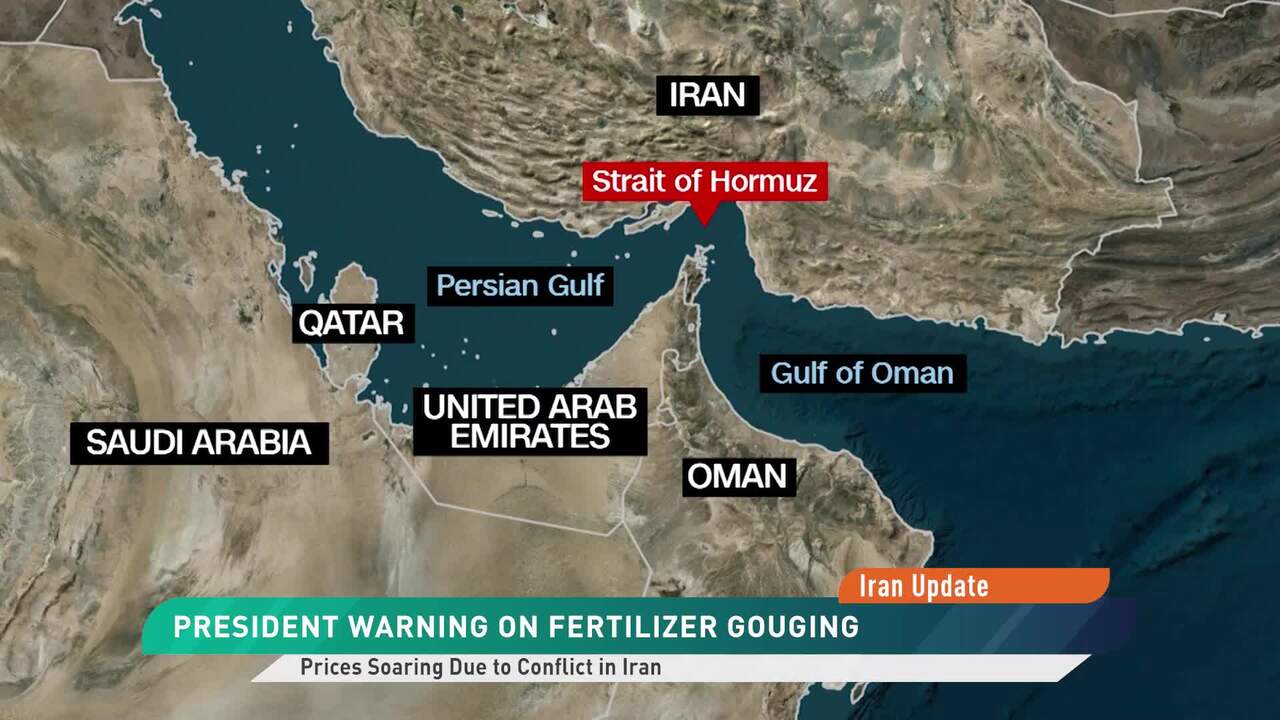
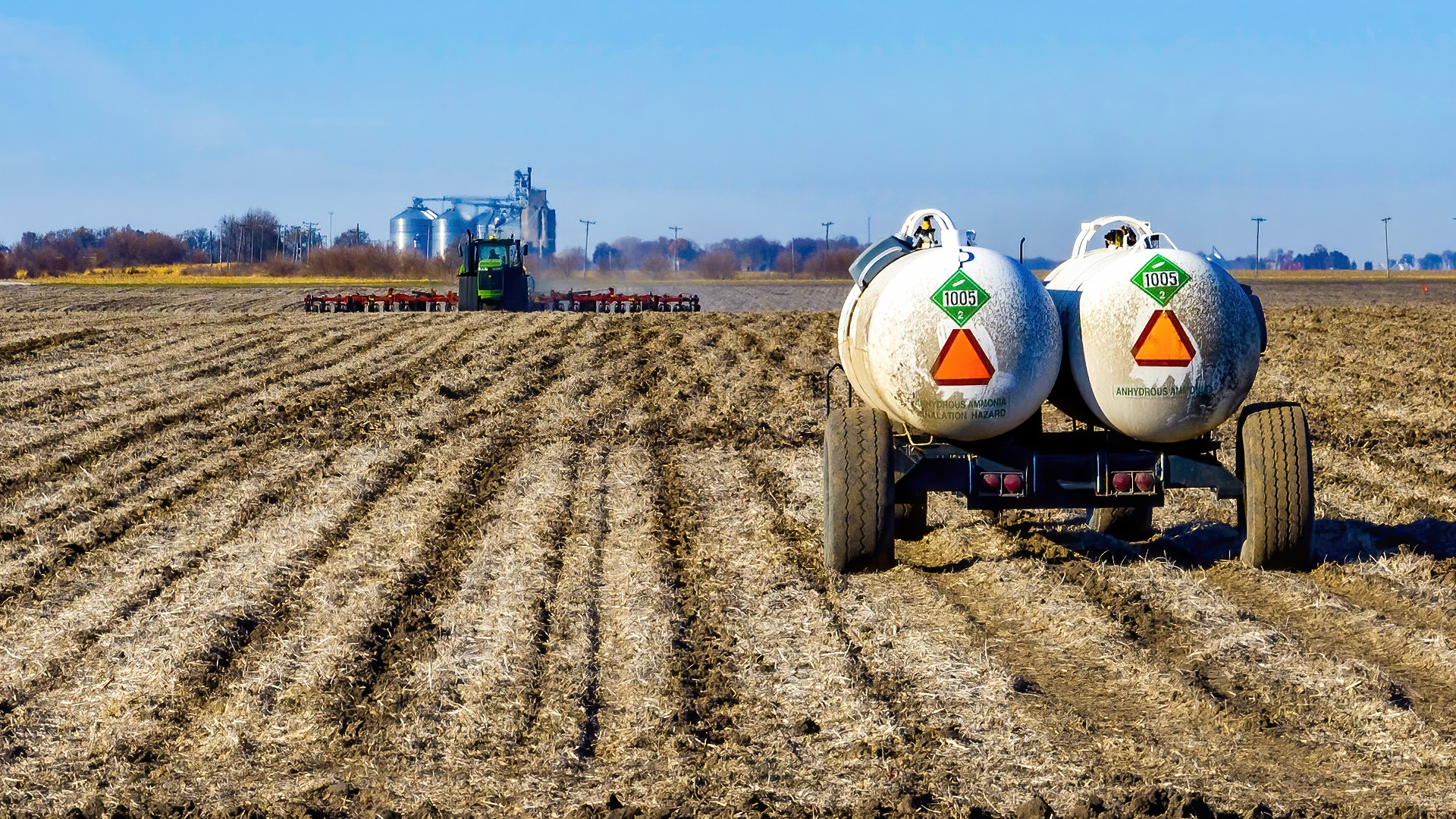
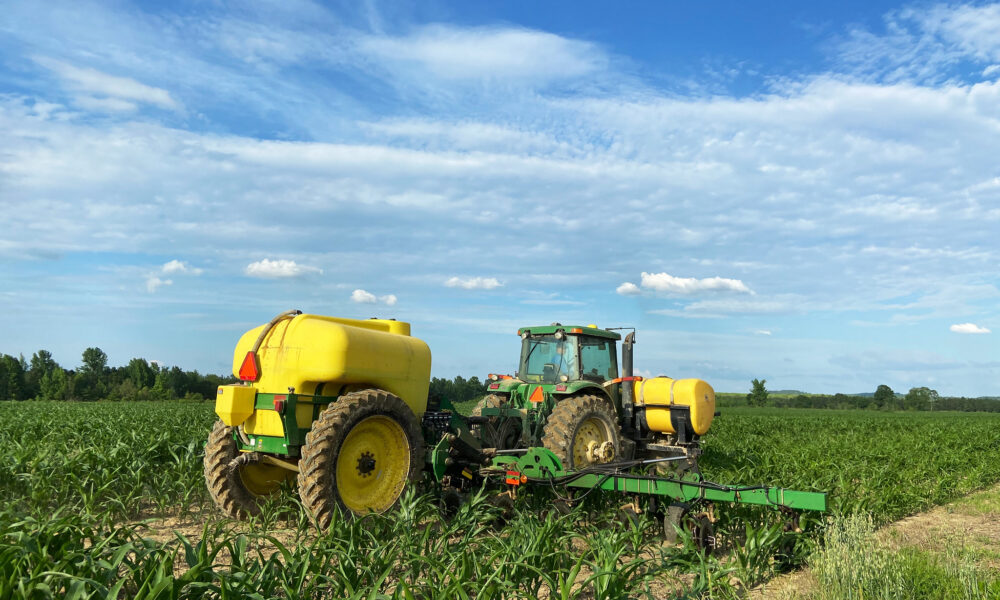
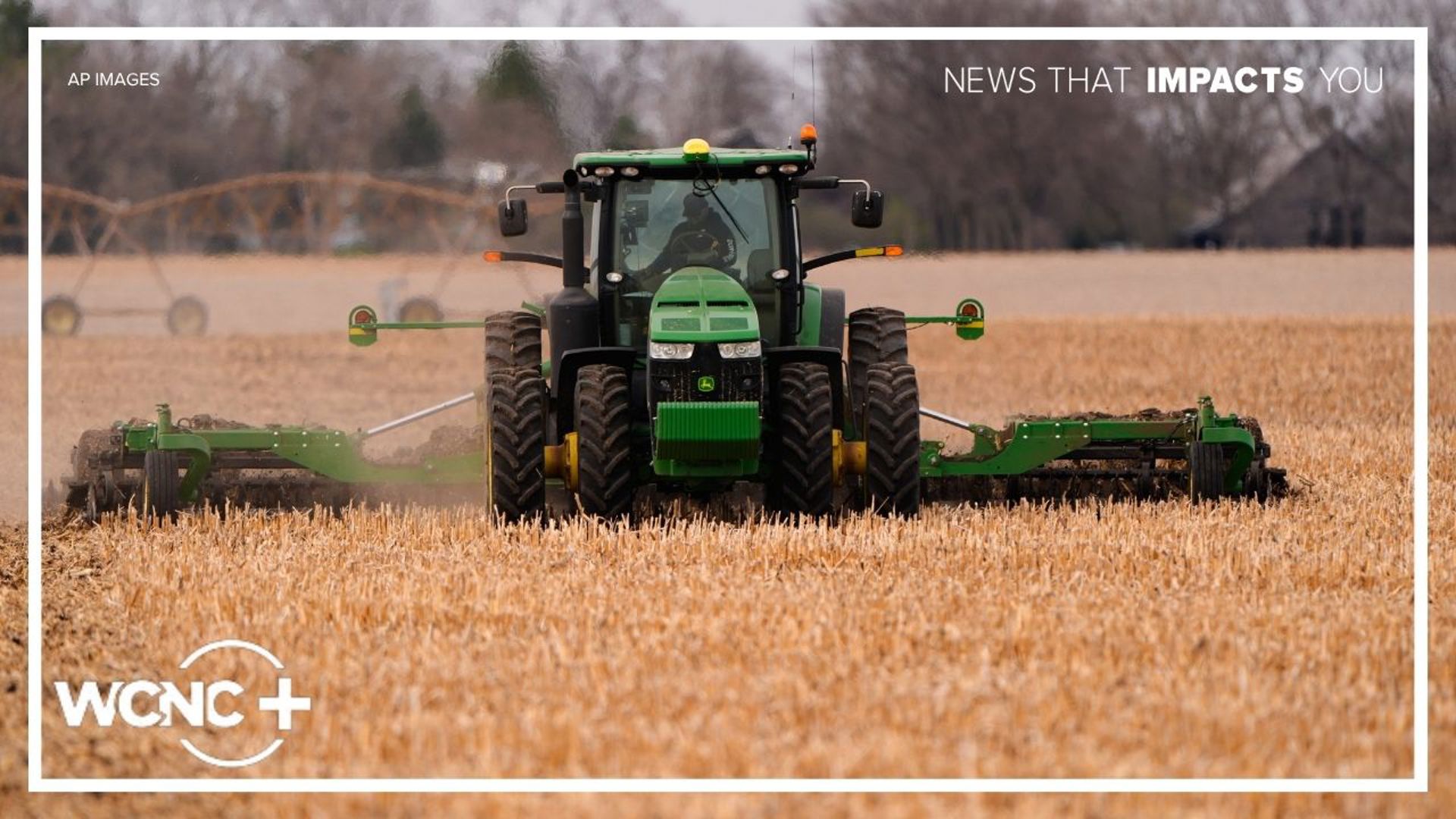
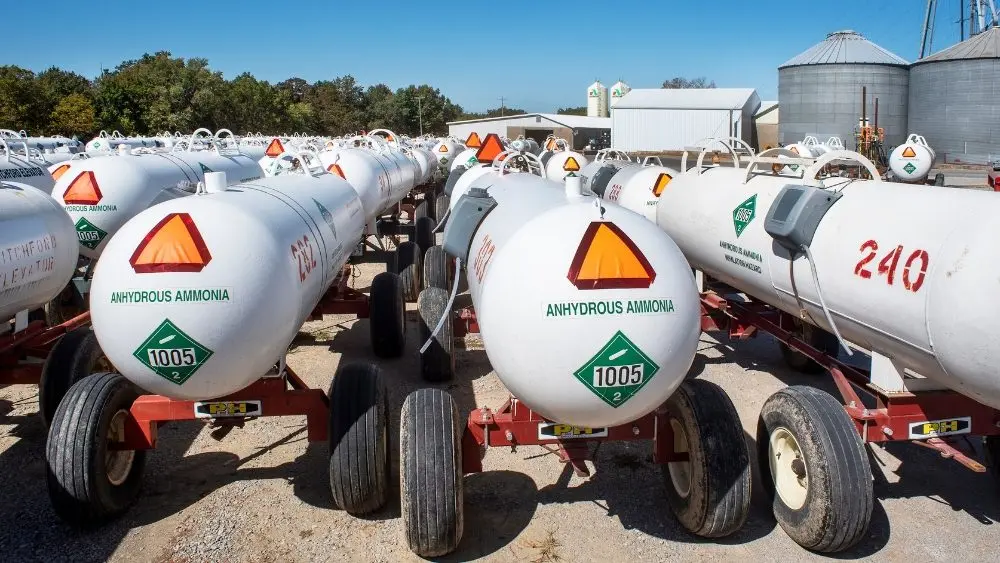
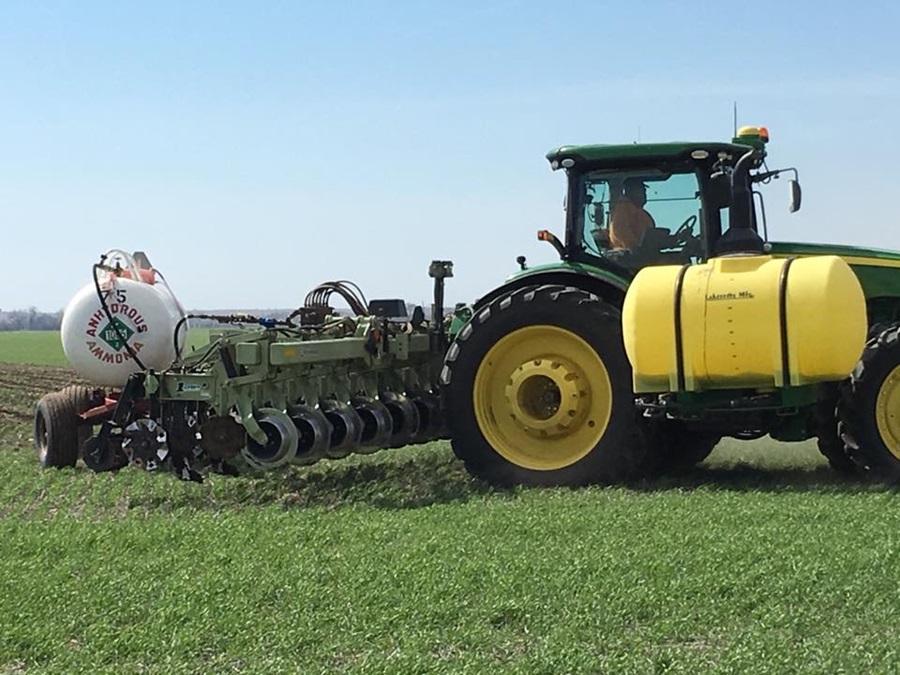
The American Farm Bureau Federation's April 2024 survey reveals a critical agricultural input crisis affecting 70% of U.S. farmers who cannot afford fertilizer due to geopolitical disruptions in the Middle East. Nitrogen fertilizer prices have surged more than 30% since late February, with urea prices jumping 47% during the same period, while combined fuel and fertilizer costs have risen 20-40%. The closure of the Strait of Hormuz—through which over one-third of globally traded fertilizer passes—disrupts approximately 49% of global urea exports essential for crop production. This represents the most volatile fertilizer market since Russia's 2022 invasion of Ukraine.
For e-commerce sellers, this agricultural crisis creates cascading supply chain implications across multiple product categories. Food and agricultural product sellers face upstream cost pressures that will compress margins on fresh produce, organic foods, and specialty agricultural items sold through Amazon Fresh, Walmart+, and specialty marketplaces. The survey shows 94% of farmers report worsened or unchanged financial situations, signaling reduced purchasing power for farm equipment, tools, and supplies—categories where sellers typically see 15-25% seasonal demand spikes during spring planting season (March-May). Regional variations matter significantly: Midwest producers lead pre-booking at 67%, while Southern producers lag at 19%, indicating uneven demand for regional agricultural products and equipment across U.S. marketplaces.
The broader e-commerce impact extends to consumer goods pricing and availability. Reduced crop yields from fertilizer shortages will increase commodity prices 6-12 months downstream, affecting packaged food, beverages, and grocery categories. Sellers in these segments should anticipate margin compression of 3-8% as input costs flow through supply chains by Q3-Q4 2024. Additionally, the fertilizer crisis signals broader supply chain vulnerability—similar to the 2022 Ukraine disruption—prompting sellers to diversify sourcing and consider inventory buffers for agricultural-dependent products. The White House's exploration of farmer assistance measures may include subsidies that could stabilize prices, but sellers should monitor policy developments through USDA announcements and agricultural trade publications.
Immediate opportunities exist in agricultural input alternatives and efficiency products. Sellers can capitalize on farmer demand for organic fertilizer substitutes, soil amendments, precision agriculture technology, and crop monitoring tools—categories that typically see 20-35% growth during input cost crises. The regional disparity (Midwest 67% pre-booking vs. South 19%) suggests targeted marketing opportunities in underserved regions where farmers face acute affordability challenges.
Questions 8
What timeline should sellers expect for commodity price increases to reach consumer goods?
Fertilizer cost increases typically flow through supply chains 6-12 months downstream, meaning Q3-Q4 2024 will see significant commodity price impacts on packaged foods, beverages, and agricultural products. The April 2024 survey data indicates immediate affordability challenges for farmers, suggesting reduced crop yields and higher input costs by summer 2024. Sellers should prepare pricing adjustments and margin compression strategies by June 2024 to account for Q3-Q4 commodity inflation. Monitor USDA weekly commodity reports and agricultural futures markets to track cost escalation timing and adjust inventory purchasing accordingly.
How might White House farmer assistance measures affect seller pricing and demand?
The White House is exploring assistance measures for affected farmers, which could include subsidies that stabilize fertilizer prices and support farmer purchasing power. If subsidies are implemented, they could reduce margin compression for food sellers by 2-4% and stabilize commodity prices by Q3 2024. However, sellers should not rely on subsidies and should prepare contingency pricing strategies. Monitor USDA announcements and agricultural policy updates through official channels; subsidies typically take 60-90 days to implement after announcement, so early policy signals provide planning windows for inventory and pricing adjustments.