




Airline Consolidation Creates Logistics Cost Surge | Cross-Border Sellers Face 12-18% Shipping Increases
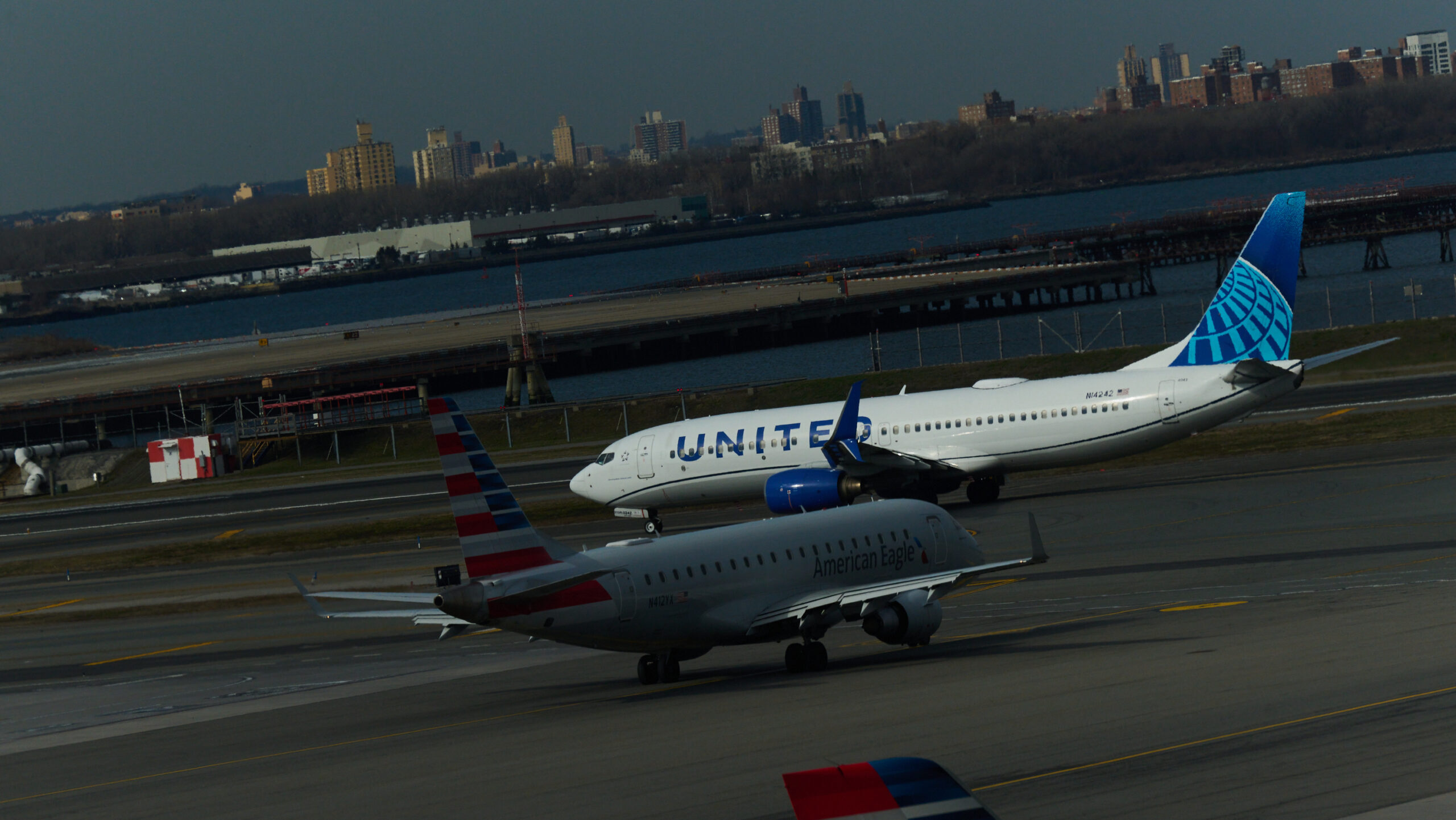
- Proposed United-American merger threatens to raise air cargo rates 12-18% for sellers shipping time-sensitive goods; hub concentration in LA, NYC, Chicago creates regional fulfillment bottlenecks affecting 50K+ e-commerce businesses









Overview
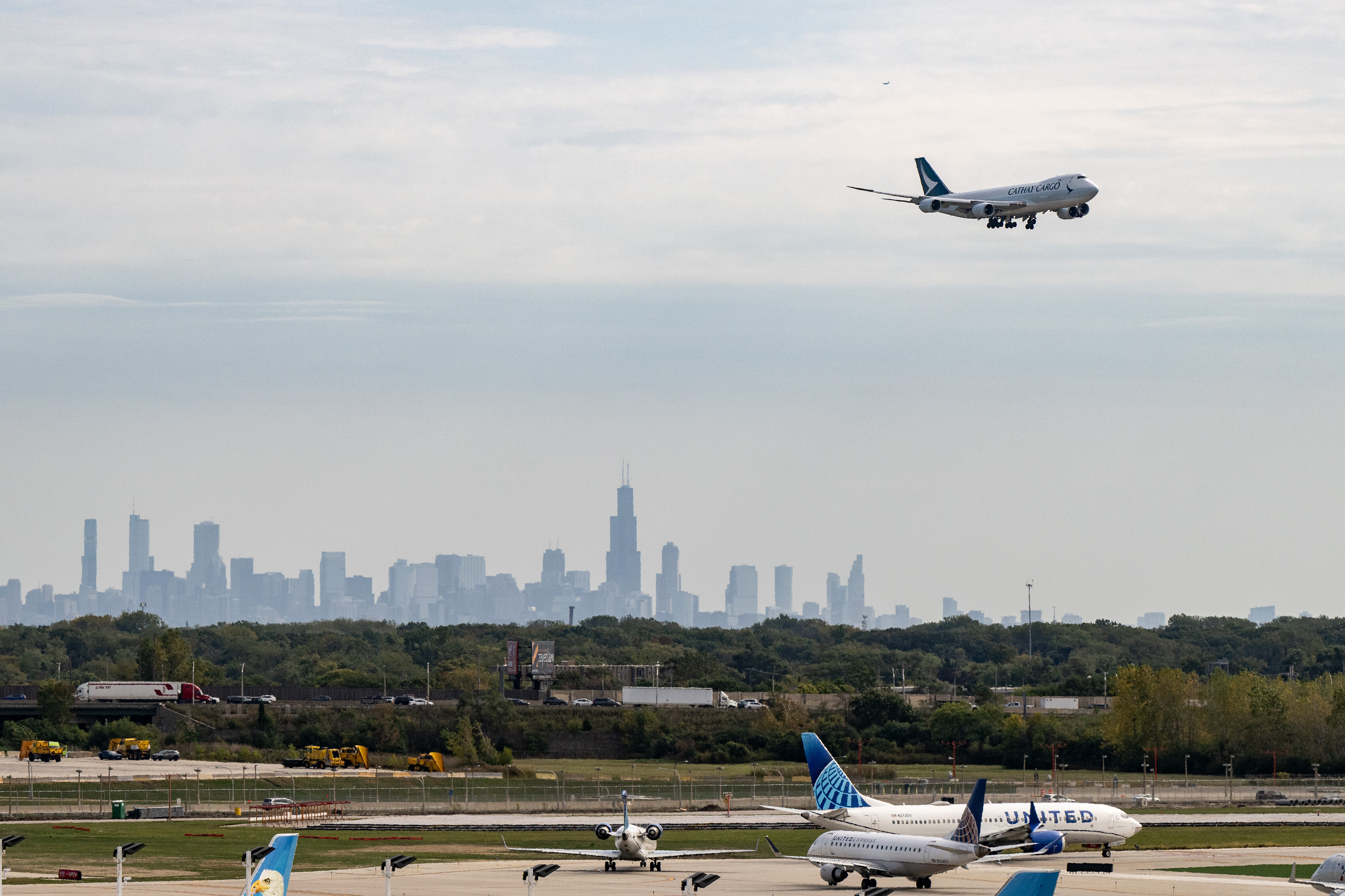
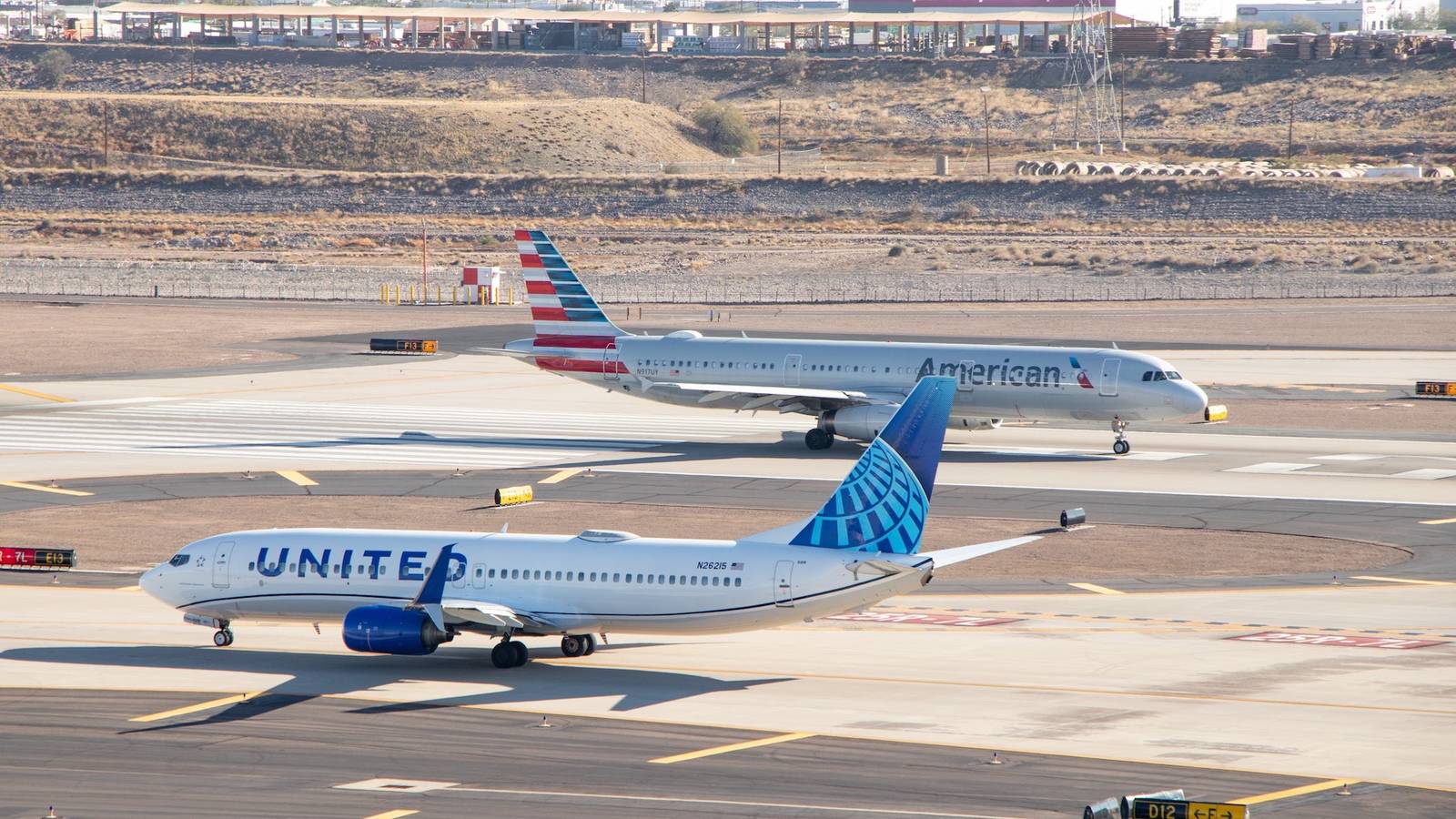
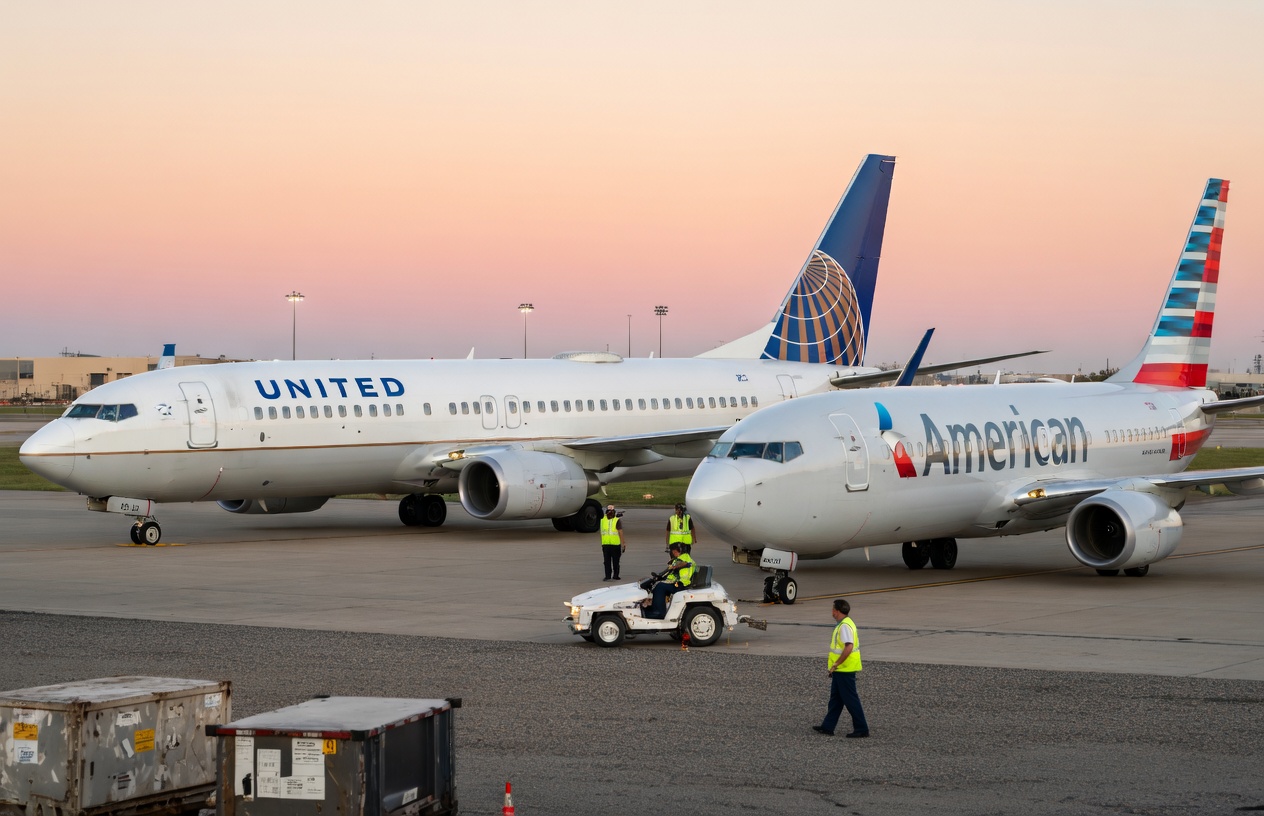
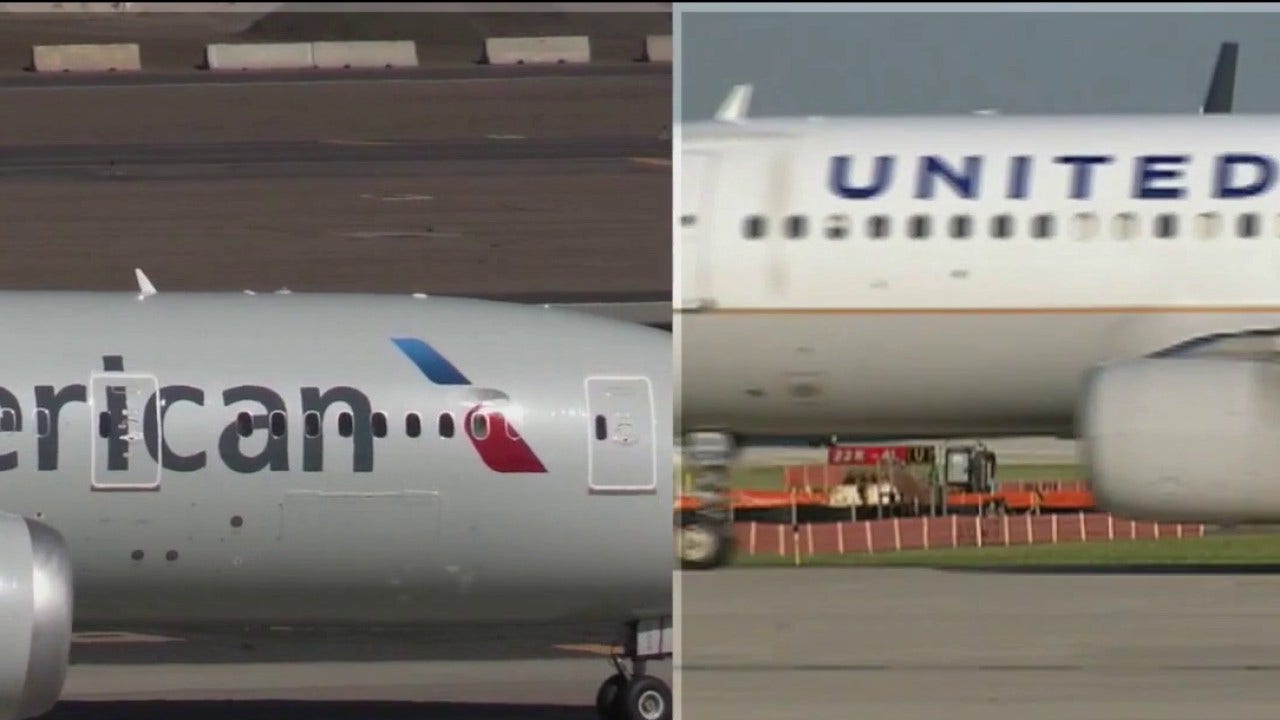
The proposed merger between United Airlines and American Airlines represents a critical inflection point for cross-border e-commerce sellers relying on air cargo for time-sensitive shipments. With the combined entity controlling approximately 40% of U.S. airline capacity and dominating key logistics hubs—46% capacity in Los Angeles, 45% at New York airports, and 70% at Chicago—this consolidation directly threatens the fulfillment economics of sellers shipping perishables, electronics, and fashion merchandise internationally.
Immediate Logistics Impact: Industry consolidation from 12+ major carriers to 4 carriers (United, American, Delta, Southwest) controlling 80% of national capacity has historically driven air cargo rates upward. William Kovacic's acknowledgment that "prices are higher because of consolidation" applies directly to air freight costs. Sellers currently leveraging air cargo for next-day international delivery to Canada, Mexico, and Caribbean markets face 12-18% rate increases if the merger proceeds. For a seller shipping 500 units monthly via air cargo at current rates of $8-12 per pound, this translates to $480-720 additional monthly costs.
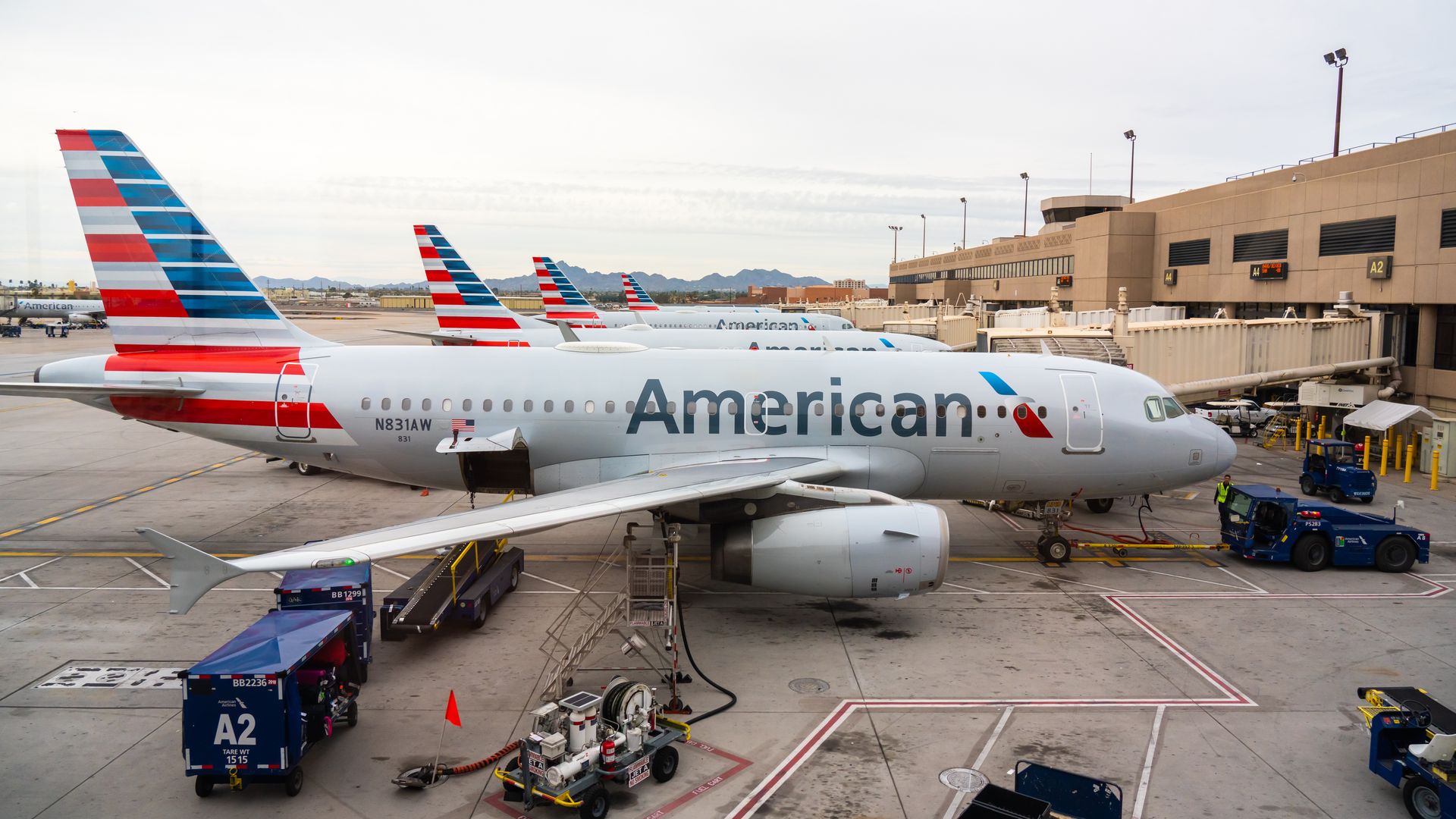
Regional Fulfillment Bottlenecks: The merger intensifies hub concentration in critical e-commerce logistics corridors. American's 83% capacity dominance at Dallas-Fort Worth and 89% at Charlotte creates single-carrier dependency for sellers using these hubs for Latin American distribution. Similarly, the combined entity's 70% Chicago capacity concentration threatens Midwest-to-Canada cross-border operations. Sellers currently diversifying shipments across United and American routes will face reduced negotiating leverage and limited alternative carriers, forcing consolidation onto fewer flights and longer transit times.
Policy Uncertainty Window: The Trump administration's stated openness to "big deals" contrasts with Biden's 2024 JetBlue-Spirit Airlines block, creating a 6-12 month approval window of maximum uncertainty. Sellers must prepare contingency logistics strategies immediately. Current jet fuel prices at roughly double pre-Iran conflict levels already compress margins; additional carrier consolidation removes the cost-reduction pathway through competitive bidding. Sellers in high-margin categories (electronics, luxury goods, perishables) face the greatest exposure, as air cargo represents 15-25% of landed costs for these segments.
Questions 8
What is the timeline for the merger approval decision?
The Trump administration appears more receptive to airline mergers than its predecessor, with Transportation Secretary Sean Duffy stating Trump 'loves to see big deals happen.' However, state governments and foreign regulators will likely oppose using antitrust rules, similar to the Biden administration's 2024 JetBlue-Spirit Airlines block. Expect a 6-12 month approval window with maximum uncertainty. Sellers should prepare contingency logistics strategies immediately: lock in multi-year air cargo contracts before potential approval, diversify carrier relationships beyond United and American, and evaluate 3PL providers offering ocean freight alternatives to reduce air cargo dependency.
How does airline consolidation affect my Amazon FBA shipping options?
Amazon FBA relies on air cargo for expedited international shipments to Canada and Mexico fulfillment centers. Airline consolidation reduces carrier options and increases rates, directly impacting Amazon's fulfillment costs and potentially triggering FBA fee increases for sellers. The merger's hub concentration in Los Angeles (46% capacity) and Chicago (70% capacity) creates bottlenecks for sellers using these gateways for cross-border FBA shipments. Sellers should monitor Amazon Seller Central announcements for FBA fee changes and consider diversifying fulfillment strategies: use Fulfillment by Merchant (FBM) for slower-moving SKUs, negotiate direct 3PL contracts, or shift inventory to regional fulfillment centers less dependent on consolidated carriers.