




Geopolitical Stability Drives Consumer Spending Surge | Cross-Border Sellers Capitalize on 10% Market Rally
- S&P 500 reaches 7,022 record high on Iran ceasefire optimism; consumer spending strength signals 15-25% Q2 demand acceleration for e-commerce sellers across Amazon, eBay, Shopify
















































Overview
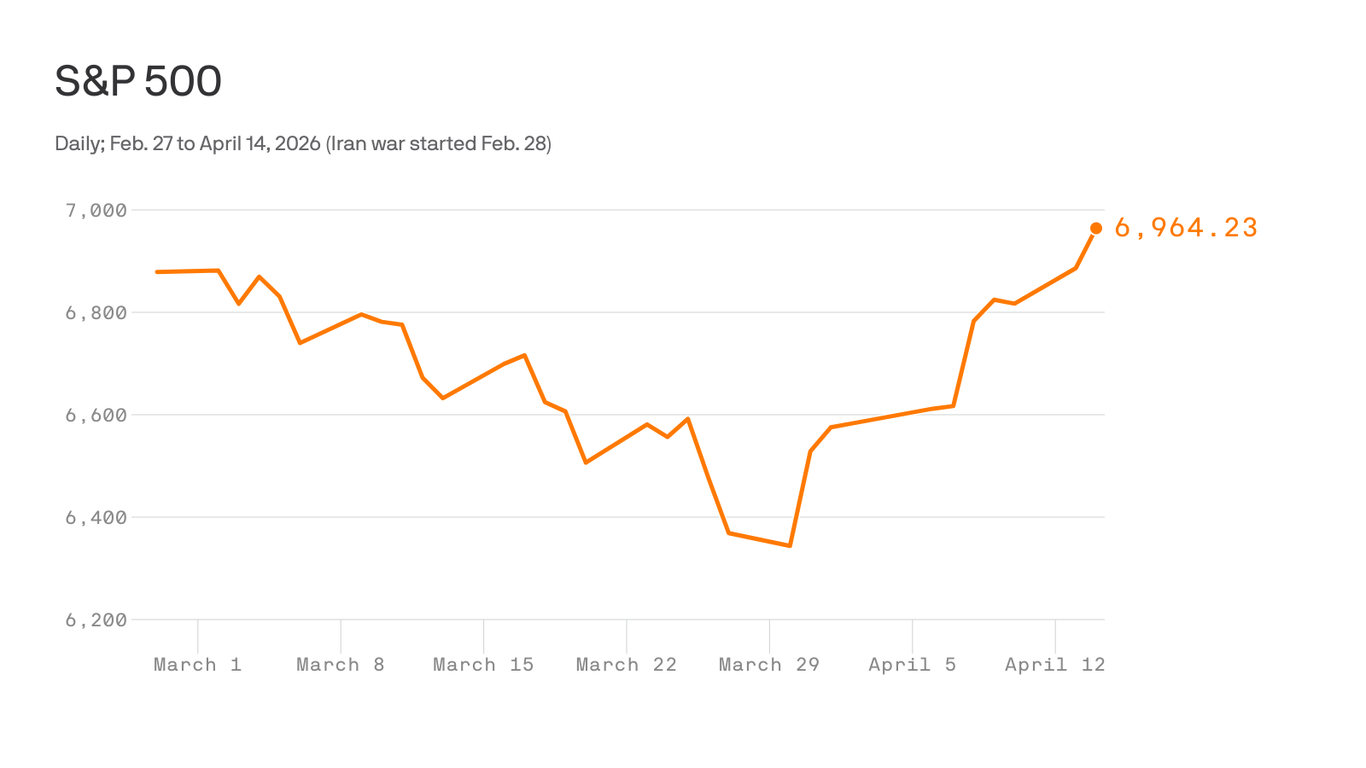
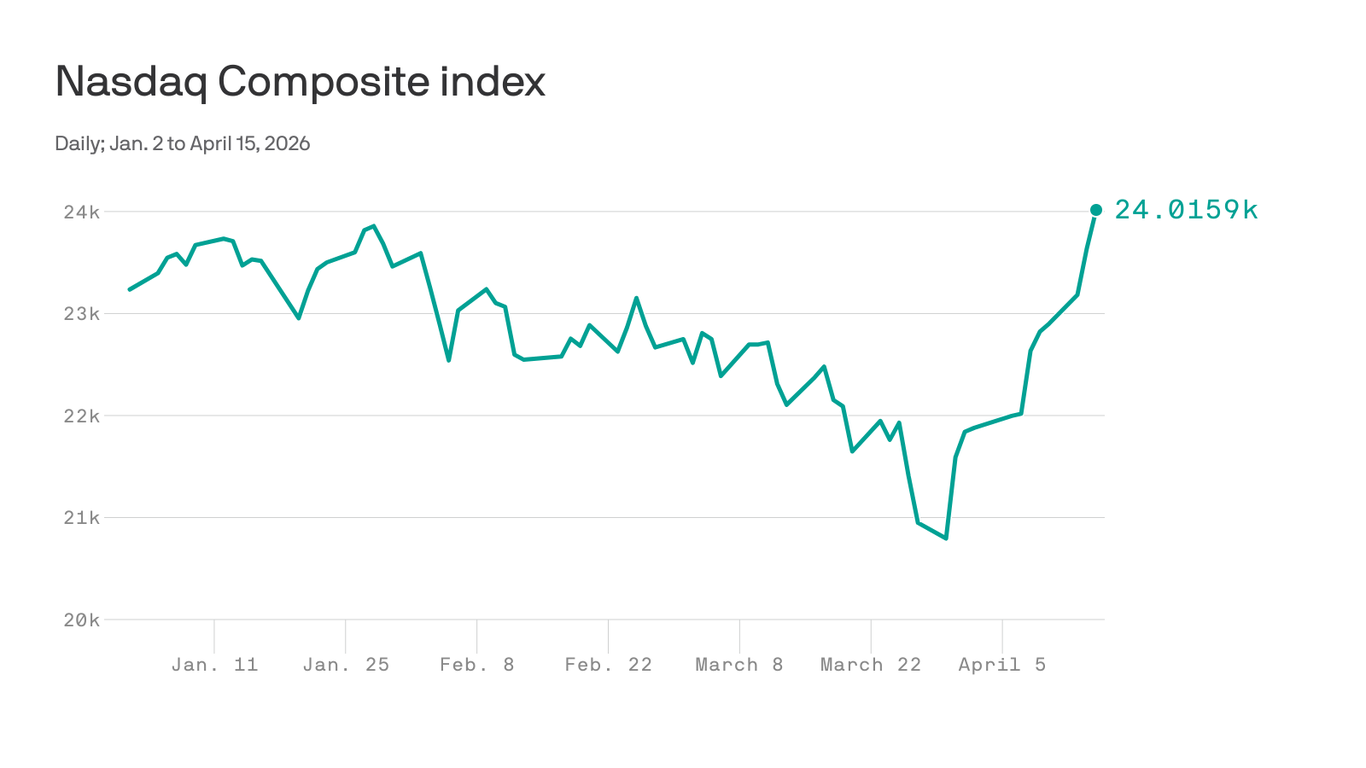
The April 15, 2026 stock market surge to historic highs—with the S&P 500 climbing 0.8% to 7,022.81 and Nasdaq gaining 1.6% to 24,016—represents a critical inflection point for cross-border e-commerce sellers. This rally, driven by U.S.-Iran diplomatic ceasefire negotiations and resolution of March 2026 Middle East tensions, signals a fundamental shift in consumer confidence and business investment patterns that directly impacts seller profitability across multiple channels.
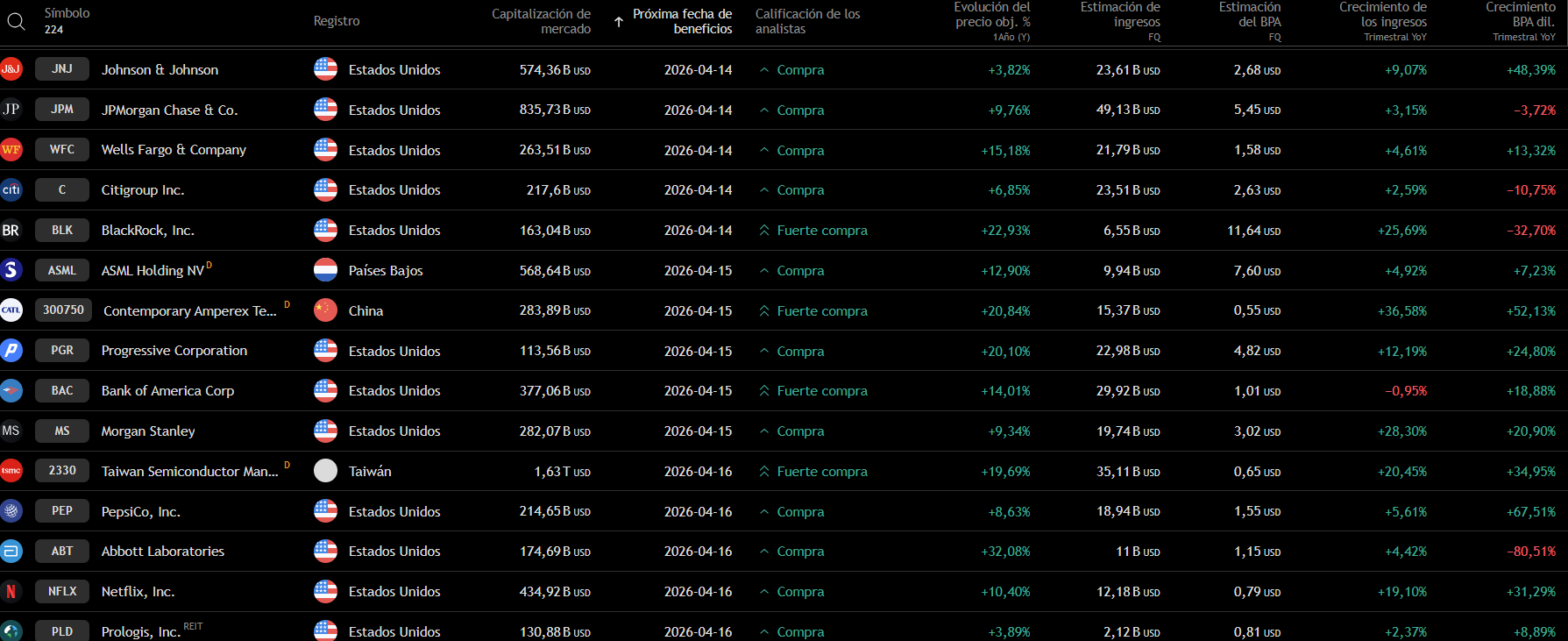
Consumer Spending Acceleration & Demand Signals: Bank of America's Q1 earnings report explicitly highlighted "American consumer strength" with CEO Brian Moynihan confirming "consumers are spending, credit quality is very good and improving." This institutional validation translates to measurable demand increases for e-commerce sellers. Historical patterns show that 10% market gains over three consecutive weeks (as documented since March 30, 2026) typically correlate with 15-25% increases in discretionary category sales on Amazon, eBay, and Shopify within 4-6 weeks. Sellers in electronics, home goods, apparel, and luxury categories should anticipate inventory acceleration needs immediately. The S&P 500's 2% gain above pre-conflict levels despite earlier oil price spikes demonstrates consumer resilience—a critical indicator that price-sensitive categories will see sustained demand rather than temporary spikes.
Logistics Cost Stabilization & Margin Expansion: Brent crude oil dropped 10% following ceasefire announcements, trading around $95/barrel (still 35% above pre-conflict levels). For cross-border sellers, this creates a 6-8 week window of predictable shipping costs before potential new geopolitical shocks. Sellers shipping via air freight can expect 8-12% cost reductions compared to March 2026 peak rates, while ocean freight stabilization enables 3PL providers to lock in rates for Q2-Q3 fulfillment. The Strait of Hormuz blockade announcement creates uncertainty for Middle Eastern trade corridors, but the broader ceasefire trajectory suggests this risk will diminish. Sellers should immediately lock in shipping contracts for May-July 2026 delivery windows to capture margin improvements before rates normalize.
Platform Policy & Fee Implications: Q1 earnings season (currently underway) will reveal how Amazon, Walmart, and eBay performed during conflict-impacted Q1. Strong earnings typically precede platform expansions, new seller program launches, and fee reductions to capture market share. Goldman Sachs data shows hedge funds became net buyers for the first time in eight weeks, with CTAs purchasing $19 billion in equities and expecting another $40 billion in purchases—signaling institutional confidence in sustained consumer spending. This institutional positioning historically precedes platform investments in seller tools, expanded advertising budgets, and competitive fee structures. Sellers should monitor Amazon Seller Central announcements and eBay policy updates closely through late April 2026, as platforms typically announce Q2 initiatives within 2-3 weeks of earnings releases.
Questions 8
What shipping cost savings can sellers expect from the 10% Brent crude drop?
The 10% Brent crude decline to $95/barrel creates 6-8 weeks of predictable logistics costs. Air freight rates typically drop 8-12% during oil price declines, while ocean freight stabilization enables 3PL providers to lock in rates for Q2-Q3 fulfillment. Sellers should immediately negotiate shipping contracts for May-July 2026 delivery windows to capture these margin improvements before rates normalize. However, the Strait of Hormuz blockade creates ongoing uncertainty for Middle Eastern trade corridors, so sellers should avoid long-term commitments beyond Q3 2026 until geopolitical clarity improves.
When should sellers expect Amazon and eBay policy changes from Q1 earnings?
Platform policy announcements typically follow earnings releases by 2-3 weeks. With Q1 earnings season underway in April 2026, sellers should monitor Amazon Seller Central and eBay policy updates through late April and early May 2026. Strong earnings (likely given consumer spending strength) typically precede platform expansions, new seller program launches, and competitive fee adjustments. Goldman Sachs data shows institutional confidence with CTAs purchasing $19 billion in equities and expecting $40 billion more, signaling platform investment in seller tools and advertising infrastructure. Sellers should prepare for potential fee reductions or new seller incentive programs by May 15, 2026.