
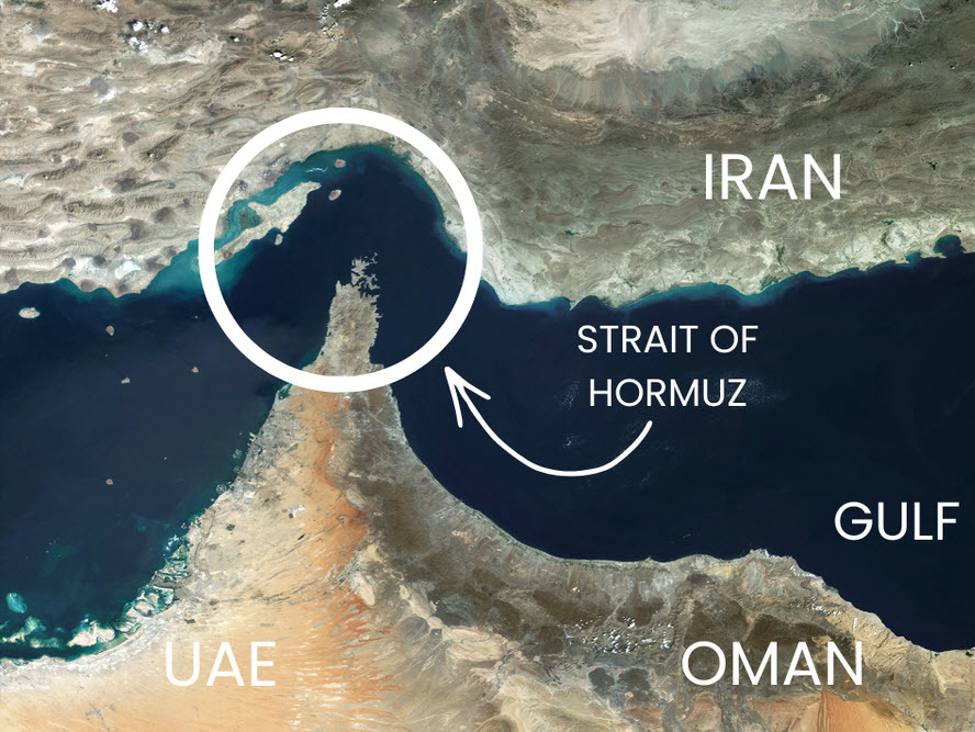




Middle East Tensions Disrupt Global Supply Chains | Sellers Face 8-12% Shipping Cost Surge
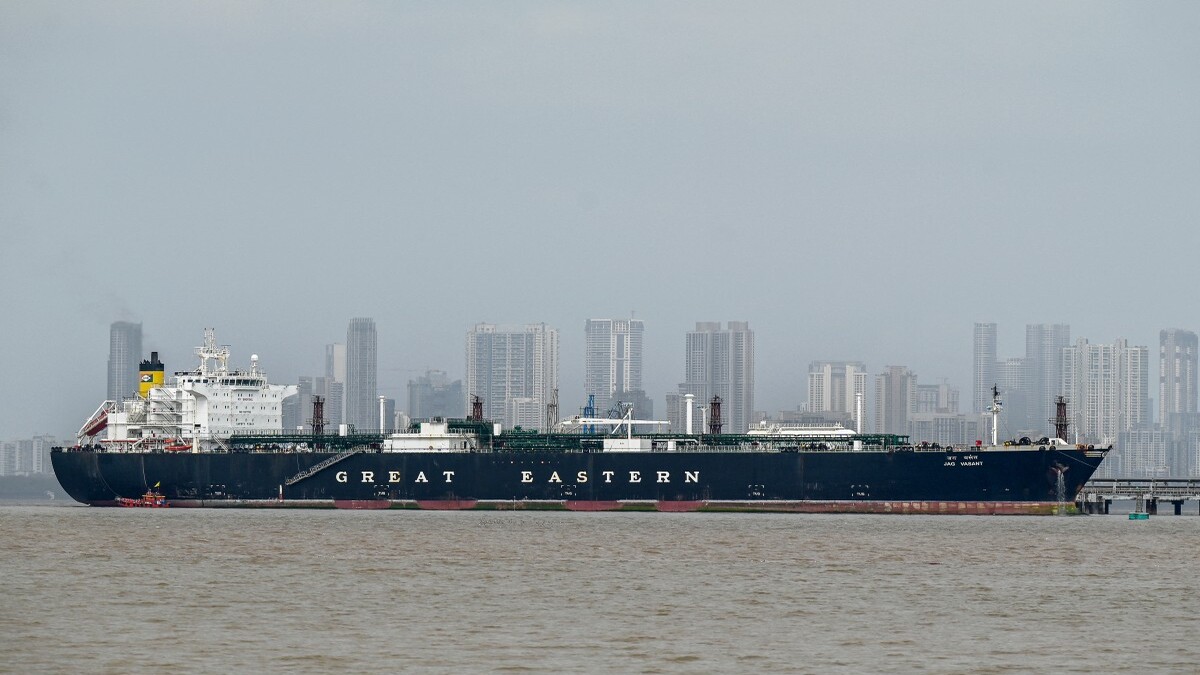
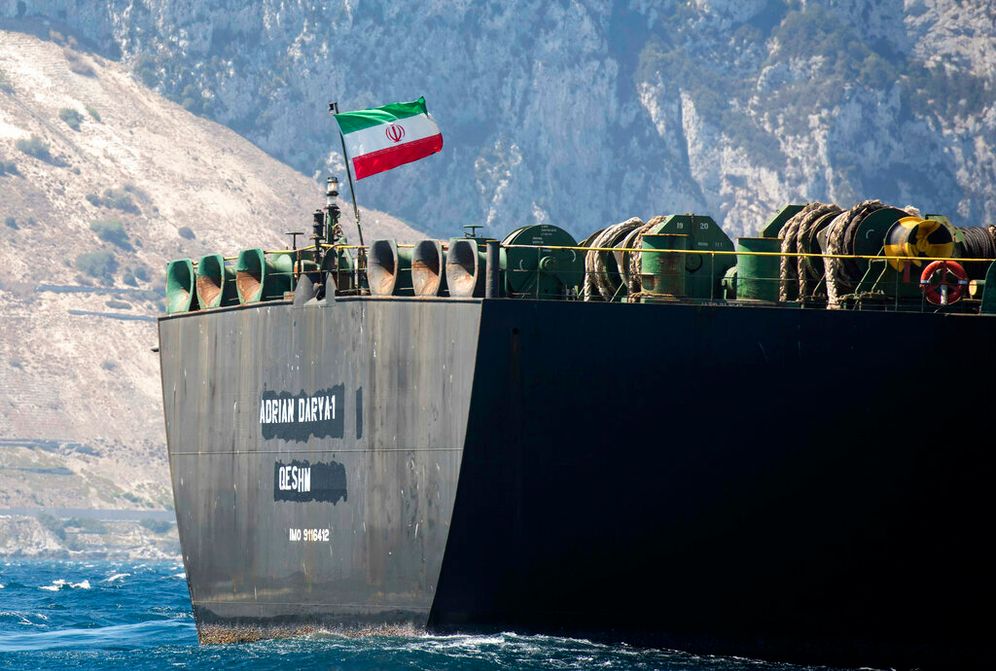
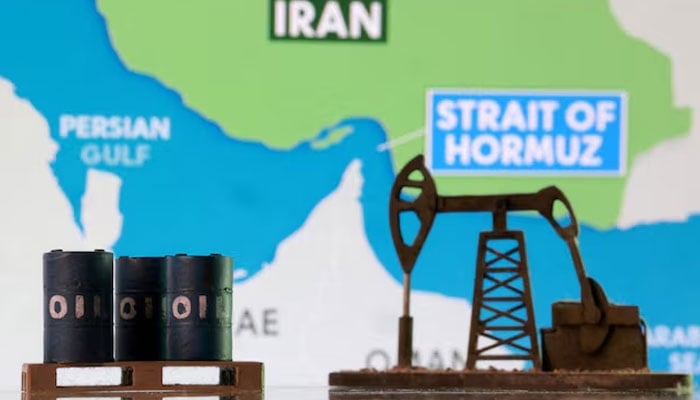
- US naval blockade at Strait of Hormuz threatens 21% of global oil transit; secondary sanctions risk payment processing for 50K+ cross-border sellers using Middle Eastern logistics hubs



















)












































)










Overview
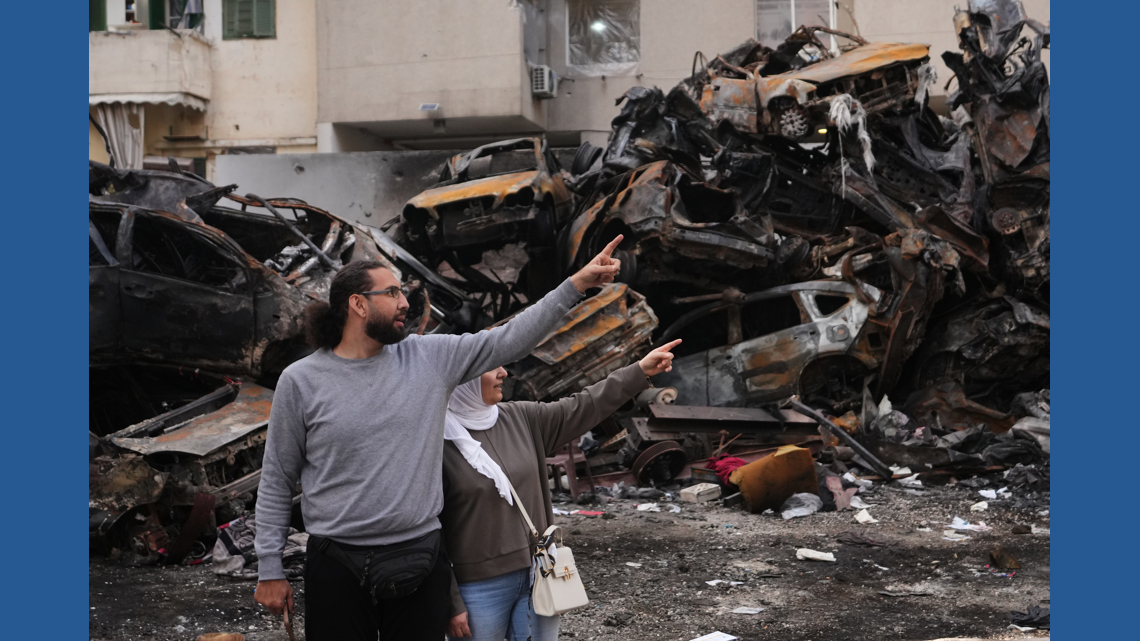
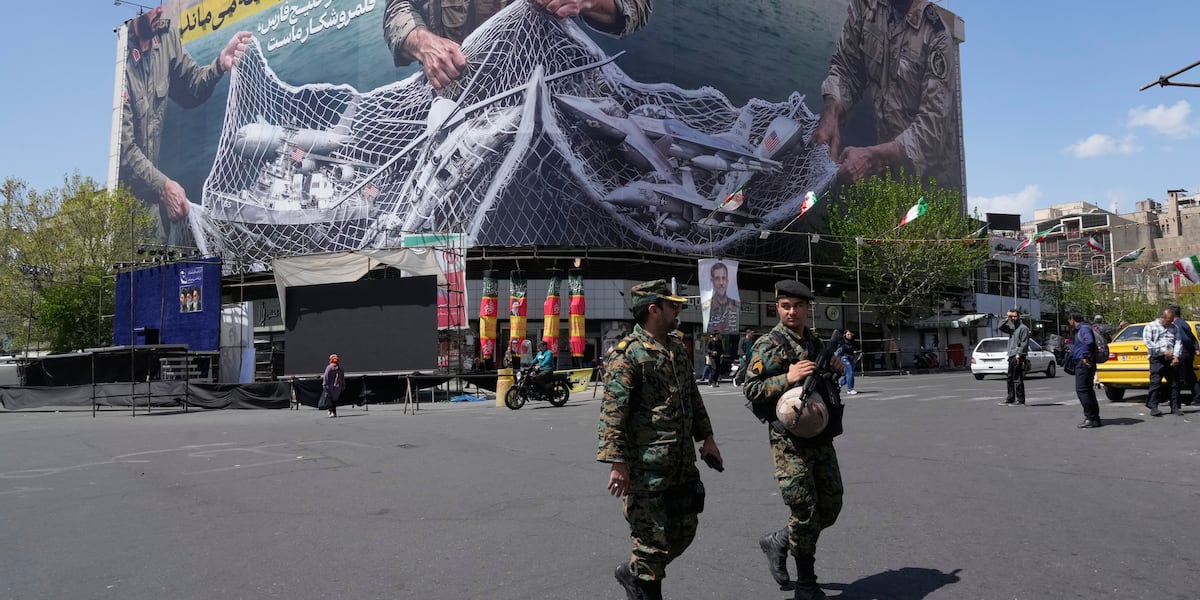
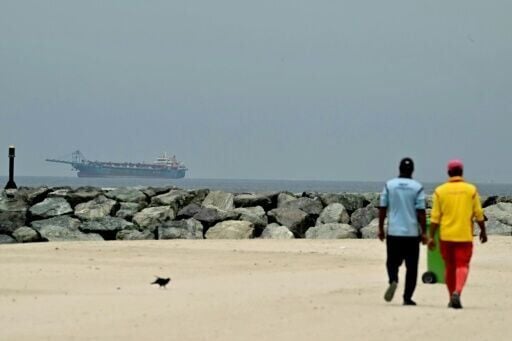
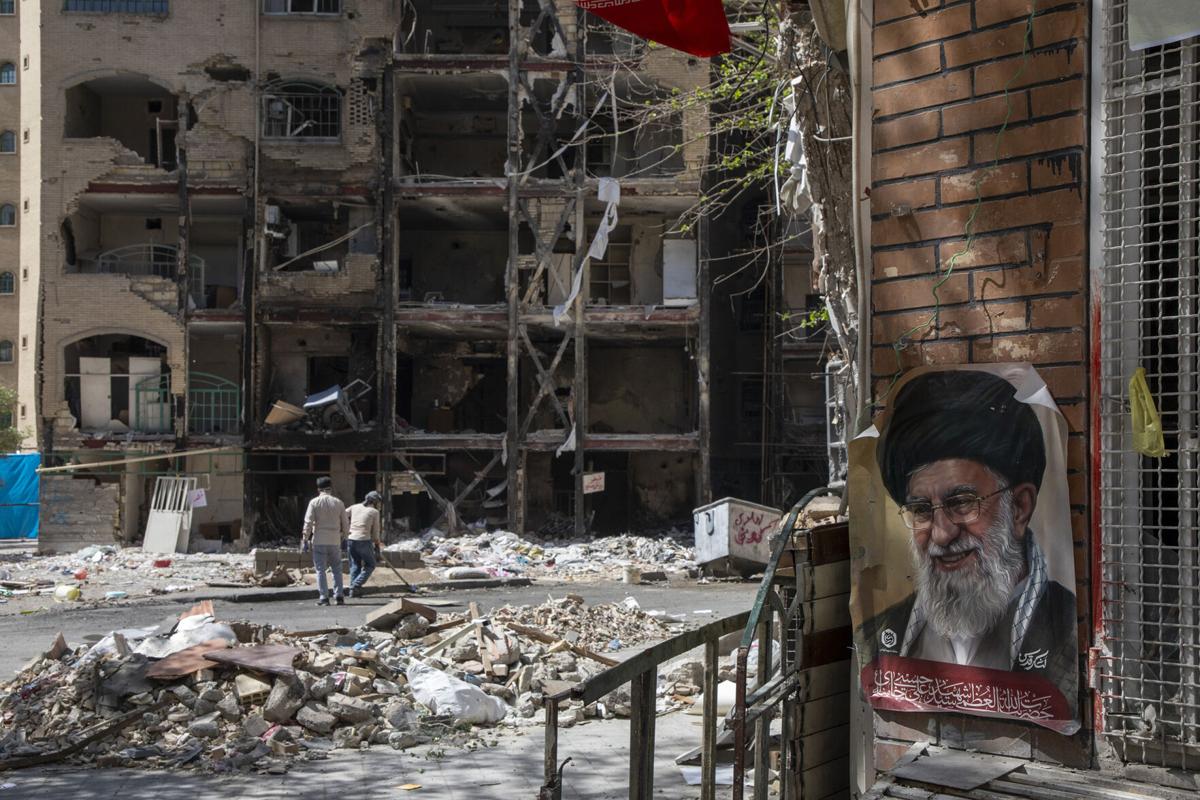
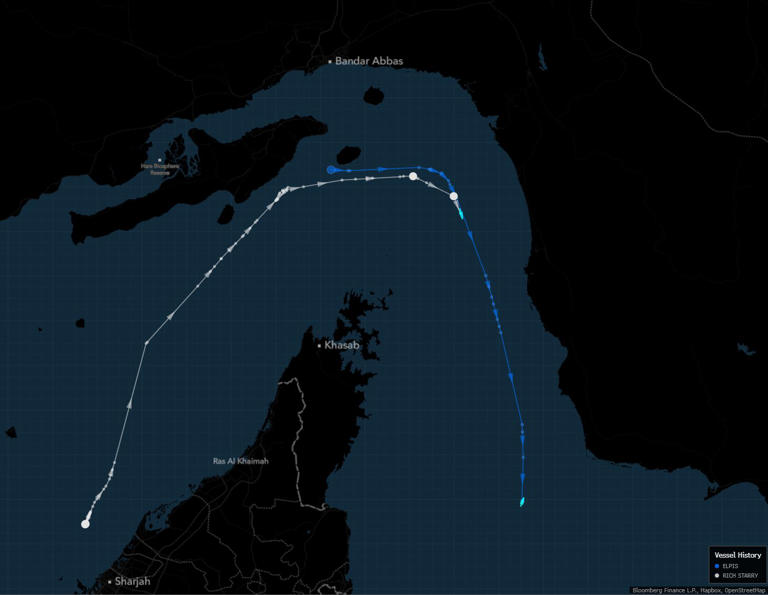
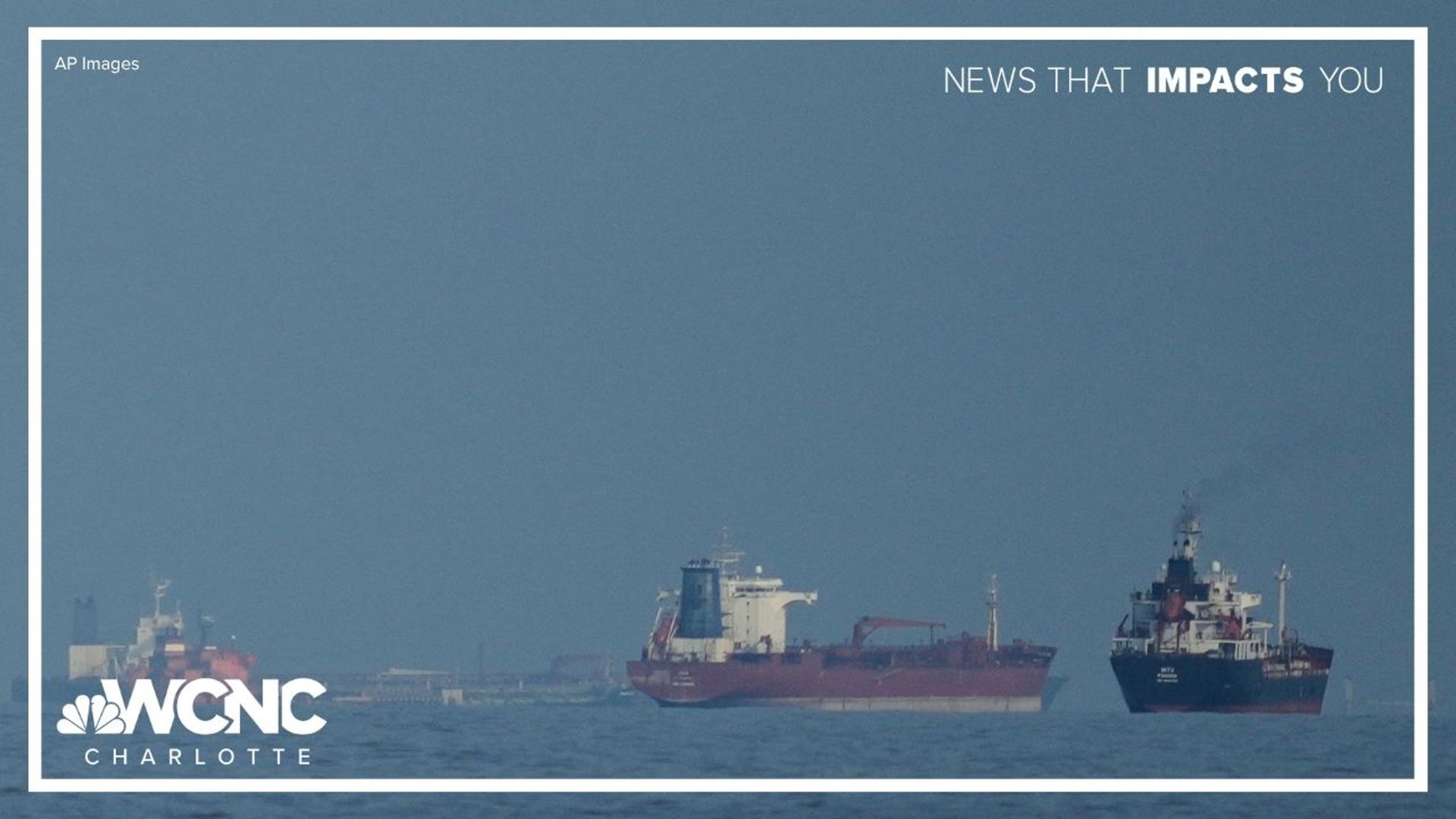
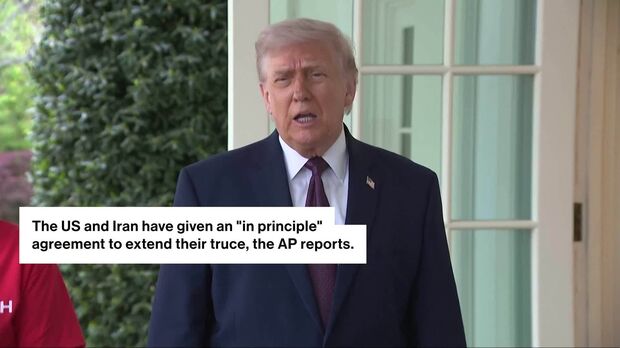
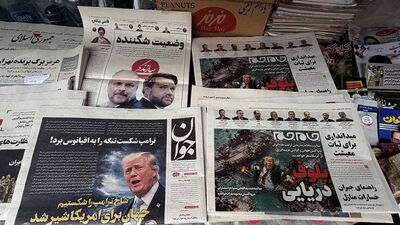
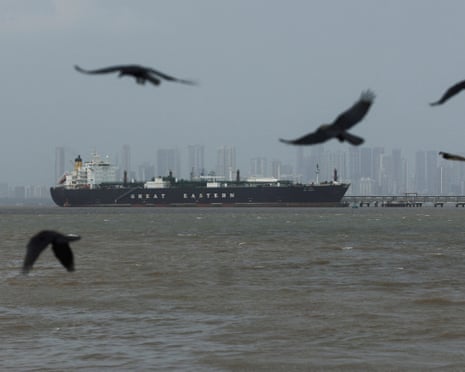
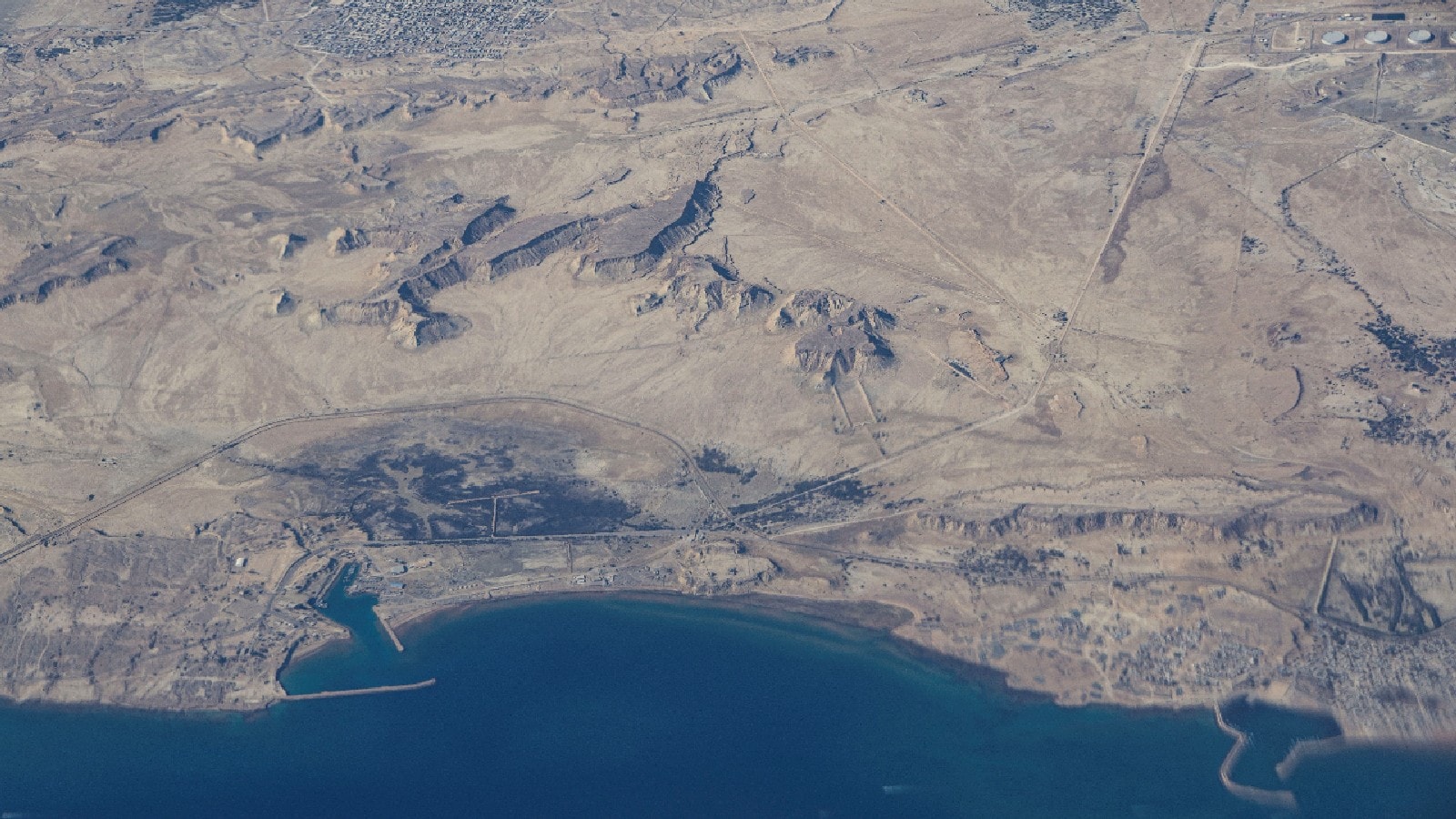
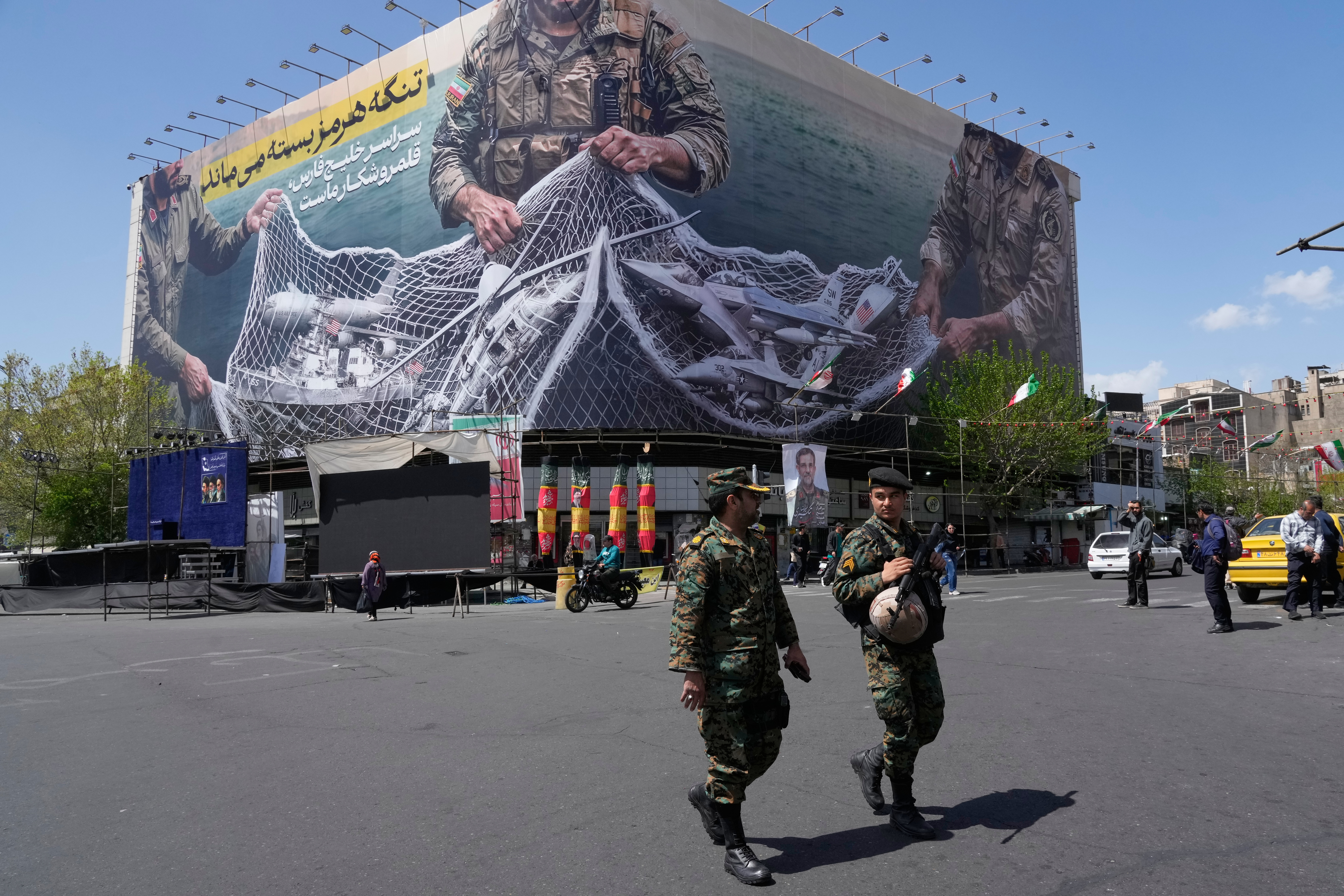
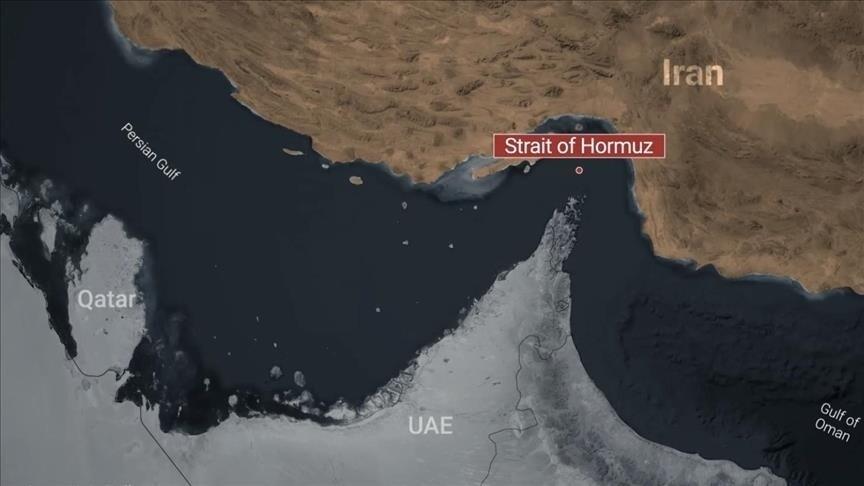
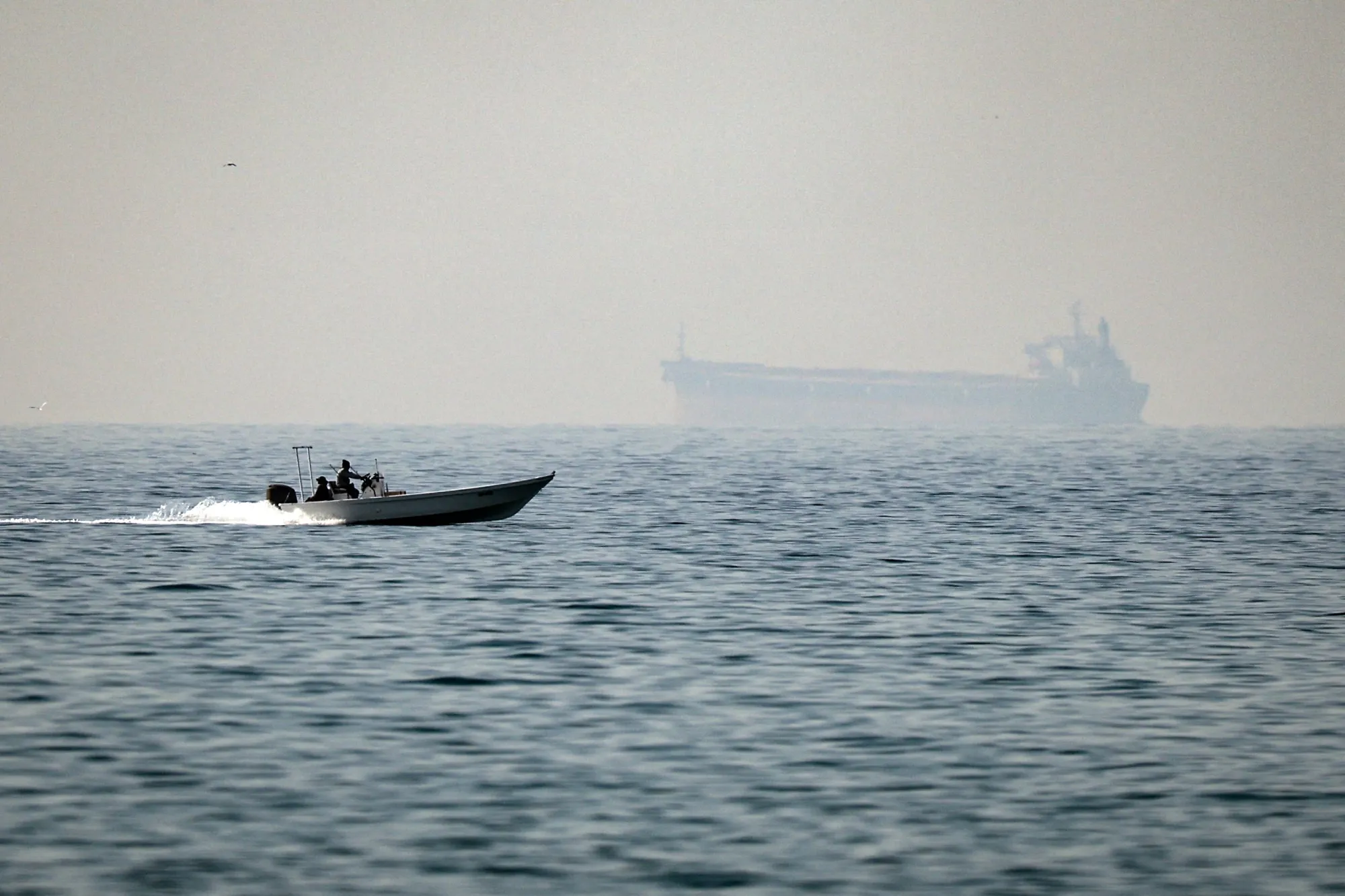
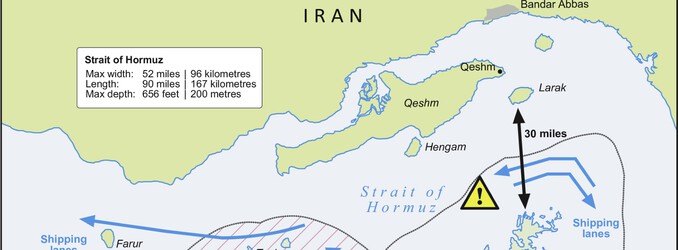
The escalating US-Iran tensions and implementation of a US naval blockade at the Strait of Hormuz represent a critical supply chain disruption for cross-border e-commerce sellers. The blockade has already turned back nine ships attempting to cross this vital corridor, which handles approximately 21% of global petroleum transit and serves as a primary shipping route for goods from Asia to Europe and North America. Treasury Secretary Scott Bessent's announcement of secondary sanctions on companies and countries purchasing Iranian oil or holding Iranian assets creates immediate payment processing risks for sellers using financial institutions with Middle Eastern exposure.
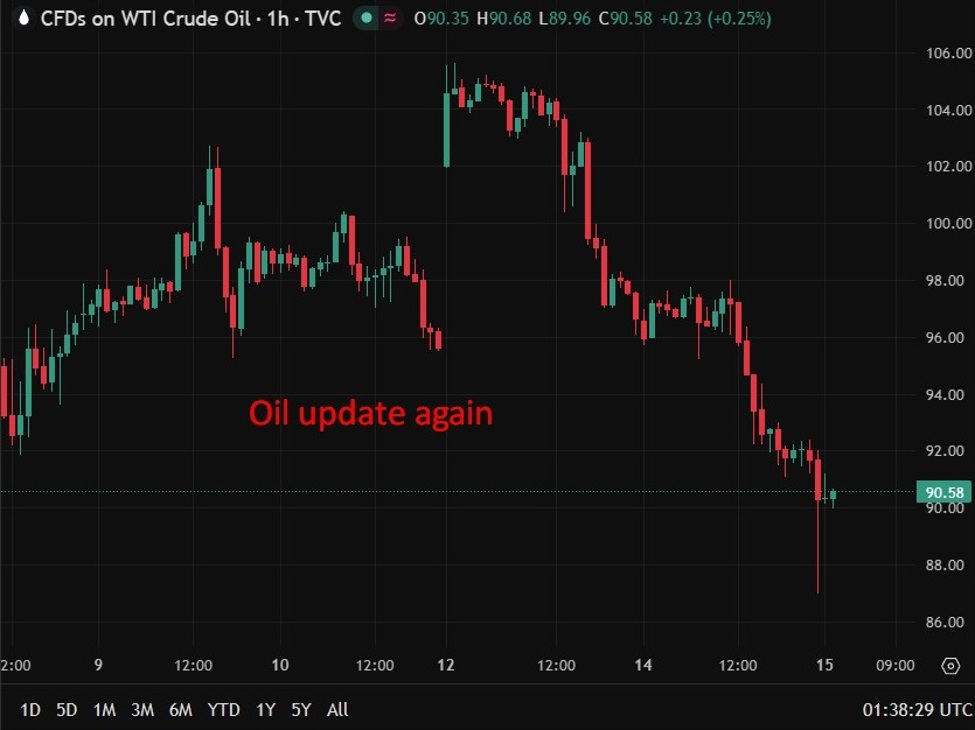
Direct Operational Impact on Sellers: Oil prices hovering around $95 per barrel directly inflate shipping costs across all international logistics corridors. Sellers shipping 1,000+ units monthly via ocean freight can expect 8-12% cost increases within 30-60 days as fuel surcharges compound. The uncertainty surrounding ceasefire negotiations—with talks scheduled for a second round in Islamabad but no confirmed extension beyond April 22—creates unpredictable logistics delays. Sellers relying on Chinese suppliers or using Middle Eastern shipping hubs (Dubai, Port Said) face potential 2-4 week delays as carriers reroute around the Strait of Hormuz, adding $200-400 per 40-foot container to shipping costs through alternative routes via the Cape of Good Hope.
Secondary Sanctions Compliance Risk: The Treasury Department's preparation for secondary sanctions threatens financial institutions processing transactions with Iranian entities or their partners. Sellers using payment processors with Middle Eastern operations or those sourcing from suppliers with Iranian connections face account freezes and transaction blocks. This particularly affects sellers in electronics, machinery, and automotive parts categories that historically source from Iran-adjacent suppliers in the UAE and Turkey. The compliance complexity score for affected sellers is high—requiring immediate audit of supplier networks and payment processor exposure.
Strategic Sourcing Implications: Sellers should immediately evaluate supply chain concentration in affected regions. Those sourcing 30%+ of inventory from China via Middle Eastern ports should consider alternative routing through Southeast Asian ports (Singapore, Port Klang) or air freight for high-margin items. The competitive advantage shifts toward sellers with diversified sourcing—those with suppliers in Vietnam, India, and Indonesia can maintain cost stability while China-dependent competitors face margin compression. The timing window is critical: sellers have 30-45 days before secondary sanctions implementation to restructure payment flows and logistics networks.
Questions 8
What is the timeline for these shipping disruptions and when should I act?
The ceasefire negotiations are scheduled for extension beyond April 22, with a second round in Islamabad. However, the US naval blockade is already active—nine ships have been turned back from the Strait of Hormuz. Secondary sanctions are in preparation phase, with implementation likely within 30-45 days. Sellers should act immediately: (1) Lock in shipping rates with 3PL providers within 7 days, (2) Audit supplier networks and payment processor exposure within 14 days, (3) Implement alternative sourcing arrangements within 30 days. The uncertainty window is critical—Trump predicted resolution within days, but military escalation continues, making the 30-45 day window your safest planning horizon.
Which product categories are most vulnerable to Middle East supply chain disruptions?
Electronics, machinery, automotive parts, and industrial equipment face the highest vulnerability due to historical sourcing patterns through Iran-adjacent suppliers in the UAE and Turkey. These categories typically source 25-40% of components through Middle Eastern distribution hubs. Consumer goods, apparel, and home products have more diversified sourcing and face lower risk. Sellers in vulnerable categories should prioritize supply chain audits and alternative sourcing within 14 days. The margin impact varies: electronics sellers may see 5-8% cost increases, while machinery sellers could face 12-15% increases due to longer lead times and alternative routing premiums.