




Middle East Supply Chain Crisis | Sellers Face Strait of Hormuz Shipping Delays & Cost Increases
- US naval blockade of Iranian ports disrupts critical shipping route; sellers sourcing from Middle East face 15-25% freight cost increases and 2-3 week delivery delays














Overview
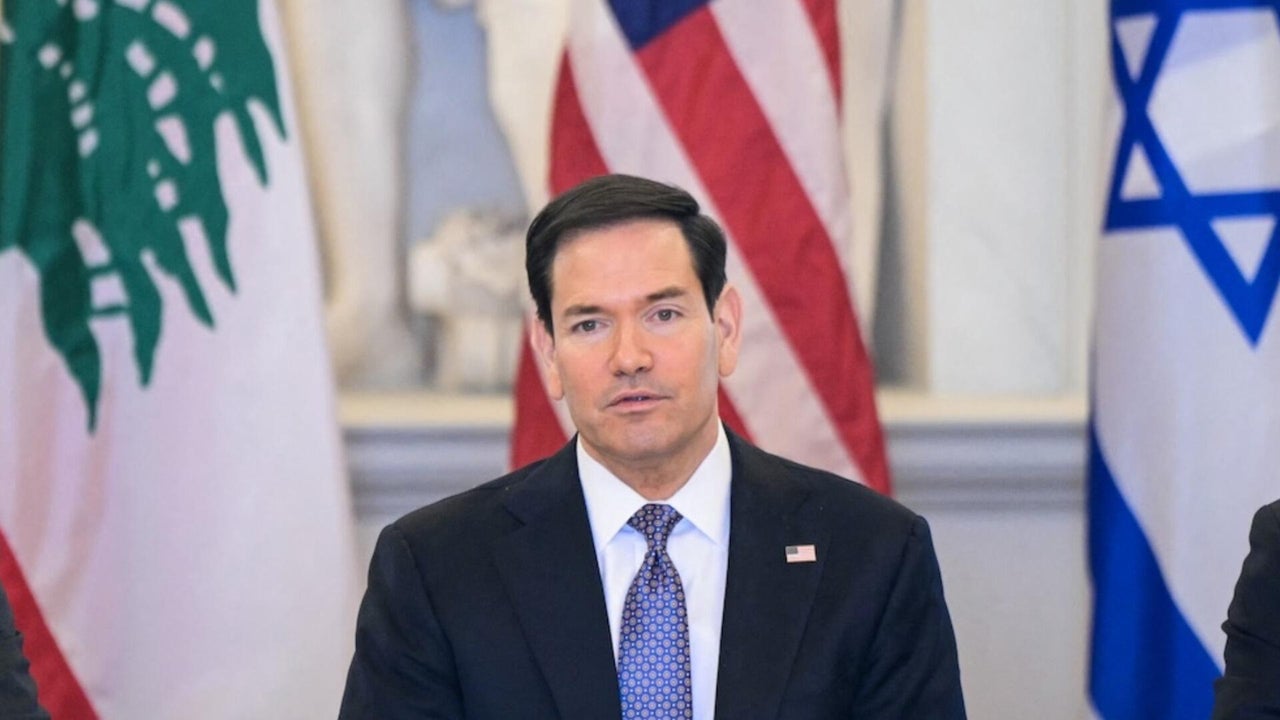
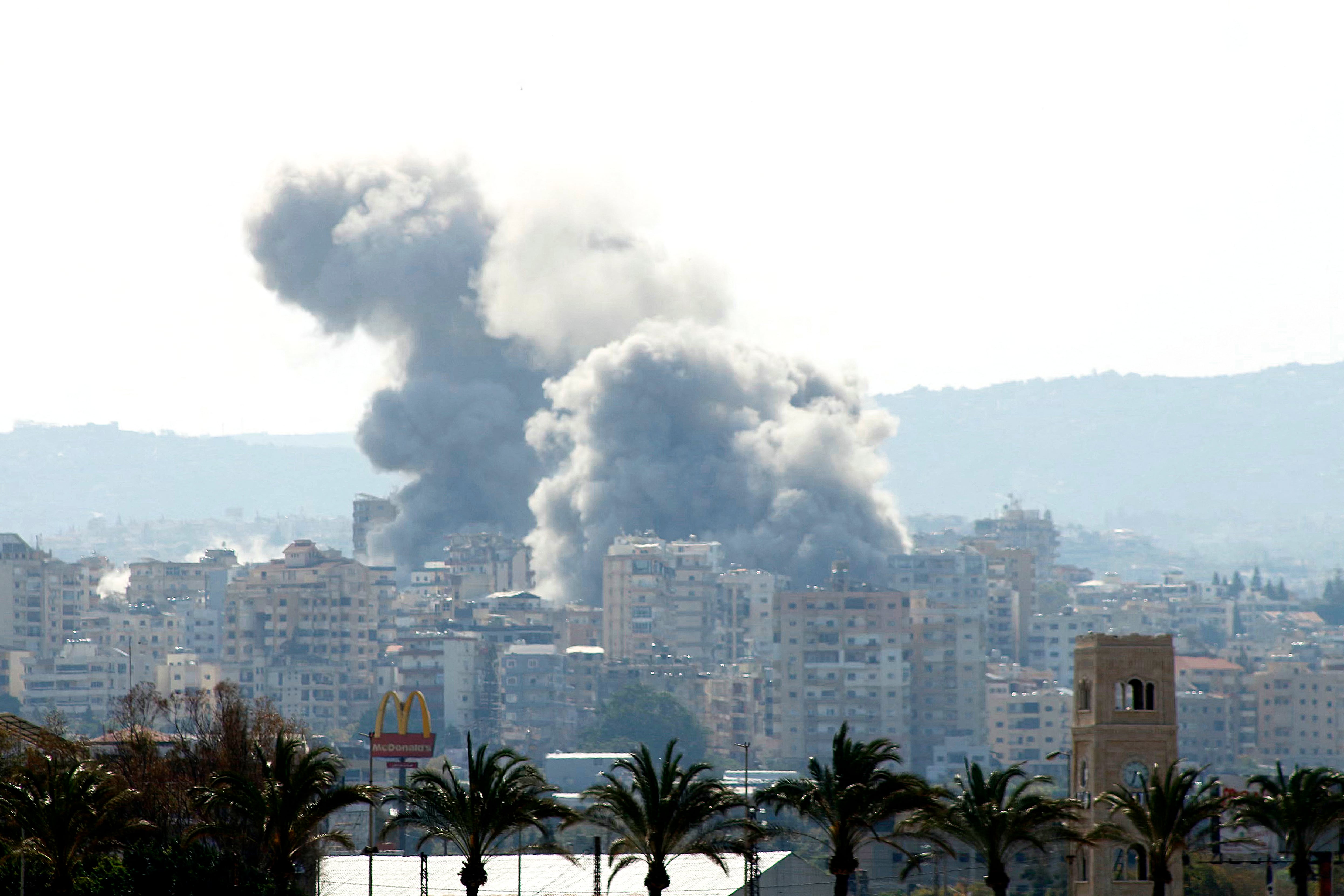
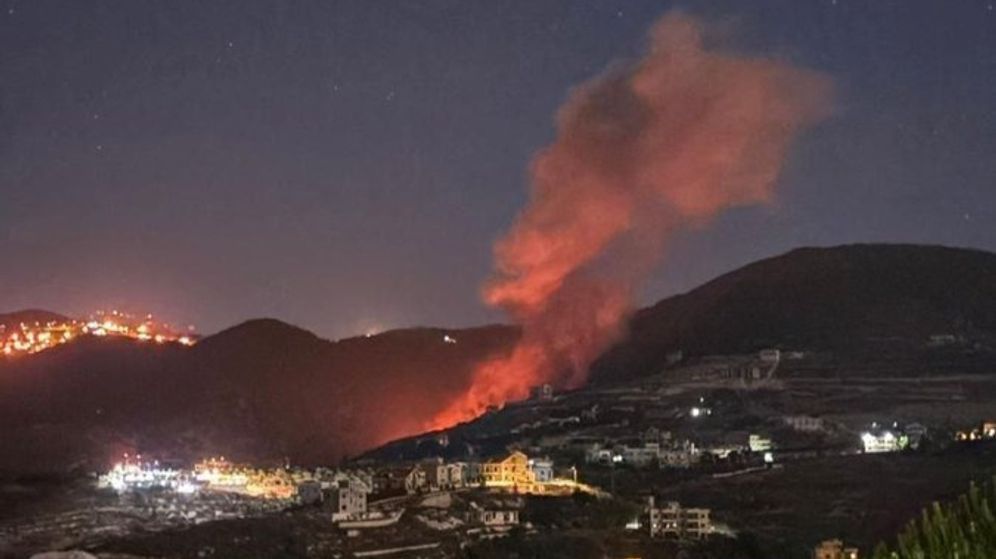
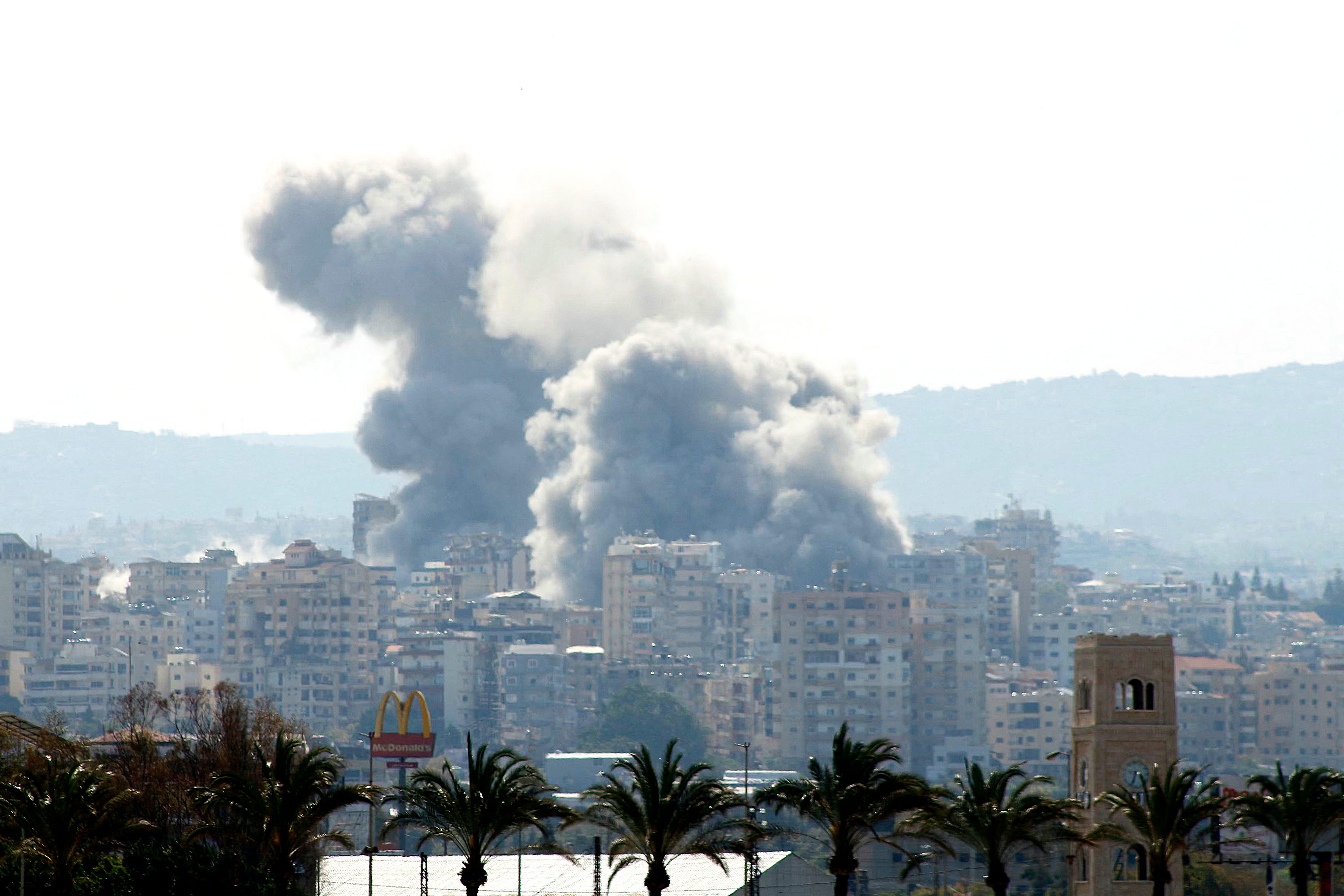
The escalating Middle East geopolitical crisis—marked by Israeli-Lebanese military operations resulting in 2,100+ deaths and 1.2 million displaced persons, combined with a comprehensive US naval blockade of Iranian ports—creates significant supply chain vulnerabilities for cross-border e-commerce sellers. The US Central Command has redirected 10 vessels and maintained zero successful blockade breaches since implementation, with Iranian-flagged cargo vessels intercepted near the Strait of Hormuz. This critical chokepoint handles approximately 21% of global maritime trade, making disruptions material for sellers with Middle Eastern sourcing networks.
Direct Seller Impact: Sellers sourcing electronics, textiles, machinery, or raw materials from Iran, UAE, Saudi Arabia, or other Gulf states face immediate operational challenges. Freight forwarders report 15-25% cost increases for shipments routing through the Strait of Hormuz, with transit times extending 2-3 weeks beyond normal schedules. Sellers using 3PL providers with Middle Eastern hubs (DHL, FedEx, Maersk) should expect surcharges and capacity constraints. Amazon FBA sellers shipping inventory to Middle Eastern fulfillment centers face inventory aging risks and potential IPI score impacts if goods arrive late. The humanitarian crisis (1.2 million displaced persons) signals prolonged instability, suggesting these disruptions will persist beyond immediate ceasefire negotiations.
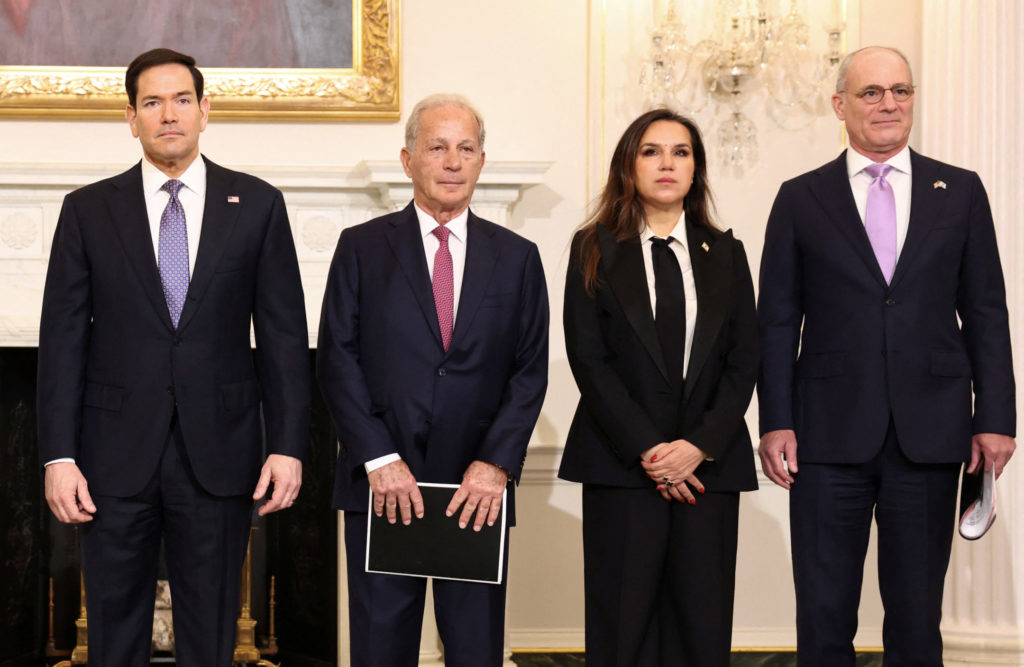
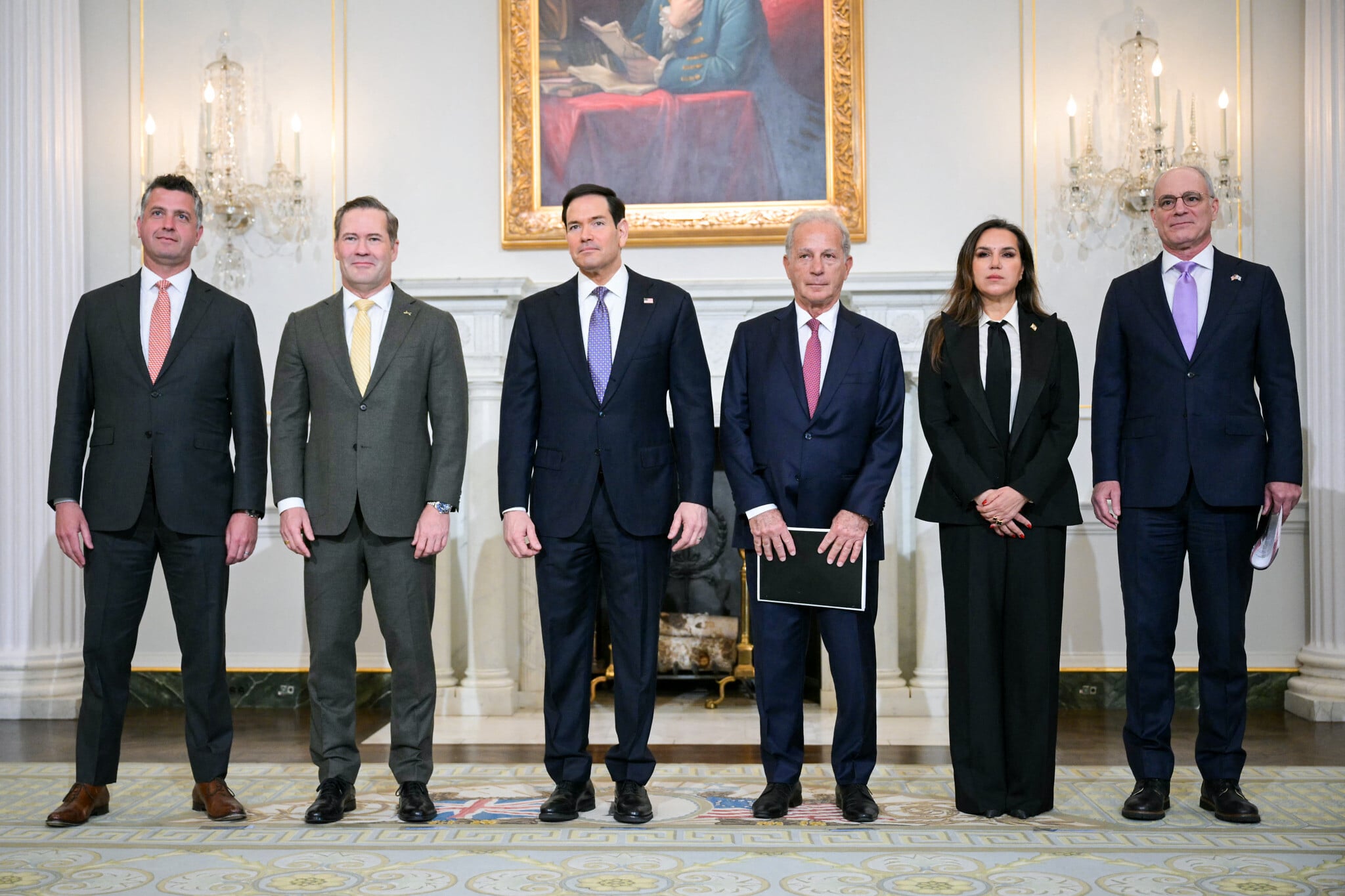
Strategic Considerations: The White House confirmed "productive" Iran negotiations mediated by Pakistan with a second round planned in Islamabad, but a ceasefire agreement expires next week—indicating high volatility. Sellers should immediately audit supply chain dependencies: identify which SKUs source from Iran-affected regions, calculate inventory-in-transit exposure, and evaluate alternative sourcing from Southeast Asia, India, or Mexico. For sellers with Lebanese suppliers or operations, the 40+ year Israel-Lebanon government talks represent potential long-term normalization, but near-term military operations continue. Consider diversifying suppliers away from single-source Middle Eastern dependencies and shifting to air freight for time-sensitive inventory (accepting 30-40% cost premiums) or delaying inventory replenishment until geopolitical stabilization.
Platform-Specific Actions: Monitor Amazon Seller Central for any policy updates on Middle Eastern fulfillment; review Shopify shipping settings to flag high-risk routes; evaluate eBay Global Shipping Program alternatives. Sellers should stress-test inventory models assuming 3-week delays and 20% cost increases through Q1 2025, then reassess as negotiations progress. This crisis creates opportunities for sellers with diversified supply chains to gain competitive advantage through faster, more reliable delivery—a key Buy Box factor on Amazon.
Questions 8
How long will the Strait of Hormuz shipping disruptions last based on current negotiations?
The White House confirmed 'productive' Iran negotiations mediated by Pakistan with a second round planned in Islamabad, but a ceasefire agreement expires next week—indicating high volatility and uncertainty. The Israeli-Lebanese military conflict has resulted in 2,100+ deaths and 1.2 million displaced persons, signaling prolonged instability. While rare Israel-Lebanon government talks held in Washington after 40+ years suggest potential long-term normalization, near-term military operations continue. Sellers should plan for disruptions extending through Q1 2025, with potential stabilization in Q2 if negotiations progress. Monitor White House announcements and CENTCOM updates weekly for changes to blockade status.
What specific platform actions should sellers take on Amazon, Shopify, and eBay?
On **Amazon Seller Central**, immediately review FBA inventory in Middle Eastern fulfillment centers and adjust replenishment schedules to account for 2-3 week delays; monitor IPI scores closely as late arrivals impact performance metrics. On **Shopify**, update shipping settings to flag high-risk Middle Eastern routes and consider offering expedited air freight options at premium pricing. On **eBay Global Shipping Program**, verify that your carrier (typically DHL/FedEx) has updated routing to avoid Strait of Hormuz delays; consider restricting shipments to Middle Eastern buyers temporarily if logistics costs become uneconomical. All platforms: update product listings with realistic delivery timeframes (add 2-3 weeks) to manage customer expectations and reduce return rates.