



Middle East Supply Chain Crisis | Sellers Face Strait of Hormuz Shipping Delays
- US naval blockade of Iranian ports disrupts global shipping; sellers sourcing from Middle East face 15-25% transit time increases and rising logistics costs










Overview
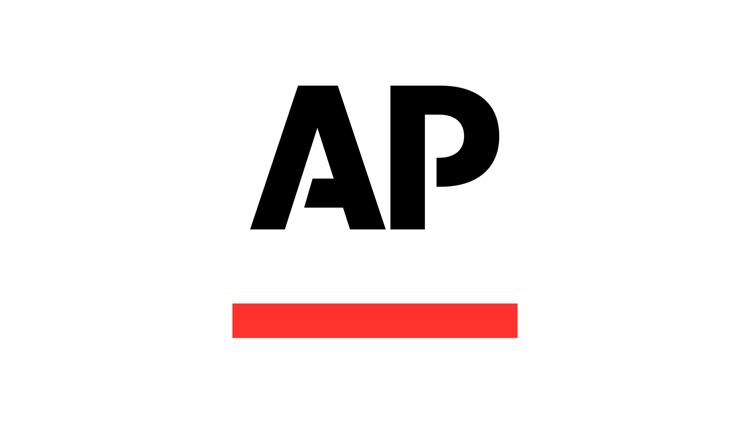
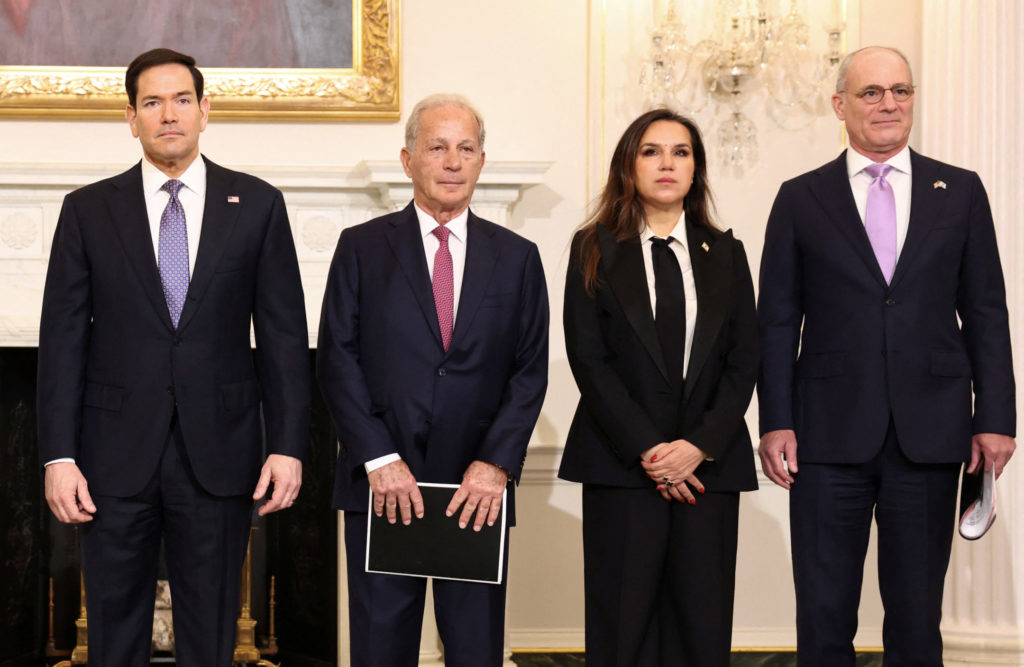
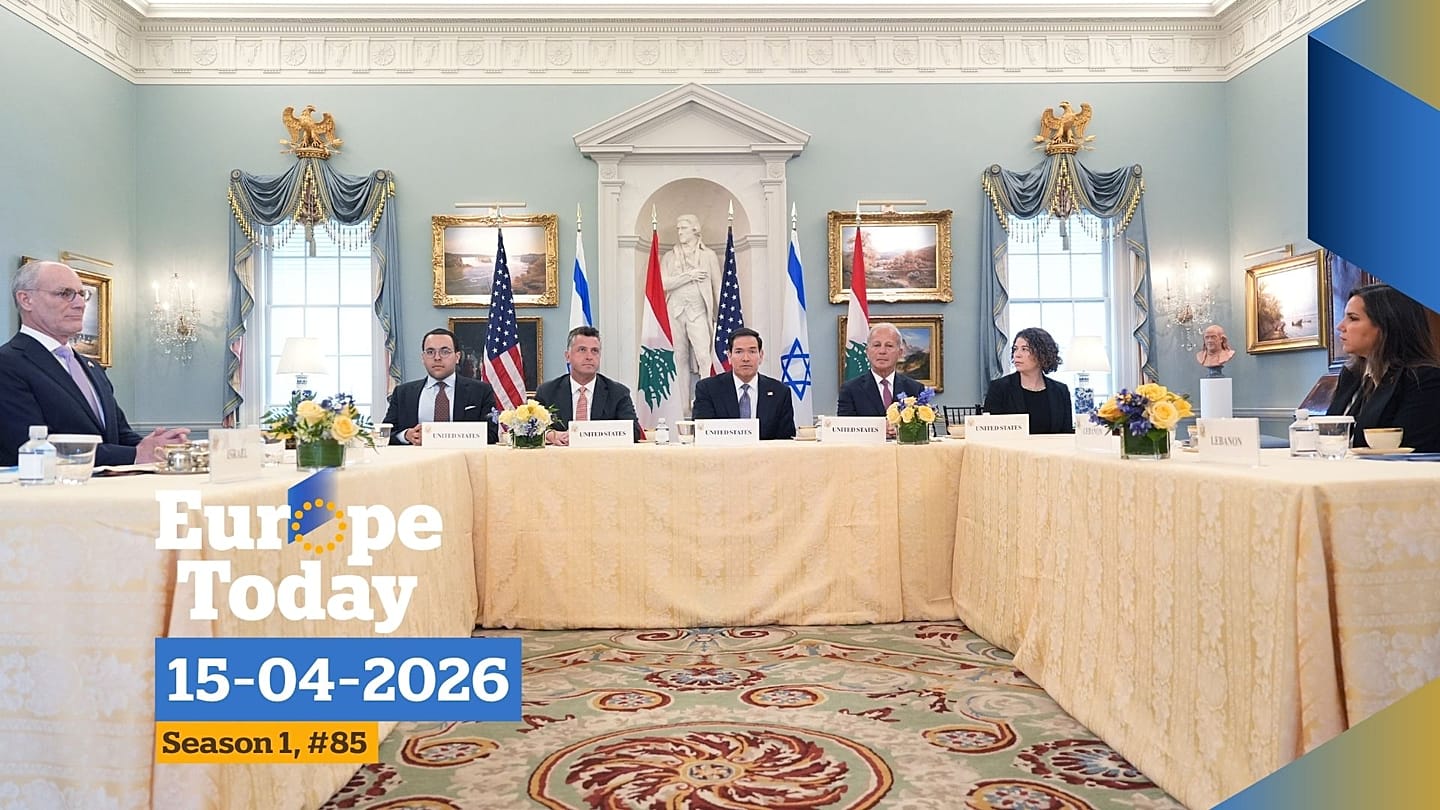
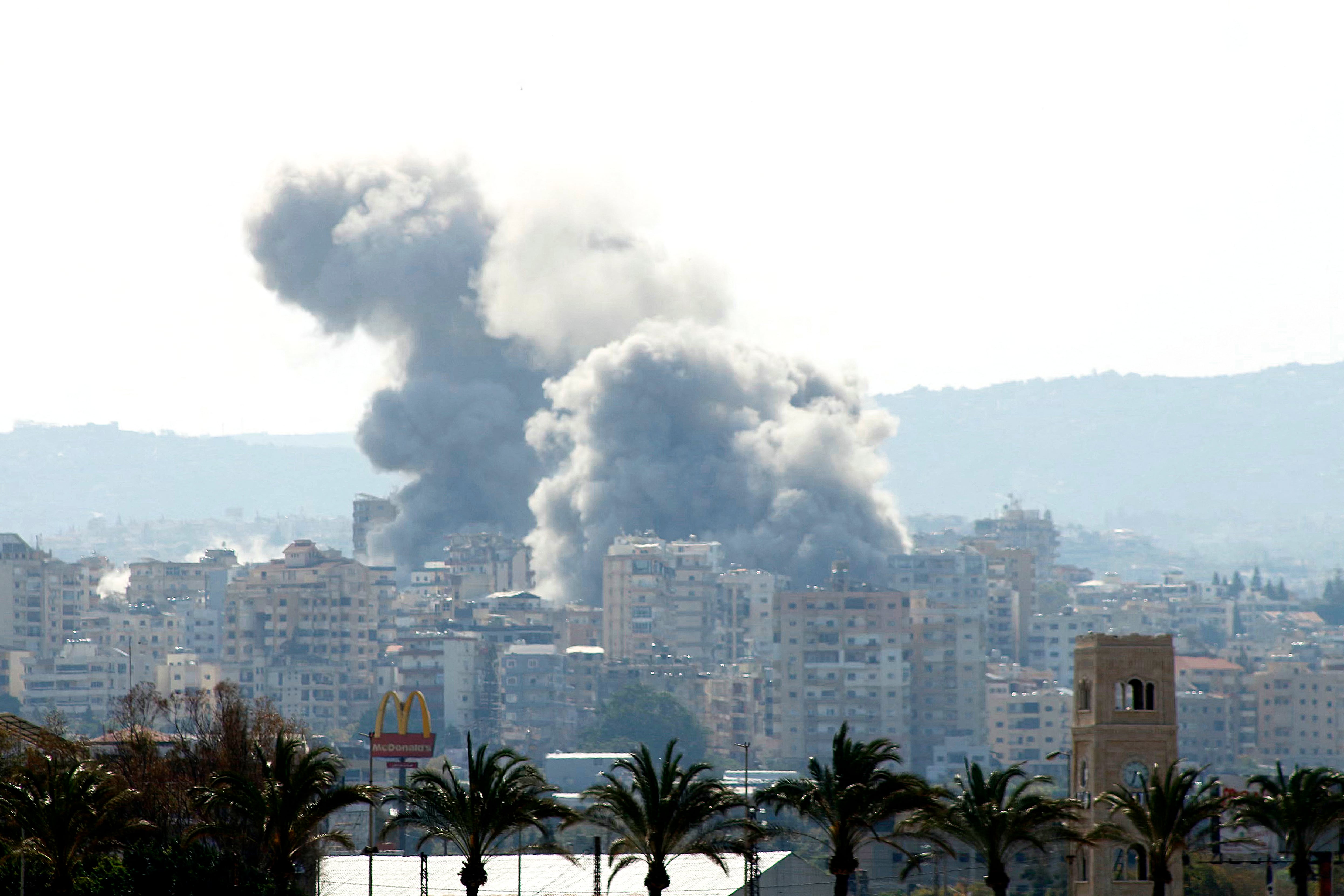
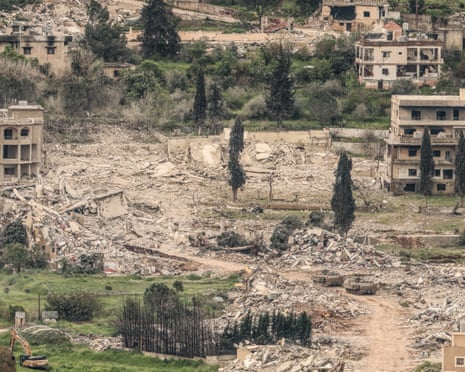
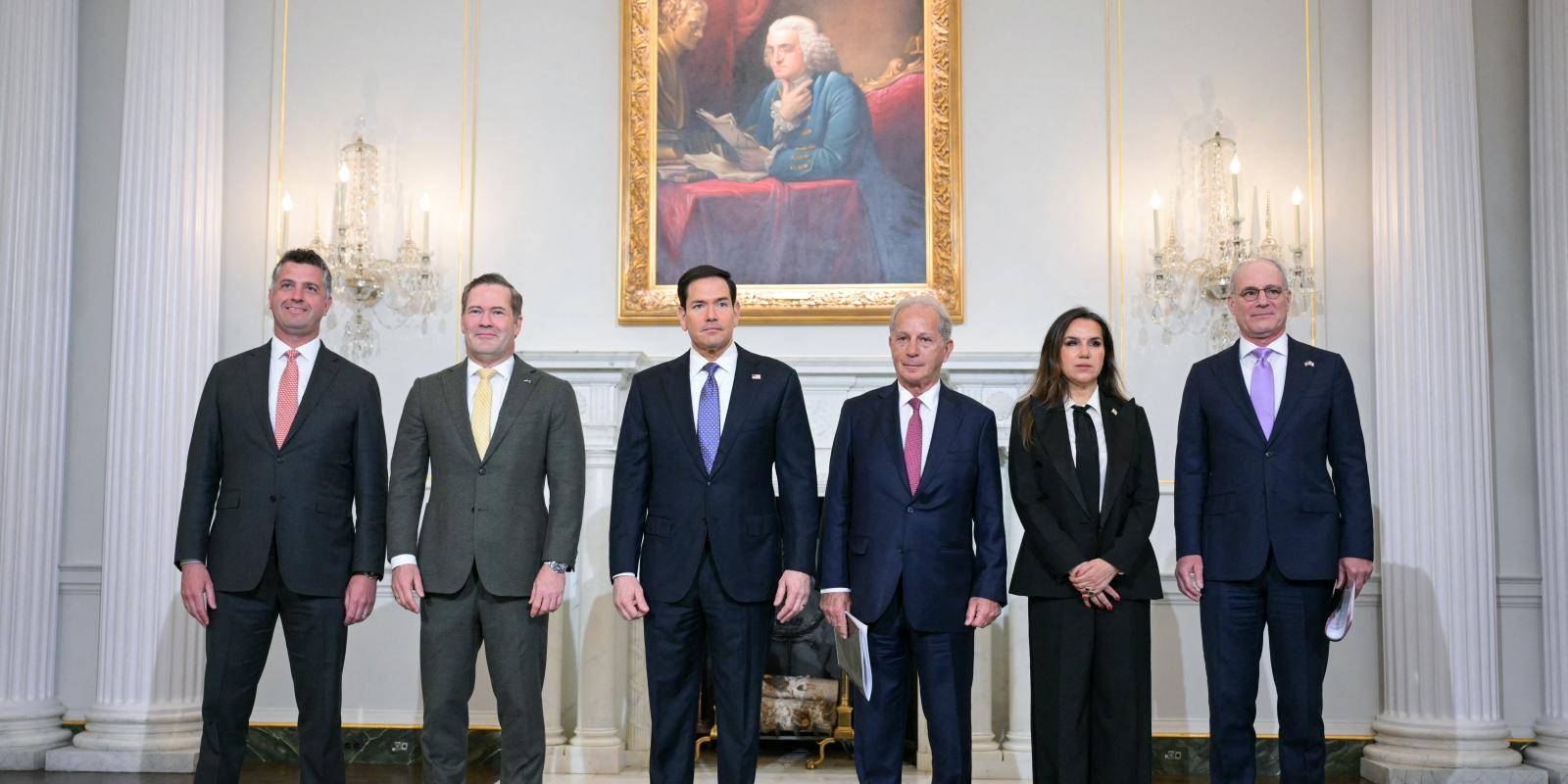
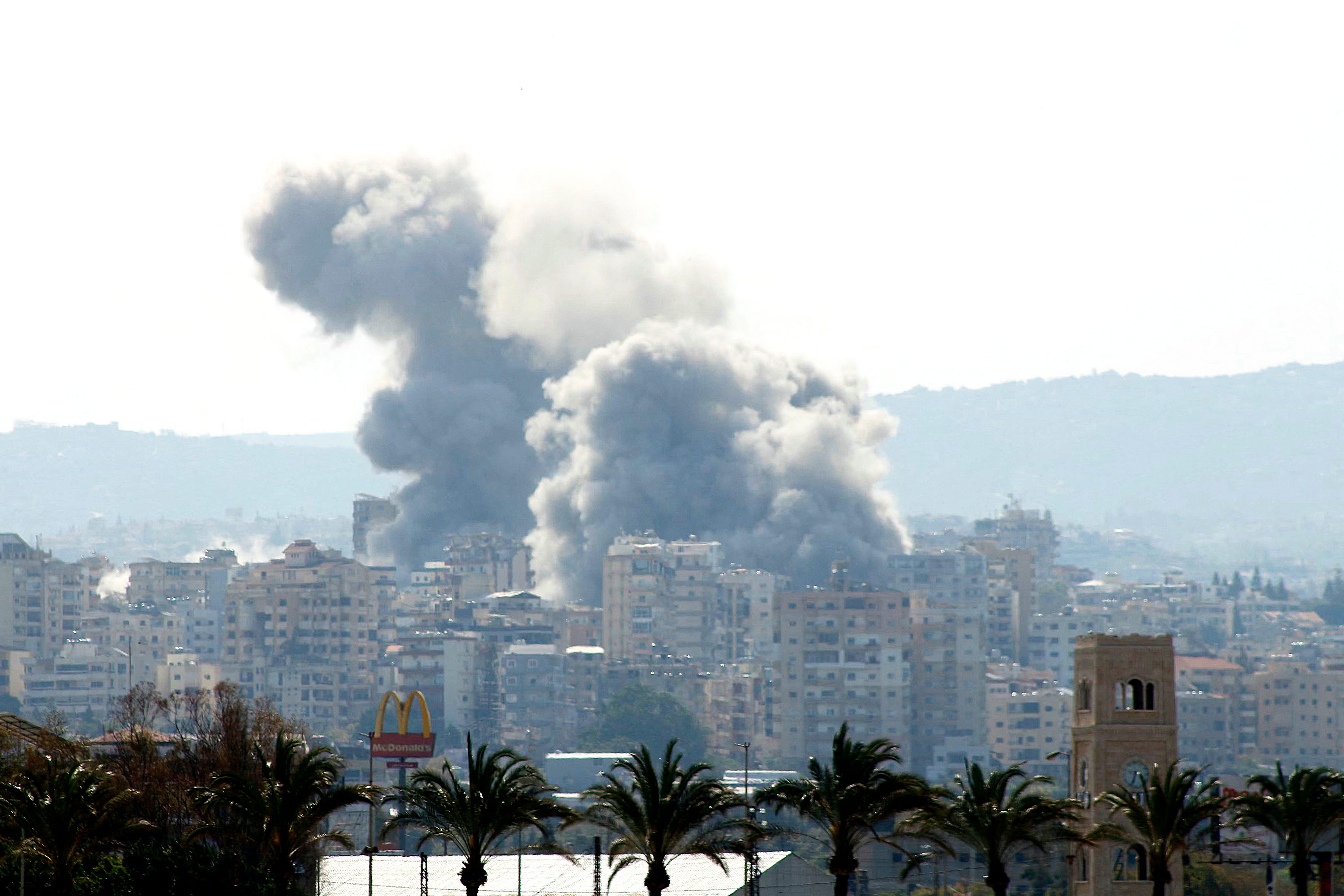
The escalating Middle East geopolitical crisis—marked by Israeli-Lebanese military operations resulting in 2,100+ deaths and 1.2 million displaced persons, combined with a comprehensive US naval blockade of Iranian ports—creates significant supply chain vulnerabilities for cross-border e-commerce sellers. The US Central Command has redirected 10+ vessels attempting passage through the Strait of Hormuz, a critical chokepoint handling approximately 21% of global maritime trade. This blockade directly impacts sellers with supply chains routing through Middle Eastern waters, particularly those sourcing electronics, textiles, and components from Iran, Pakistan, or India.
Supply Chain Impact for E-Commerce Sellers: The blockade creates three operational challenges. First, sellers relying on Iran-origin goods face complete sourcing disruption—Iranian-flagged cargo vessels are being intercepted near the Strait of Hormuz, forcing rerouting through longer African routes (adding 10-14 days transit time). Second, sellers shipping through affected waters experience increased insurance premiums (typically 2-4% surcharge for high-risk zones) and fuel surcharges as vessels take longer routes. Third, inventory velocity suffers—goods destined for Amazon FBA warehouses or eBay fulfillment centers face unpredictable delays, impacting inventory turnover rates and IPI scores for Amazon sellers. Category-specific impacts vary: electronics sellers (sourcing components from Iran-adjacent regions) face 20-30% cost increases; apparel sellers using Pakistani manufacturing see 15-20% delays; and specialty goods sellers (spices, minerals, chemicals) face complete supply interruption if Iran-dependent.
Platform-Specific Seller Implications: Amazon FBA sellers managing inventory across multiple warehouses must account for extended lead times when planning replenishment cycles—a 14-day delay compounds inventory carrying costs by $50-150 per SKU monthly for mid-sized sellers (500-2,000 unit monthly volume). eBay sellers operating on consignment models face reduced inventory availability during peak selling seasons. Shopify sellers managing their own fulfillment must negotiate with 3PL providers for alternative routing, typically adding $200-400 per shipment in additional logistics costs. The ongoing ceasefire negotiations (second round planned in Islamabad, with current agreement expiring within one week) create uncertainty—sellers cannot reliably forecast when normal shipping patterns will resume.
Immediate Risk Mitigation: Sellers should audit supply chain dependencies immediately—identify which SKUs source from Iran, Pakistan, or India and represent >5% of monthly revenue. Consider diversifying sourcing to Southeast Asian suppliers (Vietnam, Thailand, Indonesia) or nearshoring to Mexico/Central America for US-based sellers. Negotiate long-term contracts with 3PL providers now before rates increase further. Monitor White House announcements regarding blockade duration; if negotiations fail and blockade extends beyond 30 days, expect 8-12% margin compression across affected categories.
Questions 7
How does the US naval blockade of Iranian ports affect e-commerce sellers?
The blockade directly impacts sellers sourcing materials from Iran or shipping through the Strait of Hormuz, a critical global shipping route handling 21% of maritime trade. Sellers face 15-25% increases in transit times, with vessels being redirected around Africa (adding 10-14 days), and insurance premiums rising 2-4% for high-risk zone shipping. For Amazon FBA sellers managing 500-2,000 units monthly, this translates to $50-150 additional monthly inventory carrying costs per SKU. The blockade affects electronics, textiles, and specialty goods categories most severely, with Iran-origin goods facing complete sourcing disruption as Iranian-flagged vessels are intercepted near the Strait of Hormuz.
Which product categories face the greatest supply chain risk from Middle East tensions?
Electronics sellers sourcing components from Iran-adjacent regions (Pakistan, India) face 20-30% cost increases due to longer shipping routes and insurance surcharges. Apparel sellers using Pakistani manufacturing experience 15-20% transit delays. Specialty goods sellers (spices, minerals, chemicals) face complete supply interruption if Iran-dependent. General merchandise sellers with diversified sourcing see minimal impact unless >5% of SKUs originate from affected regions. Sellers should audit their supply chain immediately to identify high-risk SKUs and prioritize diversification to Southeast Asian suppliers (Vietnam, Thailand) or nearshoring alternatives.