


Mexico's Trade War Gambit: Reshaping Global Supply Chains Through Strategic Tariffs
- Protectionist Policy Signals Massive Realignment of Manufacturing and Export Strategies




.jpg)





)




)



Overview
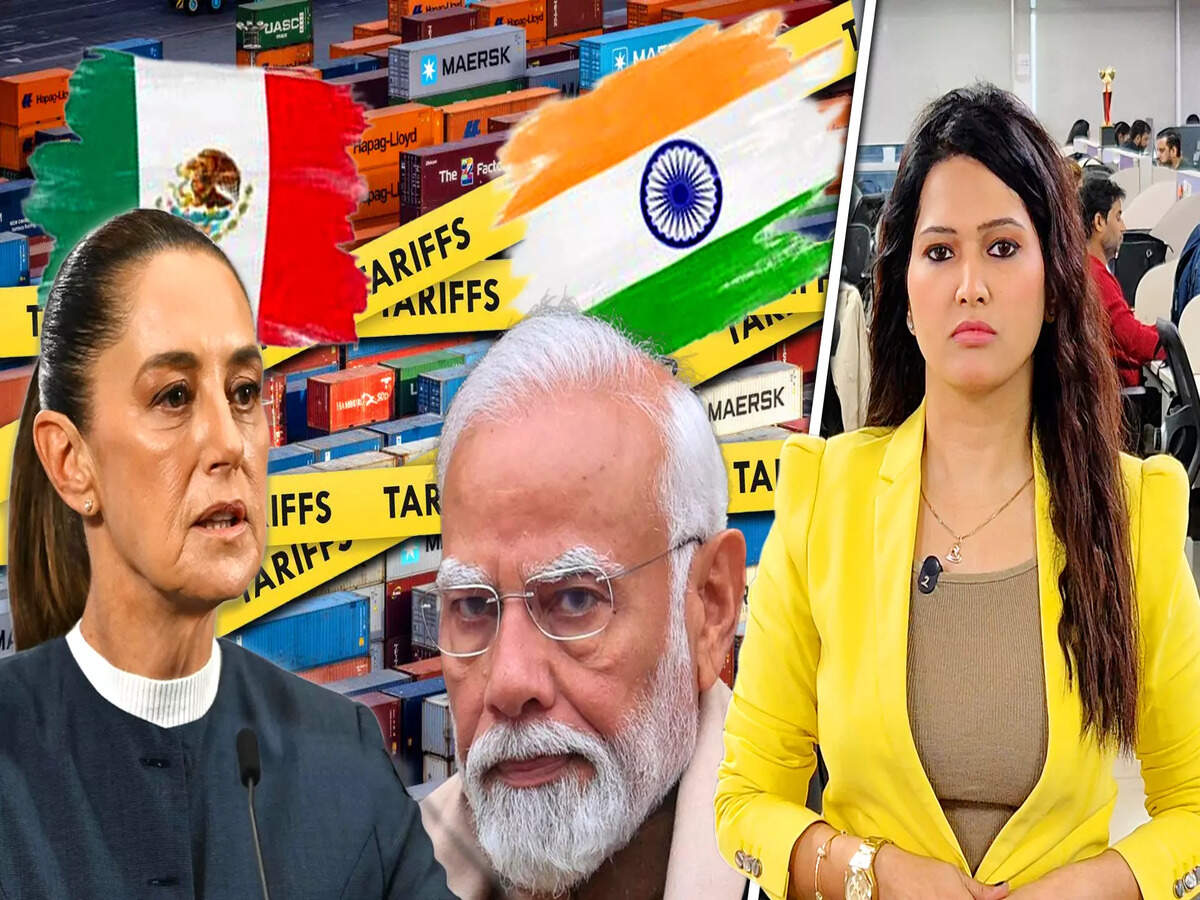
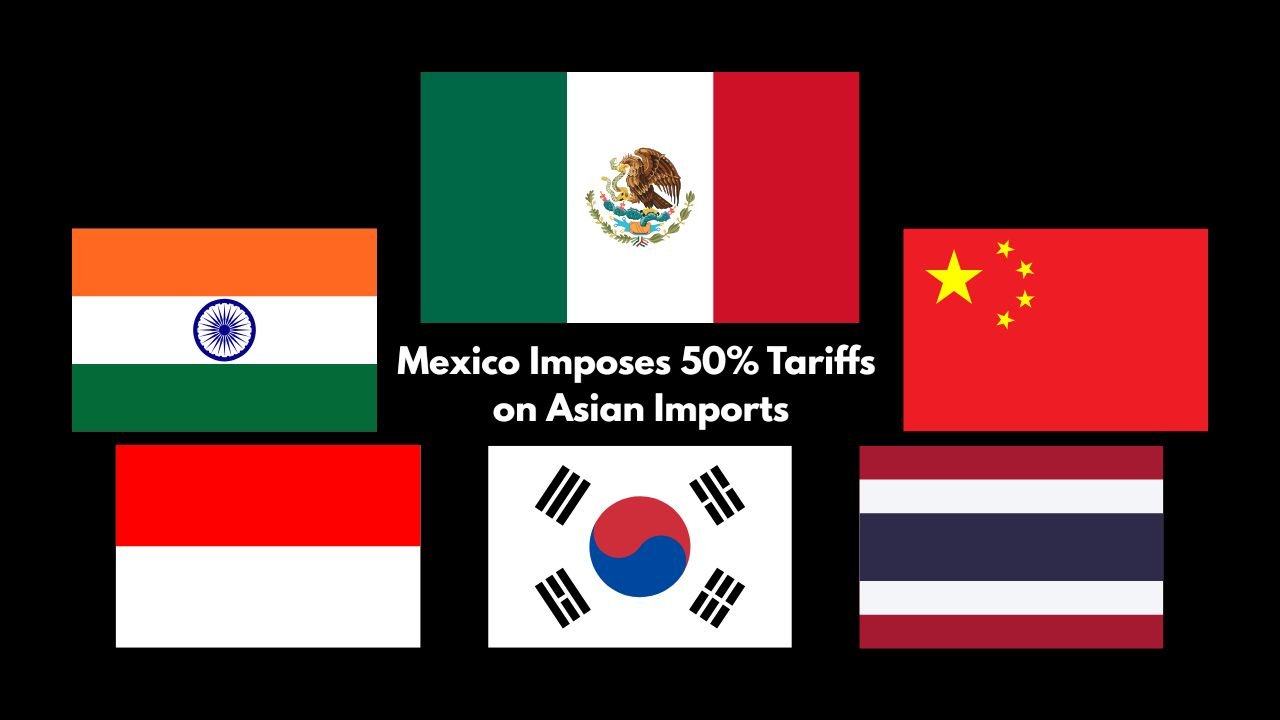
Geopolitical trade dynamics are undergoing a profound transformation as Mexico emerges as a strategic architect of industrial policy, wielding tariffs as a precision instrument to restructure regional manufacturing landscapes. The recent policy targeting non-Free Trade Agreement countries, particularly China and India, represents a sophisticated multi-dimensional economic strategy that goes far beyond simple protectionism.
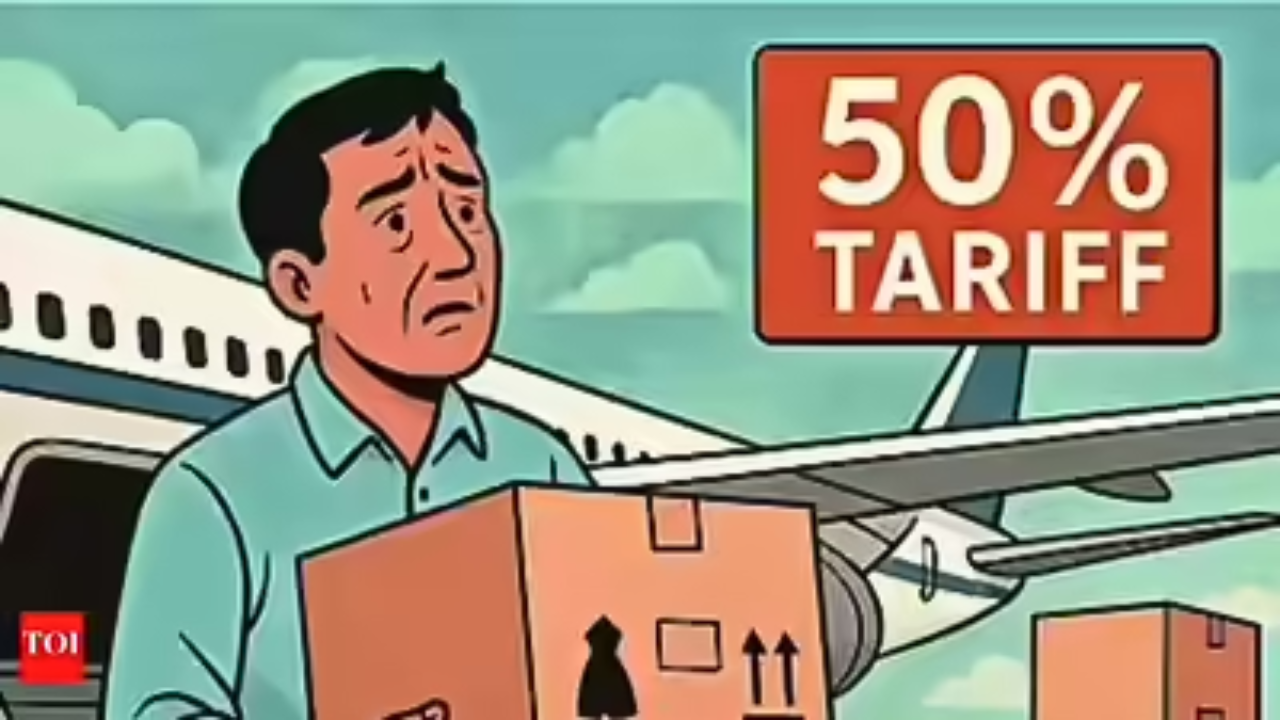
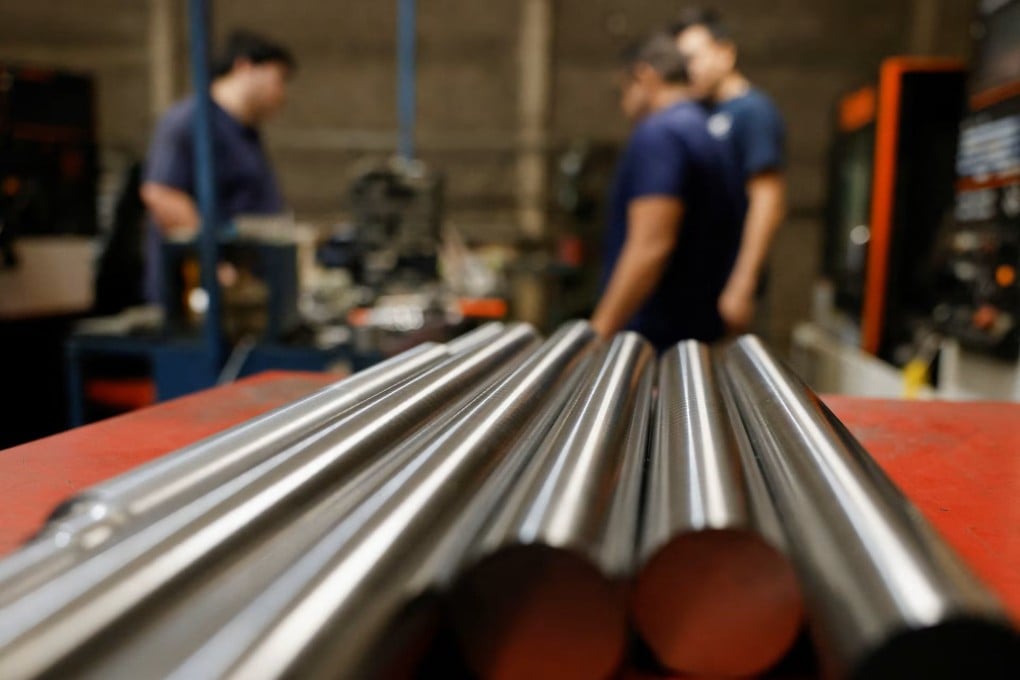
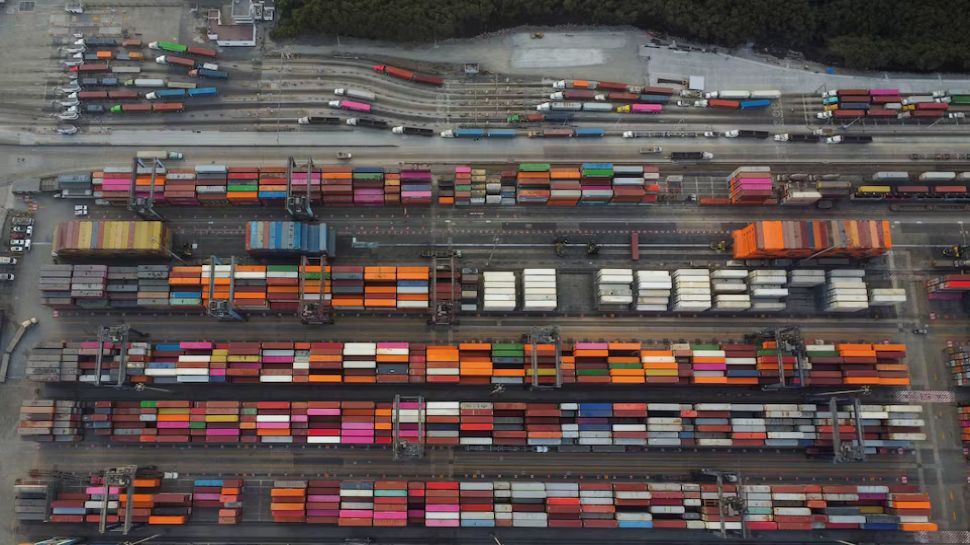
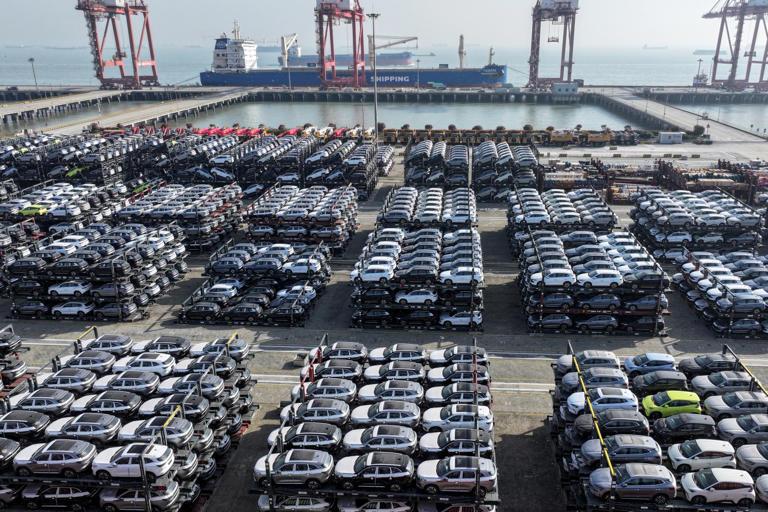
At the core of Mexico's approach is a calculated industrial policy designed to redirect global supply chains. By imposing tariffs ranging from 5-50% on over 1,460 products, Mexico is creating a powerful economic firewall that simultaneously protects domestic manufacturing and challenges existing trade paradigms. The 50% tariff on Indian passenger vehicles and 35-40% duties on steel exports are not merely punitive measures but strategic interventions aimed at reshaping regional industrial capabilities.
The policy's sophistication lies in its nuanced targeting. While ostensibly protecting domestic industries, Mexico is also strategically positioning itself within broader North American economic ecosystems. By making Chinese and Indian imports economically challenging, Mexico creates favorable conditions for its own manufacturers and potentially aligns with US trade interests. The tariffs effectively force international sellers to reconsider their market entry strategies, with cross-border e-commerce sellers facing significant operational complexities.
For international exporters, the implications are profound. Indian exporters are projected to experience a 25-40% decline in affected product categories, while Chinese manufacturers will need to fundamentally reimagine their market access strategies. The most adaptive sellers will likely pursue strategies like local assembly, securing partial trade agreement exemptions, or pivoting toward high-end, differentiated product lines that can absorb increased tariff burdens.
Critically, this policy signals a broader trend of strategic protectionism emerging in the global trade landscape. Countries are increasingly using targeted tariffs not just as defensive mechanisms, but as proactive tools for industrial policy, geopolitical positioning, and economic restructuring. Mexico's approach demonstrates how trade policy has evolved from a purely economic instrument to a complex geopolitical strategy.
Questions 3
Which product categories are most severely impacted by these new tariffs?
Key affected sectors include automotive (50% tariff on passenger vehicles), steel (35-40% duties), auto components (25-50% tariffs), and textiles (30-35% tariffs). These targeted industries represent critical manufacturing segments for both Indian and Chinese exporters.
How will these tariffs impact cross-border e-commerce sellers from China and India?
Sellers will face significant challenges, with potential 25-40% revenue declines in affected categories. They'll need to explore strategies like local assembly, seeking partial trade agreement exemptions, or focusing on high-end, differentiated products that can absorb increased tariff costs.