
Airline Trading Cards Drive $500M+ Collectibles Market | Seller Opportunity in Nostalgia Merchandise
- 7M+ cards distributed across major carriers in 2025-2026; TikTok viral trend creates 300%+ demand surge; sellers can capitalize on aviation collectibles, vintage merchandise, and experiential packaging


Overview
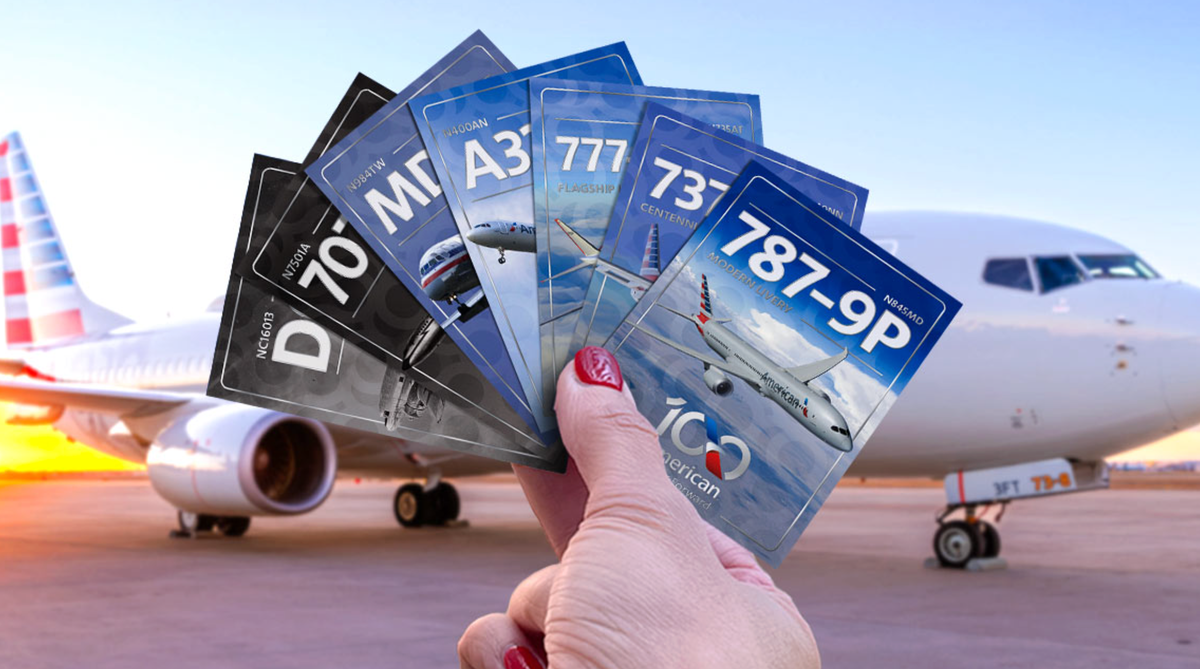
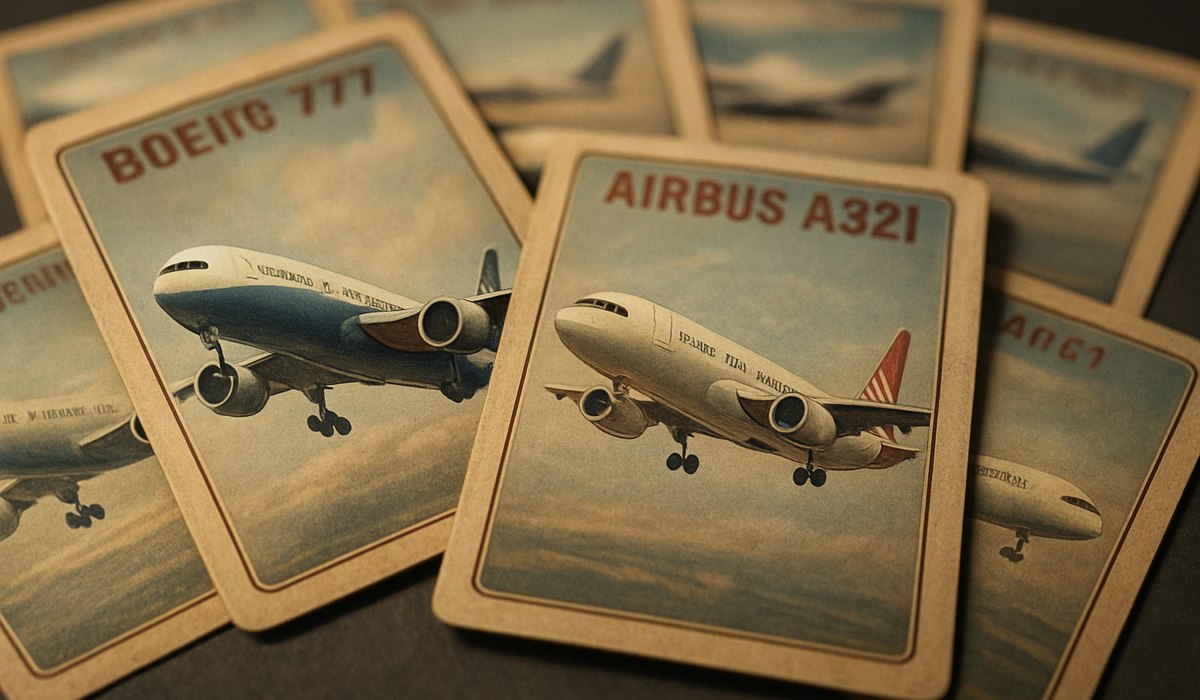
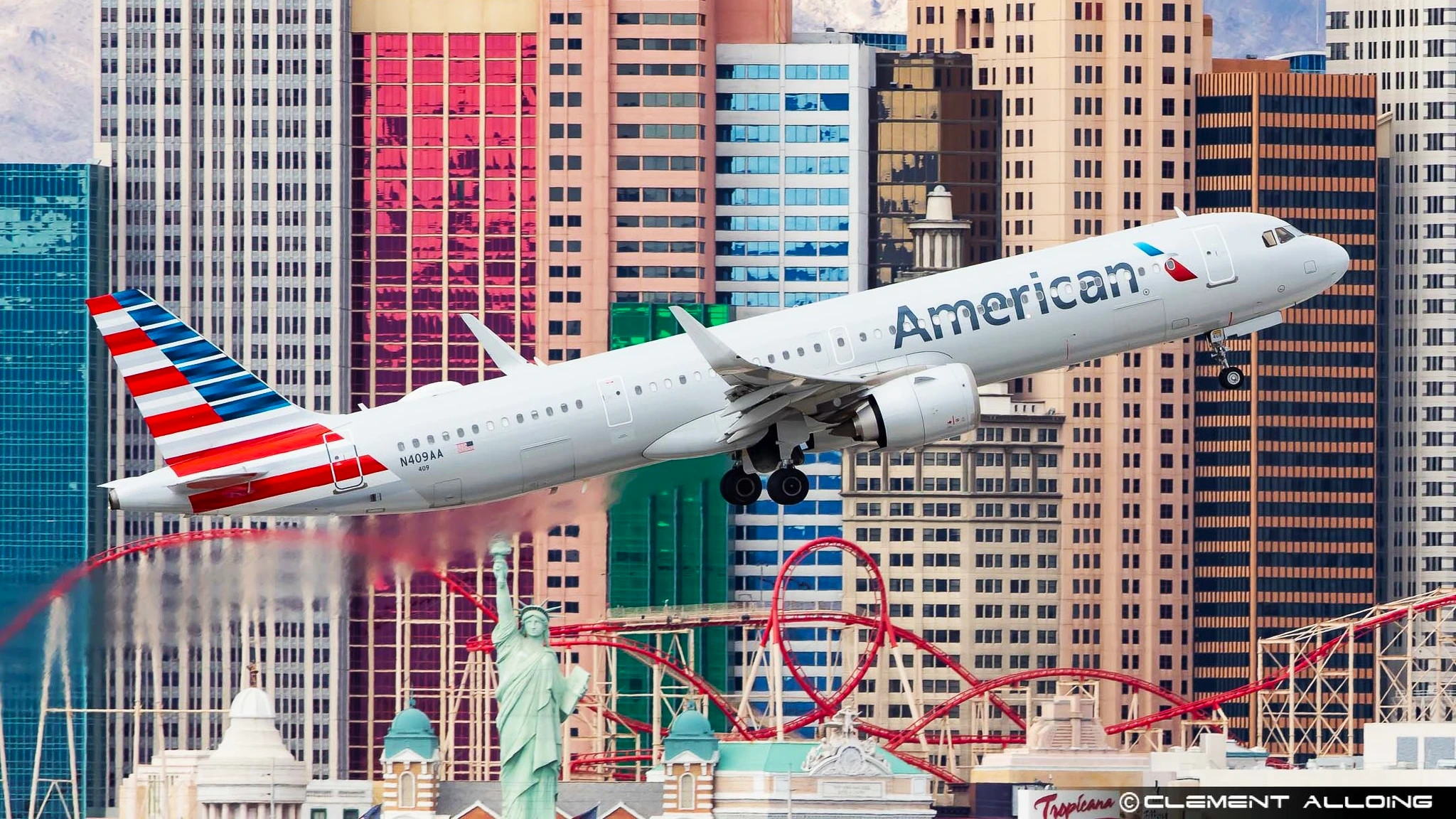
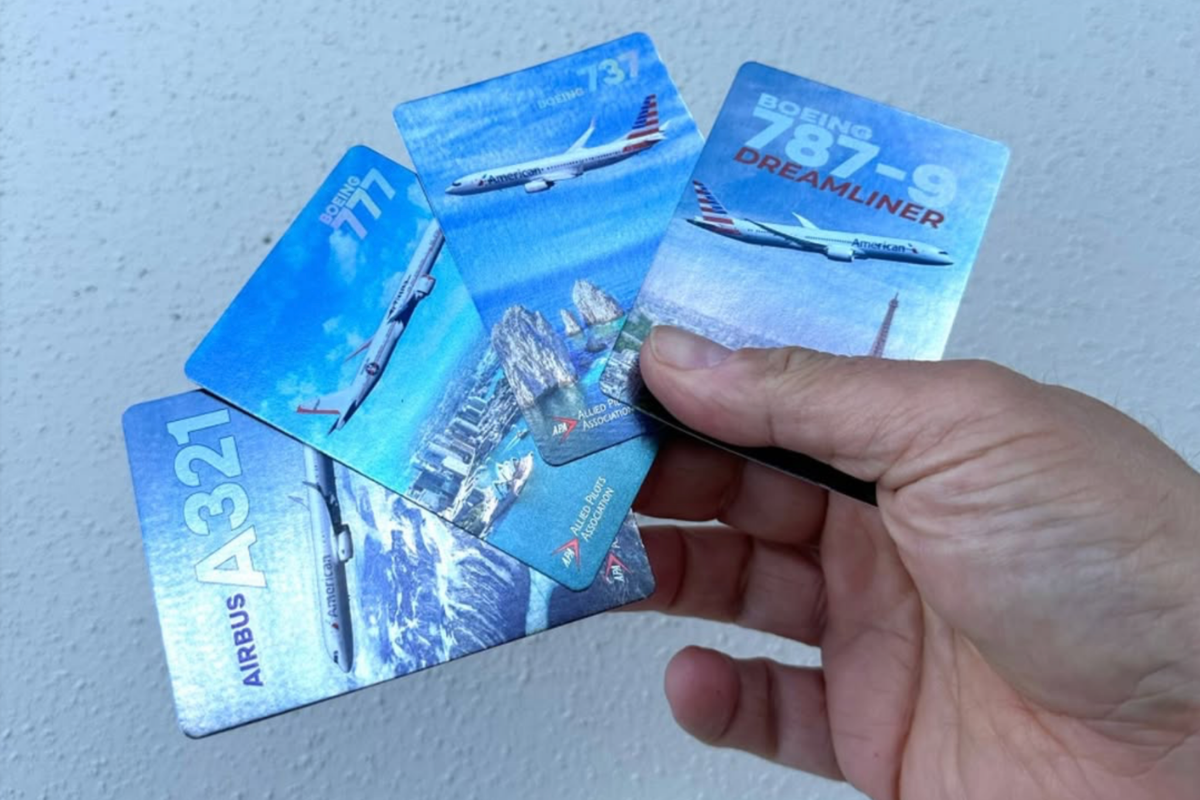
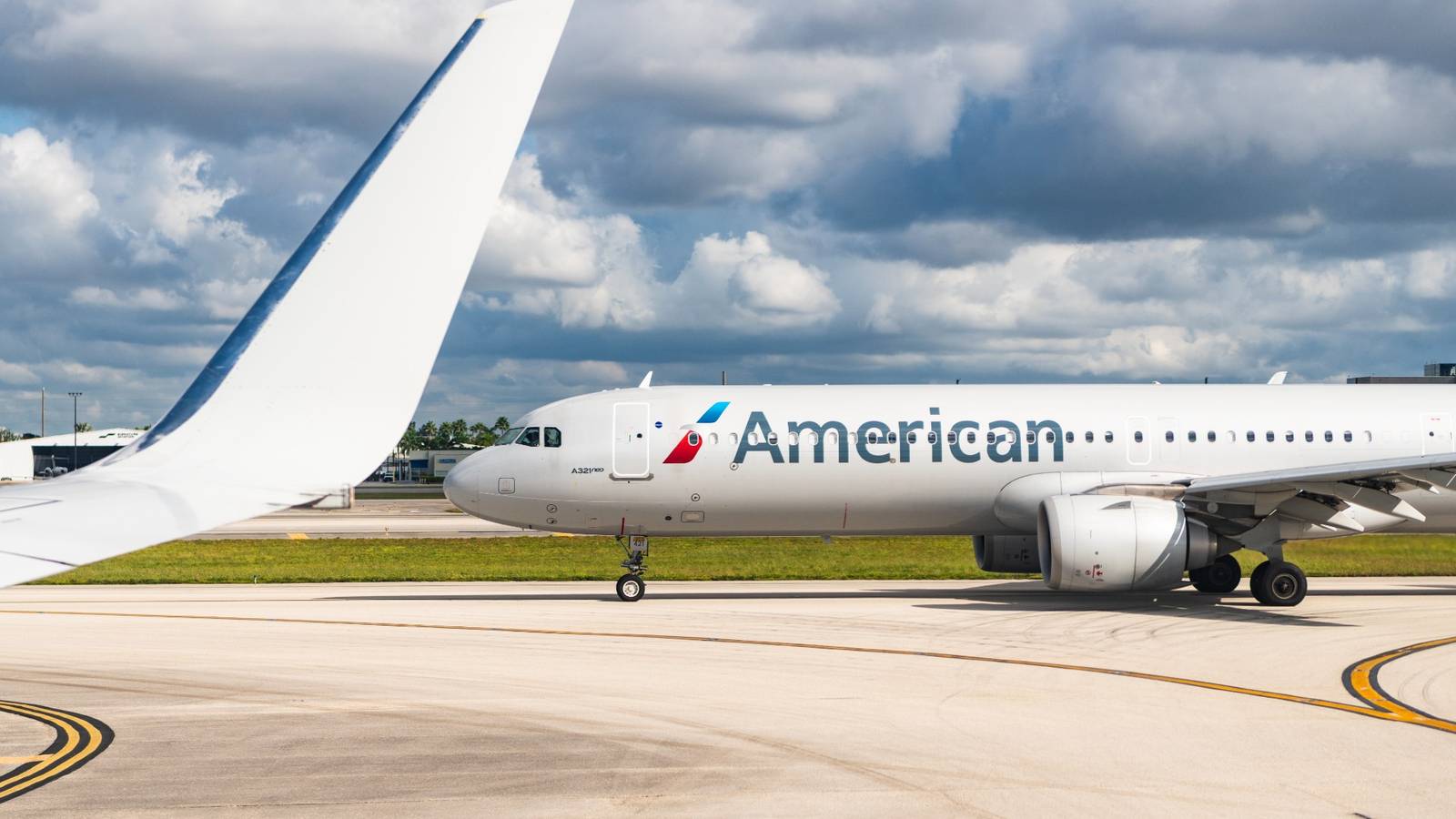
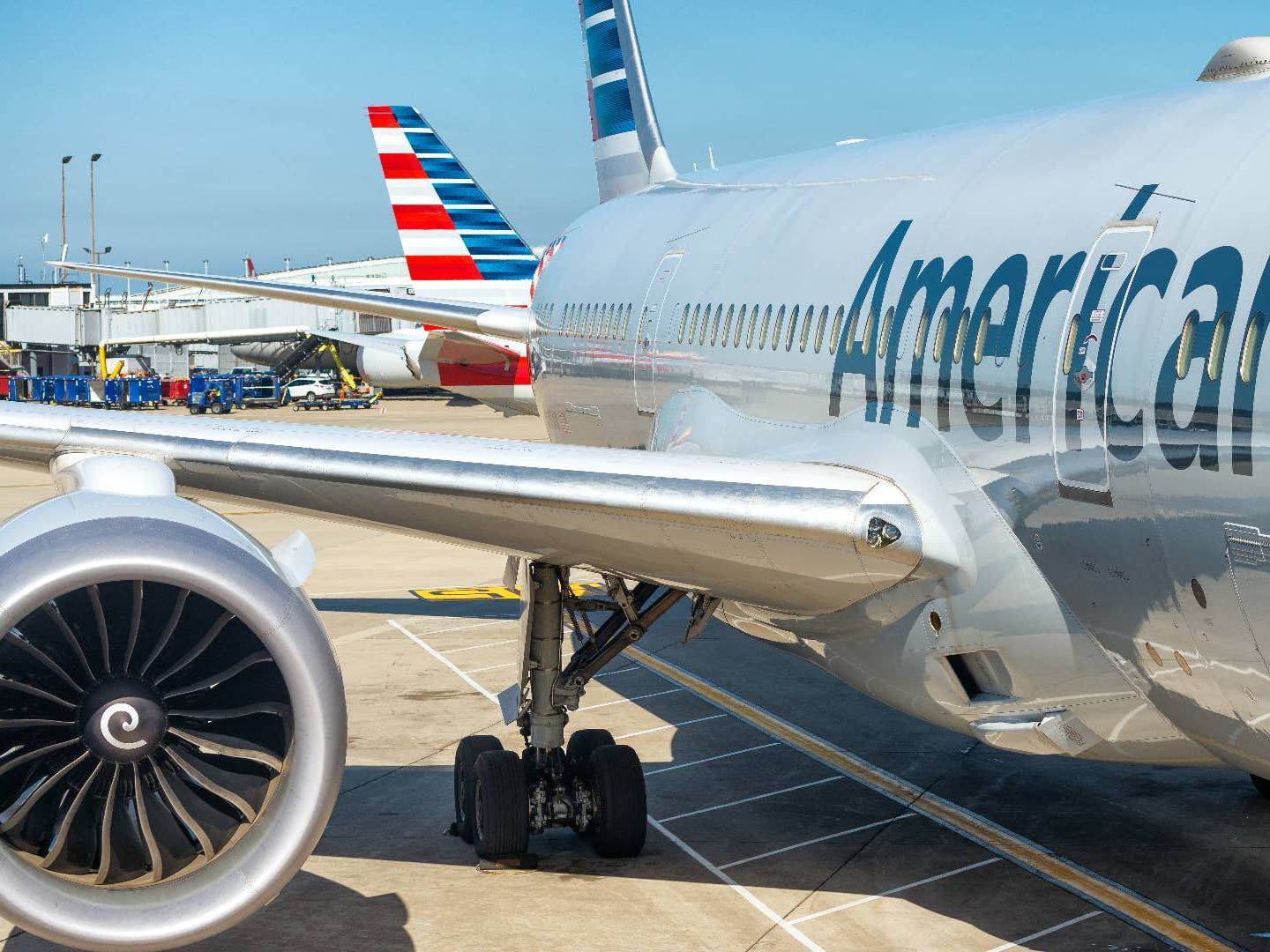
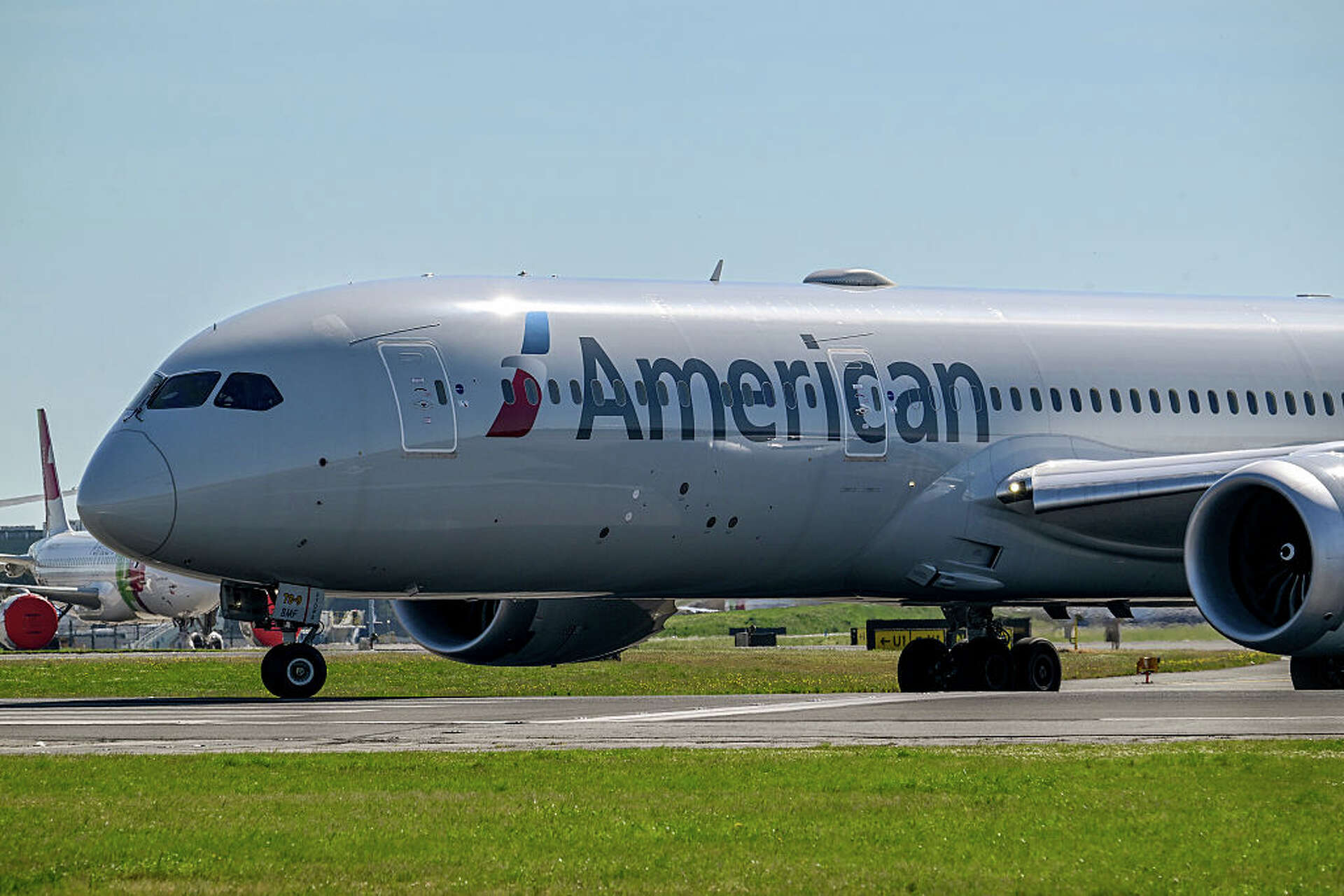
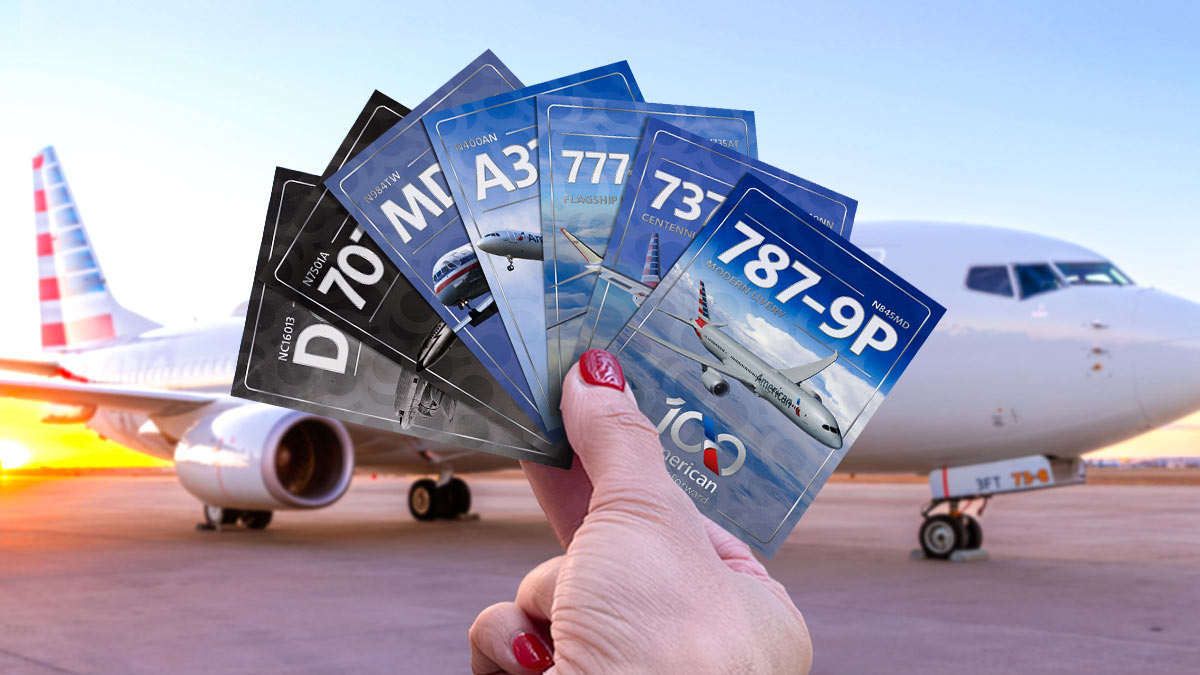
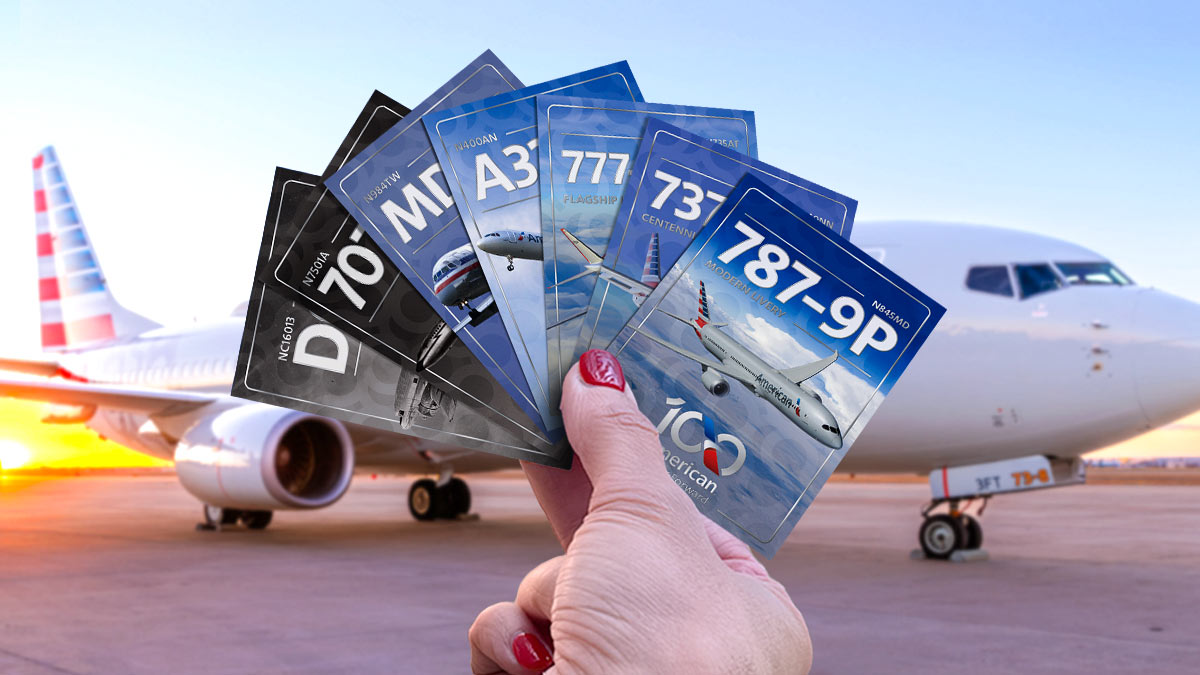
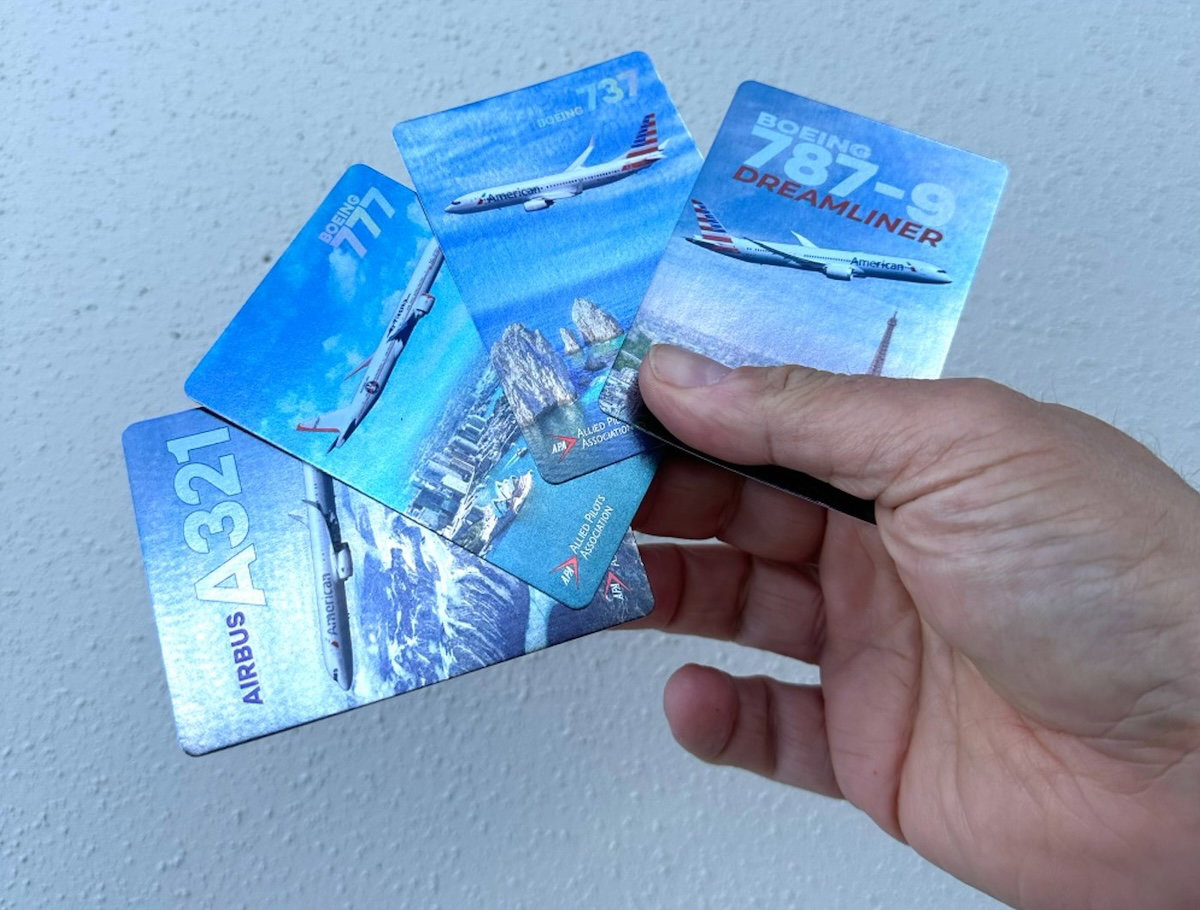
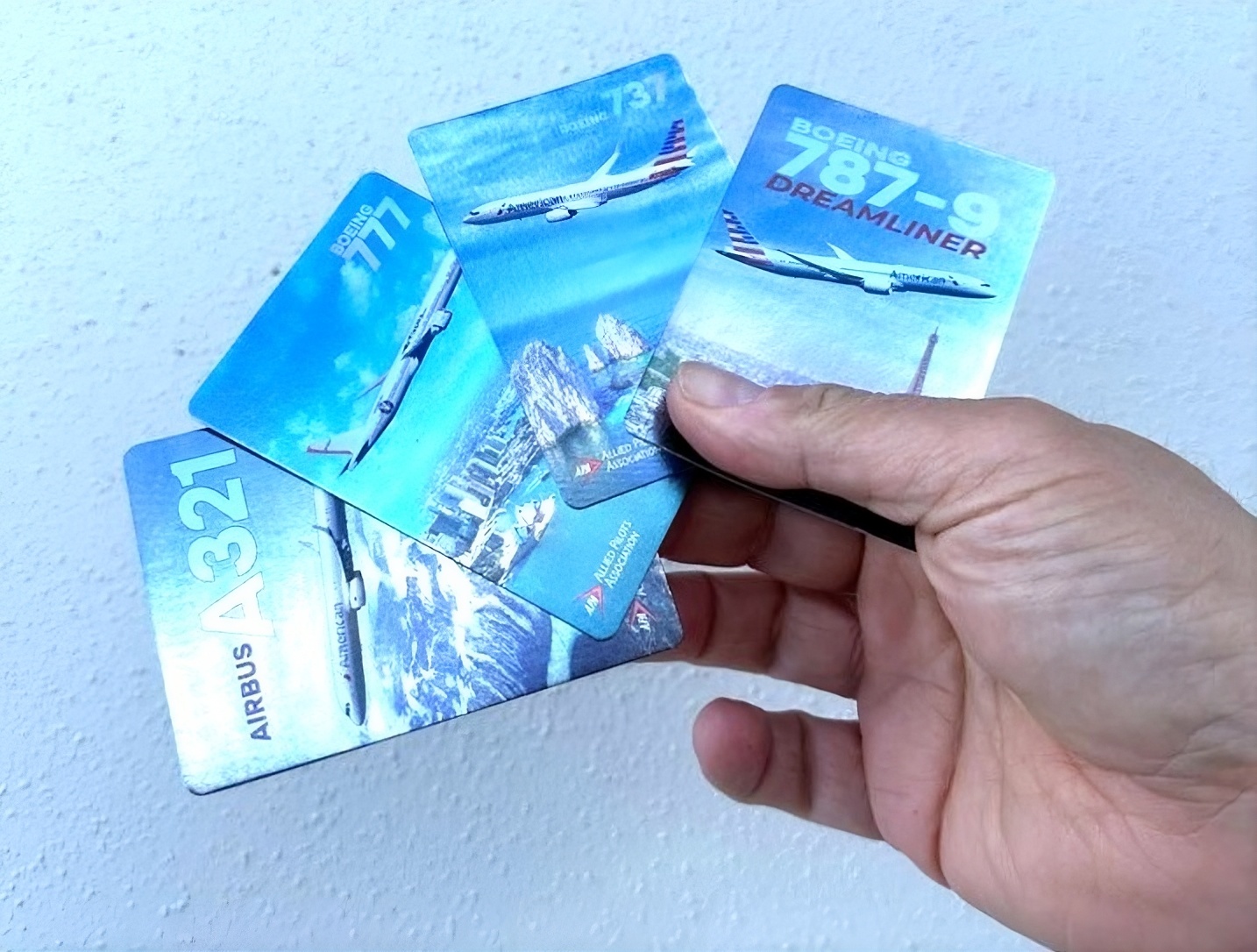
The airline trading card phenomenon represents a significant e-commerce opportunity emerging from American Airlines' centennial celebration and broader industry trend toward experiential customer engagement. American Airlines launched a 7-million-card distribution initiative in May 2025, featuring current aircraft (Airbus A321neo, Boeing 737-800, 777-300ER, 787-9 Dreamliner) and historically significant planes (Douglas DC-3, Boeing 707-123, McDonnell Douglas MD-80), with comprehensive technical specifications and aircraft registration numbers. This initiative follows Delta's success collecting 3+ million cards in 2024 alone, driven by a 2023 TikTok viral moment that transformed airline trading cards from niche "IYKYK" collectibles into mainstream merchandise.
The market dynamics reveal substantial seller opportunities across multiple categories. The trading card trend originated with Alaska Airlines in the 1990s but remained niche until 2023 when social media democratized demand. Delta formalized the concept in 2003 with 68 unique cards across seven series over two decades, while Alaska Airlines updated its collection in 2025 with eight new special-livery cards. Spirit Airlines and Frontier Airlines (featuring tailfin animals) have launched competing programs, indicating sustained industry momentum. The physical collectible format creates tangible merchandise that enhances brand recall during peak summer travel periods—a critical seasonal window for e-commerce sellers.
For cross-border and domestic sellers, this trend unlocks multiple revenue streams. First, direct trading card sales through Amazon, eBay, and specialty collectibles platforms—secondary market cards command 2-5x retail premiums for rare aircraft variants and special editions. Second, complementary merchandise: protective sleeves, binder pages, display cases, and storage solutions for collectors (estimated $50-150 per collector annually). Third, vintage aviation merchandise: historical aircraft posters, model airplanes, aviation books, and memorabilia experiencing renewed demand from collectors aged 18-45 (primary TikTok demographic). Fourth, experiential packaging: sellers can adopt similar collectible-card strategies for their own brands—limited-edition cards, QR codes linking to product stories, and first-come-first-served distribution driving engagement.
The Charlotte hub expansion (90 daily flights, $30B economic contribution, $1B runway project completion 2027) signals sustained travel demand and regional e-commerce opportunities. American Airlines' broader customer-focused initiatives—expanded lounges, upgraded amenities, restored gate standby access—indicate increased business and leisure travel, particularly on trans-Atlantic routes to Greece and other European destinations launching in 2025. This travel surge creates demand for travel accessories, luggage, comfort products, and aviation-themed merchandise targeting frequent flyers and aviation enthusiasts. The CEO's commitment to competitive repositioning suggests sustained marketing investment and brand engagement, creating extended promotional windows for affiliated sellers.
Questions 8
What is the expected customer acquisition cost and lifetime value for aviation collectibles sellers?
CAC for aviation collectibles typically ranges $8-15 per customer through organic social (TikTok, Instagram), $12-20 through paid social (Meta, Pinterest), and $15-25 through search (Google Shopping, eBay search ads). LTV varies significantly: casual buyers purchasing 1-2 cards average $15-30 LTV; enthusiast collectors purchasing protective accessories, display cases, and complementary merchandise average $150-300 LTV; serious collectors building complete sets and acquiring rare variants average $500-1,500+ LTV. The trend's sustained momentum (3+ years viral growth) and multi-carrier participation suggest LTV expansion potential. Sellers should focus on converting casual buyers into enthusiasts through educational content, community engagement, and bundled product offerings—this typically increases LTV by 300-400% within 6-12 months.
What pricing strategy should sellers use for secondary market airline trading cards?
Secondary market trading cards command 2-5x retail premiums depending on rarity, aircraft type, and condition. Common cards (current aircraft variants) typically sell for $2-5 each; special editions (historical aircraft, centennial liveries) command $5-15; rare variants and first-print runs reach $15-50+. Sellers should monitor eBay sold listings and TCGPlayer data to establish competitive pricing. The first-come-first-served distribution model creates artificial scarcity—cards distributed early in the campaign are rarer than later prints. Sellers should acquire cards during peak distribution (May-August 2025 for American Airlines) and list on secondary markets 30-60 days later when demand peaks among collectors unable to obtain cards directly.