

)


)


.webp)


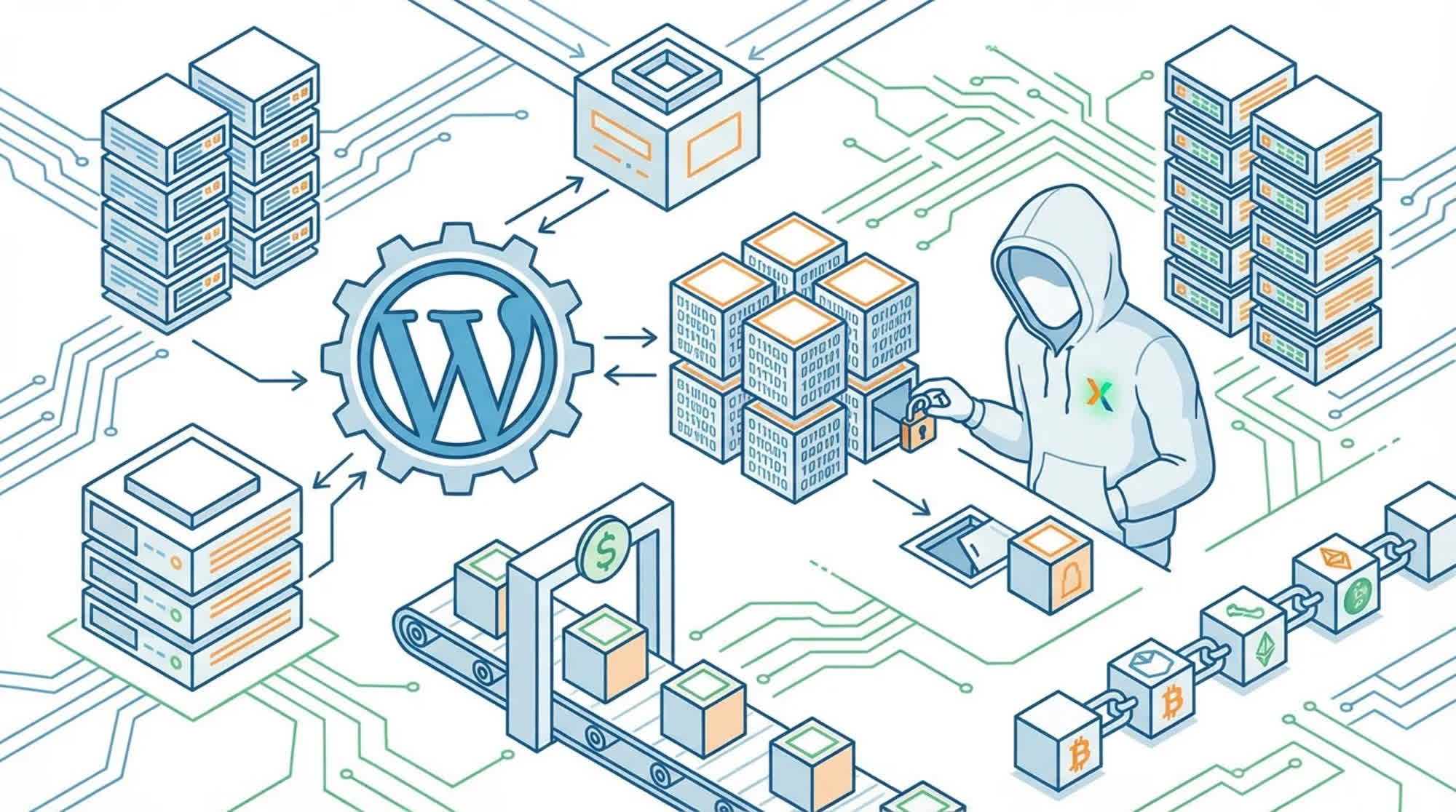
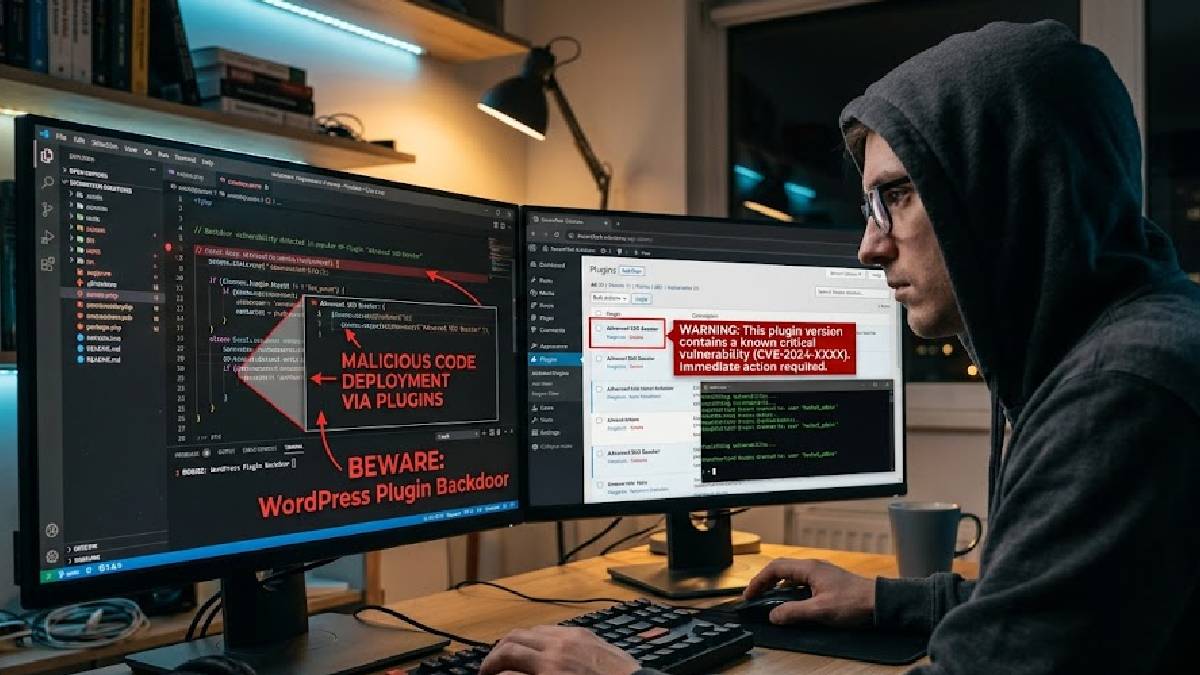
WordPress-powered e-commerce stores face a critical supply chain security threat following the discovery of a sophisticated backdoor attack embedded in trusted plugins. Cybersecurity researchers documented how threat actors successfully hid malicious code in legitimate WordPress plugins for approximately 8 months before activating the payload—a patient, multi-stage approach that prioritized stealth over immediate exploitation. This attack directly impacts the estimated 43% of all websites globally powered by WordPress, with particular vulnerability among small and medium-sized e-commerce sellers who lack advanced threat detection systems.
The operational and financial risks are severe for WordPress-based sellers. Once activated, the dormant backdoor could compromise customer payment data, triggering PCI-DSS violations, regulatory fines, and potential chargebacks. The extended dormancy period—8 months—indicates sophisticated threat actors with significant resources conducting long-term reconnaissance. Attackers exploited plugin update mechanisms to distribute compromised code, meaning sellers who routinely update plugins (a security best practice) inadvertently installed malware. Small sellers operating on tight margins face disproportionate risk: a single data breach can cost $100,000-$500,000 in remediation, legal fees, and customer notification expenses, while regulatory PCI-DSS non-compliance fines range from $5,000-$100,000 monthly.
WordPress plugin vulnerabilities have become increasingly attractive targets because the platform dominates small-to-medium e-commerce businesses that typically operate with limited security budgets. Previous incidents including WP Super Cache and Elementor plugin compromises demonstrate this is a persistent pattern. The dormant backdoor activation tactic mirrors enterprise-targeted breaches, suggesting cybercriminals are applying sophisticated methodology to the SMB e-commerce segment. Sellers must immediately audit installed plugins, implement Web Application Firewalls (WAF), and conduct forensic analysis of their WordPress installations. Consider migrating to managed WordPress hosting solutions with built-in security monitoring and automatic plugin vetting. The cost of preventive security measures ($50-200/month for WAF and monitoring) is negligible compared to breach remediation expenses and operational downtime.
The extended dormancy period is deliberately designed to evade detection by security tools that flag suspicious behavior during initial infection. Sellers who installed compromised plugins 8 months ago likely passed multiple security scans without triggering alerts, as the malware remained inactive. Once activated, the backdoor can immediately compromise payment gateways and customer data. This means sellers cannot rely solely on automated security monitoring—they must conduct immediate forensic analysis of all installed plugins, review plugin update logs from the past 12 months, and audit user access patterns. The attack demonstrates why regular manual security audits are critical for WordPress stores handling customer payment data.
Small sellers face multiple financial exposures: PCI-DSS non-compliance fines ($5,000-$100,000 monthly), breach remediation costs ($100,000-$500,000), customer notification expenses, potential chargebacks from compromised transactions, and loss of customer trust leading to revenue decline. A single data breach affecting 1,000 customers can trigger $50,000+ in legal and notification costs alone. Additionally, payment processors may suspend merchant accounts during investigation, halting revenue for 30-90 days. Small sellers with annual revenues of $500,000-$2M cannot absorb these costs, making preventive security investment ($50-200/month for WAF and monitoring) essential risk management.
Managed WordPress hosting providers implement automatic plugin vetting, security scanning, and update management that significantly reduce backdoor risk. These services typically include: (1) Automatic malware scanning and removal, (2) Plugin update staging and testing before deployment, (3) Web Application Firewall (WAF) protection, (4) Daily backups enabling rapid recovery, (5) 24/7 security monitoring. Managed hosting costs $50-300/month depending on traffic, but eliminates the need for sellers to hire security specialists. For sellers handling customer payment data, managed hosting's automatic PCI-DSS compliance monitoring is particularly valuable. The news demonstrates that self-managed WordPress installations require significant security expertise—sellers without dedicated IT staff should strongly consider managed hosting to reduce breach risk and ensure regulatory compliance.
Sellers must implement a plugin governance framework: (1) Use only essential plugins from official WordPress.org repository with active maintenance and high user ratings, (2) Regularly audit installed plugins and remove unused ones immediately, (3) Implement plugin activity monitoring to detect suspicious behavior, (4) Establish a plugin update schedule with testing before production deployment, (5) Maintain detailed plugin inventory with version numbers and update dates. The security risk increases with plugin count—each plugin is a potential attack vector. Sellers should prioritize core functionality (payment processing, inventory management) and use built-in WordPress features where possible. For advanced features, evaluate whether the security risk justifies the functionality benefit. The cost of plugin security management ($100-300/month for monitoring and updates) is significantly lower than the potential $100,000-$500,000 breach remediation cost, making security investment a clear financial priority.
Sellers should implement a 30-day security protocol: (1) Immediately audit all installed plugins and remove unused ones, (2) Update all plugins to latest versions and verify updates completed successfully, (3) Change all WordPress admin passwords and API keys, (4) Implement Web Application Firewall (WAF) to monitor for suspicious plugin behavior, (5) Enable security logging and review access logs for unauthorized activity, (6) Conduct forensic analysis using security plugins like Wordfence to scan for backdoors, (7) Review payment gateway logs for unauthorized transactions, (8) Consider migrating to managed WordPress hosting with built-in security monitoring. For sellers with limited technical expertise, hiring a WordPress security specialist ($500-2,000) is cheaper than breach remediation. Document all security measures for PCI-DSS compliance verification.
WordPress requires sellers to manage security independently, including plugin vetting and updates, creating higher risk for non-technical sellers. Shopify provides managed security with automatic updates and PCI-DSS compliance built-in, shifting security responsibility to the platform. WooCommerce (WordPress-based) inherits WordPress's plugin vulnerability risk but offers more customization. The news specifically highlights that 43% of websites use WordPress, making it a high-value target for attackers seeking scale. Sellers on Shopify face lower plugin-related risk but less customization; WordPress sellers have more control but higher security responsibility. Small sellers with limited security budgets should evaluate whether Shopify's managed security justifies higher transaction fees compared to WordPress's lower platform costs but higher security overhead.
Sellers should prioritize auditing plugins that handle payment processing, user authentication, and data collection—these are highest-value targets for attackers. The news specifically mentions WP Super Cache and Elementor as previous vulnerability vectors. However, the current attack exploited plugin update mechanisms, meaning ANY plugin could be compromised. Sellers must: (1) Review all installed plugins and their update history from the past 12 months, (2) Check plugin source code for suspicious functions or external connections, (3) Verify plugins are from official WordPress.org repository, (4) Remove unused plugins immediately, (5) Implement plugin activity monitoring. Consider using security plugins like Wordfence or Sucuri that scan for known backdoors and malicious code patterns.
WooCommerce sellers are particularly vulnerable because WooCommerce plugins extend core functionality and often handle payment processing directly. A compromised WooCommerce payment plugin could intercept customer credit card data before encryption, creating direct PCI-DSS liability. The attack's use of plugin update mechanisms is especially dangerous for WooCommerce users who rely on frequent updates for security patches. Sellers should: (1) Implement Web Application Firewall (WAF) specifically configured for WooCommerce, (2) Use payment gateway tokenization to avoid storing card data locally, (3) Enable two-factor authentication for WordPress admin accounts, (4) Consider managed WooCommerce hosting with automatic security monitoring. The cost of preventive measures is significantly lower than breach remediation.
The extended dormancy period is deliberately designed to evade detection by security tools that flag suspicious behavior during initial infection. Sellers who installed compromised plugins 8 months ago likely passed multiple security scans without triggering alerts, as the malware remained inactive. Once activated, the backdoor can immediately compromise payment gateways and customer data. This means sellers cannot rely solely on automated security monitoring—they must conduct immediate forensic analysis of all installed plugins, review plugin update logs from the past 12 months, and audit user access patterns. The attack demonstrates why regular manual security audits are critical for WordPress stores handling customer payment data.
Small sellers face multiple financial exposures: PCI-DSS non-compliance fines ($5,000-$100,000 monthly), breach remediation costs ($100,000-$500,000), customer notification expenses, potential chargebacks from compromised transactions, and loss of customer trust leading to revenue decline. A single data breach affecting 1,000 customers can trigger $50,000+ in legal and notification costs alone. Additionally, payment processors may suspend merchant accounts during investigation, halting revenue for 30-90 days. Small sellers with annual revenues of $500,000-$2M cannot absorb these costs, making preventive security investment ($50-200/month for WAF and monitoring) essential risk management.
Managed WordPress hosting providers implement automatic plugin vetting, security scanning, and update management that significantly reduce backdoor risk. These services typically include: (1) Automatic malware scanning and removal, (2) Plugin update staging and testing before deployment, (3) Web Application Firewall (WAF) protection, (4) Daily backups enabling rapid recovery, (5) 24/7 security monitoring. Managed hosting costs $50-300/month depending on traffic, but eliminates the need for sellers to hire security specialists. For sellers handling customer payment data, managed hosting's automatic PCI-DSS compliance monitoring is particularly valuable. The news demonstrates that self-managed WordPress installations require significant security expertise—sellers without dedicated IT staff should strongly consider managed hosting to reduce breach risk and ensure regulatory compliance.
Sellers must implement a plugin governance framework: (1) Use only essential plugins from official WordPress.org repository with active maintenance and high user ratings, (2) Regularly audit installed plugins and remove unused ones immediately, (3) Implement plugin activity monitoring to detect suspicious behavior, (4) Establish a plugin update schedule with testing before production deployment, (5) Maintain detailed plugin inventory with version numbers and update dates. The security risk increases with plugin count—each plugin is a potential attack vector. Sellers should prioritize core functionality (payment processing, inventory management) and use built-in WordPress features where possible. For advanced features, evaluate whether the security risk justifies the functionality benefit. The cost of plugin security management ($100-300/month for monitoring and updates) is significantly lower than the potential $100,000-$500,000 breach remediation cost, making security investment a clear financial priority.
Sellers should implement a 30-day security protocol: (1) Immediately audit all installed plugins and remove unused ones, (2) Update all plugins to latest versions and verify updates completed successfully, (3) Change all WordPress admin passwords and API keys, (4) Implement Web Application Firewall (WAF) to monitor for suspicious plugin behavior, (5) Enable security logging and review access logs for unauthorized activity, (6) Conduct forensic analysis using security plugins like Wordfence to scan for backdoors, (7) Review payment gateway logs for unauthorized transactions, (8) Consider migrating to managed WordPress hosting with built-in security monitoring. For sellers with limited technical expertise, hiring a WordPress security specialist ($500-2,000) is cheaper than breach remediation. Document all security measures for PCI-DSS compliance verification.
WordPress requires sellers to manage security independently, including plugin vetting and updates, creating higher risk for non-technical sellers. Shopify provides managed security with automatic updates and PCI-DSS compliance built-in, shifting security responsibility to the platform. WooCommerce (WordPress-based) inherits WordPress's plugin vulnerability risk but offers more customization. The news specifically highlights that 43% of websites use WordPress, making it a high-value target for attackers seeking scale. Sellers on Shopify face lower plugin-related risk but less customization; WordPress sellers have more control but higher security responsibility. Small sellers with limited security budgets should evaluate whether Shopify's managed security justifies higher transaction fees compared to WordPress's lower platform costs but higher security overhead.
Sellers should prioritize auditing plugins that handle payment processing, user authentication, and data collection—these are highest-value targets for attackers. The news specifically mentions WP Super Cache and Elementor as previous vulnerability vectors. However, the current attack exploited plugin update mechanisms, meaning ANY plugin could be compromised. Sellers must: (1) Review all installed plugins and their update history from the past 12 months, (2) Check plugin source code for suspicious functions or external connections, (3) Verify plugins are from official WordPress.org repository, (4) Remove unused plugins immediately, (5) Implement plugin activity monitoring. Consider using security plugins like Wordfence or Sucuri that scan for known backdoors and malicious code patterns.
WooCommerce sellers are particularly vulnerable because WooCommerce plugins extend core functionality and often handle payment processing directly. A compromised WooCommerce payment plugin could intercept customer credit card data before encryption, creating direct PCI-DSS liability. The attack's use of plugin update mechanisms is especially dangerous for WooCommerce users who rely on frequent updates for security patches. Sellers should: (1) Implement Web Application Firewall (WAF) specifically configured for WooCommerce, (2) Use payment gateway tokenization to avoid storing card data locally, (3) Enable two-factor authentication for WordPress admin accounts, (4) Consider managed WooCommerce hosting with automatic security monitoring. The cost of preventive measures is significantly lower than breach remediation.
The extended dormancy period is deliberately designed to evade detection by security tools that flag suspicious behavior during initial infection. Sellers who installed compromised plugins 8 months ago likely passed multiple security scans without triggering alerts, as the malware remained inactive. Once activated, the backdoor can immediately compromise payment gateways and customer data. This means sellers cannot rely solely on automated security monitoring—they must conduct immediate forensic analysis of all installed plugins, review plugin update logs from the past 12 months, and audit user access patterns. The attack demonstrates why regular manual security audits are critical for WordPress stores handling customer payment data.
Small sellers face multiple financial exposures: PCI-DSS non-compliance fines ($5,000-$100,000 monthly), breach remediation costs ($100,000-$500,000), customer notification expenses, potential chargebacks from compromised transactions, and loss of customer trust leading to revenue decline. A single data breach affecting 1,000 customers can trigger $50,000+ in legal and notification costs alone. Additionally, payment processors may suspend merchant accounts during investigation, halting revenue for 30-90 days. Small sellers with annual revenues of $500,000-$2M cannot absorb these costs, making preventive security investment ($50-200/month for WAF and monitoring) essential risk management.