




Google Gemini AI in Workspace | Critical Control Issues for E-Commerce Sellers
- Default-enabled AI features create data privacy risks and operational friction for 50M+ Workspace users managing customer communications and sensitive pricing data

Overview
Google's aggressive Gemini AI integration across Workspace applications (Gmail, Docs, Sheets, Meet) represents a fundamental shift in how e-commerce sellers manage business communications and data security. The company has enabled AI features by default in most regions, with Smart Compose, Smart Reply, package tracking, and smart categorization now active without explicit seller consent. This creates immediate operational challenges for cross-border e-commerce sellers who rely on Workspace for customer service, inventory management, and international communications.
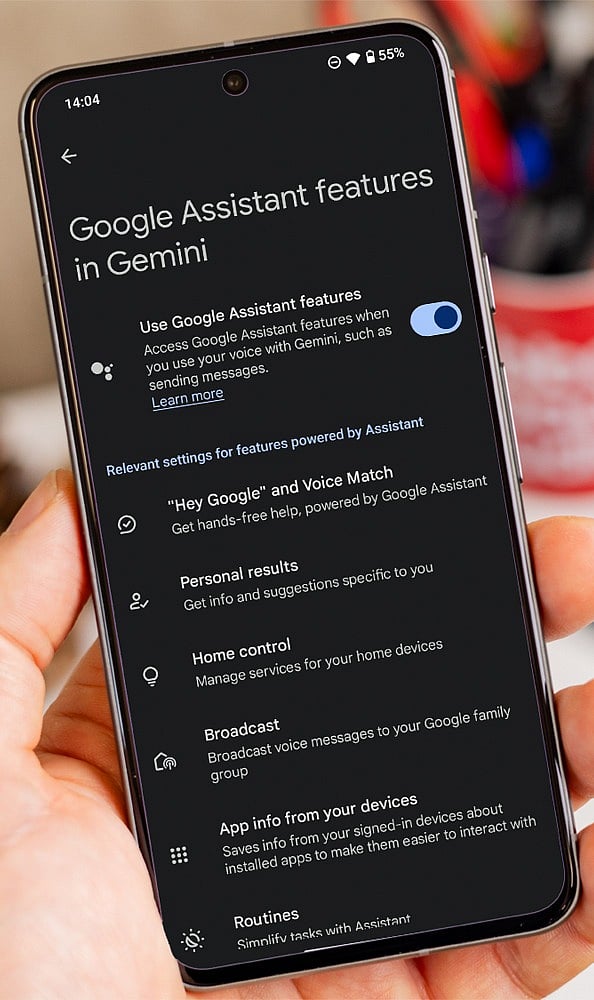
The core problem: fragmented control architecture prevents selective AI disabling. When sellers attempt to disable Gemini features in Gmail, they simultaneously lose access to essential productivity tools like spelling checks, grammar correction, and email prioritization. Google Workspace administrators cannot achieve complete AI feature removal across the entire suite—Gemini persists in Docs and Sheets even after disabling Gmail settings. This all-or-nothing approach forces sellers into a choice between accepting AI processing of sensitive data or sacrificing critical business tools. For sellers managing international operations with non-English speaking customers, AI-generated email suggestions create brand voice inconsistency and communication protocol violations that damage customer relationships.
Data privacy and competitive intelligence risks are substantial. E-commerce sellers handling customer information, pricing strategies, supplier negotiations, and inventory data now have those communications processed by Google's AI systems without granular control. The feature is enabled by default everywhere except the UK, Switzerland, Japan, and the European Economic Area—regions with strict privacy regulations. This regulatory fragmentation means sellers operating across multiple regions face inconsistent data handling practices. Sellers in GDPR-compliant regions must now document how customer data flows through Gemini, creating compliance documentation burdens and potential liability if AI processing violates customer data agreements.
The strategic implication signals Google's product direction: AI integration will expand, not contract. This trend indicates sellers should expect continued feature expansion across Workspace applications, with privacy controls becoming increasingly difficult to implement. Sellers who depend on Workspace for business-critical communications face a strategic decision: migrate to alternative platforms with stronger privacy controls, implement workarounds that reduce Workspace functionality, or accept AI processing as a cost of using Google's ecosystem. The current implementation prioritizes Google's AI ambitions over user choice, reflecting the company's broader strategy to embed Gemini across all products regardless of seller preferences.
Questions 8
What is the timeline for sellers to address Gemini integration risks?
Sellers should address Gemini integration immediately, as features are already enabled by default in most regions. The first step is auditing current Workspace usage to identify which communications contain sensitive customer data, pricing information, or supplier negotiations. Sellers should then evaluate their options: disable Gemini features (accepting productivity tool losses), migrate to alternative platforms, or implement data governance policies that account for AI processing. For GDPR-compliant regions, sellers must document compliance measures within 30-60 days to ensure customer data handling aligns with regulations. The strategic implication is that Google will continue expanding AI integration, so sellers should expect ongoing feature additions and control limitations. Delaying action increases the risk of compliance violations and customer data exposure.
What strategic actions should sellers consider regarding Workspace AI integration?
Sellers face three strategic options: (1) Migrate to alternative platforms with stronger privacy controls and selective feature disabling, (2) Implement workarounds that reduce Workspace functionality while maintaining essential tools, or (3) Accept AI processing as a cost of using Google's ecosystem while documenting compliance measures. The trend indicates Google will continue expanding AI integration across Workspace applications, making privacy controls increasingly difficult to implement. Sellers should audit their current Workspace usage, identify which communications contain sensitive data, and evaluate whether alternative platforms (Microsoft 365, Zoho Workspace, or industry-specific solutions) better align with their privacy requirements. For sellers heavily invested in Workspace, implementing data governance policies and customer communication protocols that account for AI processing is essential.