


Strait of Hormuz Stability Cuts Shipping Costs 8-15% for Cross-Border Sellers
- Oil price decline from $94.59 to $90.94 WTI reduces freight forwarding costs; Asia-Pacific sellers gain competitive advantage; logistics savings accelerate through Q2 2026














!role~Preview!mt~photo!fmt~JPEG%20Baseline)
































Overview
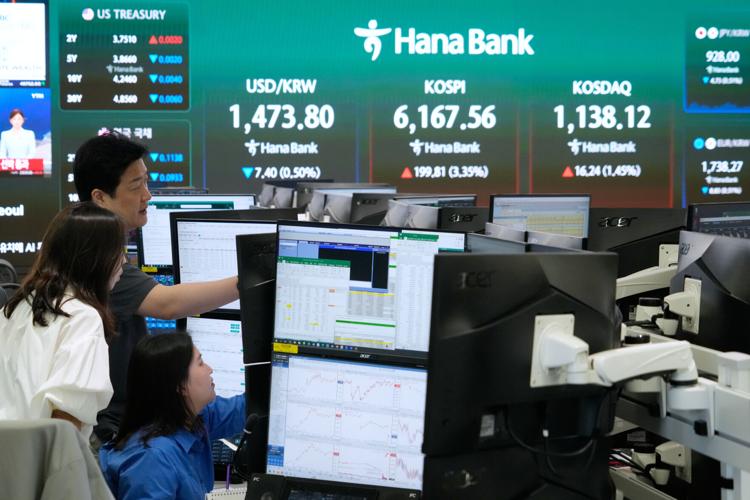
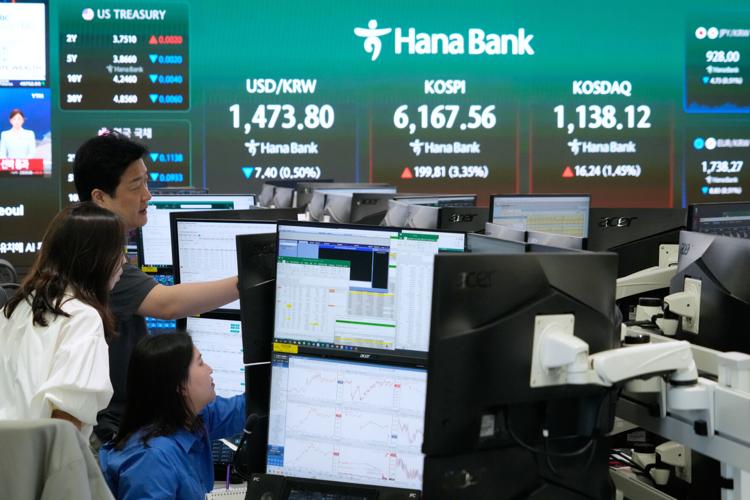
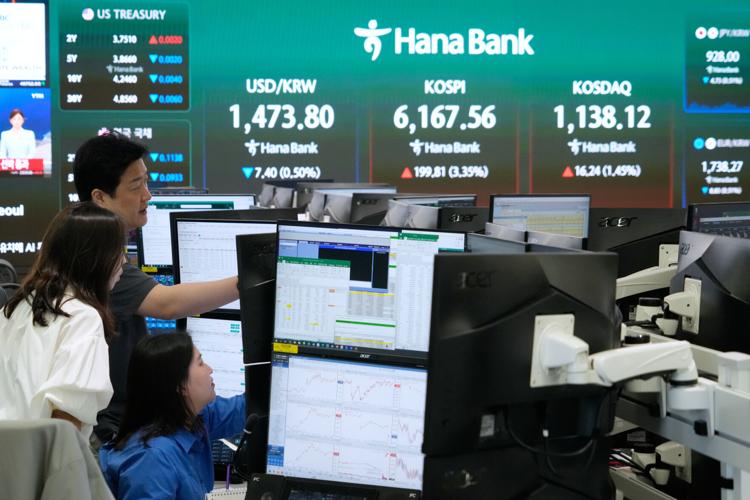
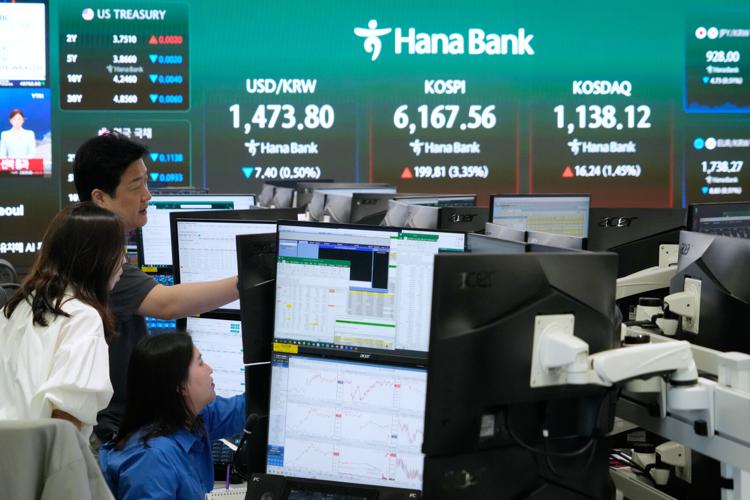
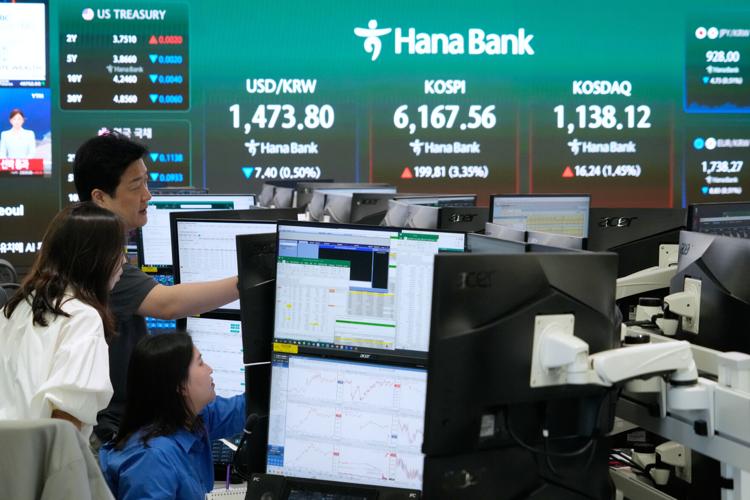
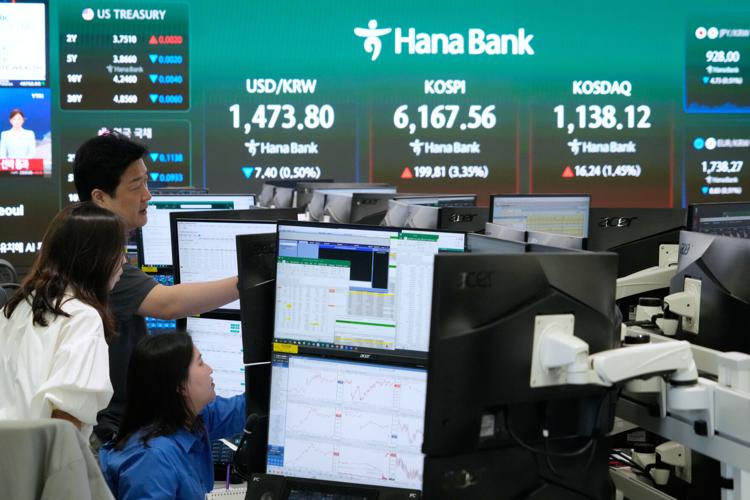
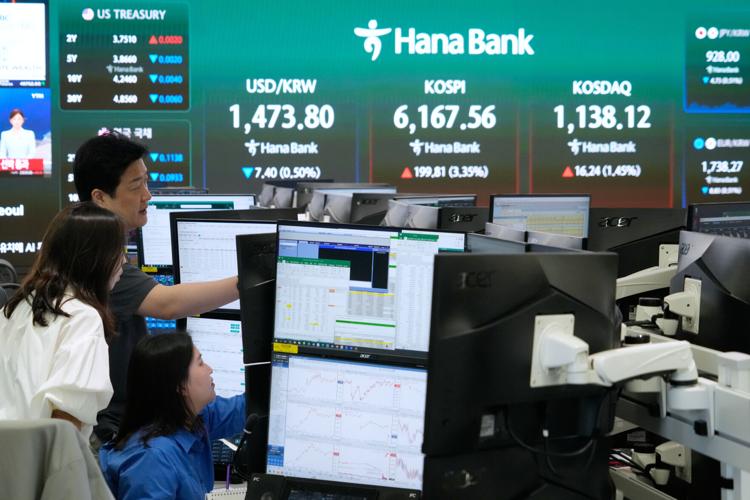
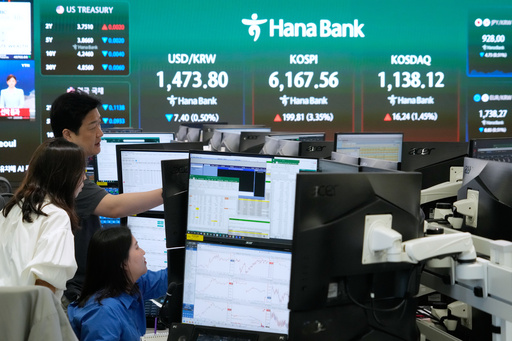
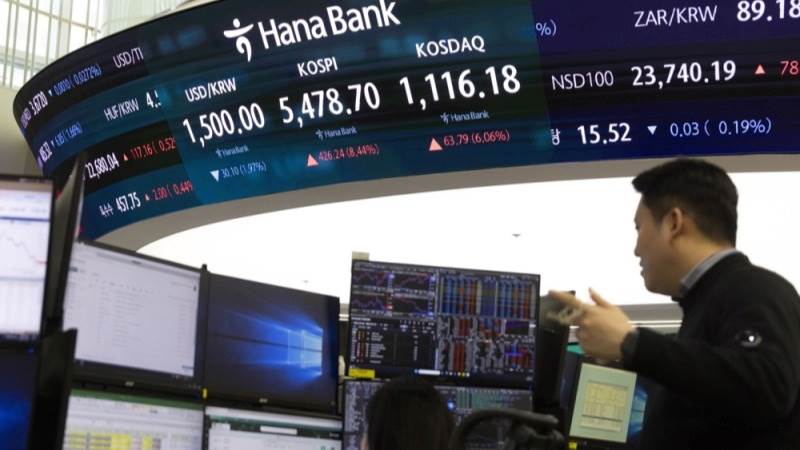
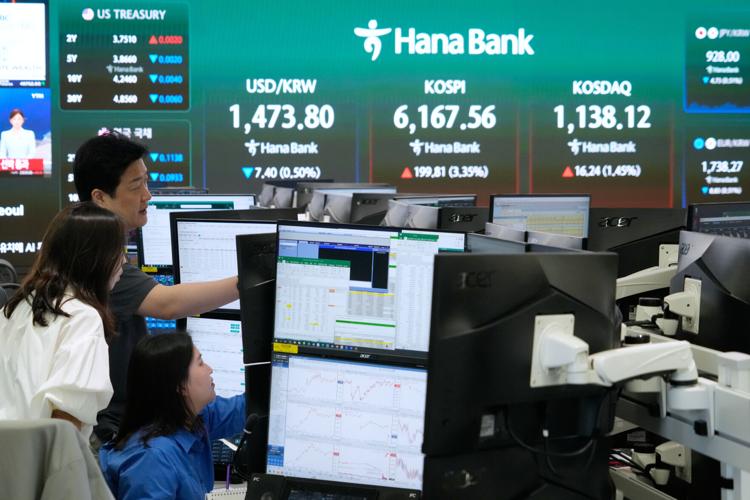
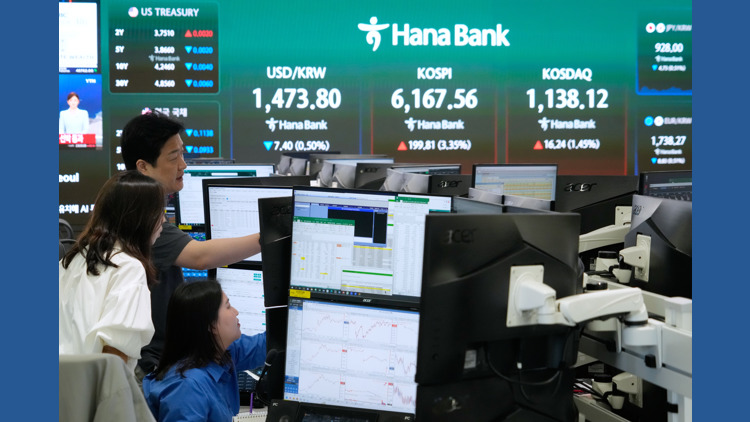
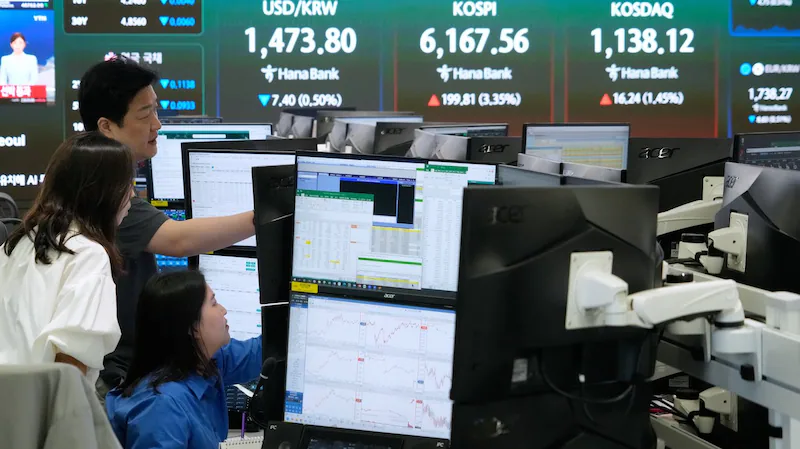
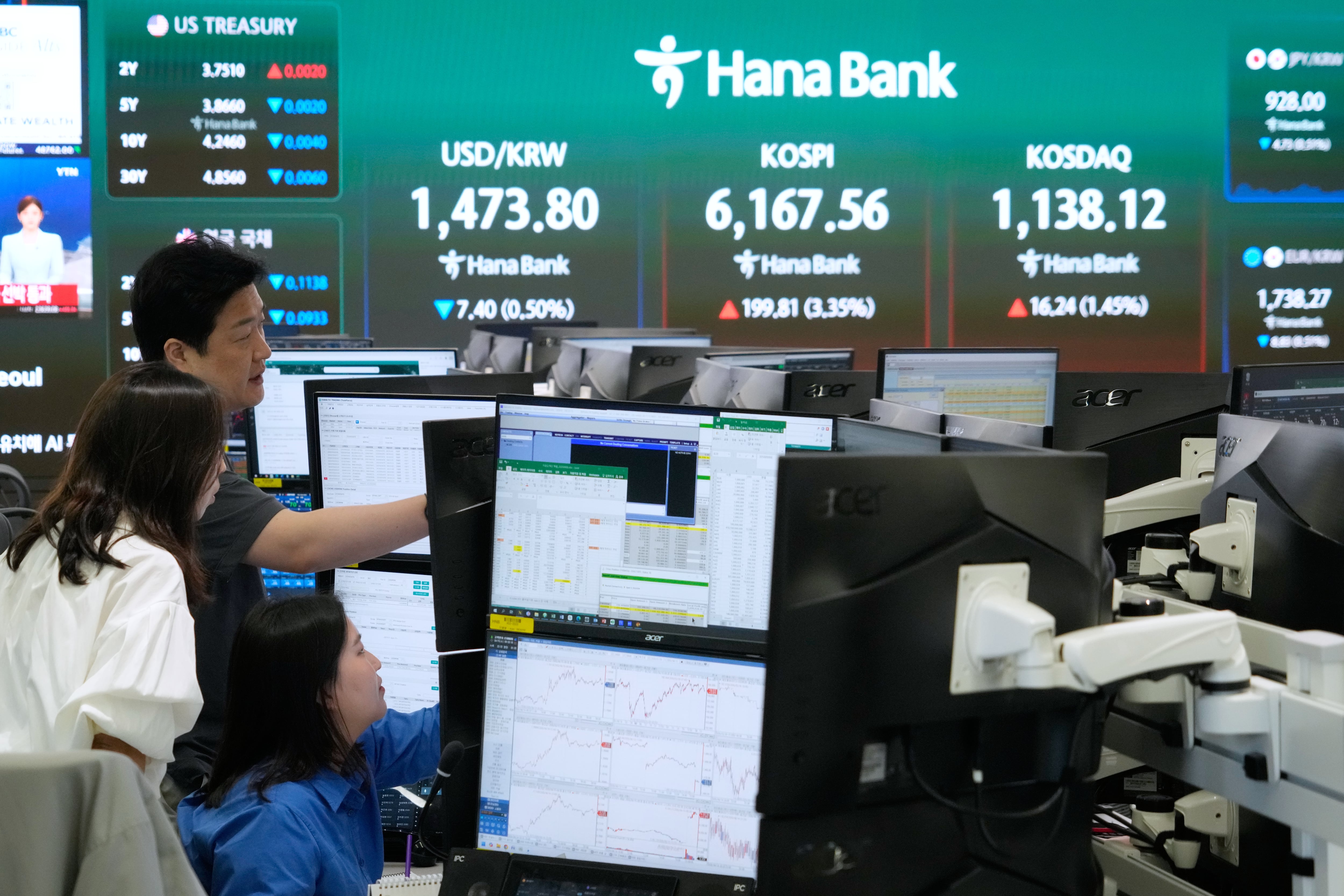
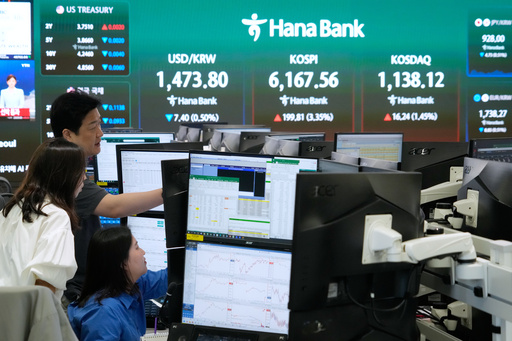
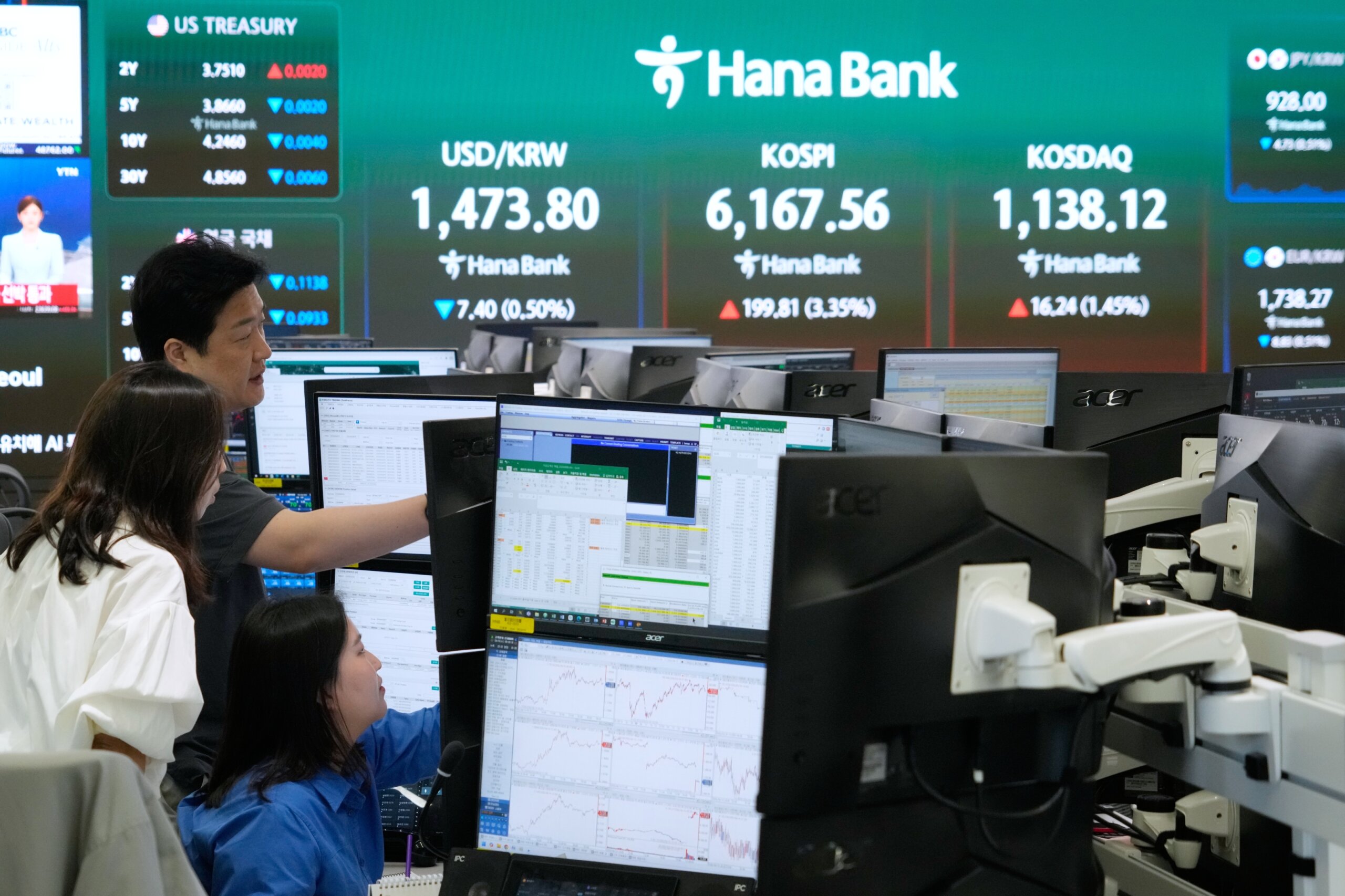
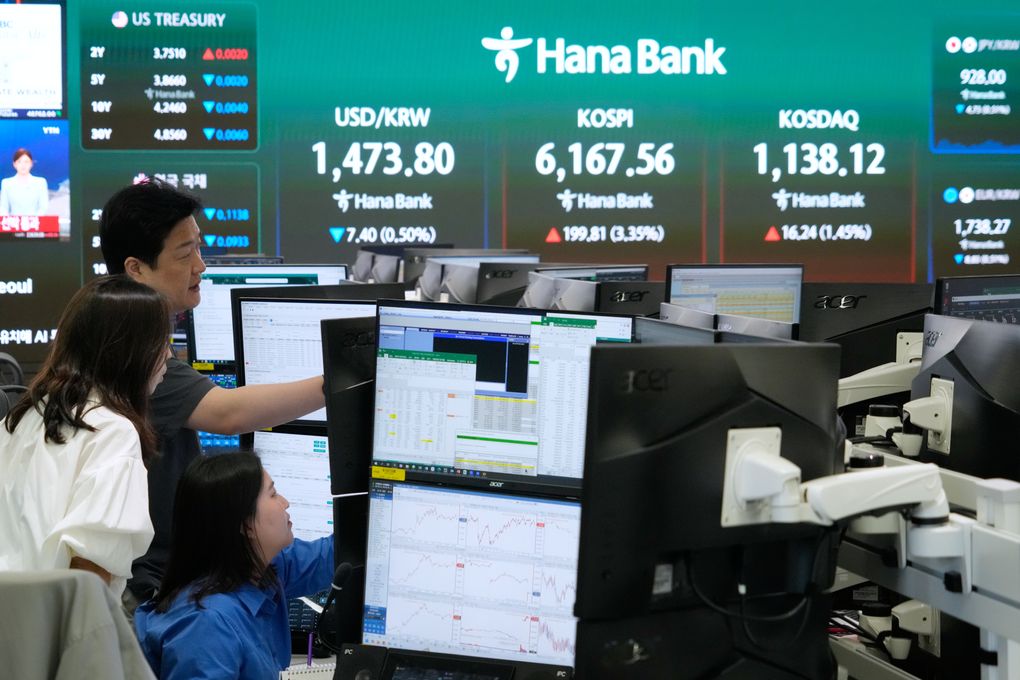
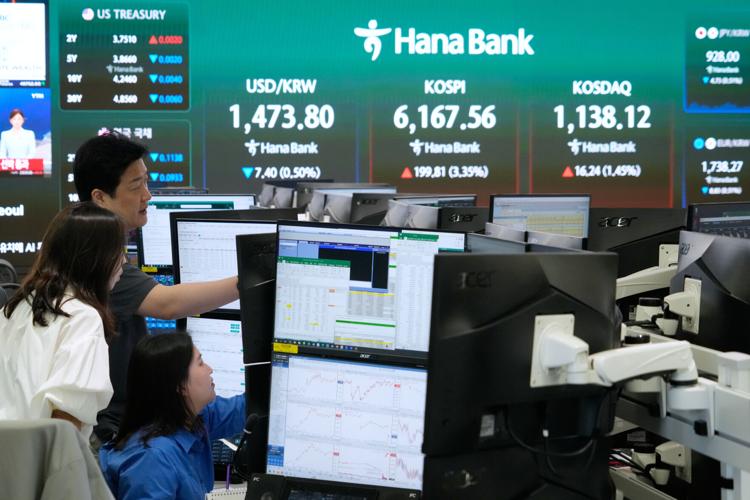
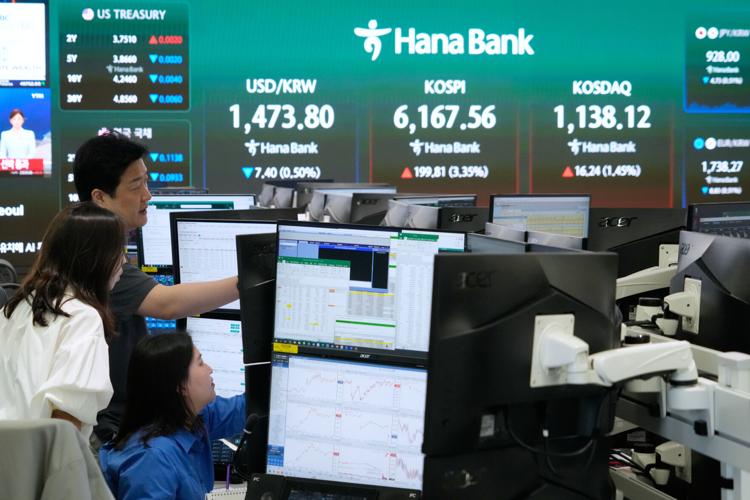
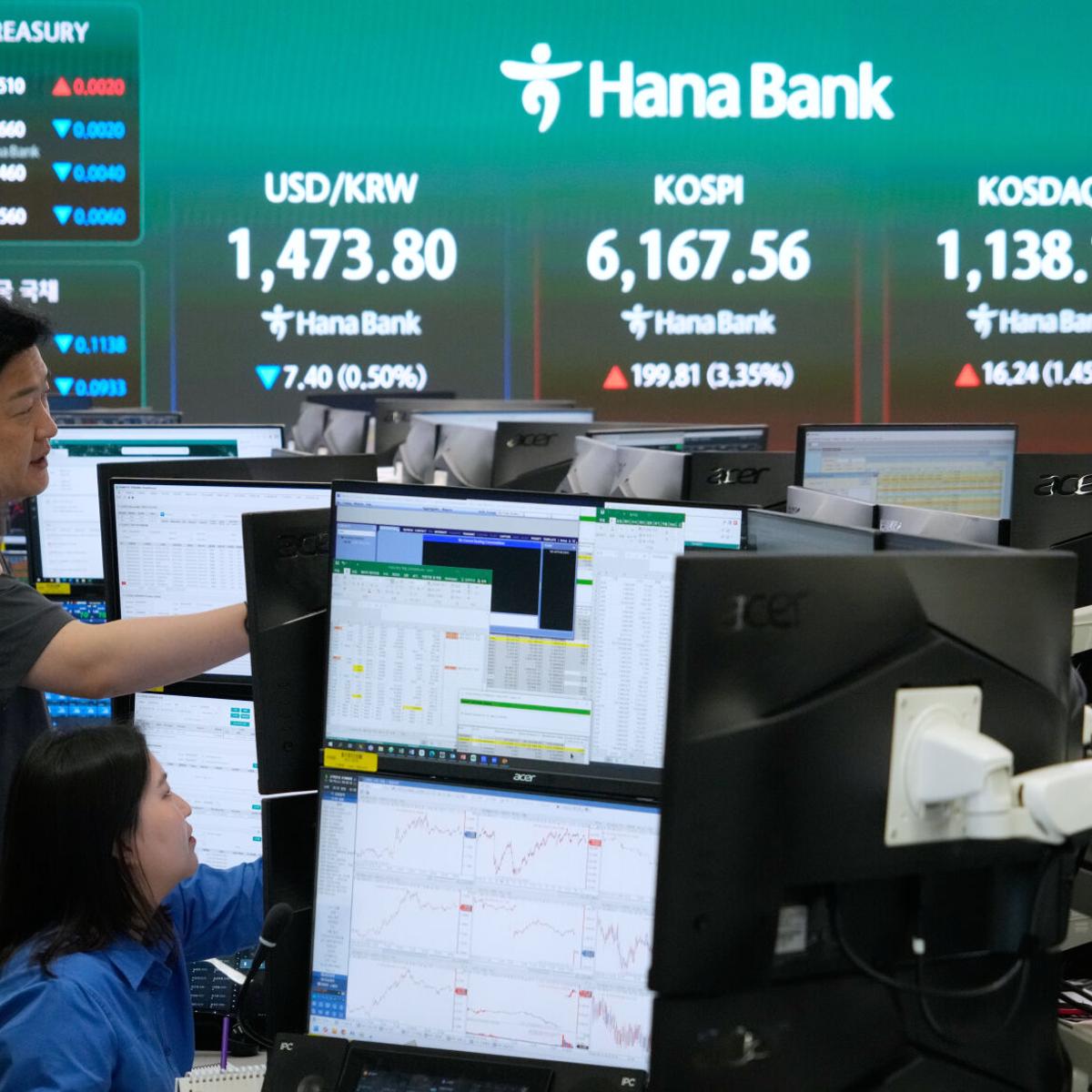
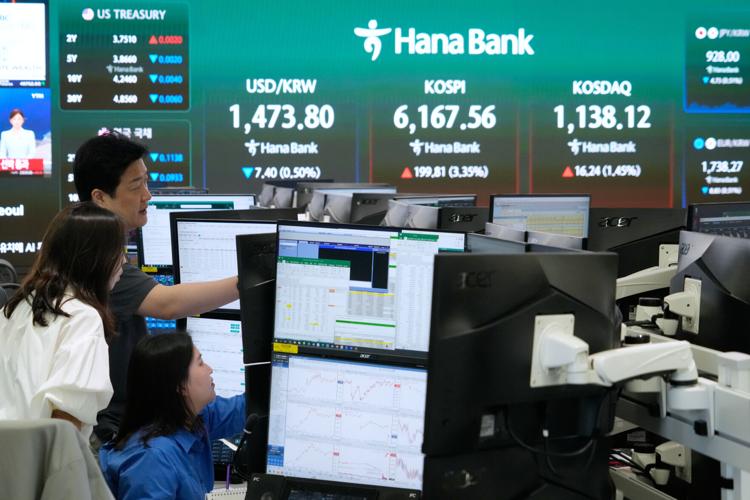
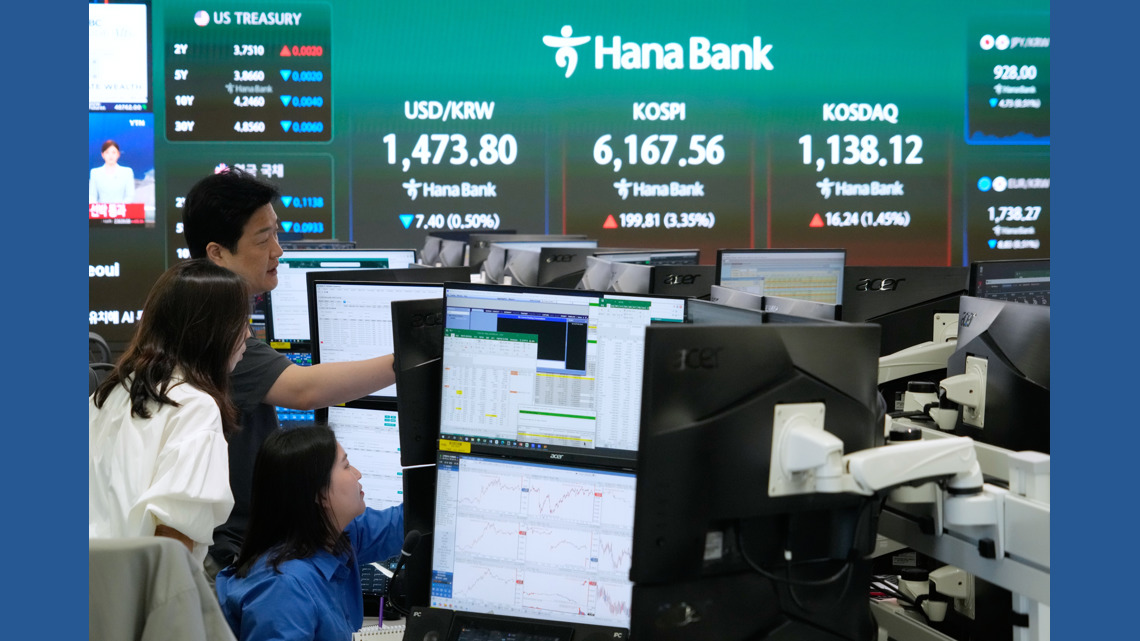
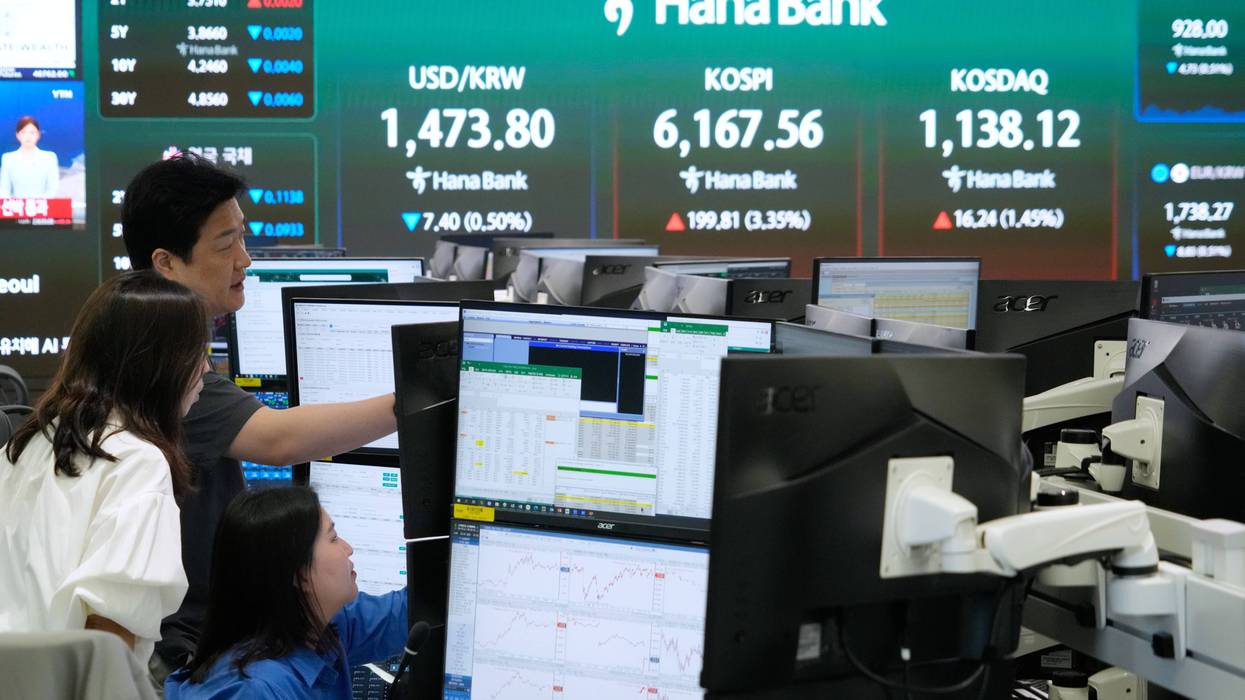
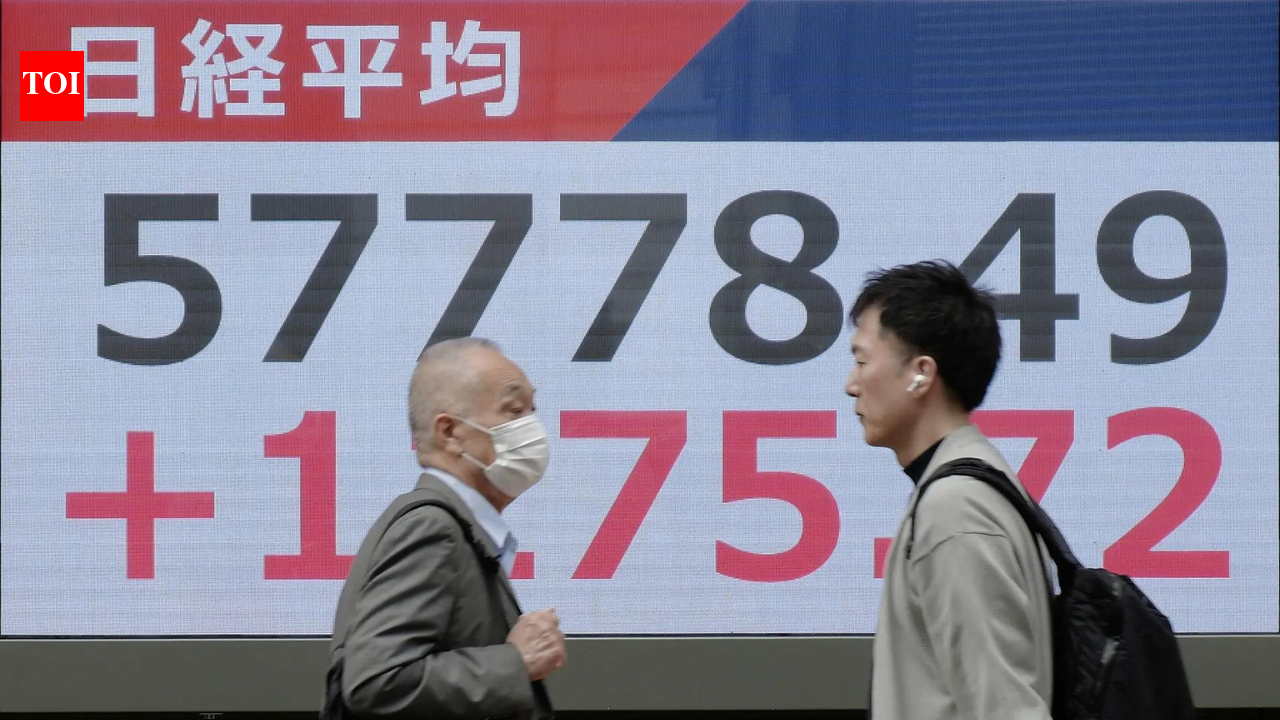
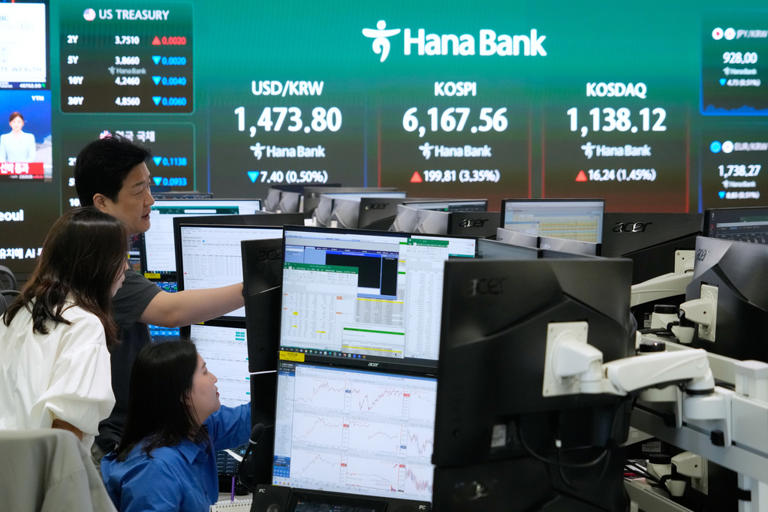
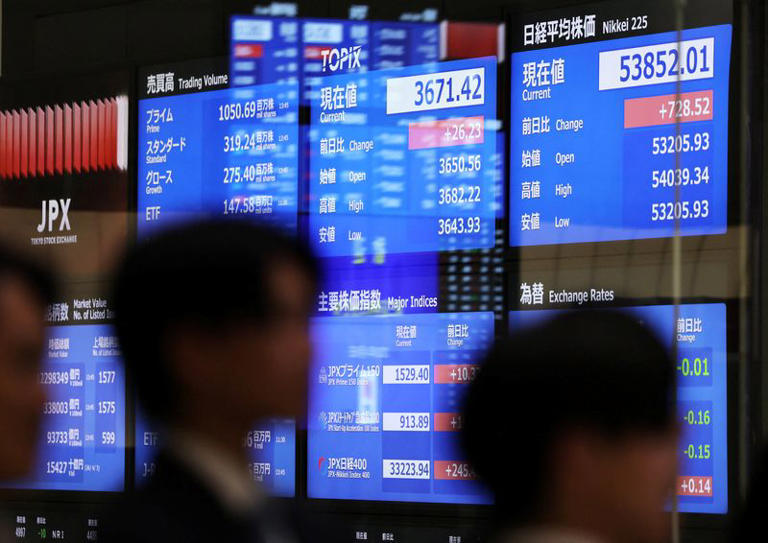
Geopolitical de-escalation between the U.S. and Iran is creating immediate logistics cost reductions for cross-border e-commerce sellers, with oil prices declining 0.38-0.36 per barrel as negotiators work toward reopening the Strait of Hormuz—a critical shipping corridor handling 21% of global petroleum trade. The April 15-16, 2026 diplomatic developments, including Trump's statement that the Iran conflict was "very close to over" and confirmation of second-round negotiations, triggered a 3-5% weekly rally across Asian equity markets (Japan's Nikkei +1.73%, South Korea's KOSPI +1.72%) and record highs on Wall Street (S&P 500 +0.80% to 7,022.95, Nasdaq +1.59% to 24,016.02). This market optimism directly translates to reduced freight forwarding expenses for sellers shipping via Middle Eastern corridors.
For cross-border sellers, the immediate operational impact centers on freight cost compression and supply chain predictability. International shipping rates are directly indexed to crude oil prices—a $5 barrel decline typically reduces ocean freight costs by 8-12% and air freight by 5-8%. Sellers utilizing 3PL providers shipping through the Suez Canal and Persian Gulf routes (approximately 40% of Asia-to-Europe trade) can expect $200-400 monthly savings on standard 20-foot container shipments. Chinese sellers exporting electronics, textiles, and consumer goods to European markets benefit most, as China's Q1 GDP growth of 5.0% (exceeding analyst expectations) combined with contained conflict impacts signals sustained export momentum. The news indicates sustained logistics cost advantages through mid-2026, provided negotiations progress toward a formal agreement by the May 2026 cease-fire expiration deadline.
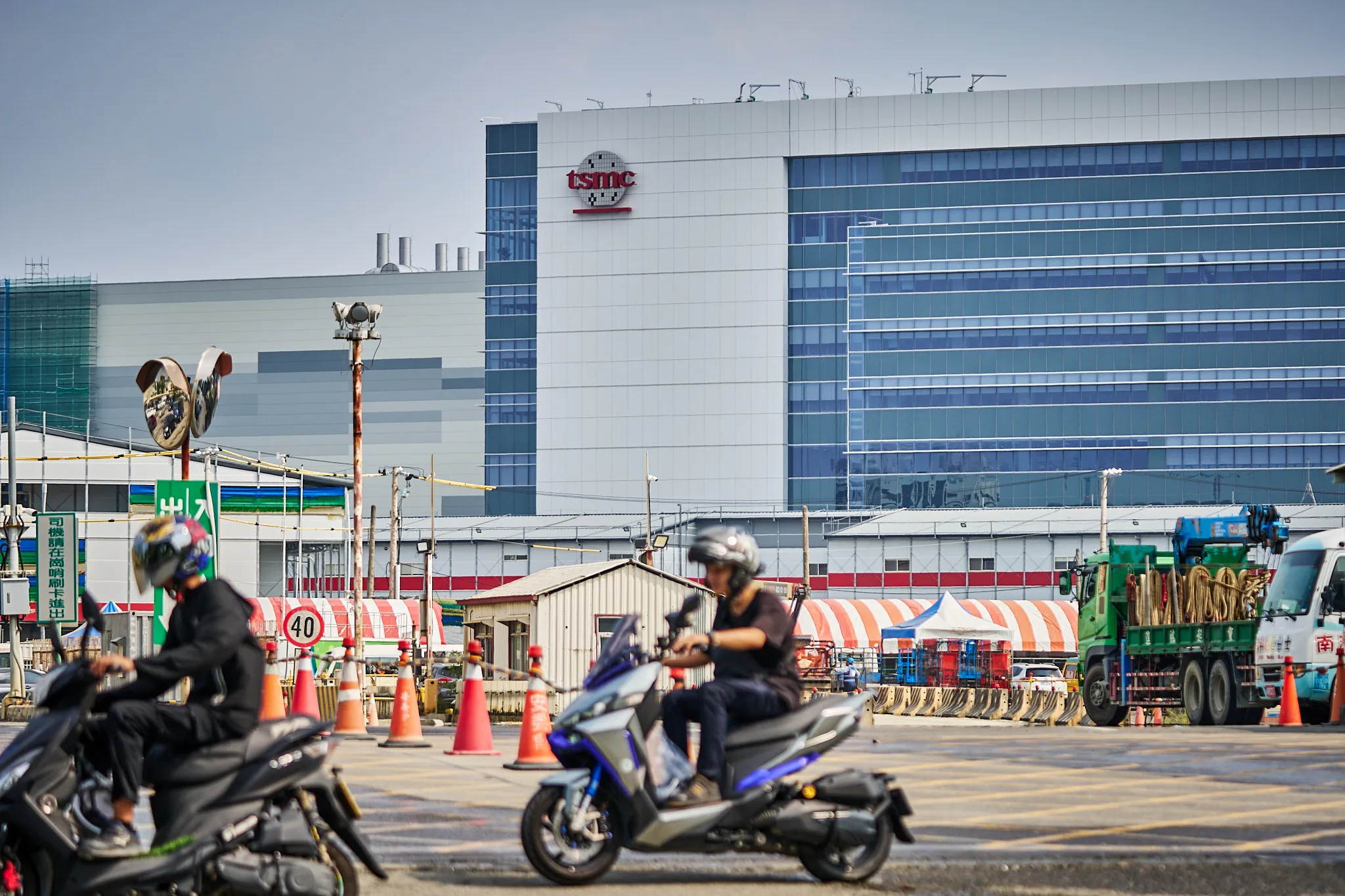
Strategic sourcing dynamics are shifting as Asian manufacturing hubs gain cost advantages over nearshoring alternatives. Goldman Sachs' constructive outlook on emerging market stocks, driven by AI-related demand and TSMC's projected 50% net profit surge, signals accelerating demand for electronics components sourced from Taiwan and Southeast Asia. Sellers currently sourcing from Vietnam, Thailand, and India for electronics, smart home devices, and consumer tech can negotiate better landed costs with suppliers, as their own logistics expenses decline. The competitive advantage window extends through Q3 2026, after which oil prices may stabilize at higher levels if negotiations conclude successfully. Sellers should prioritize inventory builds from Asia-Pacific suppliers during this period, locking in lower freight costs before the market reprices logistics expenses upward.
Questions 8
What compliance or documentation changes should I expect from geopolitical shifts?
If U.S.-Iran negotiations succeed and sanctions are lifted, customs documentation and tariff classifications for goods transiting the Strait of Hormuz may simplify. Currently, sellers must navigate complex routing to avoid Iranian waters, adding 3-5 days to transit times and requiring specialized customs brokers. Successful negotiations could eliminate these routing constraints, reducing documentation complexity and transit times by 5-7 days. Sellers should monitor U.S. State Department and EU customs announcements for tariff code changes or sanctions relief. No immediate compliance changes are expected before May 2026, but sellers should prepare for potential tariff reductions on goods from Iran-adjacent regions if negotiations conclude.
How should I adjust pricing strategy given lower logistics costs?
The news indicates 8-15% potential logistics cost reductions, creating margin expansion opportunities. Sellers can either (1) reduce retail prices 3-5% to gain market share, (2) maintain prices and expand margins by 5-10%, or (3) reinvest savings in marketing and inventory. For Amazon sellers, margin expansion improves IPI scores and Buy Box eligibility. For Shopify sellers, lower costs support competitive pricing in high-volume categories like electronics and home goods. The optimal strategy depends on category competitiveness—highly competitive categories (electronics, textiles) benefit from price reductions, while niche categories support margin expansion. Monitor competitor pricing weekly through April-June 2026 to time adjustments strategically.