


iPad Air OLED Launch 2027 | Tablet Market Shift & Seller Inventory Strategy
- Samsung Display mass production begins late 2026; March-May 2027 launch creates 15-25% pricing premium opportunity for electronics sellers; base iPad LCD retention signals budget segment stability







Overview
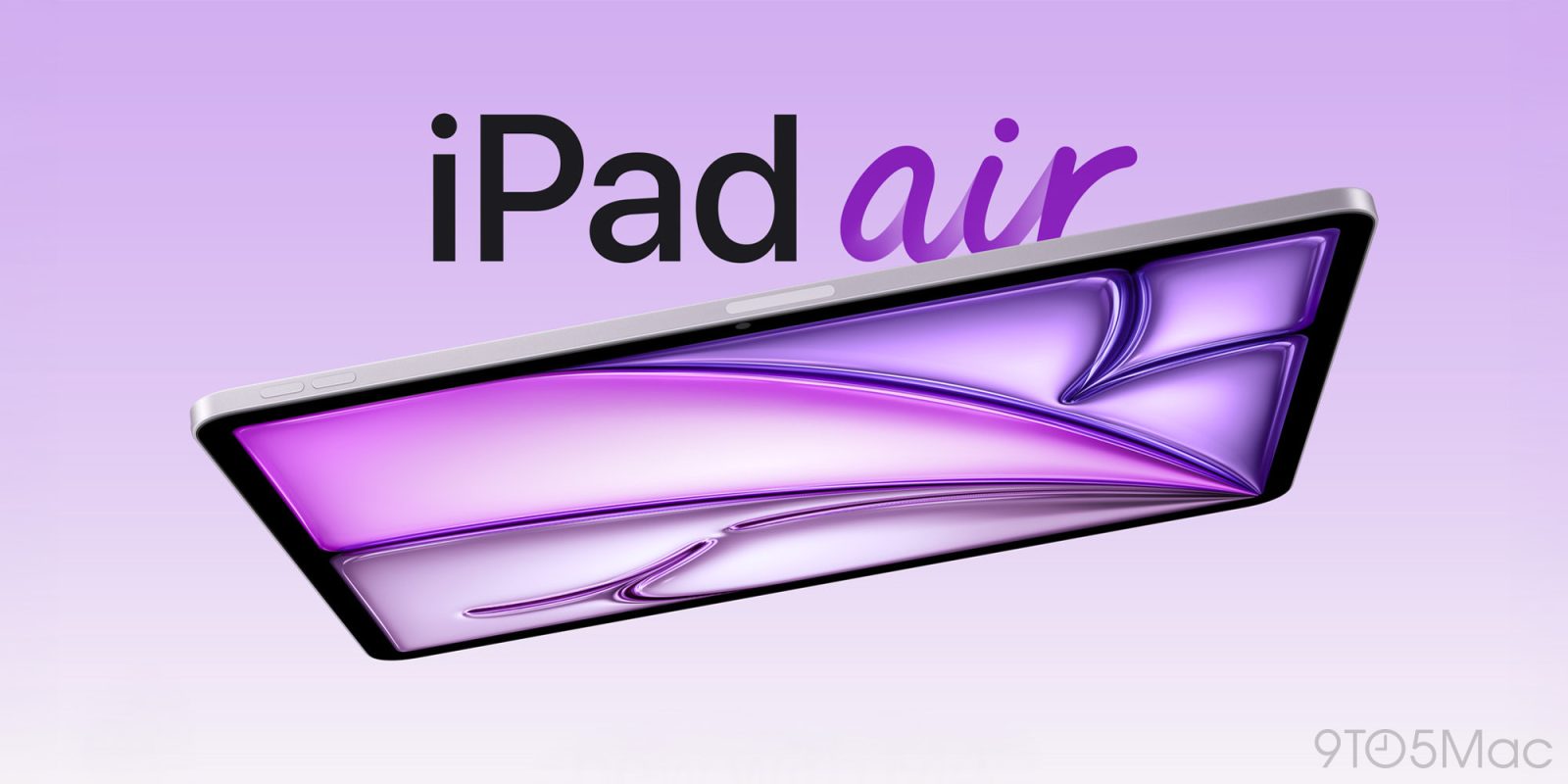
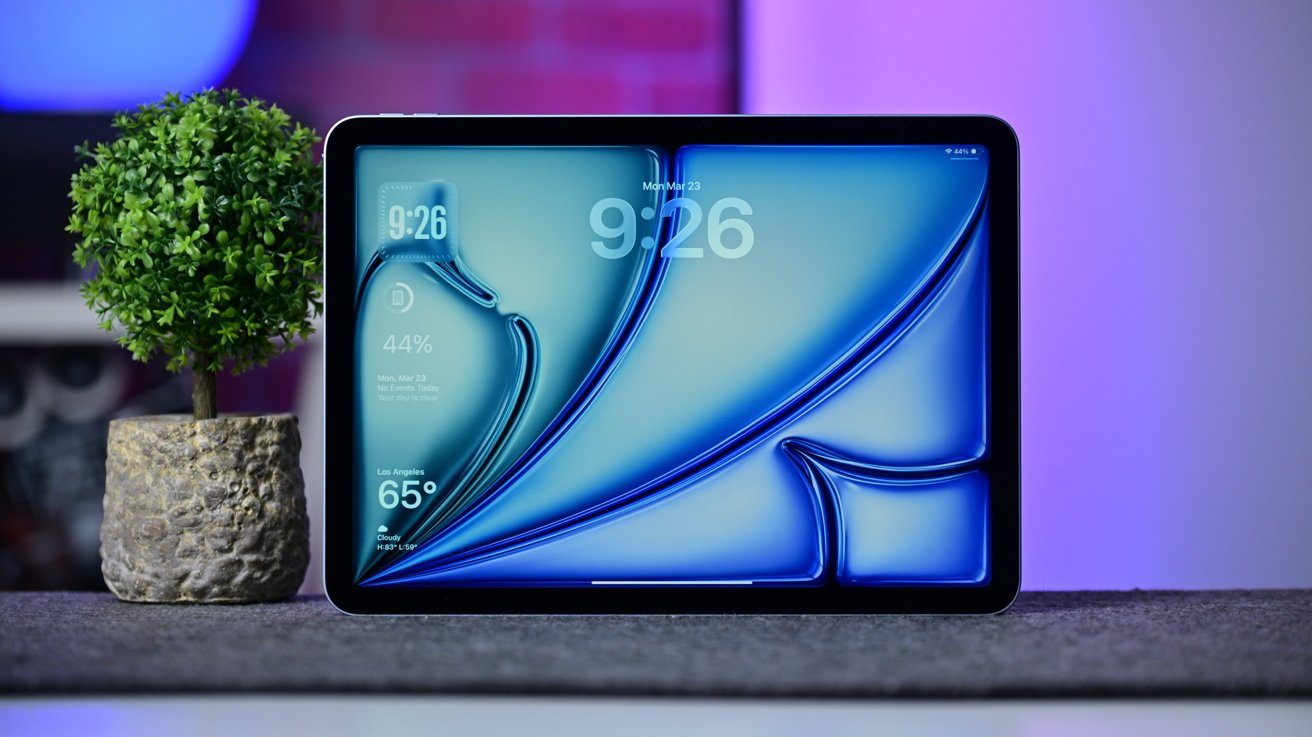
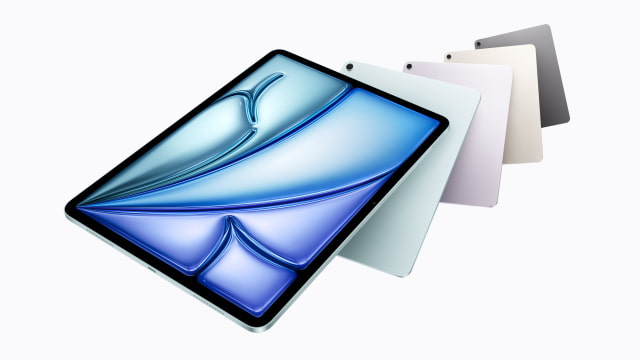
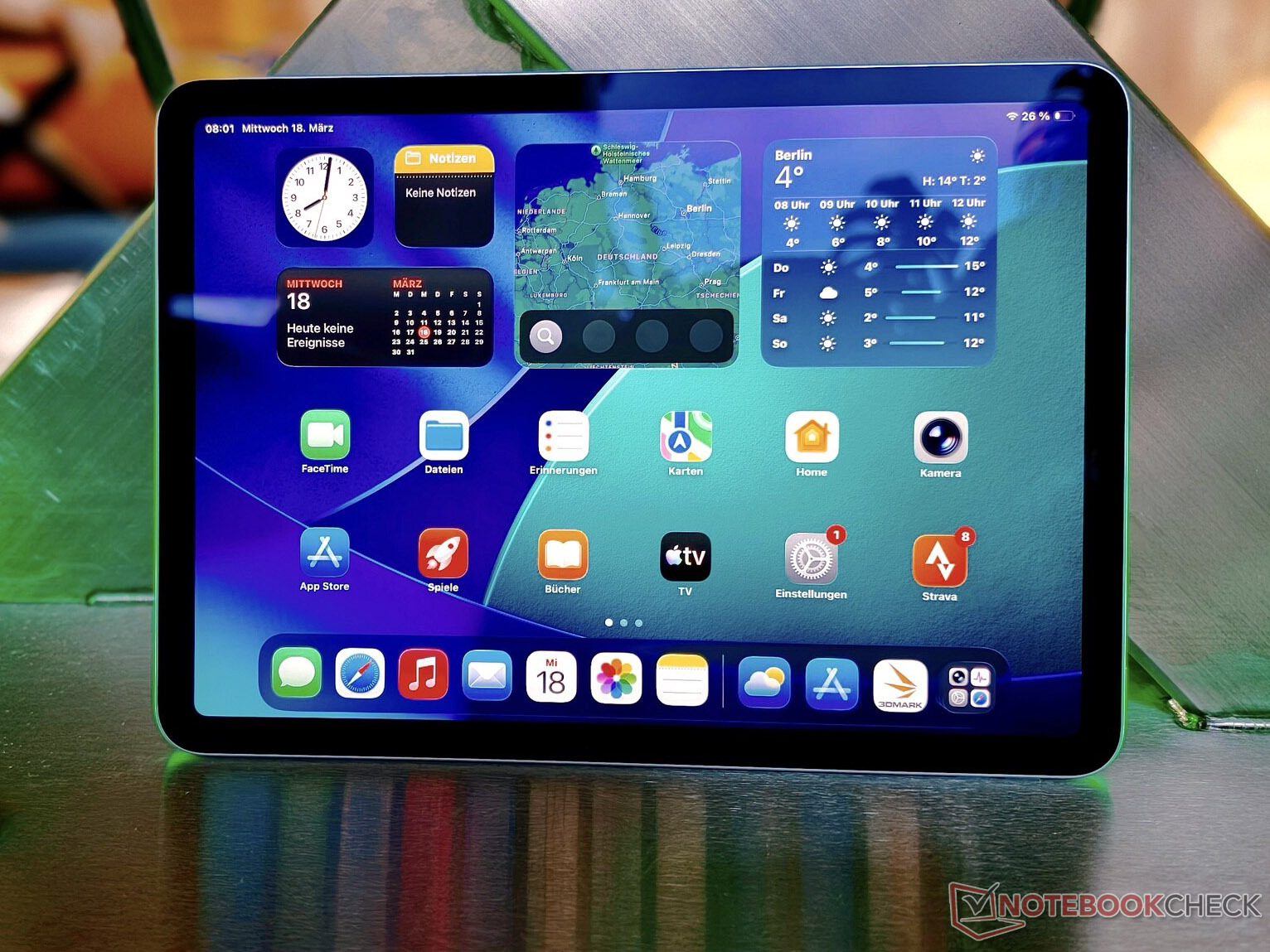
Apple's phased OLED transition across its iPad lineup represents a significant market restructuring with direct implications for cross-border electronics sellers. The iPad Air will transition to OLED display technology by early 2027, with Samsung Display commencing mass production in late 2026 and formal launch anticipated between March and May 2027. This strategic rollout follows successful iPad Pro OLED integration and precedes 8.5-inch iPad mini and MacBook Pro (14-inch/16-inch) OLED launches in 2025. The critical distinction: iPad Air will utilize cost-optimized OLED panels featuring single-stack emissive layers and LTPS thin-film transistors—a simplified architecture compared to iPad Pro's double-layered configuration—designed to minimize price increases while delivering OLED benefits including superior contrast, faster response times, and improved color accuracy.
For electronics sellers, this transition creates distinct inventory and pricing challenges across product tiers. Industry analysts note that OLED adoption typically commands 15-25% price premiums, making Apple's cost-reduction engineering critical for market acceptance. The iPad Air's higher sales volume compared to iPad Pro (making cost efficiency essential) contrasts with iPad Pro's previous pricing challenges following its OLED transition. Sellers stocking current-generation iPad Air inventory face potential margin compression as new OLED models launch; those positioned in budget tablet segments benefit from Apple's commitment to maintaining LCD technology in base iPad models, signaling continued demand for accessible entry-level options. The convergence of recent supply chain reports toward early 2027 launch dates suggests increasing confidence among industry analysts, though ETNews has shown less accuracy with product specifications and timeline predictions historically.
The broader market context reveals Apple's strategic confidence in Samsung Display's production capabilities and supply chain stability. This development signals continued investment in premium display technology across Apple's entire product ecosystem, with implications for component suppliers and manufacturing partners. For cross-border sellers, the phased rollout strategy demonstrates Apple's careful approach to managing consumer expectations and pricing sensitivity in the tablet market. Sellers should monitor official Apple announcements and supply chain developments for confirmed specifications and launch dates, as the OLED transition will influence pricing strategies, product positioning, and competitive dynamics throughout 2027. The base iPad's retention of LCD technology suggests Apple's commitment to maintaining an accessible entry-level option while elevating premium product tiers—a bifurcated strategy that creates distinct selling opportunities across budget and premium segments.
Questions 8
What product categories and accessories will benefit from iPad Air OLED launch?
iPad Air OLED launch creates demand opportunities across multiple accessory categories: protective cases and screen protectors (OLED-specific durability concerns), premium styluses (leveraging improved display responsiveness), keyboard covers (productivity positioning), and display cleaning products (OLED maintenance). The 15-25% price premium on OLED models typically drives accessory attachment rates 20-30% higher than LCD equivalents, as consumers invest in device protection for higher-value purchases. Sellers should increase inventory for OLED-compatible accessories by 40-60% starting Q4 2026. Additionally, monitor demand for current iPad Air accessories as existing inventory clears—potential for bundle deals and clearance strategies. Consider developing OLED-specific marketing content highlighting display advantages (superior contrast, color accuracy, faster response times) to drive accessory cross-selling during launch period.
How does iPad Air OLED adoption compare to iPad Pro's OLED transition and what lessons apply?
iPad Pro's OLED transition faced challenges due to higher manufacturing costs and elevated launch prices, resulting in subdued demand according to industry reports. Apple's iPad Air OLED strategy directly addresses these lessons through cost-optimized panel design (single-stack versus double-layer architecture) aimed at minimizing price increases. The critical difference: iPad Air typically sells significantly higher volumes than iPad Pro, making cost efficiency essential for market acceptance. Sellers should expect smoother iPad Air OLED adoption compared to iPad Pro's initial transition, with more competitive pricing and stronger consumer demand. However, the 15-25% OLED premium still applies, so sellers must prepare for margin compression and potential demand elasticity. Study iPad Pro OLED launch patterns (inventory clearance timelines, pricing strategies, accessory demand) to inform iPad Air OLED planning.