


Enterprise Hardware Discontinuations Signal B2B Marketplace Opportunity for Refurbished Tech Sellers
- Microsoft's Surface Hub discontinuation creates secondary market for 50-85 inch enterprise displays; sellers can capitalize on 10-year product lifecycle liquidation worth estimated $500M+ in used equipment inventory



Overview
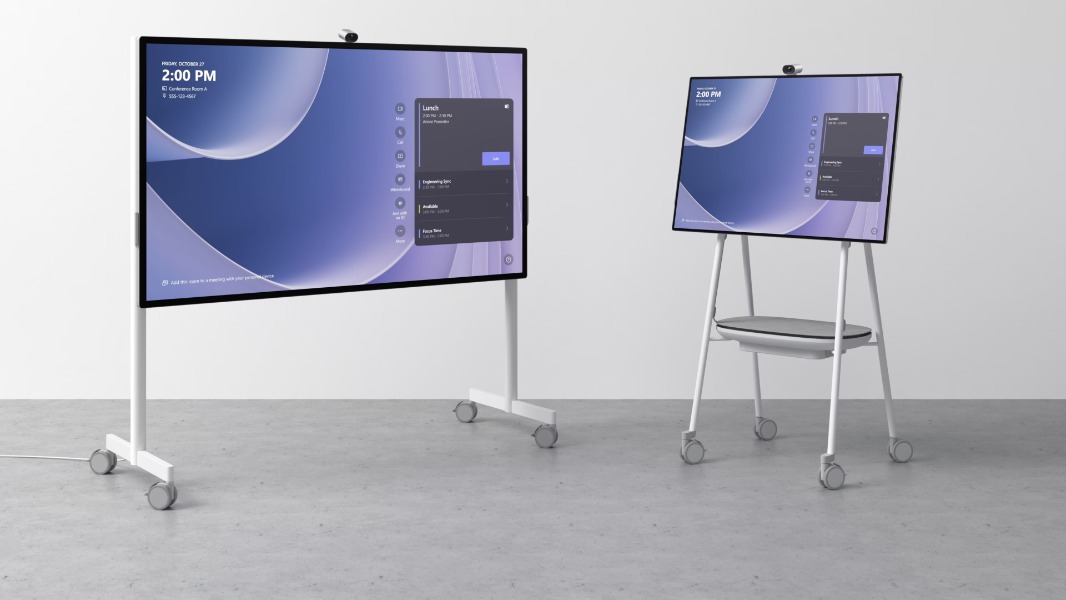
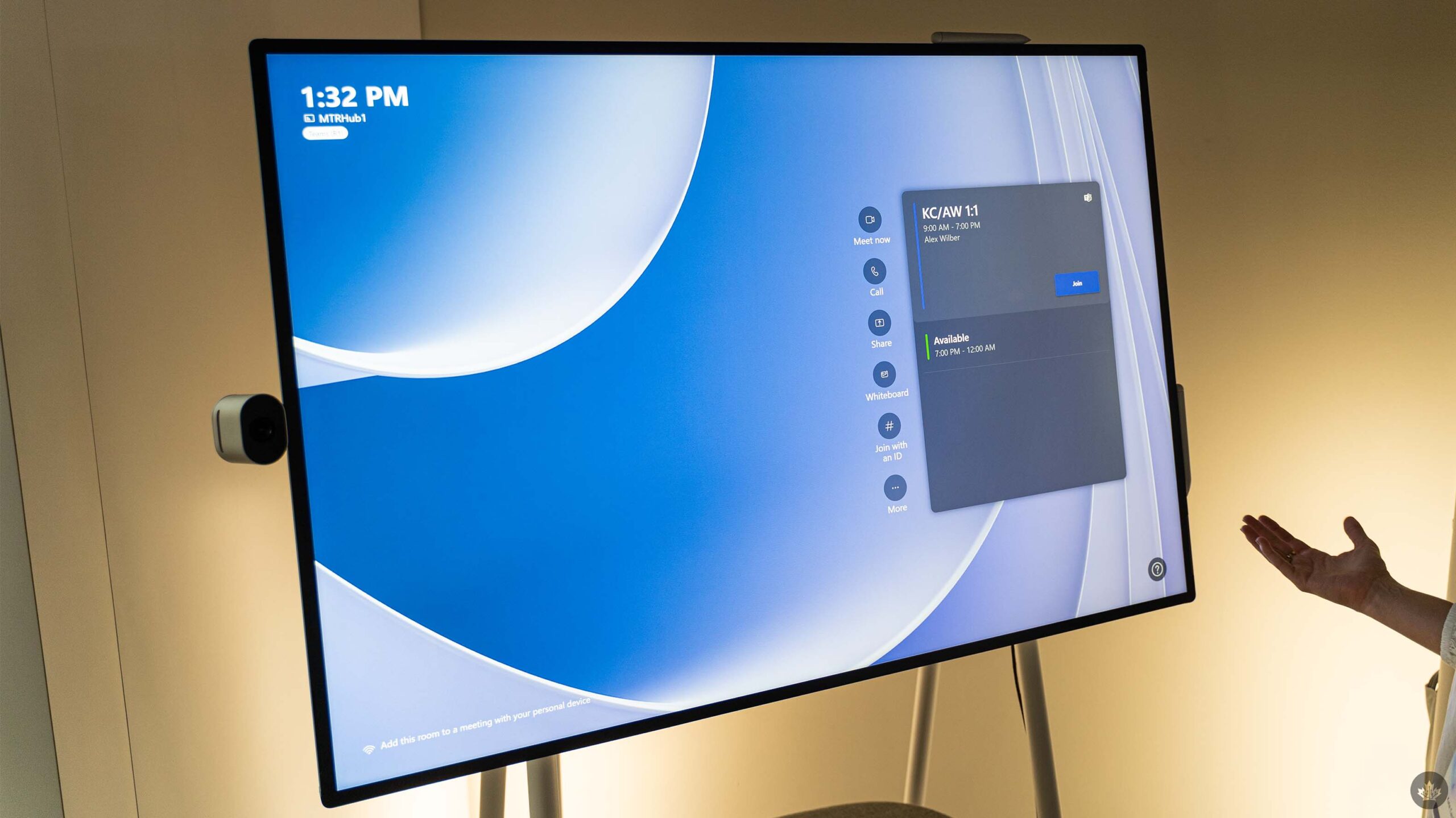
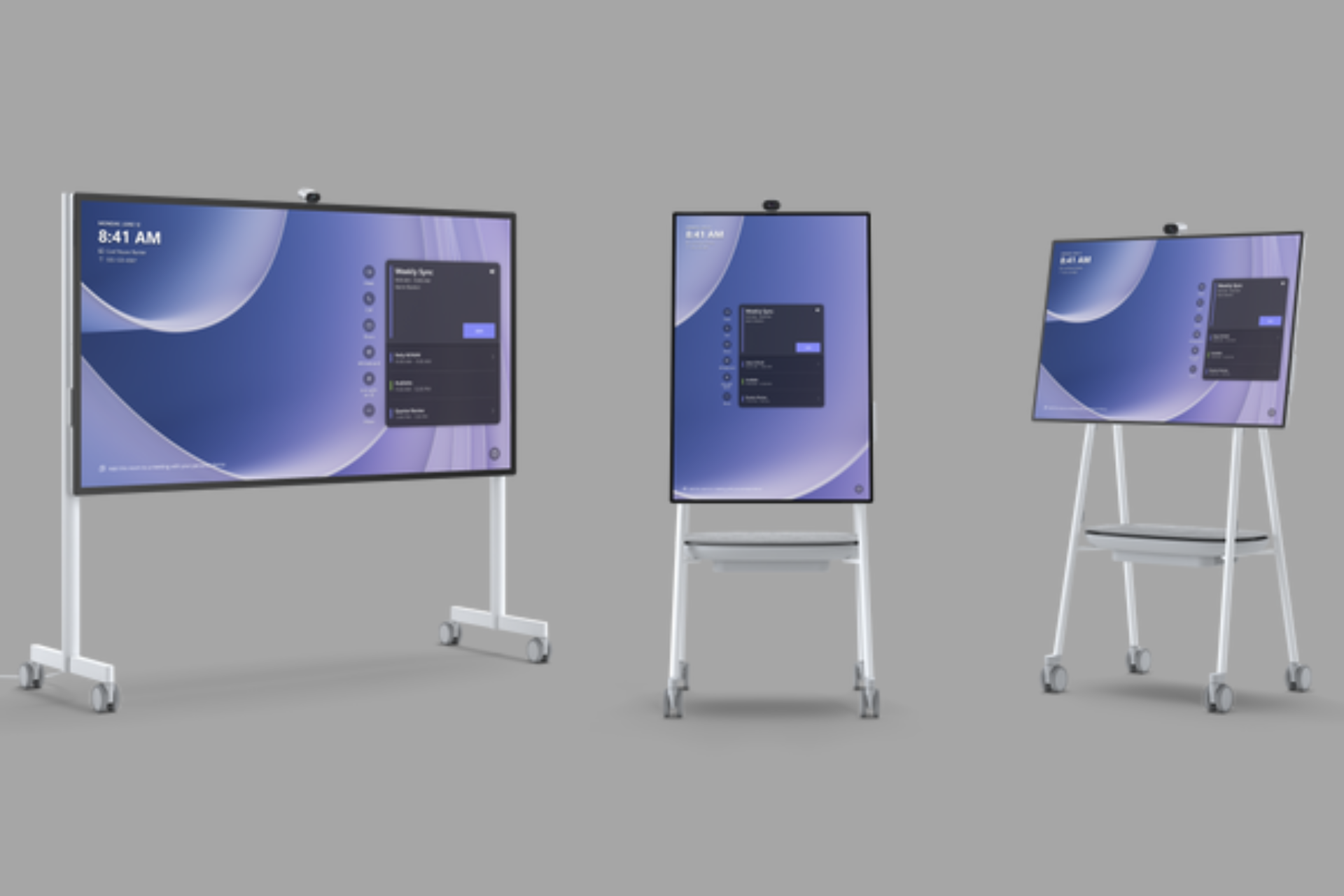
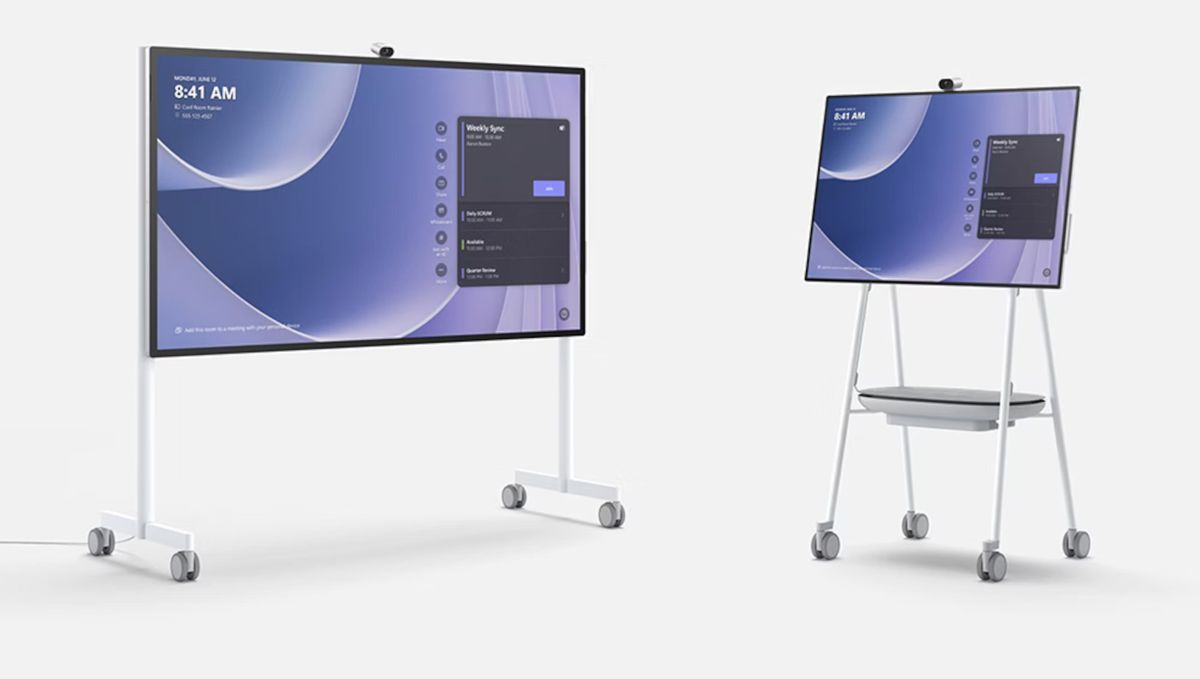
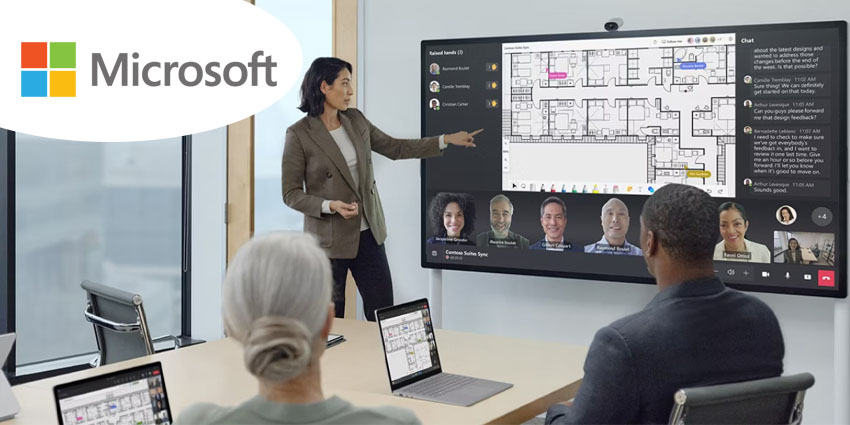
Microsoft's discontinuation of the Surface Hub represents a critical e-commerce opportunity for sellers specializing in refurbished enterprise hardware and commercial displays. The company's 10-year product lifecycle (2015-2025) generated millions of units across 50-inch and 85-inch touchscreen models with integrated PC components, now flooding secondary markets as organizations liquidate unused inventory. This discontinuation exemplifies a broader pattern: Microsoft's recurring hardware failures (Zune, Windows Phone, Microsoft Band, Surface Duo, Kinect) create predictable liquidation cycles that savvy sellers can exploit through Amazon Business, eBay Enterprise, and specialized B2B marketplaces.
The AI-Powered Opportunity: Sellers can use predictive analytics to identify which Microsoft hardware categories are approaching end-of-life based on product announcement dates and market adoption curves. Surface Hub's failure stemmed from premium pricing ($20K-$27K per unit) and pandemic-driven shift to remote work—factors that created massive inventory overstock. Organizations that purchased Surface Hubs during 2015-2020 peak adoption are now liquidating these assets, creating a 2-3 year window for bulk acquisition and resale. AI-powered demand forecasting can identify which enterprise segments (financial services, tech companies, education) still maintain Surface Hub infrastructure and require replacement parts, accessories, or compatible displays.
Competitive Intelligence Through Data Analysis: The news reveals Microsoft's consistent pattern: ambitious launches with initial optimism, followed by gradual market rejection and discontinuation. Sellers can apply this pattern to predict which current Microsoft products (HoloLens, Xbox Kinect accessories, Surface Duo components) will face similar fates. By monitoring Microsoft's quarterly earnings calls, product update frequency, and developer ecosystem health, sellers can front-run discontinuations and acquire inventory before prices collapse. The Surface Hub's quiet exit—without aggressive liquidation sales—suggests Microsoft is clearing inventory through enterprise channels, creating opportunities for B2B resellers to source bulk lots at 40-60% discounts.
Market Dynamics: The shift from physical collaboration tools to video conferencing platforms (Teams, Zoom) represents a structural market change. Organizations that invested $50K-$100K+ in Surface Hub ecosystems are now seeking alternative uses: conversion to digital signage, educational displays, or resale. Sellers can position refurbished Surface Hubs as affordable alternatives to new commercial displays from BenQ and Samsung, targeting budget-conscious enterprises, educational institutions, and government agencies. The 85-inch model particularly appeals to training facilities and conference centers seeking large-format displays at fraction of original cost.
Questions 8
What compliance and certification requirements apply to refurbished enterprise displays?
Refurbished enterprise displays must meet FCC certification (electromagnetic compatibility), UL safety standards, and accessibility requirements (ADA compliance for touchscreen interfaces). Sellers should verify original Microsoft certifications remain valid and obtain refurbishment documentation proving functionality testing. For B2B sales through Amazon Business and eBay Enterprise, sellers must provide detailed condition descriptions, warranty information, and technical specifications. Government and educational buyers often require additional certifications: EPEAT environmental standards, LEED compliance documentation, and accessibility testing. Sellers should obtain professional refurbishment certifications (CompTIA A+, Microsoft Certified Refurbisher) to command premium pricing and access institutional buyers. Documentation of parts replacement, software updates, and functionality testing protects against returns and builds buyer confidence in secondary market products.
What are the best channels for selling refurbished enterprise hardware like Surface Hub?
Amazon Business, eBay Enterprise Solutions, and specialized B2B marketplaces (Alibaba, Global Sources) represent primary channels for refurbished enterprise hardware. Amazon Business offers access to 5M+ business buyers with procurement workflows, bulk purchasing capabilities, and B2B pricing tools. eBay Enterprise Solutions provides auction and fixed-price options with enterprise buyer audiences. Specialized B2B marketplaces connect directly with corporate procurement teams and government agencies. Sellers should also consider direct sales channels: contacting corporate liquidators, educational institution procurement offices, and government surplus programs. Building relationships with corporate IT departments and facility managers creates recurring revenue through maintenance contracts, replacement parts, and upgrade services. Multi-channel strategy combining marketplace presence with direct B2B outreach maximizes reach and pricing power.