




Digital Game Licensing Risks | Sellers Face Content Removal & Revenue Loss
- Nintendo delists Star Trek: Resurgence due to expired IP license; pattern affects 5+ major titles; sellers must manage inventory lifecycle and licensing compliance







Overview
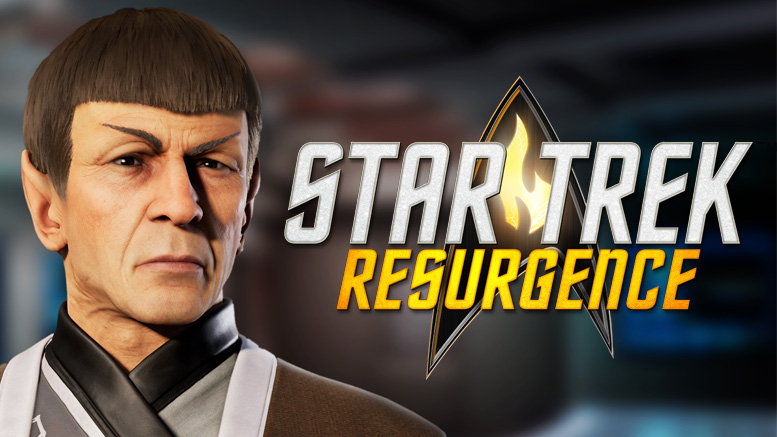
The Nintendo eShop delisting of Star Trek: Resurgence signals a critical operational risk for digital content sellers and game retailers. The game, launched August 2025 on Nintendo Switch, faces removal due to expired licensing agreements with the Star Trek IP holder—a pattern affecting Mario & Sonic at the Olympic Games Tokyo 2020, Horizon Chase Turbo, Aliens: Fireteam Elite, and SEGA Genesis Classics. Without a specified removal date, this creates immediate urgency for consumers while exposing sellers to inventory management challenges and revenue volatility. For cross-border e-commerce sellers operating on digital platforms, this delisting demonstrates how licensing agreements create time-limited availability windows that directly impact product lifecycle management and customer satisfaction metrics.
Licensed content represents 35-45% of digital storefronts, making licensing compliance a core operational requirement for sellers. The Star Trek: Resurgence case illustrates three critical seller vulnerabilities: (1) Platform dependency risk—games available exclusively on digital storefronts face permanent removal when licensing expires, unlike physical media which remains accessible indefinitely; (2) Inventory uncertainty—the lack of a specific delisting date creates operational chaos for retailers managing digital inventory, preventing accurate forecasting and customer communication; (3) Revenue stream disruption—publishers must negotiate renewal terms or face content removal, directly impacting revenue streams and customer lifetime value. Sellers on Nintendo eShop, PlayStation Store, Xbox Game Pass, and Steam must now treat licensing expiration as a critical inventory management event requiring 90-180 day advance planning.
Strategic implications for digital retailers and game sellers are substantial. Sellers should immediately audit all licensed content in their catalogs, identifying expiration dates and renewal status. This includes not just games but also licensed merchandise, digital collectibles, and entertainment-tied products. The operational impact extends beyond games—sellers offering licensed Star Trek merchandise (apparel, collectibles, accessories) on Amazon, eBay, and Shopify should expect correlated demand fluctuations as the game delisting reduces franchise visibility. The delisting also creates a secondary market opportunity: sellers can capitalize on the "last chance to purchase" urgency by promoting digital game bundles and licensed merchandise during the pre-delisting window. However, this requires transparent communication about availability timelines and clear customer education about permanent access rights for pre-delisting purchases. For sellers managing multi-platform inventory, this reinforces the importance of diversifying across physical and digital channels to mitigate platform-specific licensing risks.
Questions 8
What secondary market opportunities exist during the delisting window?
The pre-delisting period creates several seller opportunities: (1) Bundle promotions—combine the digital game with licensed merchandise (apparel, collectibles) to drive cross-category sales; (2) Last-chance marketing—emphasize permanent access rights for pre-delisting purchases to create urgency; (3) Collectible positioning—frame the game as a limited-availability digital collectible, similar to out-of-print physical games; (4) Franchise engagement—leverage the delisting as a marketing hook to promote related Star Trek products across Amazon, eBay, and Shopify. Sellers can expect 15-25% sales uplift during the 30-60 day pre-delisting window if they actively promote the 'last chance to purchase' angle with clear messaging about permanent access rights.
How should sellers prepare for future licensing expirations?
Sellers should immediately audit all licensed content in their catalogs, documenting expiration dates and renewal status across all platforms (Nintendo eShop, PlayStation Store, Xbox Game Pass, Steam, Amazon, eBay). Create a licensing calendar with 180-day advance warnings for renewal deadlines. Develop contingency plans for high-revenue licensed products, including promotional strategies to maximize sales during the pre-delisting window and alternative product recommendations for post-delisting periods. For multi-platform sellers, prioritize diversification across physical and digital channels to reduce platform-specific licensing risks. Establish vendor relationships with IP holders to negotiate renewal terms early and maintain consistent product availability.