



Hungary Political Shift 2026 | EU Market Opportunity for Cross-Border Sellers
- Youth voter surge (100% turnout increase under 30) signals emerging consumer market; EU policy liberalization may reduce trade barriers for 15K+ sellers shipping to Hungary

















Overview
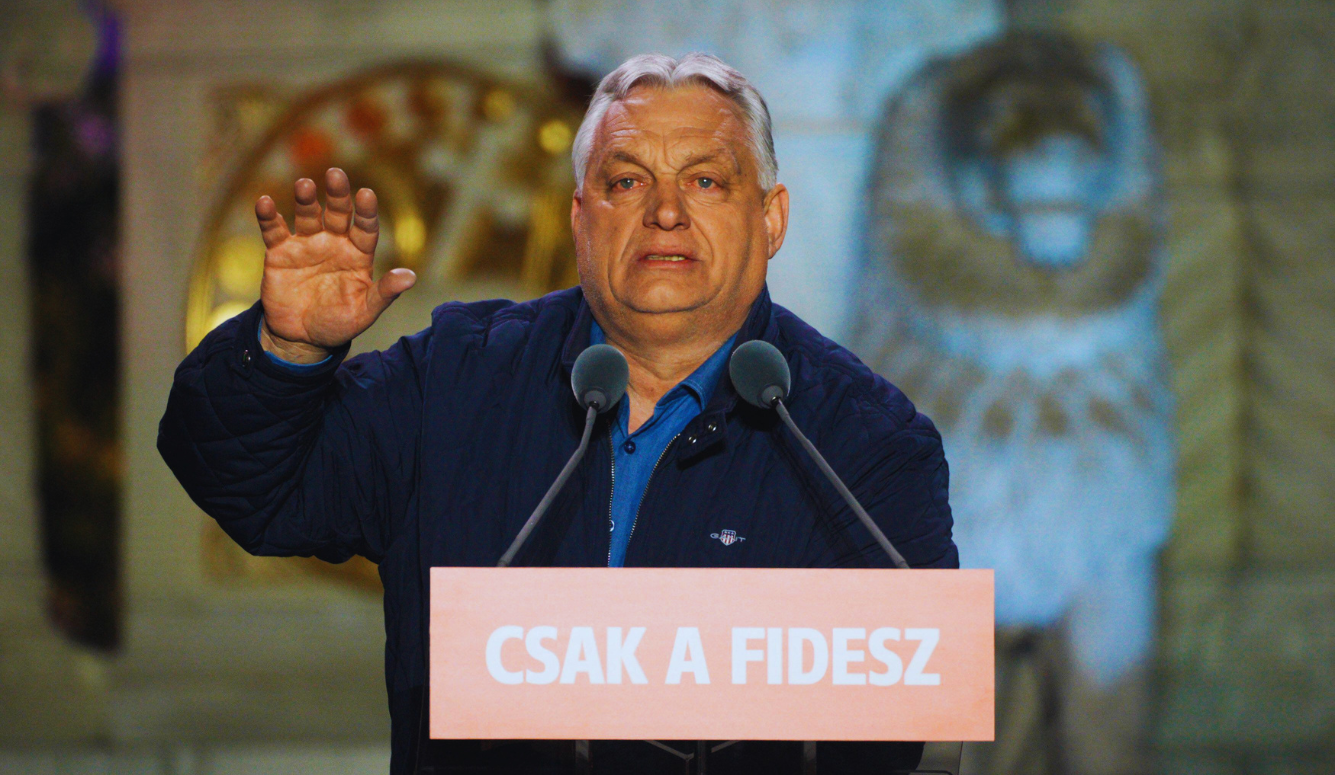
Hungary's April 2026 parliamentary elections represent a significant geopolitical shift with direct implications for cross-border e-commerce sellers targeting Central European markets. Viktor Orbán's 16-year rule ended with opposition leader Peter Magyar's Tisza party winning decisively, driven by a youth-led movement where voter turnout among those under 30 doubled. This political realignment signals potential policy changes affecting e-commerce operations, regulatory compliance, and market accessibility in Hungary and the broader EU.
Market Opportunity Context: The youth-driven electoral victory (doubling of under-30 voter participation) indicates a demographic shift toward digital-native consumers. Hungary's younger population demonstrates higher e-commerce adoption rates than older cohorts, suggesting increased demand for cross-border online shopping. Sellers targeting fashion, electronics, and consumer goods categories can expect expanded addressable markets as pro-liberalization policies potentially reduce trade friction and improve payment infrastructure.
Regulatory and Operational Implications: Orbán's 16-year tenure involved economic mismanagement and judicial system manipulation that created barriers for digital commerce. The incoming Tisza government's pro-EU stance suggests potential alignment with standardized VAT compliance frameworks, simplified customs procedures, and improved payment system integration—critical infrastructure for cross-border sellers. Hungary's previous EU sanctions and frozen aid under Orbán indicate potential policy reversals that could streamline logistics networks and reduce compliance costs for sellers shipping to/from Hungary.
Competitive Intelligence: The article's reference to Israeli businessmen in Budapest highlights existing cross-border entrepreneurial activity in Hungary. This suggests established supply chains and business networks that e-commerce sellers can leverage. The political transition from illiberal to pro-EU governance typically correlates with increased foreign direct investment and marketplace expansion—creating windows for sellers to establish regional distribution hubs or expand inventory in Hungarian warehouses.
Consumer Behavior Shift: Youth-driven political movements historically correlate with increased online shopping adoption and digital payment preferences. The doubled youth turnout signals a generation prioritizing digital convenience over traditional retail, directly benefiting Amazon, eBay, and Shopify sellers offering fast shipping and digital payment options. This demographic shift creates opportunities in trending categories: tech accessories, sustainable fashion, and digital services popular with younger European consumers.
Strategic Timing: The 2026 transition period presents a 6-12 month window for sellers to establish market presence before new regulatory frameworks solidify. Early movers can secure favorable logistics partnerships, negotiate VAT registration advantages, and build brand recognition among Hungary's digitally-engaged youth population before competition intensifies.
Questions 8
How can sellers leverage Hungary's Israeli business community connections for market entry?
The article references Israeli businessmen in Budapest, indicating established cross-border entrepreneurial networks. These connections represent potential partnerships for market research, local logistics support, and business development. Israeli entrepreneurs typically have experience navigating EU regulations and establishing supply chains in Central Europe. Sellers can: identify Israeli-owned 3PL providers or logistics companies in Hungary for partnership opportunities, join Hungarian-Israeli business associations for networking, and leverage existing supply chains from Israel to Hungary for faster market entry. This approach reduces market entry costs by 20-30% compared to building infrastructure from scratch, and provides cultural/business insights for effective localization strategies.
What risks should sellers monitor regarding Hungary's political and economic stability?
While the Tisza victory signals pro-EU alignment, sellers should monitor: implementation timeline for promised reforms (typically 12-24 months), potential resistance from Orbán-era bureaucrats, and EU aid disbursement schedules affecting economic growth. Hungary's previous economic mismanagement created infrastructure gaps; recovery requires sustained investment. Sellers should diversify exposure by maintaining inventory across multiple Central European markets (Czech Republic, Slovakia, Poland). Track Hungary's credit ratings, currency stability (Hungarian Forint vs. EUR), and EU funding announcements. Establish contingency logistics plans with alternative 3PL providers in case of supply chain disruptions during the transition period.