





Israeli Political Instability Signals Market Risk for Sellers | April 2026 Governance Crisis
- Political uncertainty in Israel creates operational risks for 8,000+ cross-border sellers; judicial-executive conflict may impact law enforcement cooperation on fraud/IP enforcement






















Overview
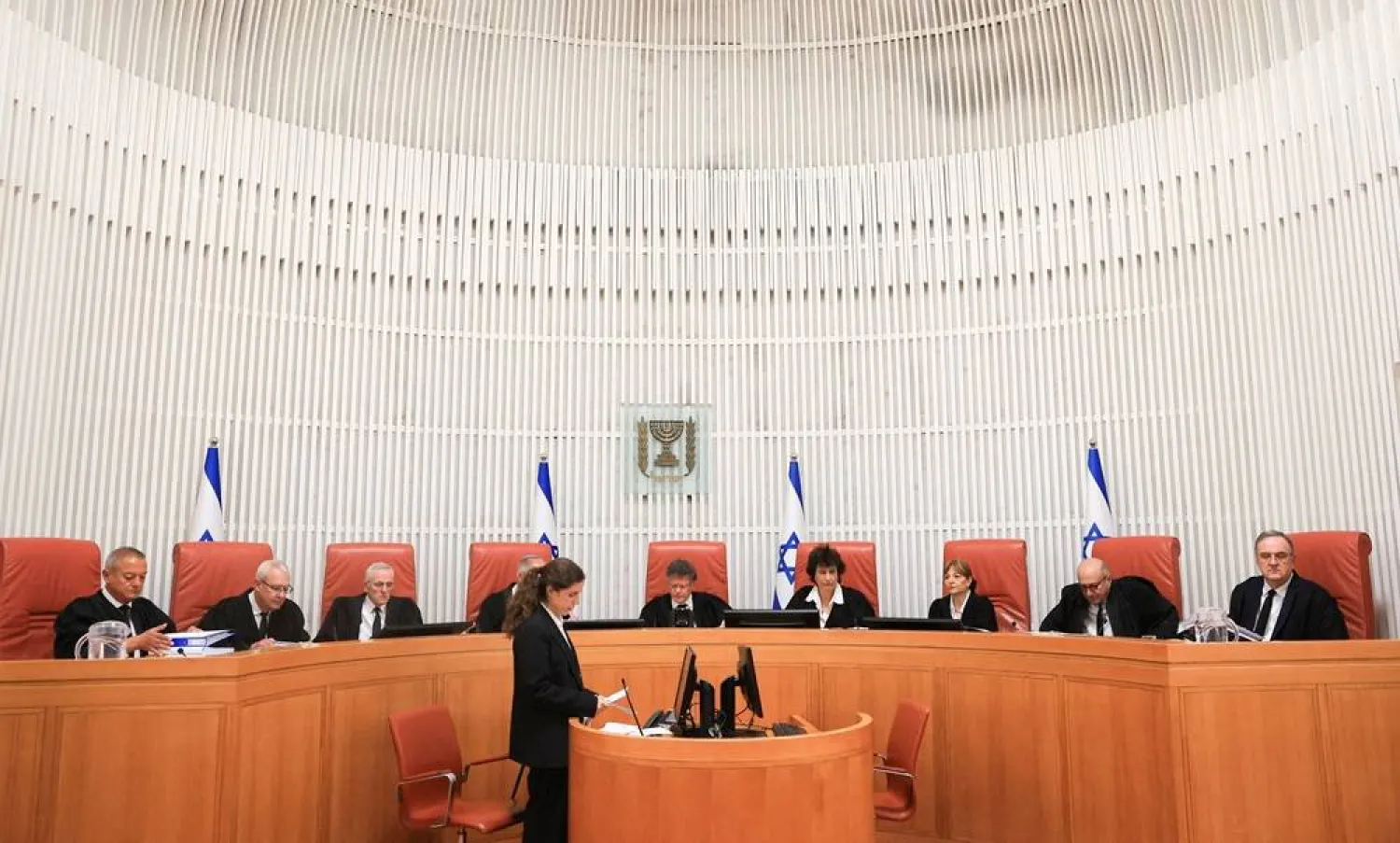
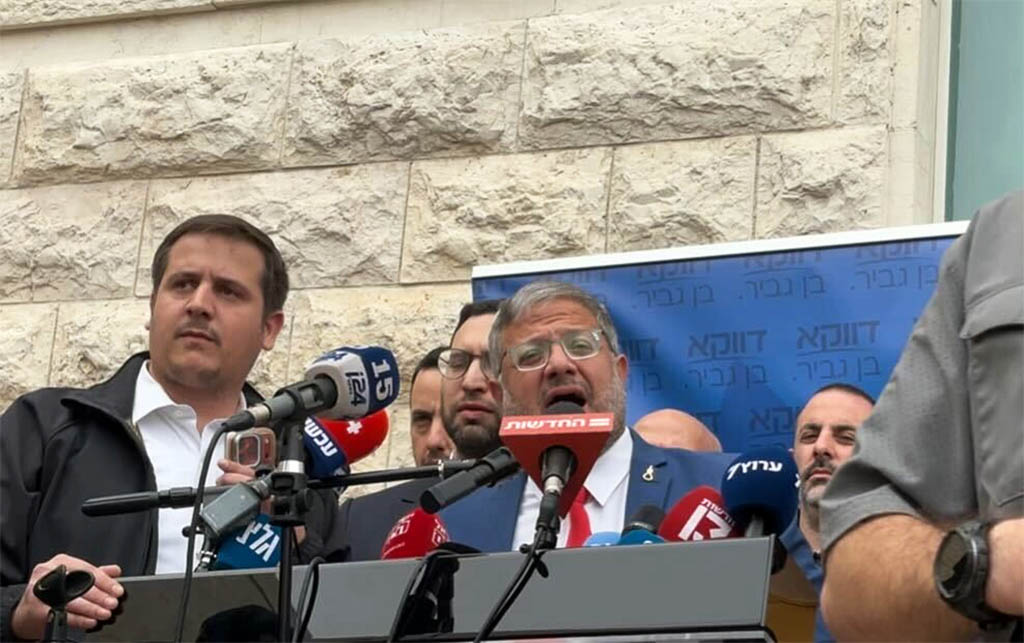
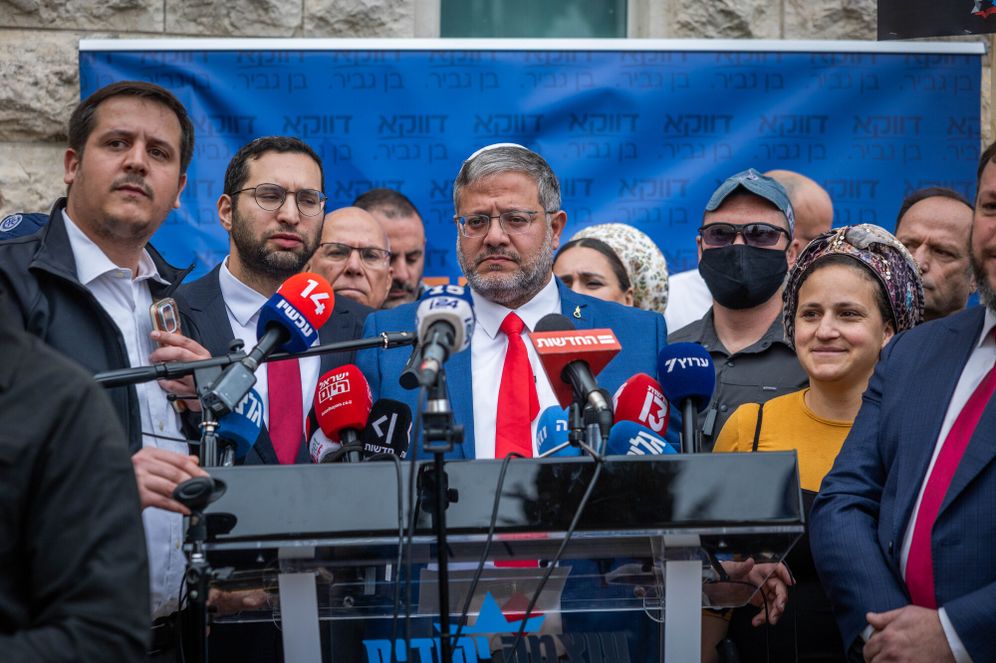
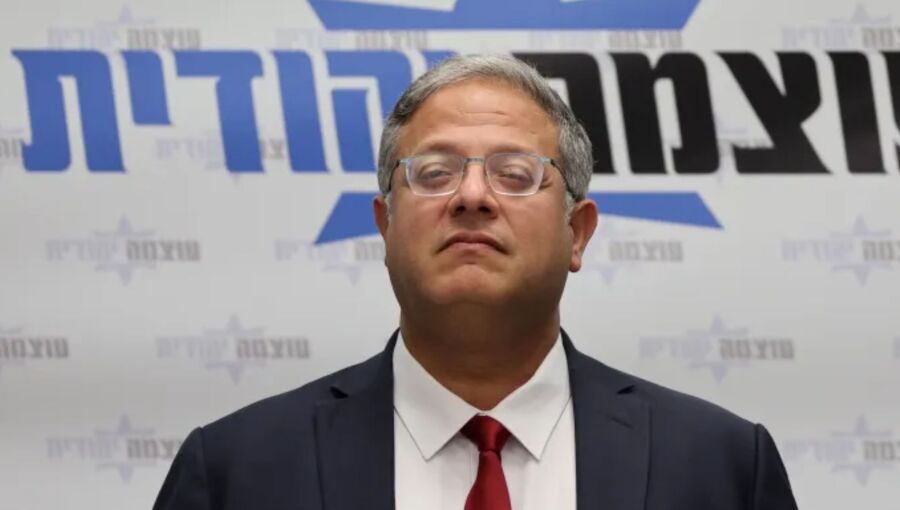
On April 15, 2026, Israel's High Court of Justice convened a nine-judge panel for a nearly 10-hour hearing examining whether National Security Minister Itamar Ben Gvir should be dismissed over allegations of politicizing police operations and interfering with law enforcement independence. This governance crisis directly impacts cross-border e-commerce sellers operating in or shipping to Israel, as it signals institutional instability that affects regulatory enforcement, customs operations, and business continuity. The court's hesitation to order Ben Gvir's dismissal—instead signaling preference for a compromise agreement—reflects deeper constitutional tensions between executive authority and judicial oversight that create unpredictability for international commerce.
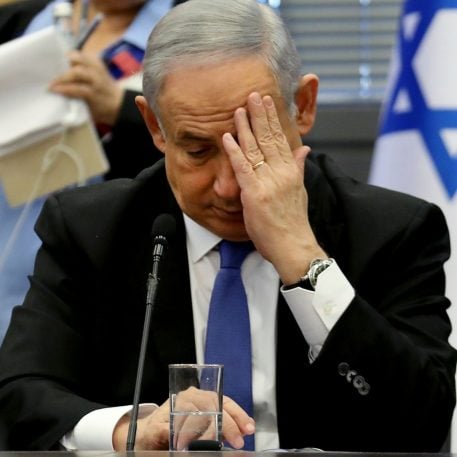
Operational Impact for Sellers: The political conflict between Justice Minister Yariv Levin (architect of judicial reform) and Attorney General Gali Baharav-Miara directly affects law enforcement agencies responsible for customs clearance, fraud investigation, and intellectual property enforcement. When government institutions are in conflict, enforcement becomes inconsistent. Sellers shipping to Israel may experience delays in customs processing (typically 3-5 days, potentially extending to 2-3 weeks during institutional disputes), unpredictable enforcement of import regulations, and reduced cooperation between police and customs authorities on counterfeit goods and fraud cases. The hearing revealed that Ben Gvir has systematically interfered in police personnel decisions and operational matters, suggesting that law enforcement priorities may shift based on political considerations rather than commercial crime prevention.
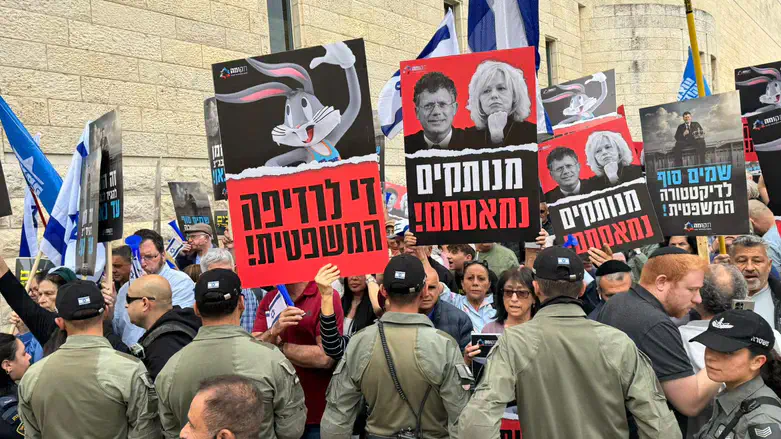
Market Stability Concerns: The broader context—Israel's return to domestic political disputes following wartime unity during the Gaza conflict (2023-2026)—indicates that political polarization is intensifying. The courthouse protests, with hundreds characterizing the court as a "judicial dictatorship," and far-right MKs being expelled for disrupting proceedings, demonstrate deep institutional fractures. For sellers, this translates to regulatory uncertainty: customs duties may be applied inconsistently, VAT compliance enforcement may fluctuate, and business registration/licensing processes may face delays. Sellers with inventory in Israeli warehouses or 3PL facilities face potential disruption if institutional conflicts escalate into broader government dysfunction.
Strategic Implications: The government's vow to "defy any court decision" signals that executive-judicial conflicts may not be resolved through normal legal channels, creating long-term institutional risk. Sellers should monitor Israeli political developments as leading indicators of regulatory stability. The case also highlights how political appointments to security positions can affect commercial law enforcement—Ben Gvir's control over police policy directly impacts fraud investigation capacity and IP protection, which are critical for sellers operating in high-value categories (electronics, luxury goods, pharmaceuticals).
Questions 7
What immediate actions should sellers take to protect operations during Israeli political uncertainty?
Immediate actions (0-30 days): (1) Audit current inventory in Israeli warehouses and 3PL facilities; (2) Review customs documentation for any pending shipments and contact customs brokers about potential delays; (3) Document all IP violations and fraud cases with timestamps for future enforcement; (4) Review VAT compliance records for accuracy. Strategic adjustments (1-6 months): (1) Reduce inventory concentration in Israel to 15-20% of regional allocation; (2) Establish backup fulfillment routes through EU or UAE hubs; (3) Engage Israeli tax counsel to review VAT compliance; (4) Increase fraud monitoring frequency. Risk monitoring: Track Israeli political developments weekly and adjust inventory allocation if institutional conflict escalates.
How should sellers assess political risk when deciding to enter or expand in Israeli market?
Use a three-factor political risk assessment: (1) Institutional stability—the April 2026 High Court hearing shows executive-judicial conflict is unresolved, with government vowing to defy court decisions; (2) Enforcement consistency—Ben Gvir's interference in police operations indicates law enforcement priorities may shift politically; (3) Regulatory predictability—VAT, customs, and IP enforcement may become inconsistent during institutional disputes. Sellers should delay major inventory commitments to Israel until political situation stabilizes (typically 6-12 months post-election or resolution). For existing operations, reduce inventory concentration and increase monitoring frequency.