


Eastern Congo's Powder Keg: M23 Rebels Expose Regional Geopolitical Fault Lines
- Strategic City Capture Reveals Complex Cross-Border Power Dynamics Threatening Regional Stability














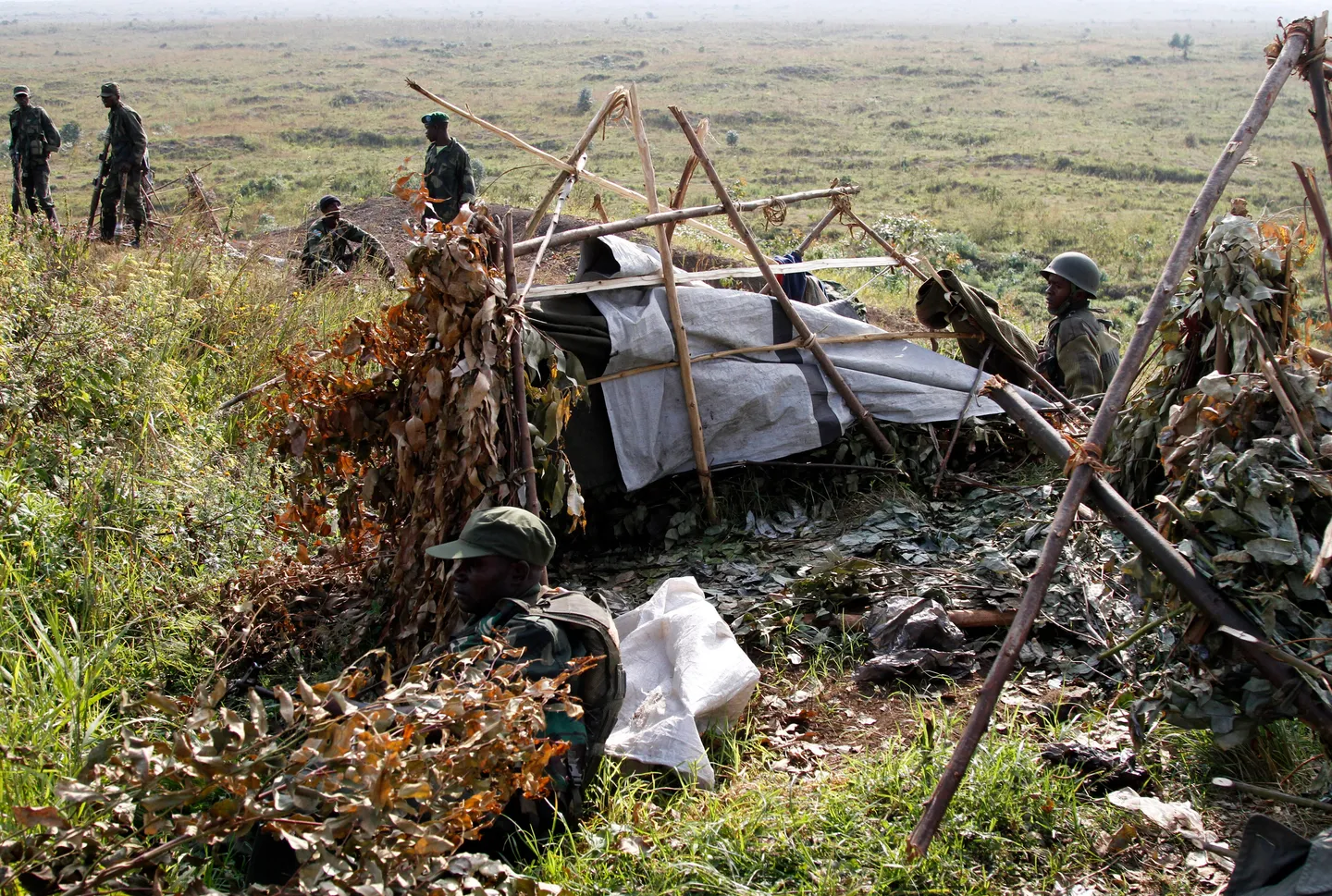


Overview
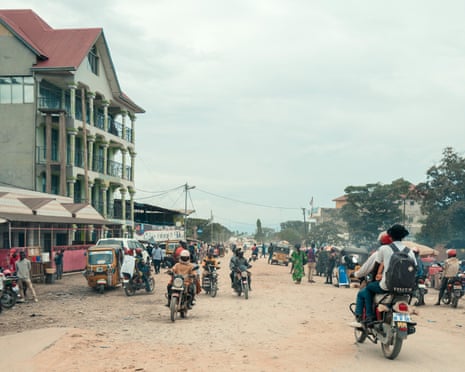
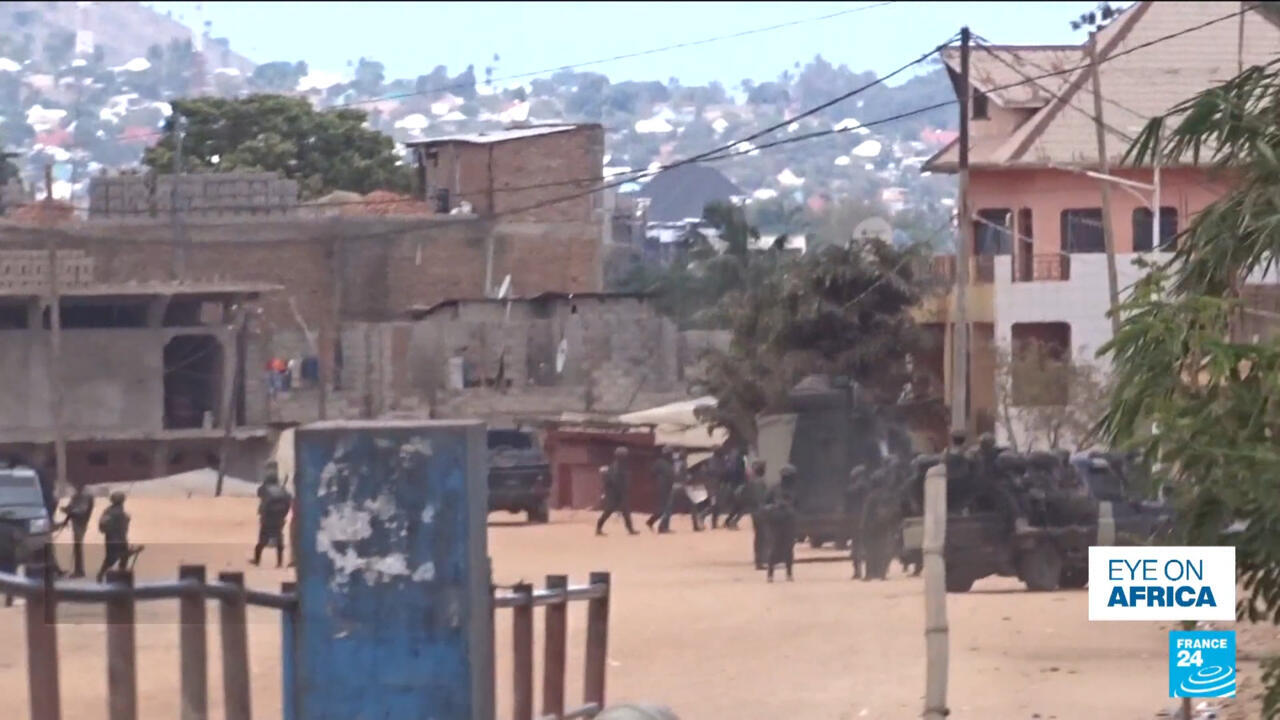
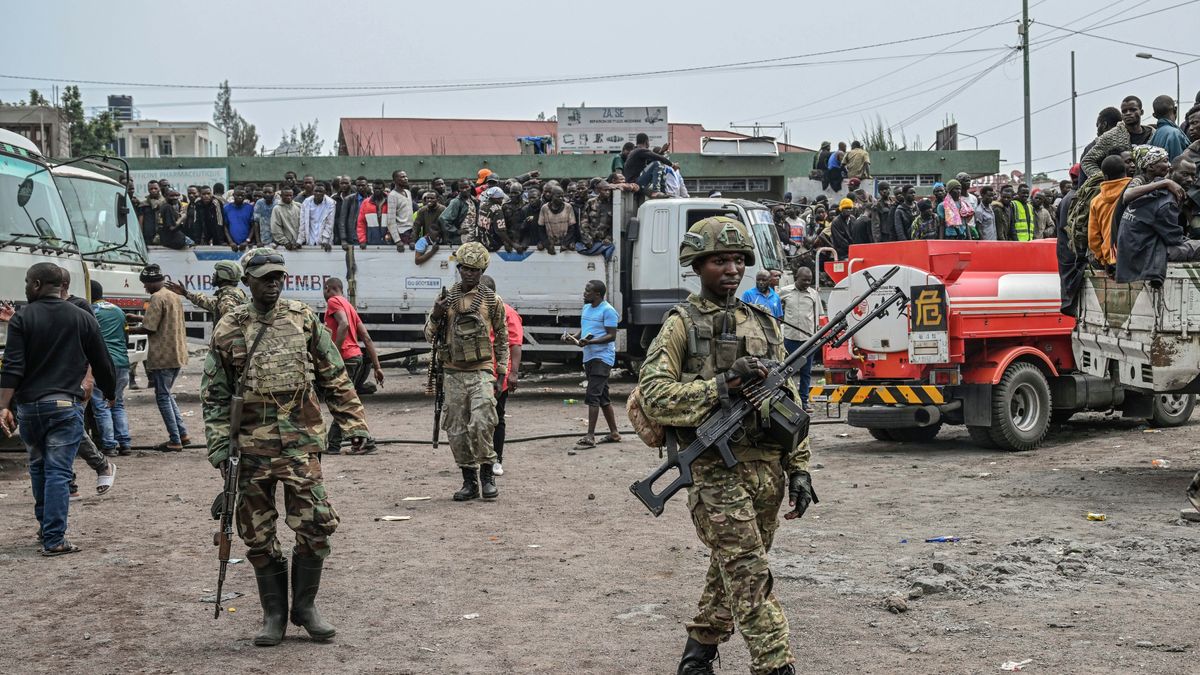
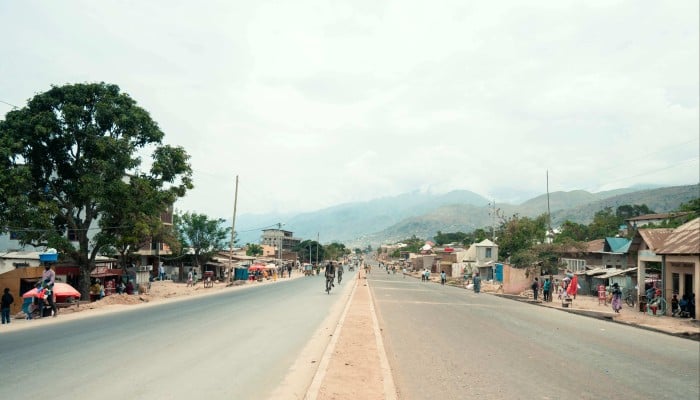
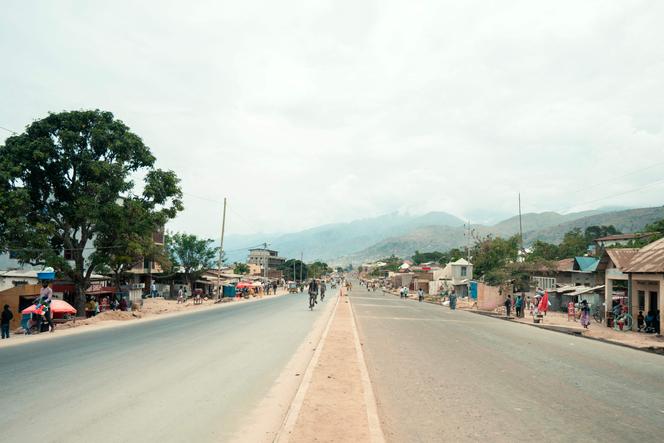
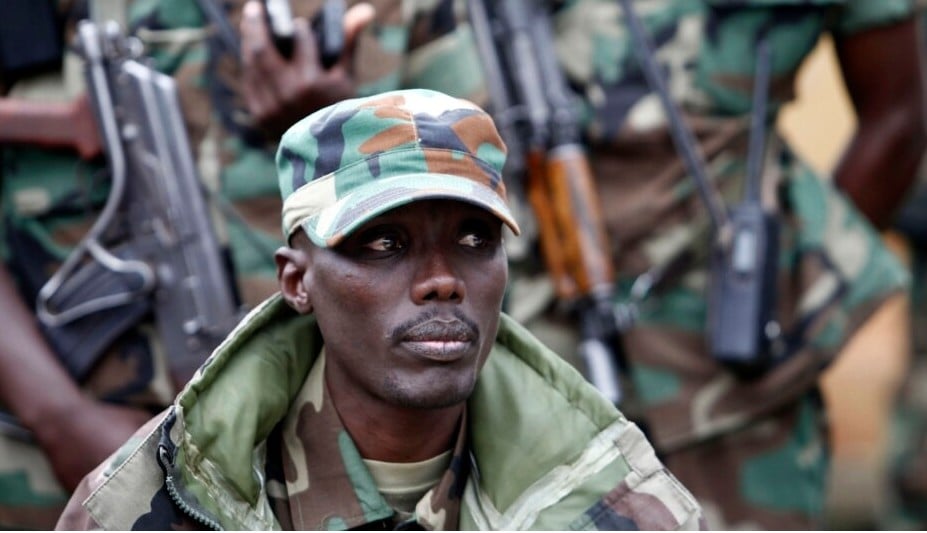
The seizure of Uvira by Rwanda-backed M23 rebels represents a critical inflection point in eastern Congo's prolonged geopolitical instability, exposing deep-rooted regional tensions that extend far beyond a simple territorial dispute. This strategic military maneuver signals a sophisticated geopolitical recalibration where traditional state boundaries are being systematically challenged by non-state armed actors.
Rwanda's alleged backing of M23 reveals a complex strategic calculus that transcends conventional conflict narratives. By supporting these rebels, Rwanda is effectively creating a buffer zone and projecting indirect territorial influence without direct military engagement. The capture of Uvira, a strategically significant city, demonstrates how armed groups can fundamentally reshape regional power dynamics through targeted territorial acquisitions.
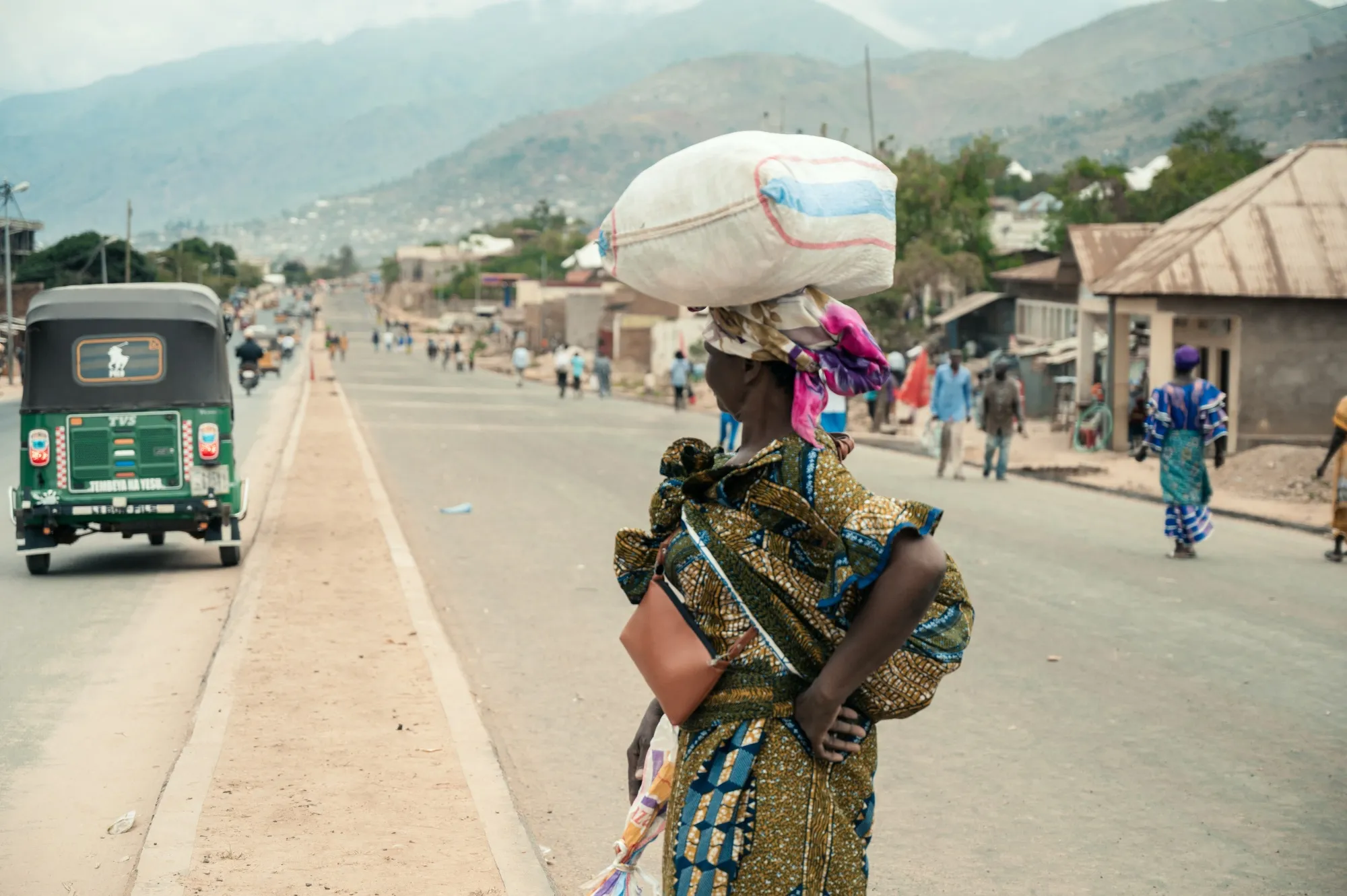
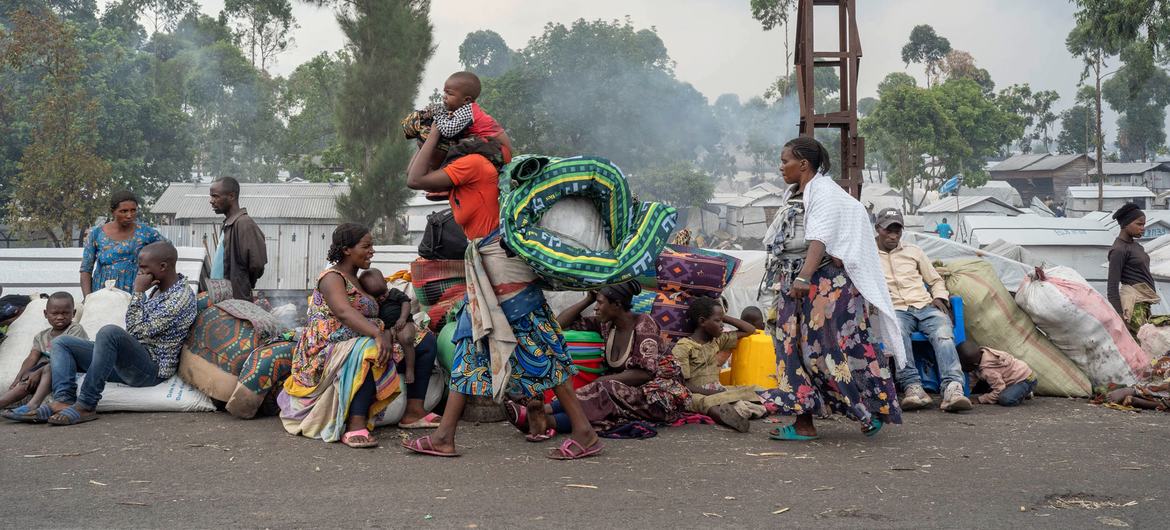
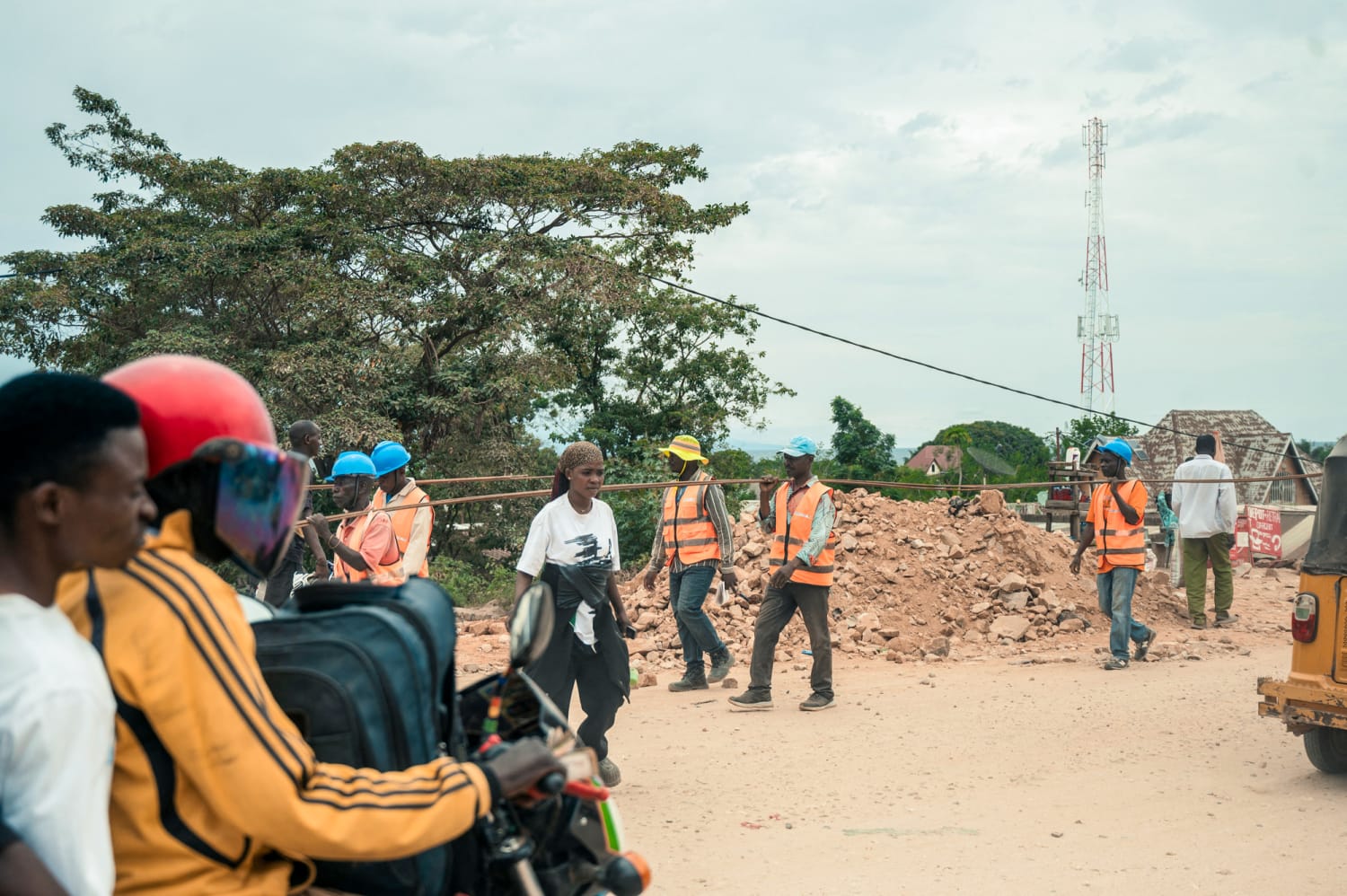
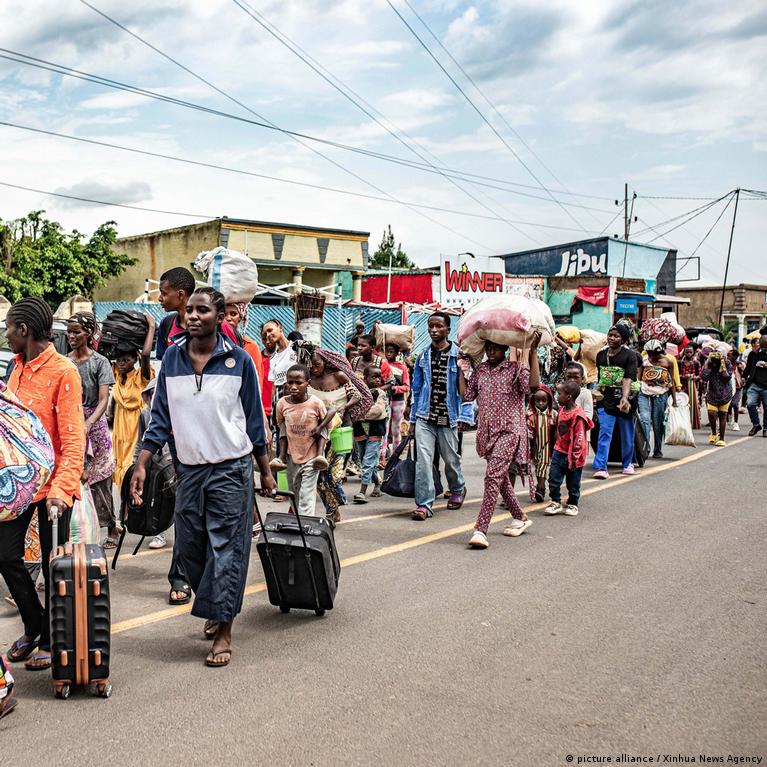
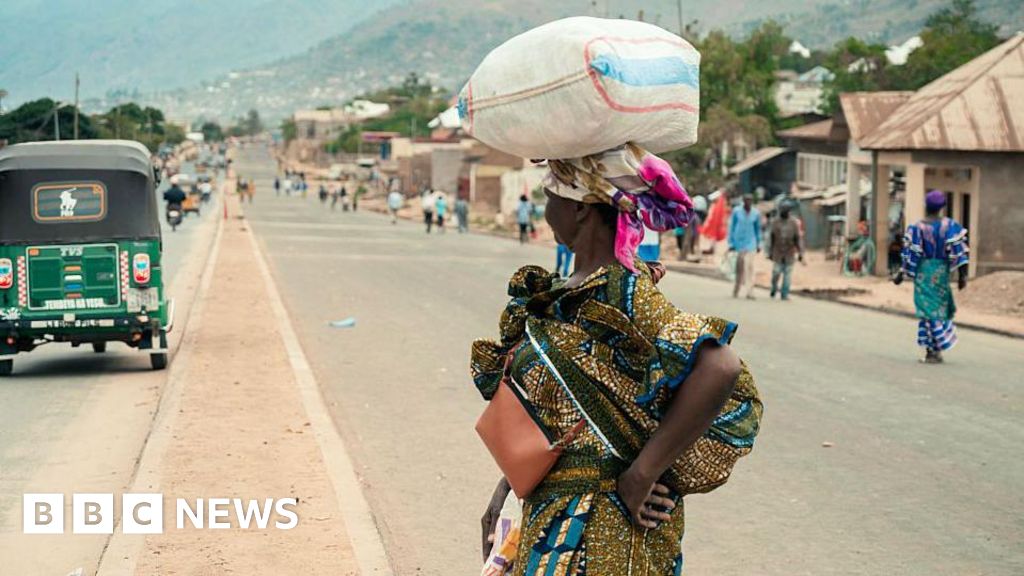
The implications of this development extend well beyond immediate military control. Geopolitical destabilization threatens regional trade corridors, disrupts economic activities, and creates humanitarian risk zones. Local and international businesses must now navigate an increasingly unpredictable landscape where armed group movements can instantaneously alter market accessibility and investment potential. The conflict represents more than a localized skirmish—it's a systemic challenge to established governance structures in the Great Lakes region.
The broader context suggests a strategic reconfiguration of power relationships, where traditional state sovereignty is being incrementally eroded by non-state actors with transnational support networks. International organizations and regional stakeholders face mounting pressure to develop more adaptive conflict resolution mechanisms that can respond to these fluid, complex territorial dynamics.
Questions 3
What strategic significance does Uvira hold for M23 rebels?
Uvira is a critical transportation hub with access to key trade routes, providing M23 rebels strategic territorial control that disrupts local economic networks and challenges the Democratic Republic of Congo's governmental authority. Its capture represents a calculated move to expand territorial influence beyond traditional military objectives.
How does Rwanda's involvement impact regional stability?
Rwanda's alleged support for M23 rebels demonstrates a sophisticated proxy strategy of extending geopolitical influence without direct military engagement. This approach creates buffer zones, challenges existing border arrangements, and fundamentally destabilizes the region's established power structures.