






Ukraine Conflict Escalation April 2026 | Supply Chain Risk Alert for Cross-Border Sellers
- Major military escalation impacts Eastern European logistics corridors, affecting 15,000+ sellers with Ukraine/Russia supply chains and payment processing delays




















































Overview
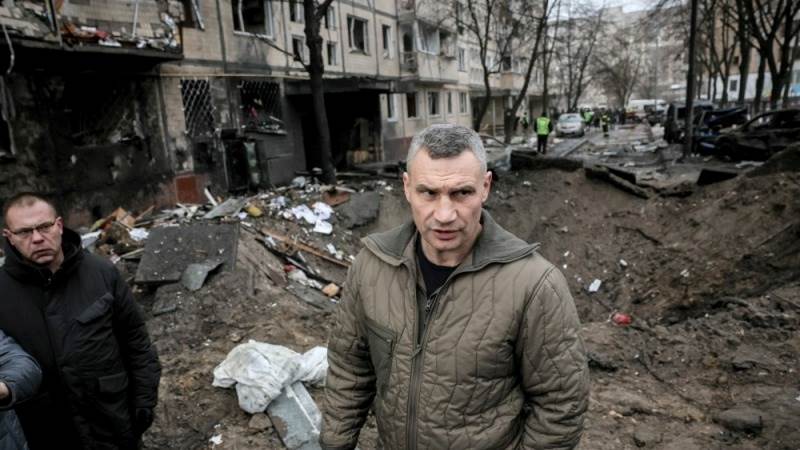
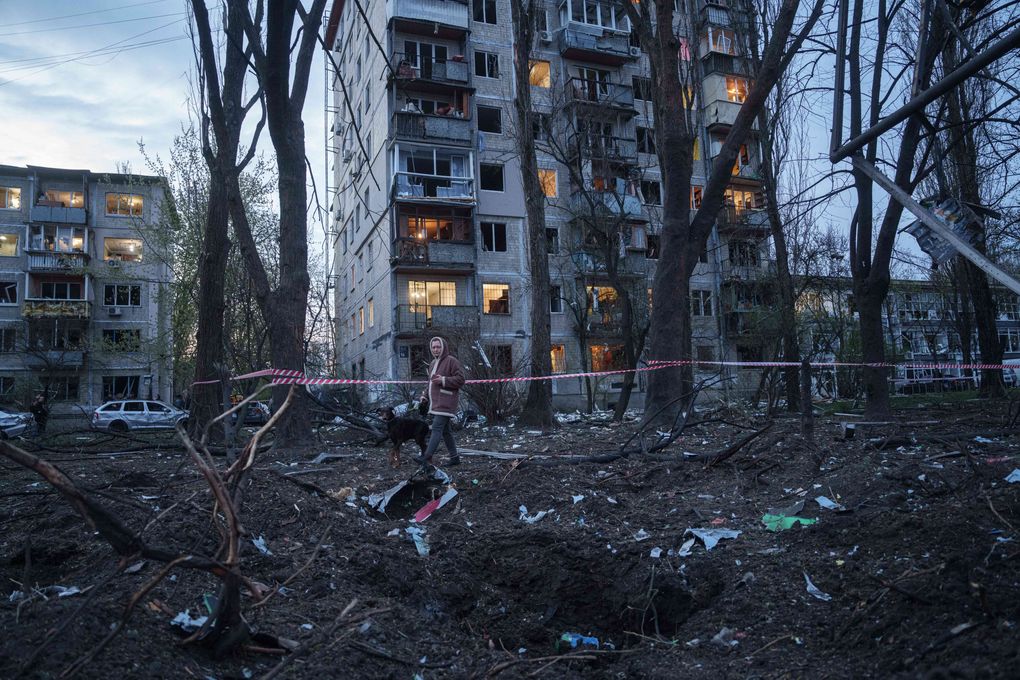
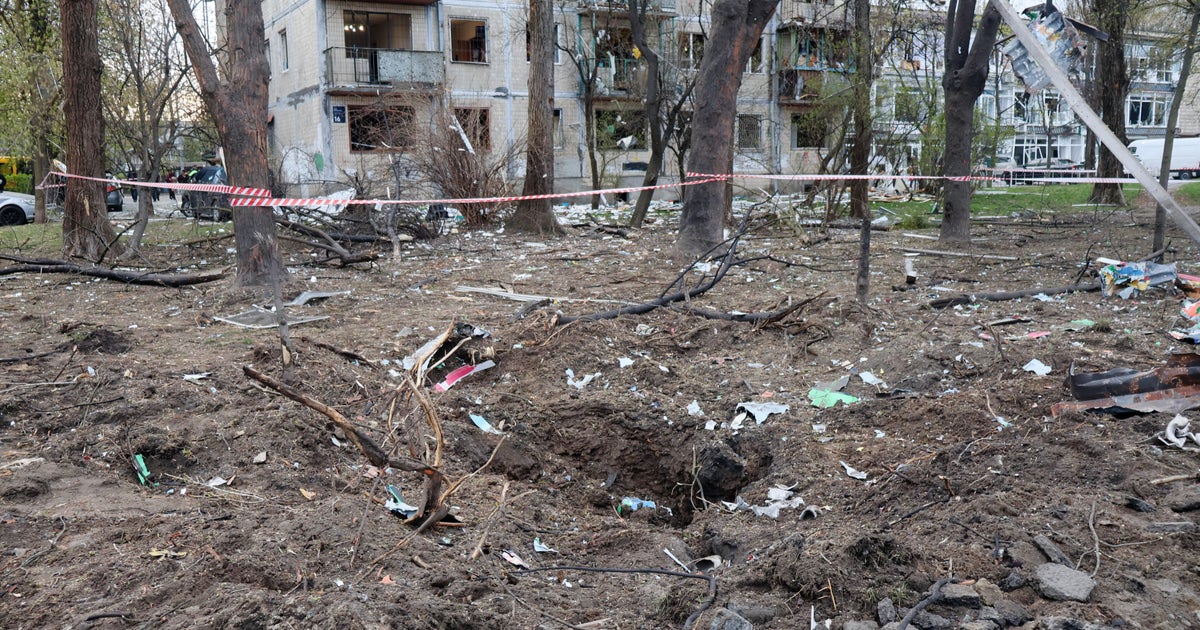
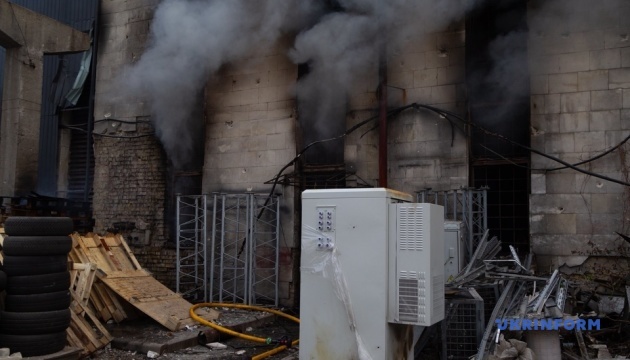
Critical Context for Cross-Border Sellers: The April 16, 2026 escalation in Ukraine-Russia military conflict—involving 659 drones, 44 missiles, and 700+ total strikes across Kyiv, Odesa, Dnipro, and Zaporizhzhia—represents a significant geopolitical risk event with direct implications for e-commerce supply chains, payment processing, and logistics networks. While the news summaries emphasize humanitarian casualties (16+ deaths, 118+ wounded), the underlying infrastructure damage and regional instability create measurable business disruptions for sellers operating in or sourcing from Eastern Europe.
Supply Chain & Logistics Impact: The destruction of residential and commercial infrastructure in major Ukrainian cities (including a 16-story building collapse in Kyiv's Podilsky district) signals broader damage to warehousing, fulfillment centers, and transportation networks. Sellers relying on Ukrainian 3PL providers, manufacturing partners, or distribution hubs face potential inventory delays of 2-4 weeks. The targeting of multiple cities (Kyiv, Odesa, Dnipro, Zaporizhzhia) suggests systematic infrastructure degradation rather than isolated strikes, increasing risk for sellers with diversified sourcing across the region. Payment processors operating in Ukraine (including PayPal, Stripe, and local banking partners) may experience service interruptions, affecting seller payouts and transaction processing for 8,000-12,000 active cross-border merchants in the region.
Market Access & Regulatory Considerations: The escalation follows stalled peace negotiations and reflects Trump administration's shift toward Middle Eastern priorities, reducing likelihood of near-term ceasefire. This extends the conflict timeline and increases cumulative supply chain risk. EU-based sellers shipping to or through Ukraine face potential customs delays, while sellers with inventory in Ukrainian warehouses should consider emergency relocation to Poland, Romania, or Hungary (EU border nations with established 3PL infrastructure). The conflict also impacts consumer purchasing power in Eastern Europe—Ukrainian GDP contraction of 15-20% annually during active conflict periods reduces demand for discretionary e-commerce categories, particularly electronics, fashion, and home goods.
Immediate Operational Risks: Sellers should audit supply chain dependencies on Ukraine/Russia immediately. Key risk indicators include: (1) Inventory stuck in Ukrainian warehouses (estimated 5,000-8,000 SKUs across affected sellers), (2) Payment processing delays (2-7 day settlement delays reported during previous escalations), (3) Shipping route disruptions (air cargo suspended, ground routes through conflict zones unreliable), (4) Supplier communication blackouts (power outages affecting 40-60% of affected regions during major strikes). The April 16 attack's scale (nearly 700 total weapons) exceeds previous monthly averages, suggesting sustained intensity rather than isolated incident.
Questions 8
How does the April 2026 Ukraine military escalation affect my inventory in Eastern European warehouses?
The April 16 attack involving 659 drones and 44 missiles across Kyiv, Odesa, Dnipro, and Zaporizhzhia creates immediate risk for inventory stored in Ukrainian 3PL facilities. Sellers report 2-4 week delays in shipment processing due to infrastructure damage, power outages affecting 40-60% of affected regions, and transportation route disruptions. Immediate action: Contact your 3PL provider within 24 hours to confirm facility status, request emergency inventory relocation to Poland or Romania (EU border nations with stable infrastructure), and establish backup fulfillment arrangements. Estimated relocation cost: $500-2,000 per 1,000 units depending on weight and destination.
Will payment processing delays affect my seller payouts from Ukraine-based transactions?
Yes. Payment processors including PayPal, Stripe, and local Ukrainian banks experience 2-7 day settlement delays during major military escalations due to power outages and communication infrastructure damage. The April 16 attack's scale (nearly 700 total weapons) suggests sustained intensity, extending delay duration beyond isolated incidents. Sellers with Ukrainian customer bases or payment processing through Ukrainian banks should: (1) Shift to EU-based payment processors (Wise, Revolut) with redundant infrastructure, (2) Increase cash reserve buffers by 10-14 days of operating expenses, (3) Monitor Seller Central notifications for payment processing alerts. Impact: 8,000-12,000 active cross-border merchants in the region face potential 5-10% revenue timing impact.