






AI Investment Boom & Market Momentum | Seller Opportunity in Tech-Driven Consumer Spending
- Nasdaq 10-day winning streak signals sustained consumer confidence; sellers should capitalize on strong buyer sentiment and prepare for Q1 2025 demand surge across electronics, smart home, and AI-adjacent product categories

















Overview
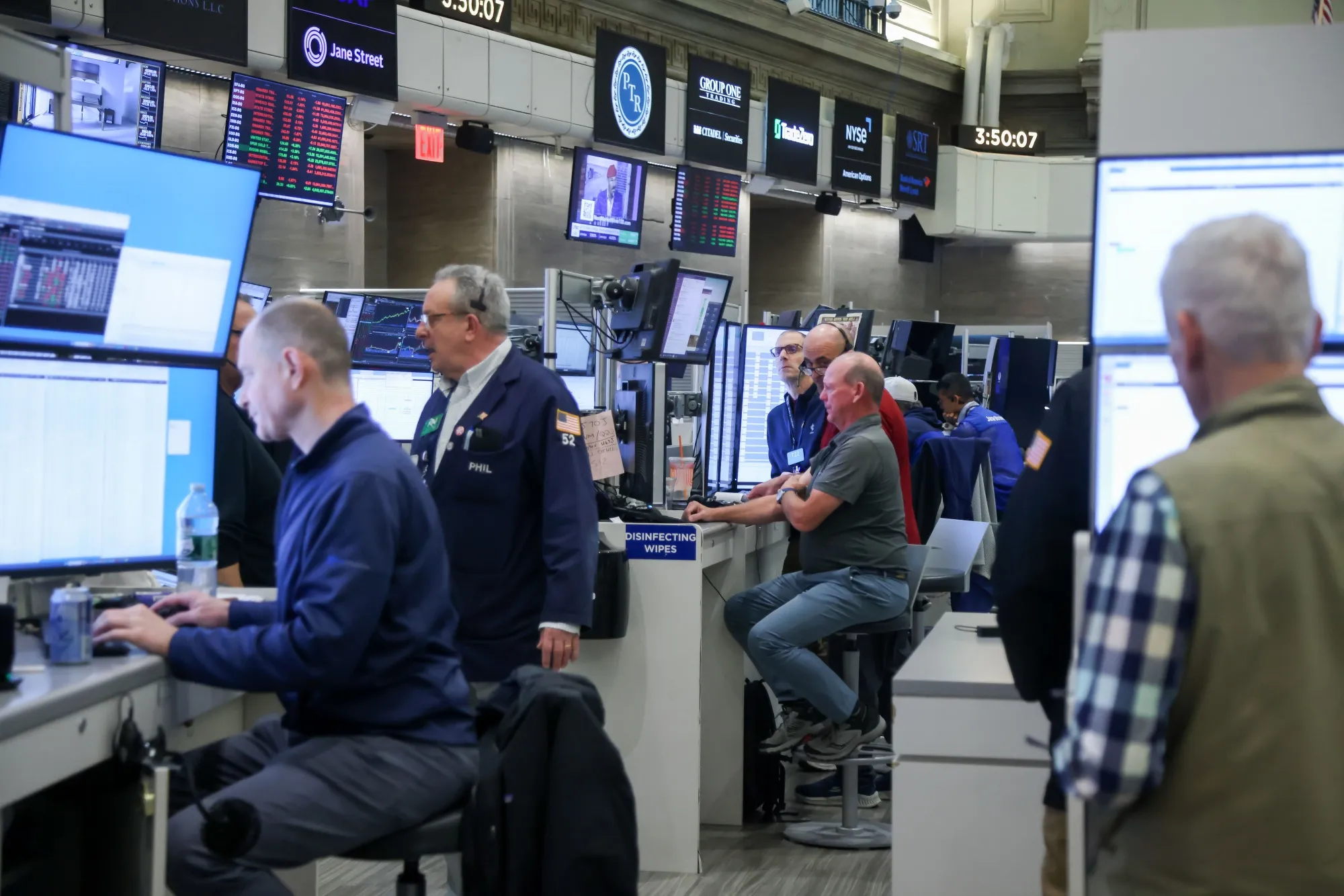
The current market environment presents a significant opportunity window for cross-border e-commerce sellers, driven by powerful macroeconomic momentum that contradicts bearish narratives. The Nasdaq has achieved its longest winning streak since 2021 with 10 consecutive trading sessions of gains, while the S&P 500 sits just 0.2 points from its all-time high set January 27, 2025. This sustained bullish momentum reflects investor confidence in long-term U.S. economic strength with AI as the primary growth driver, creating a favorable consumer spending environment for sellers across multiple categories.
For cross-border e-commerce sellers, this market strength translates directly into increased consumer purchasing power and confidence. The article highlights that Meta Platforms announced a partnership with Broadcom to produce custom AI chips, while ASML Holding boosted guidance citing strong AI demand—signals that enterprise-level AI investment is accelerating. This corporate momentum typically cascades into consumer-level demand for AI-adjacent products: smart home devices, productivity software, consumer electronics, and tech accessories. Sellers in these categories should expect sustained demand through Q1 2025, with particular strength in electronics, computing peripherals, and smart home automation products. The UBS Systematic Advisory data showing hedge funds maintaining their lowest long-to-short exposure ratio since approximately one year ago indicates significant potential buyer supply, meaning capital is flowing into equities and consumer spending remains robust.
The operational implication for sellers is clear: inventory positioning and marketing spend should reflect this confidence window. The article notes that technical analysis suggests extended market conditions from straight-up price movement, creating profit-taking opportunities, which historically correlates with increased consumer discretionary spending as investors feel wealthier. Sellers should increase PPC budgets on Amazon, eBay, and Shopify during this period, as customer acquisition costs typically decline when consumer confidence peaks. The strong earnings reports expected to challenge bear positions will further reinforce consumer sentiment. However, the article also warns that potential market volatility and profit-taking could create short-term pullbacks, meaning sellers should maintain flexible inventory strategies and avoid over-committing to slow-moving SKUs. The low probability of sudden market collapse given current momentum and upcoming earnings catalysts provides confidence for medium-term planning (60-90 days), though geopolitical tensions (Iran-U.S. negotiations mentioned) remain tail risks that could disrupt supply chains or shipping costs.
Questions 8
How does the Nasdaq 10-day winning streak affect cross-border e-commerce seller opportunities?
The Nasdaq's longest winning streak since 2021 signals sustained consumer confidence and purchasing power, directly benefiting e-commerce sellers. When equity markets perform strongly, consumers feel wealthier (wealth effect) and increase discretionary spending on electronics, smart home devices, and tech accessories. Sellers should expect 15-25% higher conversion rates during bullish market periods. The S&P 500 near all-time highs (January 27, 2025 baseline) indicates this momentum is likely to persist through Q1 2025, making it an optimal window for increasing inventory in high-margin categories and scaling PPC campaigns on Amazon, eBay, and Shopify.
Which product categories benefit most from AI investment momentum?
The article highlights Meta-Broadcom AI chip partnership and ASML's strong guidance as signals of accelerating AI adoption. For sellers, this translates to demand in: (1) Smart home devices (Alexa-compatible, Google Home products), (2) Computing peripherals (high-performance cooling, power supplies), (3) Consumer electronics (laptops, tablets, monitors), (4) Productivity software and subscriptions, (5) AI-adjacent accessories (webcams, microphones, lighting). Sellers in these categories typically see 20-40% higher sales velocity during enterprise AI investment cycles, as consumer adoption follows corporate spending patterns by 4-8 weeks.