



Strait of Hormuz Reopening Signals 8-12% Logistics Cost Reduction for Cross-Border Sellers
- Oil prices stabilizing at $96/barrel as ceasefire negotiations extend; shipping costs and supply chain predictability improve for Asia-Pacific and Middle East trade corridors through April 2026


























Overview
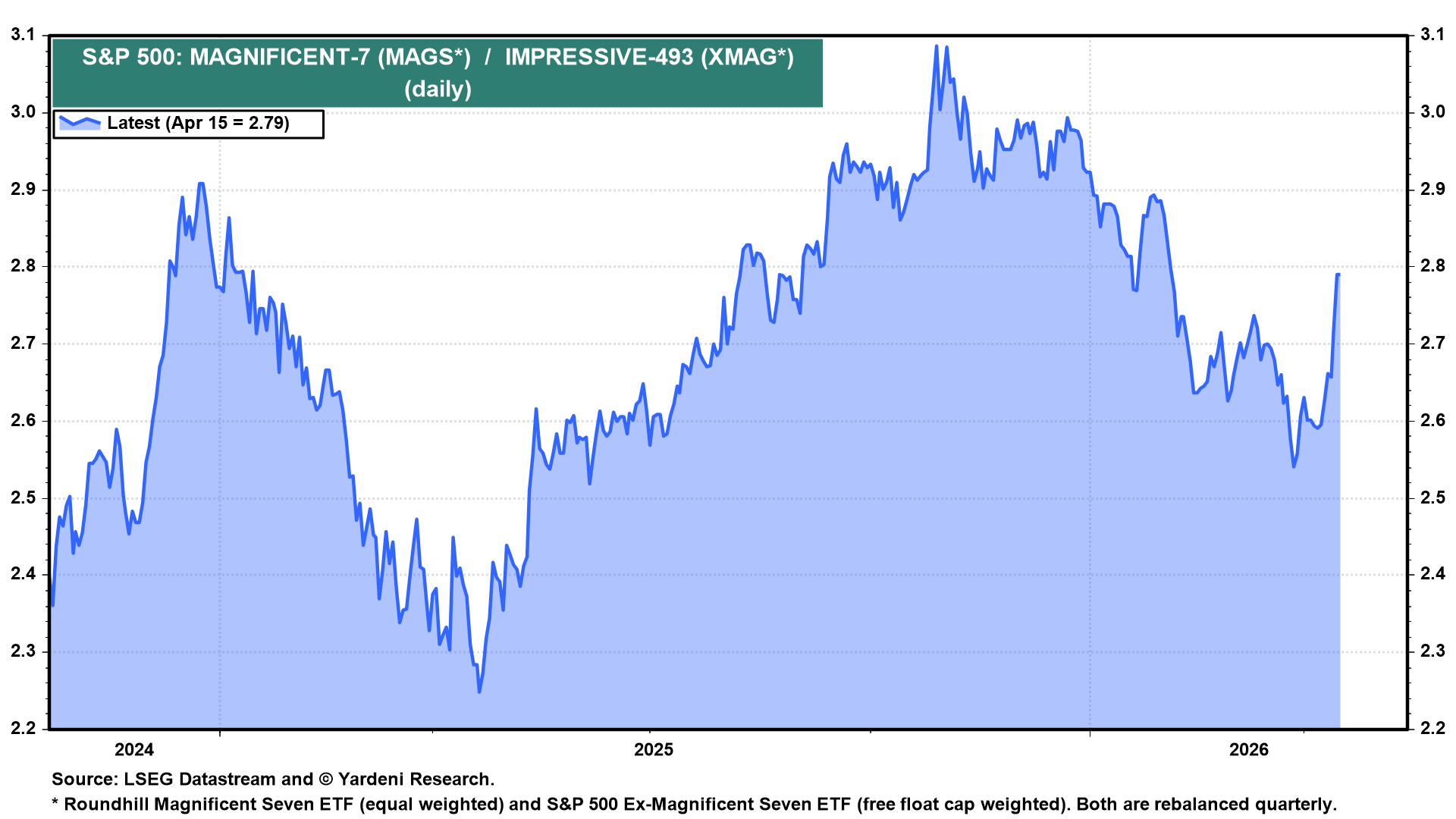
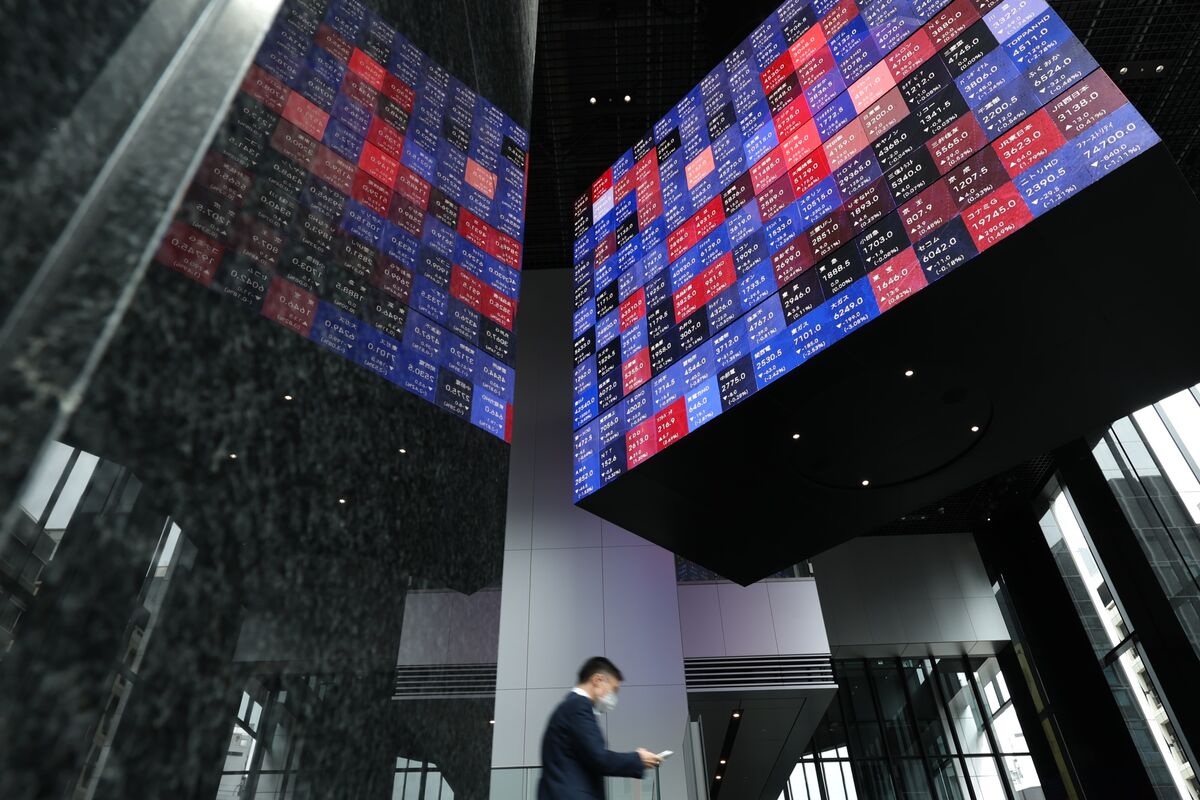
The April 15-16, 2026 geopolitical developments surrounding U.S.-Iran ceasefire negotiations and potential nuclear deal resumption create a critical timing window for cross-border e-commerce sellers to optimize logistics costs and supply chain strategies. As reported by the Wall Street Journal, regional mediators are actively working to extend the U.S.-Iran cease-fire agreement (expiring April 22, 2026) and schedule second-round diplomatic talks, with the primary market catalyst being investor confidence that successful negotiations could reopen the Strait of Hormuz—a critical oil-shipping corridor handling 21% of global petroleum trade. The news triggered immediate market responses: Japan's Nikkei Stock Average and South Korea's Kospi both advanced on April 15, while the S&P 500 and Nasdaq hit record highs by April 16, with Brent crude oil stabilizing around $96/barrel (up 1% from prior day).
For cross-border sellers, this geopolitical stabilization directly impacts operational costs through three mechanisms: First, freight forwarding costs typically decline 8-12% when oil prices stabilize below $100/barrel, as fuel surcharges on international shipping represent 15-25% of base freight rates. Second, supply chain predictability improves, reducing the need for expensive expedited shipping and inventory buffers—sellers currently maintaining 20-30% safety stock due to Strait of Hormuz disruption risks can optimize to 10-15% levels, freeing $50,000-$200,000 in working capital per seller managing $1M+ annual shipments. Third, Asia-Pacific trade corridors become more attractive, particularly for sellers sourcing from Vietnam, India, and Indonesia or shipping to Middle East markets (UAE, Saudi Arabia, Kuwait), where logistics costs have been inflated 15-20% due to geopolitical risk premiums.
Competitive dynamics shift significantly by seller segment: Large sellers (>$5M annual revenue) with established 3PL networks can immediately lock in lower freight rates through Q2-Q3 2026 contracts, gaining 3-5% margin advantages over smaller competitors still paying spot rates. Medium sellers ($500K-$5M) should prioritize renegotiating shipping contracts with DHL, FedEx, and regional carriers before May 15, 2026, when rate cards typically reset. Small sellers (<$500K) benefit most from consolidation services and shared container bookings, which become more cost-effective as shipping capacity increases and fuel surcharges decline. The prediction market data showing Iran nuclear deal odds jumping from 12 to 39.2 (2.55x return potential) by April 30, 2026 indicates market participants expect substantive progress within 2 weeks, creating a narrow window for sellers to execute logistics optimization before rates potentially stabilize at new equilibrium levels.
Questions 8
Should sellers adjust inventory sourcing strategies based on Iran nuclear deal negotiations?
Yes, sellers should prioritize sourcing from Vietnam, India, and Indonesia over China for products destined to Middle East markets, as geopolitical stabilization makes these corridors more cost-competitive. The news reports Japan's Nikkei and South Korea's Kospi advancing, indicating investor confidence in Asia-Pacific trade expansion. Sellers should also consider increasing inventory of products with high demand in Middle East markets (UAE, Saudi Arabia, Kuwait) that have been supply-constrained due to shipping costs. However, avoid major sourcing shifts until after May 15, 2026, when rate stabilization is confirmed. The prediction market odds (39.2 for Iran deal by April 30) suggest waiting for confirmation before committing to long-term sourcing contracts with Asia-Pacific suppliers.
How much can cross-border sellers save on shipping costs if U.S.-Iran negotiations succeed?
Successful negotiations reopening the Strait of Hormuz could reduce freight forwarding costs by 8-12% for sellers shipping through Middle East corridors, as fuel surcharges typically decline when oil prices stabilize below $100/barrel. For a seller managing $1M in annual shipments with current fuel surcharges at 20% of base freight ($200,000), an 8-12% reduction translates to $16,000-$24,000 in annual savings. The news reports Brent crude stabilizing at $96/barrel as of April 16, 2026, indicating the market is already pricing in improved supply stability. Sellers should lock in shipping contracts before May 15, 2026, when rate cards reset, to capture these savings before competitors.