




Neanderthal Fire Revolution: How 400,000-Year-Old Technology Rewrote Human Origins
- Groundbreaking archaeological discovery reveals unprecedented technological sophistication of early human ancestors














.jpg)












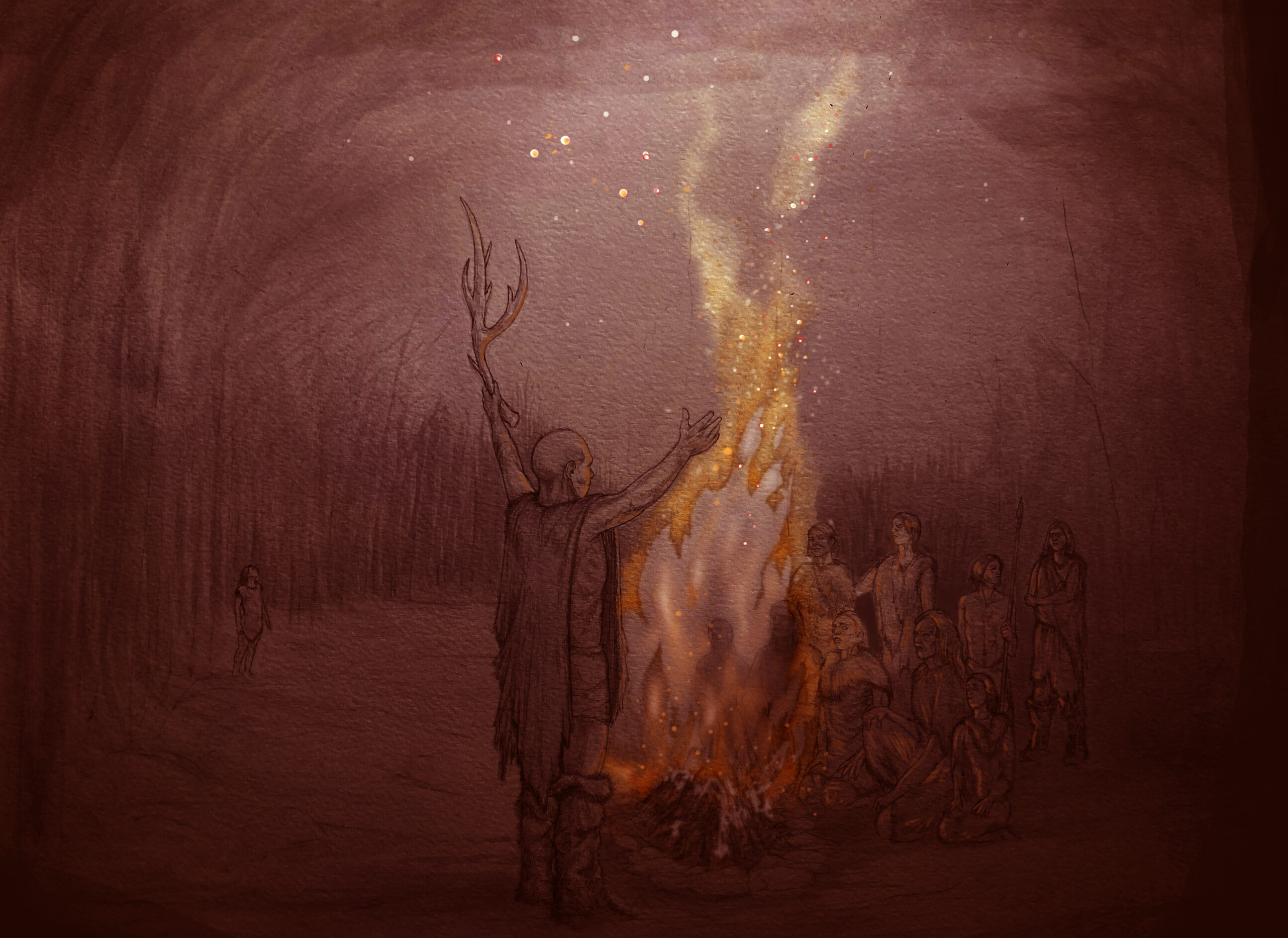






Overview
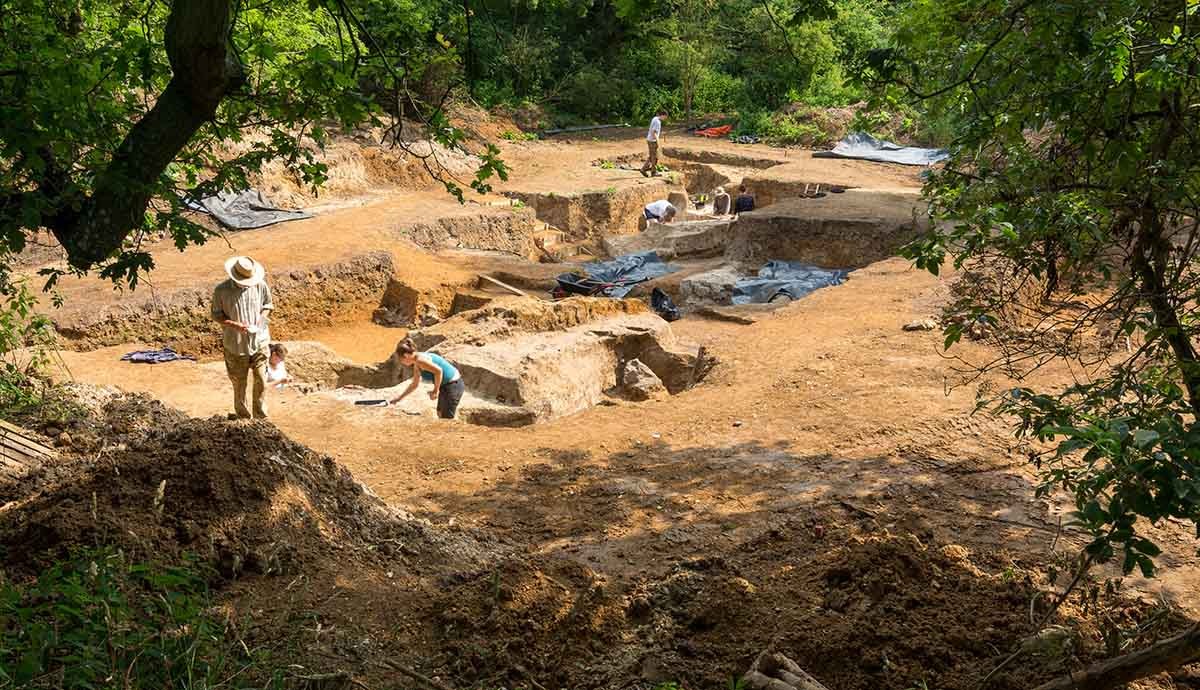
In a landmark archaeological breakthrough, researchers have uncovered compelling evidence that Neanderthals possessed far more advanced technological capabilities than previously understood. The discovery of a 400,000-year-old prehistoric hearth in Suffolk, United Kingdom, dramatically pushes back the timeline of deliberate fire-making, challenging long-held assumptions about early human cognitive development.
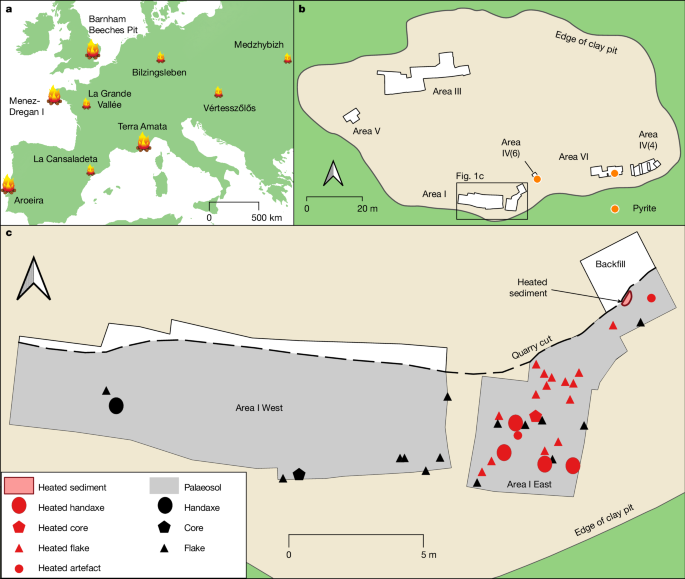
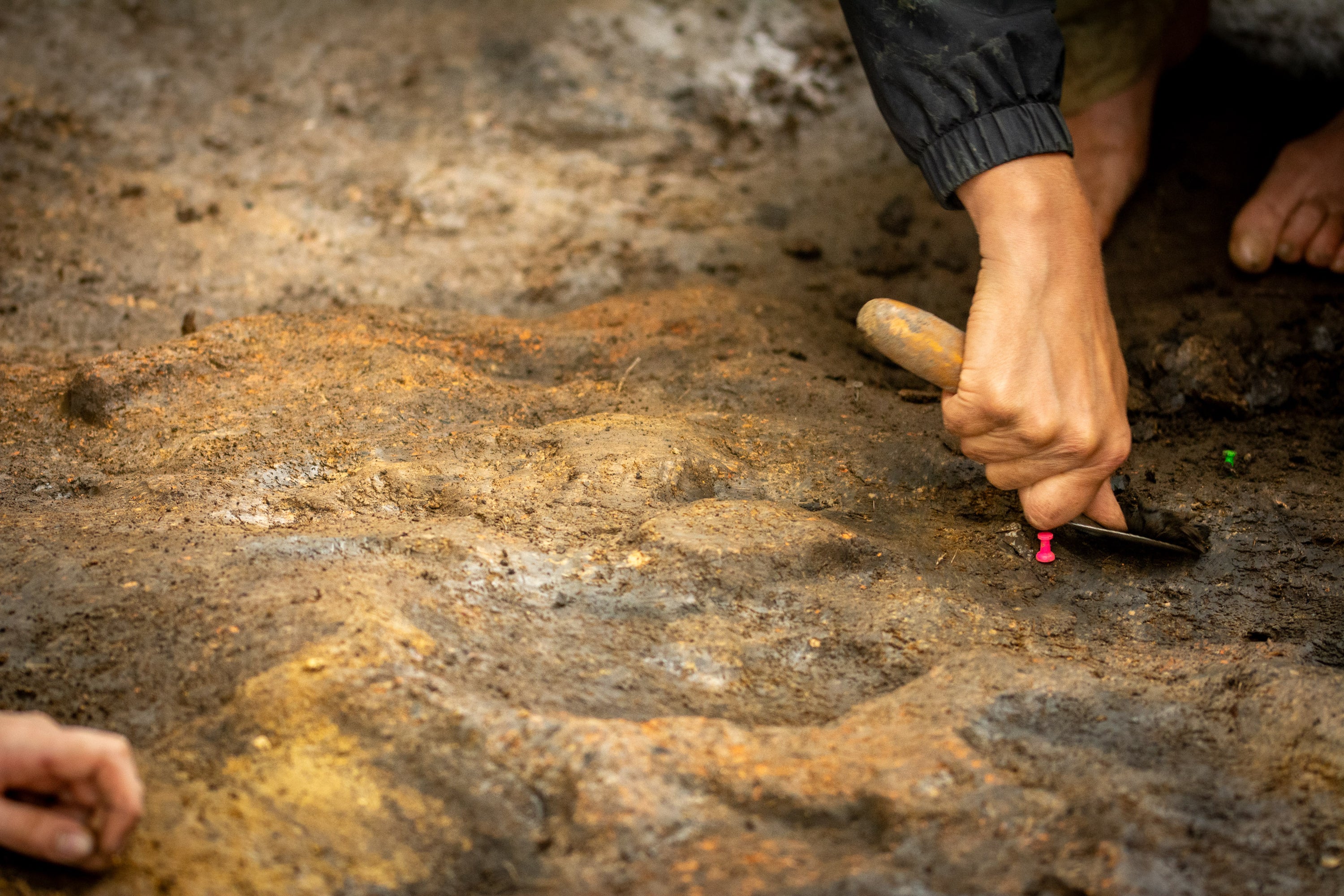
The archaeological site near Barnham provides unequivocal proof of intentional fire creation, with Nick Ashton from the British Museum revealing extraordinary details about these early technological innovators. Archaeologists found critical evidence including heat-shattered handaxes, heated clay, and two pieces of iron pyrite - a material specifically brought to the site for creating sparks. This isn't just about making fire; it's about understanding the complex problem-solving skills of our early human relatives.
What makes this discovery truly revolutionary is its implications for understanding human technological evolution. Previously, the earliest known evidence of deliberate fire creation dated to roughly 50,000 years ago in northern France. Now, researchers have pushed that timeline back by nearly 350,000 years. Paleoanthropologist Chris Stringer suggests these fire-makers were likely early Neanderthals, highlighting their sophisticated cognitive abilities.
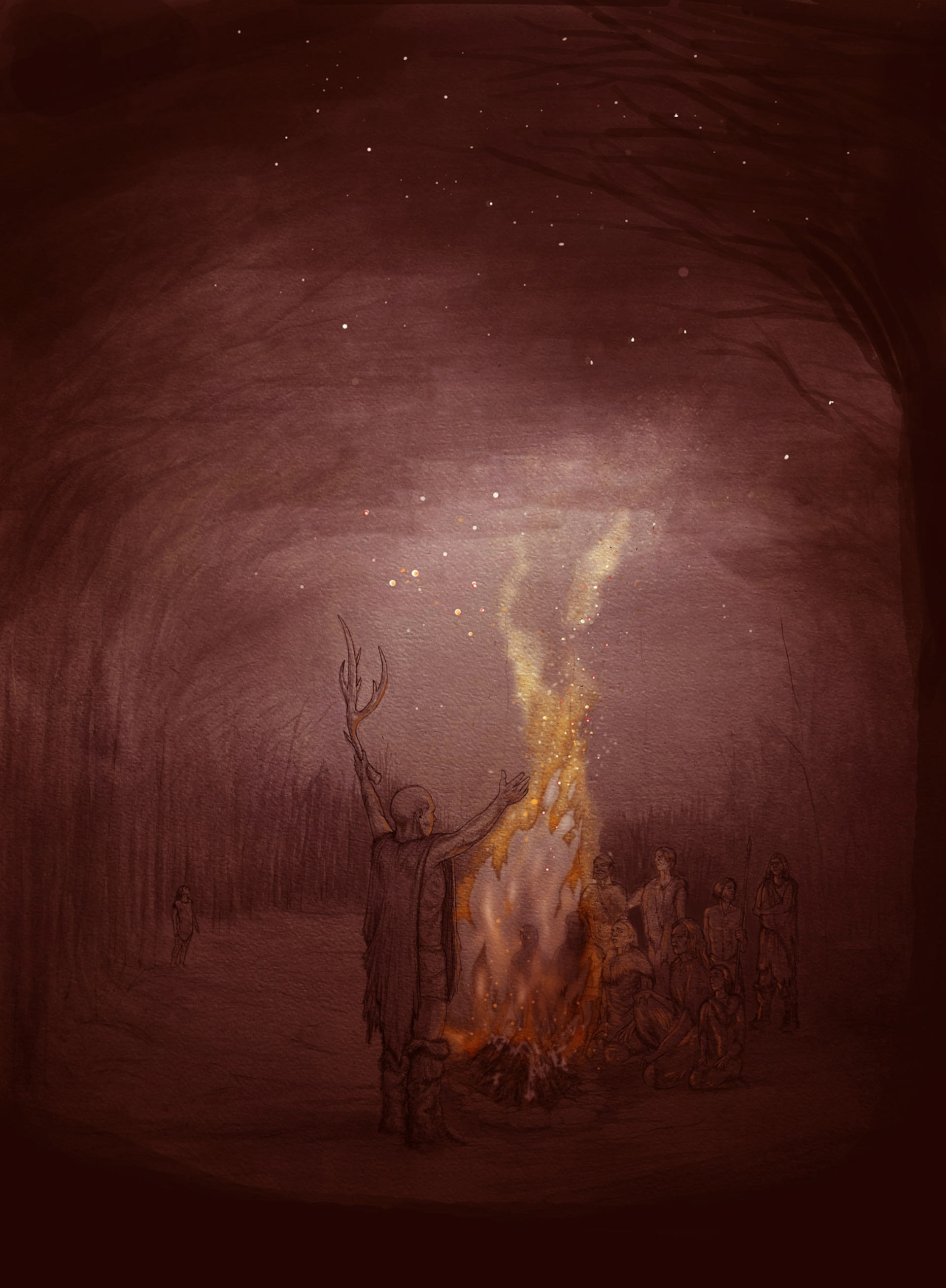
The significance extends far beyond a simple technological milestone. Fire represented a transformative technology that provided critical survival advantages: improved nutrition through cooking, protection from predators, ability to inhabit challenging environments, and enhanced social interactions. Archaeologist Rob Davis emphasized that fire became a crucial 'social hub', potentially catalyzing developments like language and complex social structures.
This discovery challenges the narrative of human technological progression as a linear path. Instead, it reveals a more nuanced picture of human innovation - a complex process of accidental discoveries, independent developments, and potential knowledge transmission across different human groups. The research underscores that technological sophistication is not exclusive to modern humans but was a characteristic of our early human relatives who went extinct approximately 39,000 years ago.
The meticulous research process itself is a testament to scientific rigor. Distinguishing human-made fires from naturally occurring ones requires painstaking investigation, with archaeological evidence easily erased by environmental factors. This breakthrough provides unprecedented insights into our ancestral capabilities, demonstrating that complex tool use and environmental manipulation emerged far earlier than traditionally understood.
Questions 4
How did researchers distinguish between natural and human-made fires?
Researchers used meticulous scientific investigation, looking for specific indicators such as heat-shattered flint axes, hydrocarbons from burned wood, signs of repeated burning, and evidence of intentional material transportation like non-local iron pyrite. Distinguishing human-made fires requires careful analysis of archaeological traces.
What technological capabilities does this discovery reveal about Neanderthals?
The discovery demonstrates that Neanderthals were sophisticated problem-solvers capable of complex technological innovation. They deliberately transported iron pyrite from non-local sources, systematically created fire near water sources, and likely used fire for multiple survival advantages including food preparation, temperature regulation, and social interaction.