





Strait of Hormuz Blockade Threatens 20-30% Global Oil Trade | Sellers Face 8-15% Logistics Cost Surge
- April 2025 Middle East tensions create urgent supply chain risks for cross-border sellers; jet fuel prices surge 40%+ affecting European air freight; maritime shipping costs expected to rise $200-500 per container




)
















)


Overview
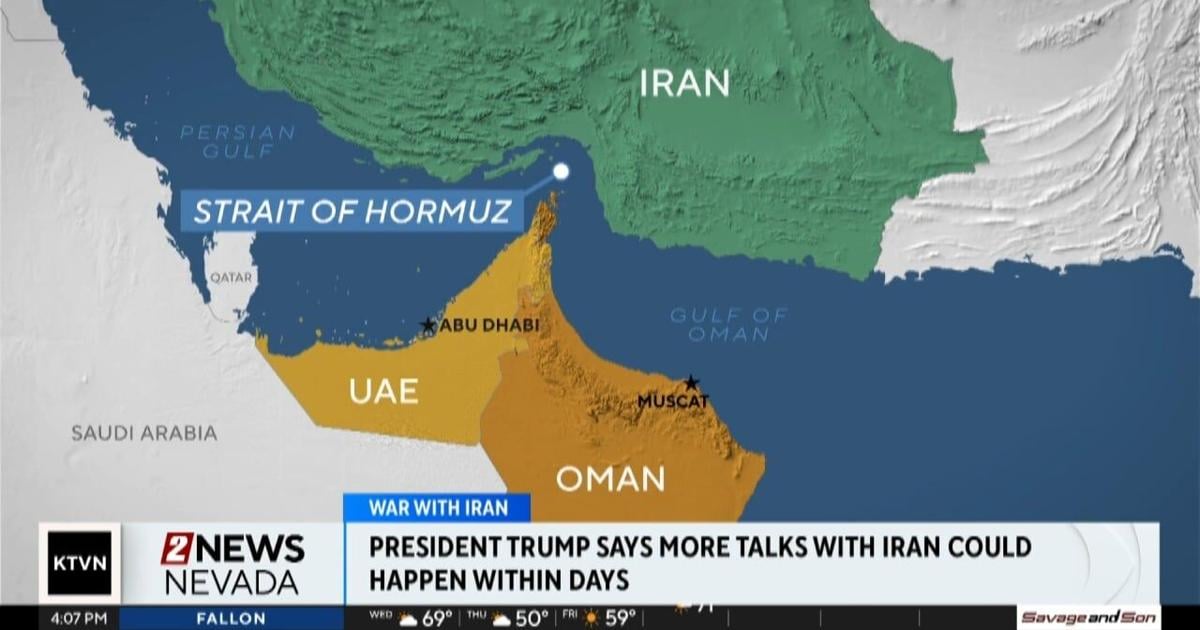
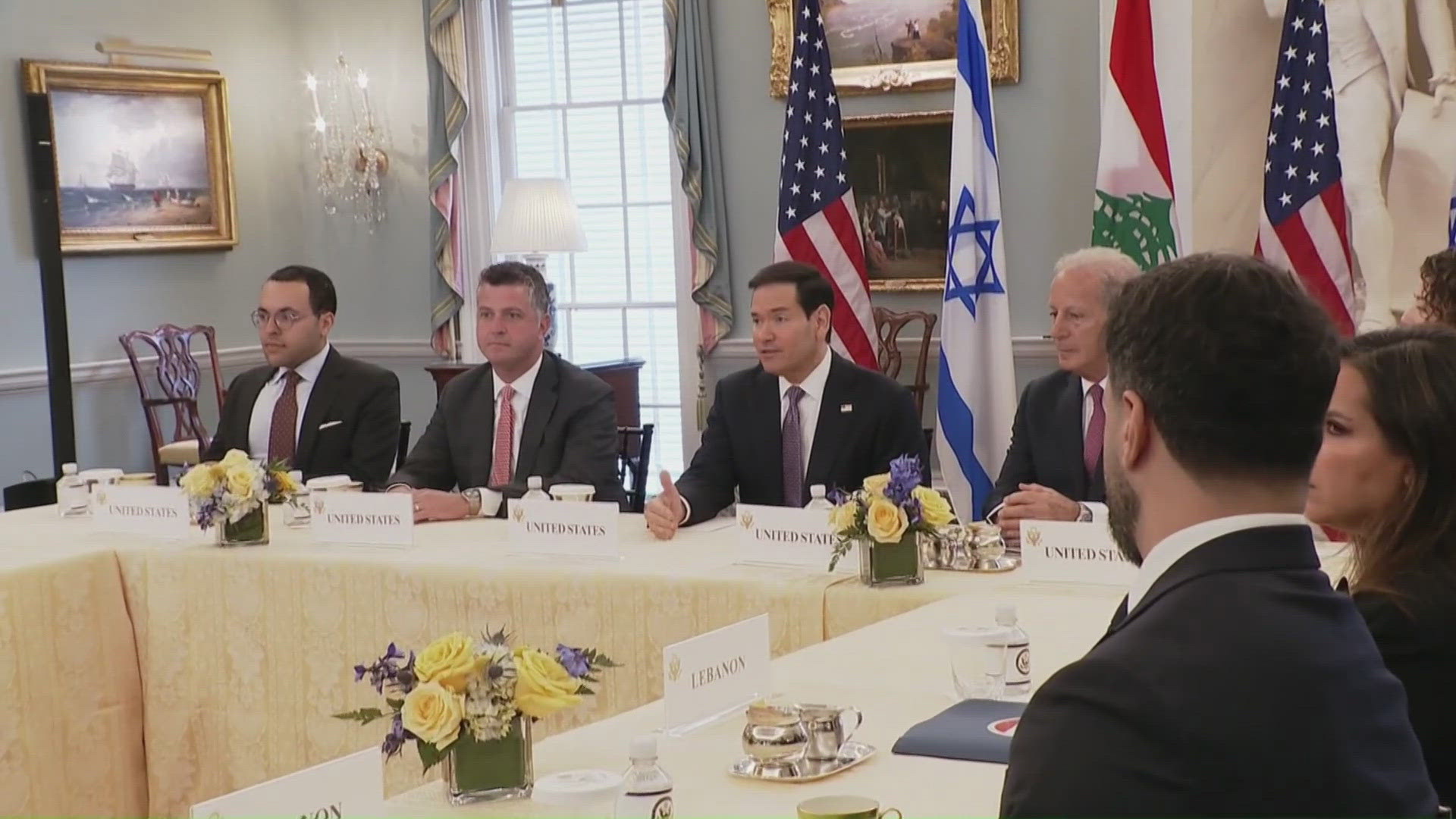
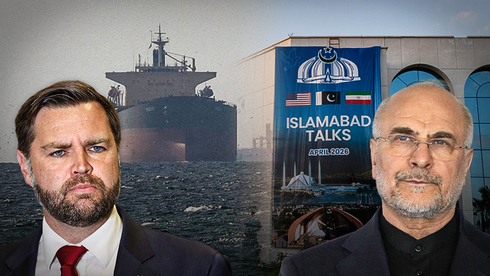
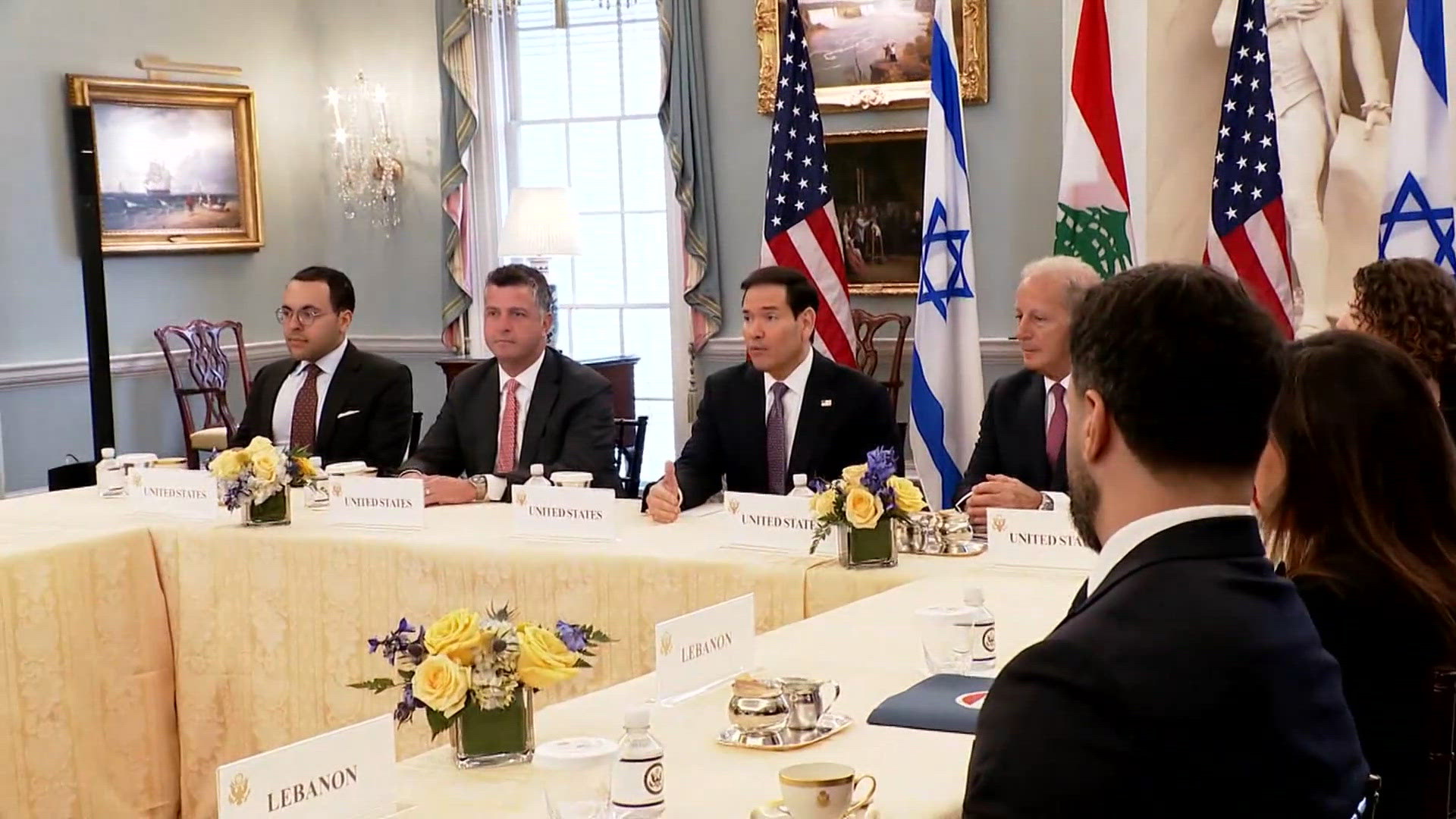
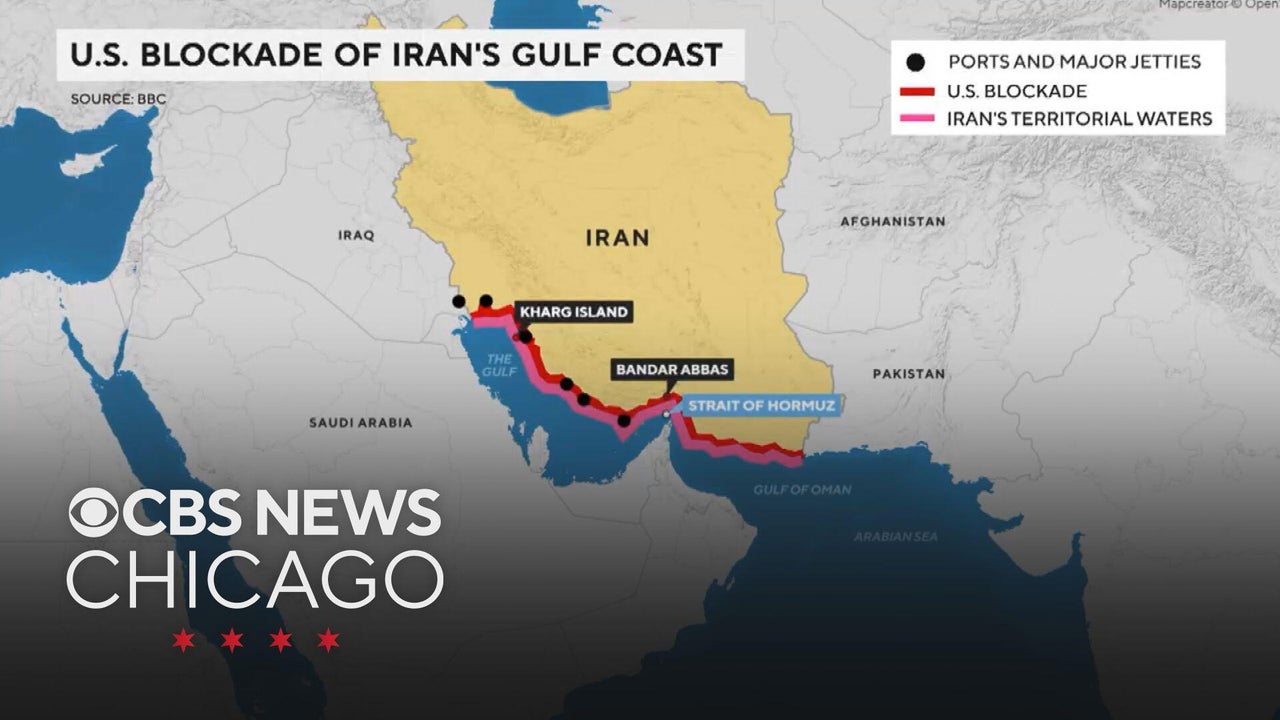
The escalating Middle East conflict centered on Israeli-Lebanese military operations and US-Iran tensions is creating immediate supply chain disruptions affecting cross-border e-commerce sellers globally. As of April 16, 2025, diplomatic talks between Israeli and Lebanese leaders represent the first communication in 34 years, yet military operations continue with Hezbollah rocket attacks and Israeli ground operations in southern Lebanon. More critically, the US blockade of Iranian ports has stopped 10+ vessels in 48 hours, while Iran's Revolutionary Guard threatens to close the Strait of Hormuz—through which 20-30% of global oil trade passes. This strategic chokepoint disruption directly impacts e-commerce logistics costs.
The immediate operational impact is severe for sellers relying on air freight and energy-dependent shipping. European airlines depend on approximately 75% of jet fuel imports from the Middle East, and the European Commission is drafting emergency refining capacity measures starting April 22, 2025. Jet fuel prices have already surged following the blockade, with industry warnings of potential flight cancellations and grounded aircraft. For cross-border sellers serving European markets with time-sensitive shipments (electronics, fashion, perishables), air freight costs are projected to increase 8-15% within weeks. Sellers shipping via Amazon FBA European fulfillment centers face accelerated storage fees if air freight delays push inventory into higher-tier storage periods.
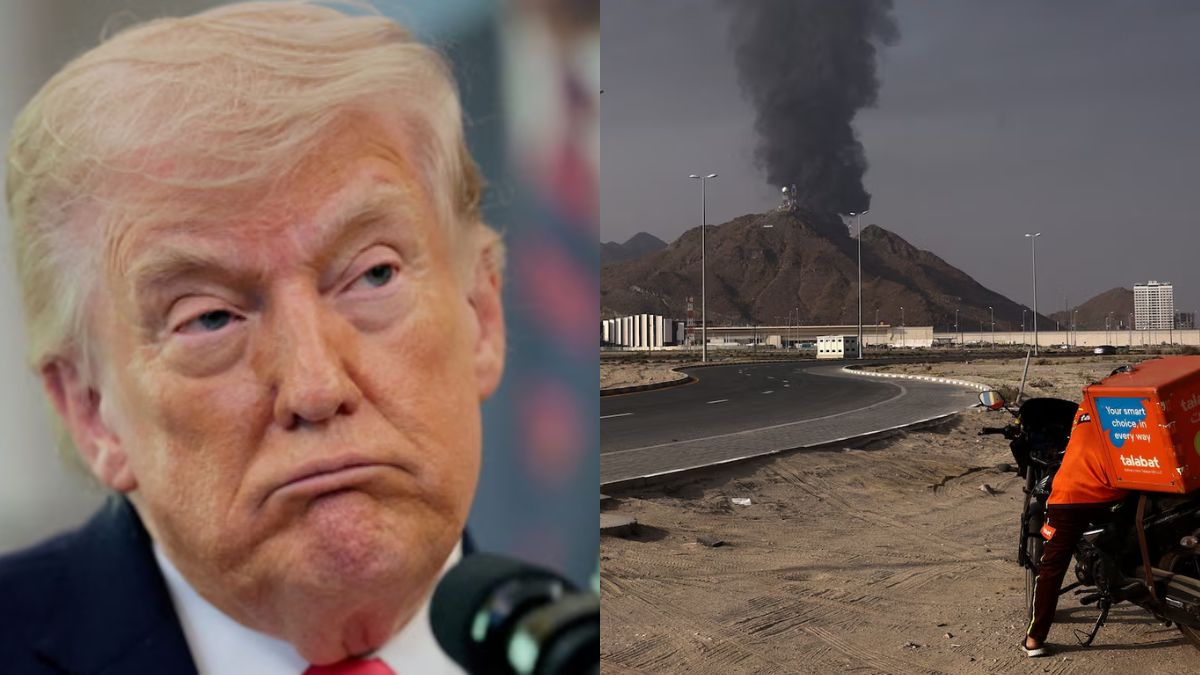
Maritime shipping routes face equal pressure with 15-25% cost increases likely. The Strait of Hormuz disruption affects container shipping from Asia to Europe and North America, the primary corridors for cross-border e-commerce. Sellers sourcing from Vietnam, India, and China for European/US markets should expect shipping delays of 7-14 additional days and cost increases of $200-500 per 20-foot container. The ceasefire uncertainty (Trump indicated potential resolution within 2 days as of April 16, but diplomatic talks remain fragile) creates a 30-60 day window of elevated logistics costs. Sellers with inventory in transit face customs clearance delays as port congestion increases due to rerouted vessels avoiding the Strait.
Strategic sourcing opportunities emerge for sellers willing to pivot quickly. The disruption creates temporary competitive advantages for sellers with inventory already positioned in European 3PL facilities or those using nearshoring strategies (Mexico for US markets, Eastern Europe for EU markets). Sellers currently dependent on just-in-time inventory from Asia face margin compression of 5-12% if they cannot absorb logistics cost increases. The April 22 EU refining capacity mapping deadline signals potential policy interventions that could stabilize jet fuel prices, creating a critical decision window for sellers to lock in shipping rates before potential regulatory changes.
Questions 8
How can sellers legally optimize sourcing to mitigate Strait of Hormuz supply chain risks?
Sellers can implement three legal strategies: (1) **Dual-sourcing**: Establish backup suppliers in Vietnam, India, or Mexico to reduce single-country dependency on Asian routes through the Strait. (2) **Nearshoring**: Shift 20-30% of inventory to Mexico (for US markets) or Eastern Europe (for EU markets), reducing exposure to maritime chokepoints. (3) **Regional fulfillment**: Pre-position inventory in Amazon FBA European or North American fulfillment centers before disruptions escalate, locking in current storage rates. These strategies require 60-90 days to implement but provide 15-25% logistics cost savings and eliminate Strait of Hormuz exposure. Sellers should avoid illegal tariff evasion or customs fraud—instead, focus on legitimate supply chain diversification and regional inventory positioning to maintain compliance while reducing costs.
What is the competitive advantage for sellers with existing European 3PL inventory during this crisis?
Sellers with pre-positioned inventory in European 3PL facilities gain 7-14 day delivery speed advantages and avoid air freight cost increases entirely. During the 30-60 day disruption window, these sellers can maintain competitive pricing while competitors absorb 8-15% logistics cost increases. This translates to 3-5% margin advantages on European sales. Sellers can leverage this advantage by: (1) Increasing PPC advertising spend to capture market share from competitors with delayed inventory, (2) Reducing prices 2-3% to undercut competitors facing higher costs, (3) Expanding product listings to categories where competitors have inventory delays. The competitive window closes once logistics costs normalize (mid-May 2025), so sellers should act immediately to maximize market share gains during the disruption period.