


Sustainable Footwear Brand Exits Retail | AI Infrastructure Pivot Signals DTC Brand Transformation Trend
- Allbirds abandons $4B footwear legacy for GPU compute services; 582% stock surge reveals investor appetite for AI pivots; signals pressure on DTC sellers to adopt AI-driven operations or face competitive disadvantage





Overview
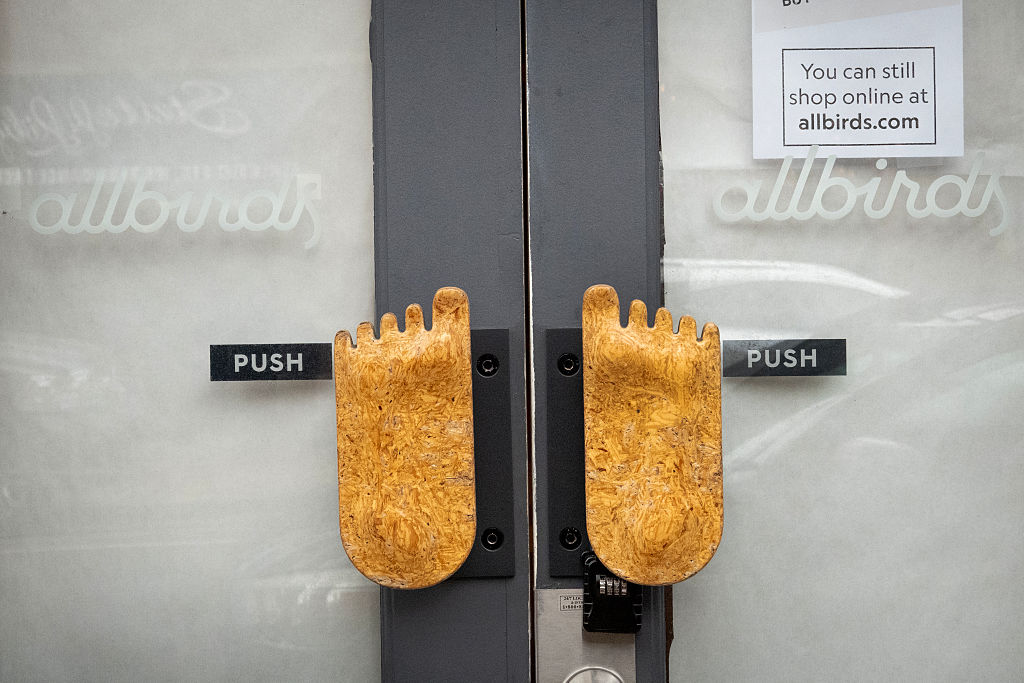
Allbirds' dramatic exit from footwear into AI infrastructure represents a watershed moment for direct-to-consumer (DTC) brands and cross-border sellers. On April 15, 2026, the once-celebrated sustainable sneaker company announced a complete strategic pivot, rebranding as NewBird AI and repositioning from footwear manufacturing to GPU compute-as-a-service. The company, which achieved a $4 billion valuation during its 2021 IPO after gaining prominence when former President Barack Obama wore its wool sneakers in 2020, faced catastrophic decline: by 2023, Allbirds reported $101 million in annual losses with share prices plummeting 47%. After closing all U.S. brick-and-mortar stores by February 2026 and selling footwear assets to American Exchange Group for just $39 million in March, the company secured $50 million in convertible financing to acquire GPU assets and develop a neocloud platform for AI applications. The announcement triggered a remarkable 582% stock surge (shares jumping from under $3 to nearly $22), though a 28% after-hours correction occurred, demonstrating volatile investor sentiment around AI pivots.
This pivot exemplifies a critical market trend affecting all DTC sellers: traditional business models are increasingly viewed as liabilities rather than assets. The news generated significant social media engagement with memes comparing the pivot to the "PIVOT" scene from Friends and Wolf of Wall Street references, indicating broader cultural awareness of brand desperation. For cross-border sellers, this signals that AI-driven personalization, supply chain optimization, and customer service automation are transitioning from competitive differentiators to table-stakes requirements. Major DTC brands like Allbirds are now prioritizing technology investment over product innovation, suggesting that sellers without AI-powered inventory management, dynamic pricing, and personalized marketing will face increasing competitive pressure. The "Long Island AI" cultural commentary reflects how AI adoption has moved beyond tech-native companies into mainstream retail and consumer goods sectors, setting new customer expectations across all e-commerce channels.
The strategic implications for cross-border sellers are profound and immediate. Allbirds' decision to exit footwear entirely—rather than diversify into AI while maintaining retail operations—signals that investors now view traditional consumer goods as value-destructive. This creates both challenges and opportunities: sellers must either invest in AI infrastructure (supply chain optimization, demand forecasting, personalized recommendations) to match customer expectations set by major brands, or identify underserved niches where traditional retail expertise remains defensible. The $50 million capital deployment for GPU infrastructure demonstrates the scale of investment required to compete in AI-driven markets. For sellers in sustainable fashion, footwear, and lifestyle categories, Allbirds' exit from retail represents both a market opportunity (reduced competition from a major brand) and a warning signal (category investors now prioritize tech-enabled business models over product quality or sustainability credentials). The mid-May 2026 stockholder approval deadline will determine whether this pivot succeeds or becomes a cautionary tale about misaligned corporate strategy.
Questions 8
How should sellers evaluate AI tools to avoid Allbirds-style strategic mistakes?
Sellers should apply three evaluation criteria: (1) **Core competency alignment**—adopt AI tools that enhance existing strengths (inventory management, customer service, marketing) rather than attempting to pivot into entirely new industries; (2) **Customer acquisition cost validation**—ensure AI investments reduce CAC or increase LTV by measurable amounts (10-20% improvement) within 6 months; (3) **Competitive defensibility**—prioritize AI applications where your data, supplier relationships, or customer insights create sustainable advantages. Allbirds' mistake was pursuing AI infrastructure where it had no competitive advantage. Sellers should instead focus on AI applications in their core categories: demand forecasting for inventory optimization, personalized recommendations for conversion rate improvement, and dynamic pricing for margin expansion.
What does the 'PIVOT' meme response reveal about market sentiment on brand pivots?
The widespread 'PIVOT' meme comparison (referencing the Friends TV show scene) indicates **public skepticism about Allbirds' strategic credibility**. While the 582% stock surge shows investor enthusiasm for AI pivots, the social media mockery reveals consumer and market observer doubt about execution feasibility. This sentiment gap—bullish investors vs. skeptical public—suggests the stock surge may be speculative rather than fundamentals-based. For sellers, this highlights a critical lesson: **market enthusiasm for strategic pivots doesn't guarantee execution success**. Allbirds' pivot lacks the supply chain, customer relationships, and operational expertise that made it successful in footwear. Sellers should be cautious about pursuing dramatic pivots based on investor sentiment alone; sustainable growth comes from leveraging existing competitive advantages, not abandoning them for trendy new markets.