





Colonial Heritage Under Siege: The High-Stakes Museum Artifact Theft Revealing Global Security Vulnerabilities
- Unprecedented museum raid exposes critical gaps in protecting historical collections and cultural patrimony












































Overview
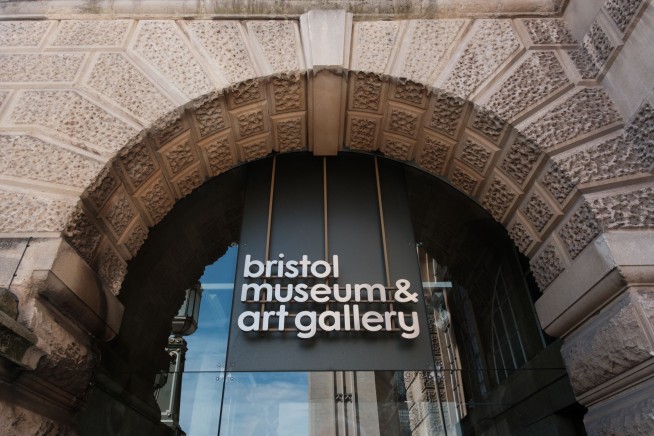
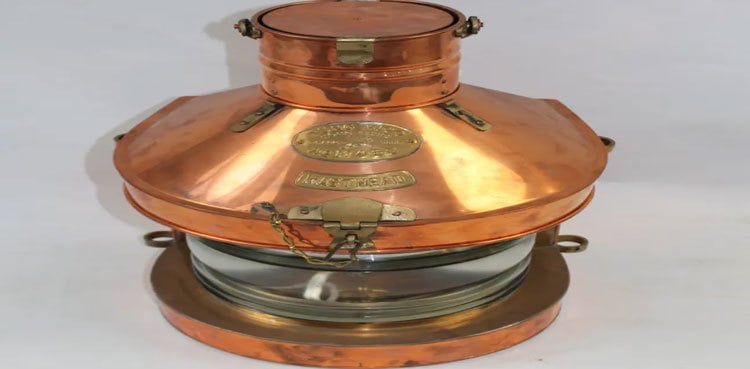
The Bristol Museum artifact theft represents more than a simple robbery—it's a sophisticated attack exposing profound vulnerabilities in cultural heritage protection mechanisms. On September 25th, criminals executed a meticulously planned raid, stealing over 600 high-value cultural artifacts from the British Empire and Commonwealth Museum's archive, targeting items with deep historical significance.
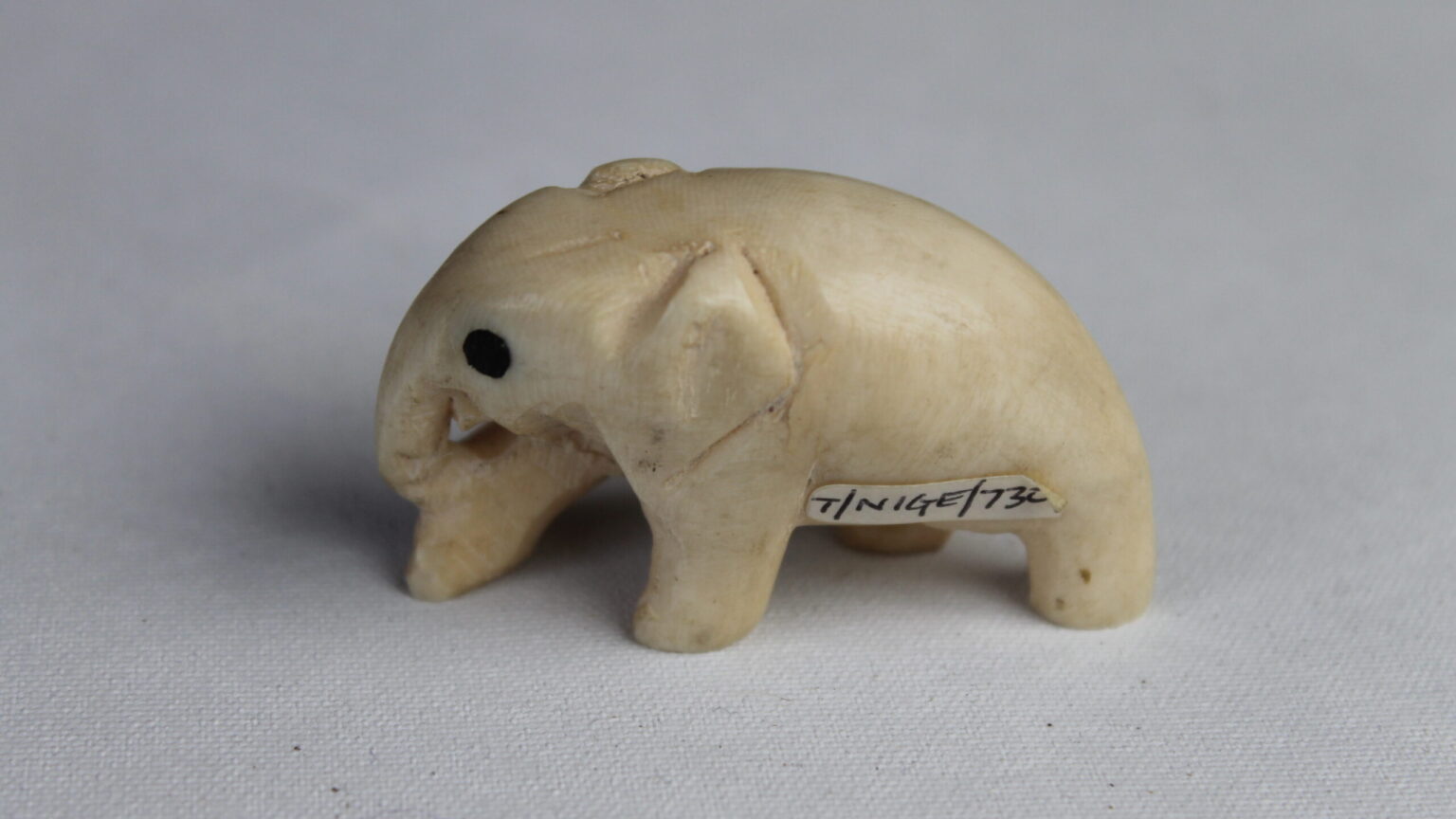
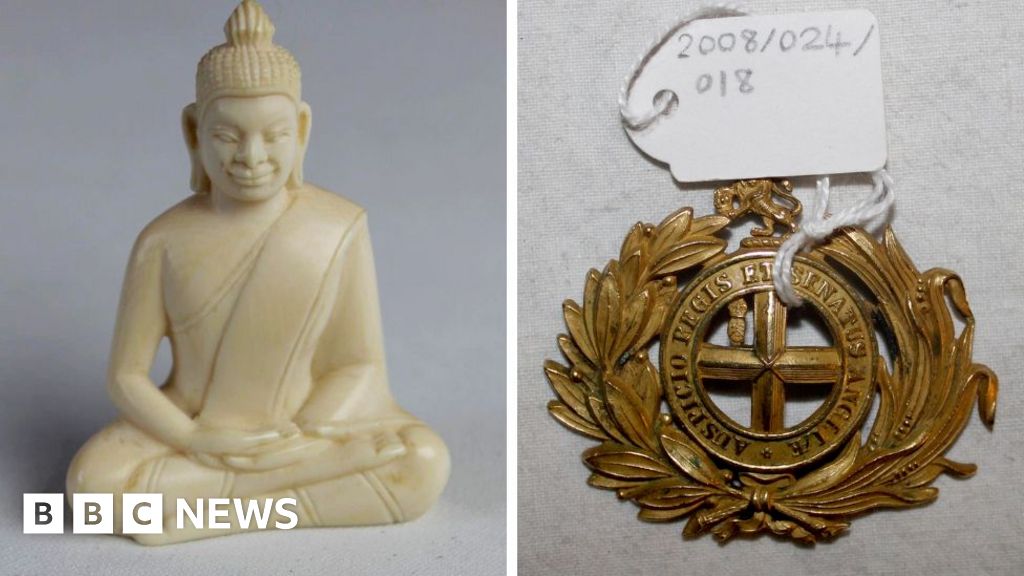
Strategic Targeting of Colonial Artifacts emerges as the most compelling narrative. The thieves demonstrated remarkable selectivity, focusing on items that represent complex historical relationships—including an East India Company uniform belt buckle and an ivory Buddha. This suggests the theft was not random but potentially motivated by the artifacts' intrinsic historical and potentially monetary value. The precision of the two-stage break-in, involving 95 items in the second incident, indicates a level of professional planning that goes beyond typical museum heists.
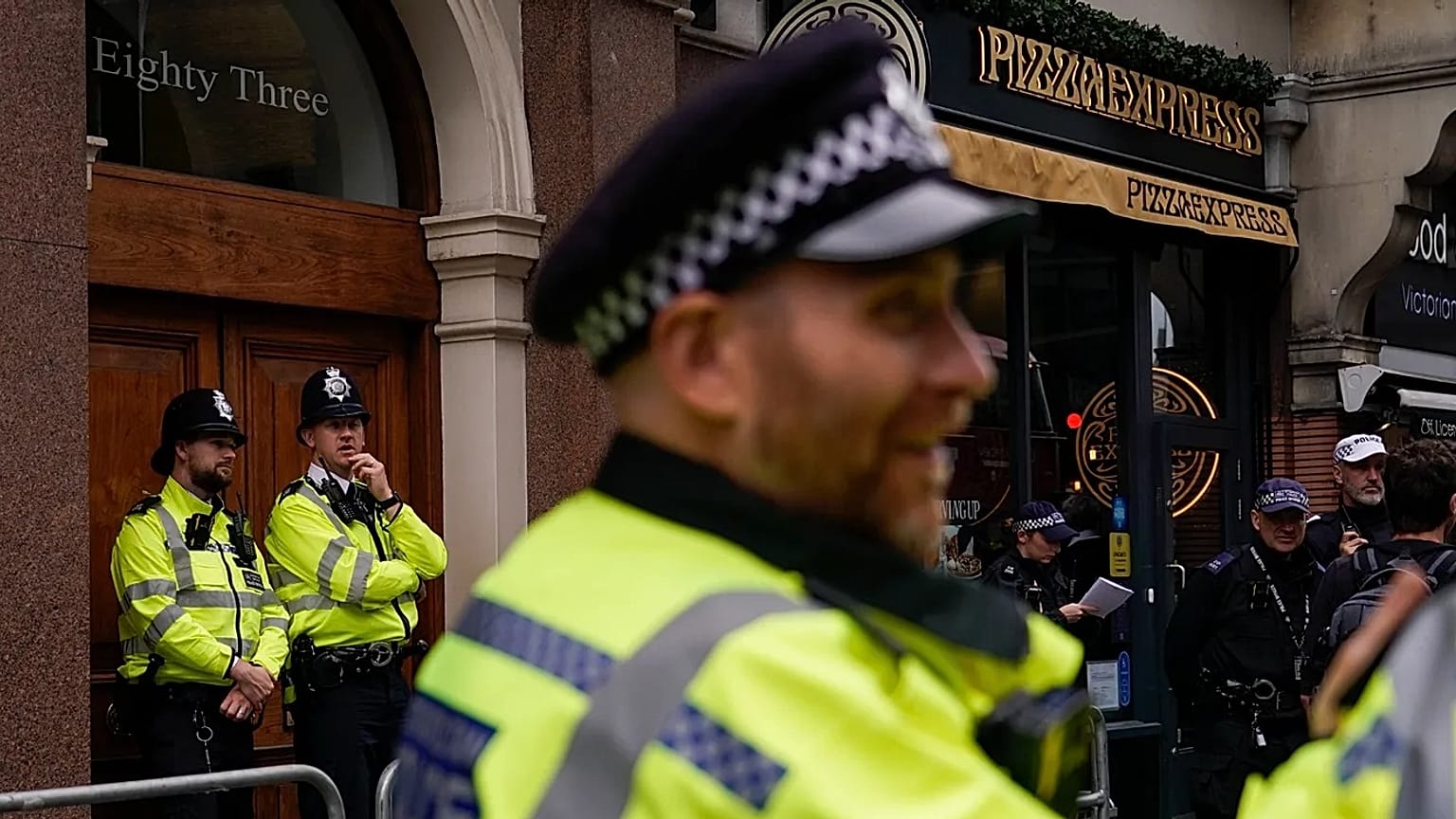
The investigative response reveals systemic weaknesses in cultural artifact protection. Avon and Somerset Police released CCTV footage months after the incident, highlighting significant delays in public communication. Detective Constable Dan Burgan's emphasis on the "substantial cultural loss" underscores that these are not mere objects, but irreplaceable historical records documenting complex colonial interactions between Britain and its former territories.
Philip Walker from Bristol City Council articulated the deeper implications, noting these artifacts provide "invaluable insights into Britain's imperial history." The theft doesn't just represent a material loss but potentially disrupts scholarly understanding of historical narratives. Each stolen item—from military badges to geological specimens—represents a fragment of a larger historical mosaic now potentially lost or fragmented.
The incident demands urgent re-evaluation of museum security protocols. Cultural institutions must transition from passive preservation to active protection strategies, integrating advanced surveillance, rapid response mechanisms, and potentially blockchain-based provenance tracking to safeguard irreplaceable historical patrimony.
Questions 3
What are the long-term implications of this artifact theft?
Beyond immediate material loss, this theft could fragment historical understanding. Each stolen artifact represents a unique historical record, and their removal creates potential gaps in documenting colonial interactions and cultural exchanges.
What makes this museum theft particularly significant?
Unlike typical art heists, this theft targeted culturally sensitive colonial-era artifacts, suggesting a strategic selection that goes beyond monetary value. The stolen items represent complex historical narratives, potentially disrupting scholarly understanding of Britain's imperial history.