



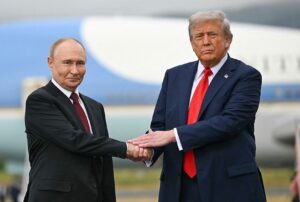

Transatlantic Trust Fractures: Denmark Signals Seismic Shift in US-European Relations
- Unprecedented diplomatic warning exposes deepening geopolitical tensions and strategic realignment





)
Overview
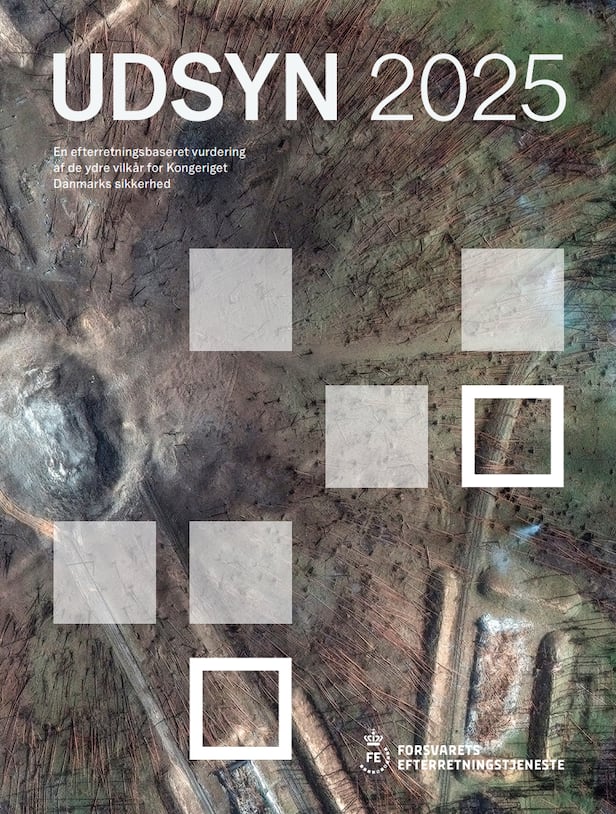
The geopolitical landscape is experiencing a profound transformation, with Denmark's Defense Intelligence Service (DDIS) delivering a watershed moment by publicly characterizing the United States as a potential security concern. This unprecedented assessment reveals a critical inflection point in transatlantic relations, signaling a fundamental erosion of long-standing diplomatic assumptions.
Strategic Power Dynamics Redefined: The DDIS report exposes a critical trend where major global powers are increasingly prioritizing unilateral interests over traditional alliance frameworks. By highlighting the United States' willingness to leverage economic power through tariff threats and potential military interventions, Denmark is essentially challenging the established post-World War II security paradigm. The report's nuanced analysis suggests that geopolitical relationships are no longer defined by historical allegiances but by immediate strategic calculations.
Diplomatic Tension Indicators: Several key flashpoints underscore the growing mistrust. The controversial incident involving former President Trump's interest in acquiring Greenland symbolizes a broader pattern of unpredictable diplomatic engagement. More significantly, the report points to an emerging strategic uncertainty about the United States' commitment to European security, particularly within NATO. This uncertainty is not merely theoretical but represents a tangible shift in how European nations perceive American geopolitical intentions.
The strategic implications are profound. Russia's potential exploitation of these transatlantic fissures represents a sophisticated geopolitical opportunity, aiming to sow division between the United States and its European allies. By exposing these emerging fault lines, Denmark is signaling a need for more pragmatic, interest-driven diplomatic approaches that transcend traditional alliance structures.
Strategically, this development demands a recalibration of international engagement models. Organizations, policymakers, and diplomatic corps must now navigate an increasingly complex landscape where historical partnerships are being fundamentally re-examined. The message is clear: geopolitical relationships require constant reassessment, adaptability, and a willingness to challenge long-held assumptions.
Questions 3
What are the key implications of this diplomatic development?
The report suggests a fundamental restructuring of international relations, where countries are prioritizing their own strategic interests over historical alliances. It indicates that economic power and geopolitical leverage are becoming more important than traditional diplomatic frameworks.
How might Russia benefit from these emerging tensions?
Russia could potentially exploit the growing divisions between the United States and European allies by attempting to sow discord and create strategic opportunities. The report implies that these transatlantic fissures provide potential diplomatic and geopolitical advantages for rival powers.