


)


Digital Content Creators Beware: The High-Stakes Legal Minefield of International Viral Production
- Emerging global risks for content professionals operating across strict regulatory environments














Overview
In an era of borderless digital content creation, two recent incidents in Bali have dramatically exposed the treacherous legal landscape facing international creators. Cross-border content production now represents a high-risk endeavor where cultural misunderstandings can rapidly escalate into serious legal consequences.
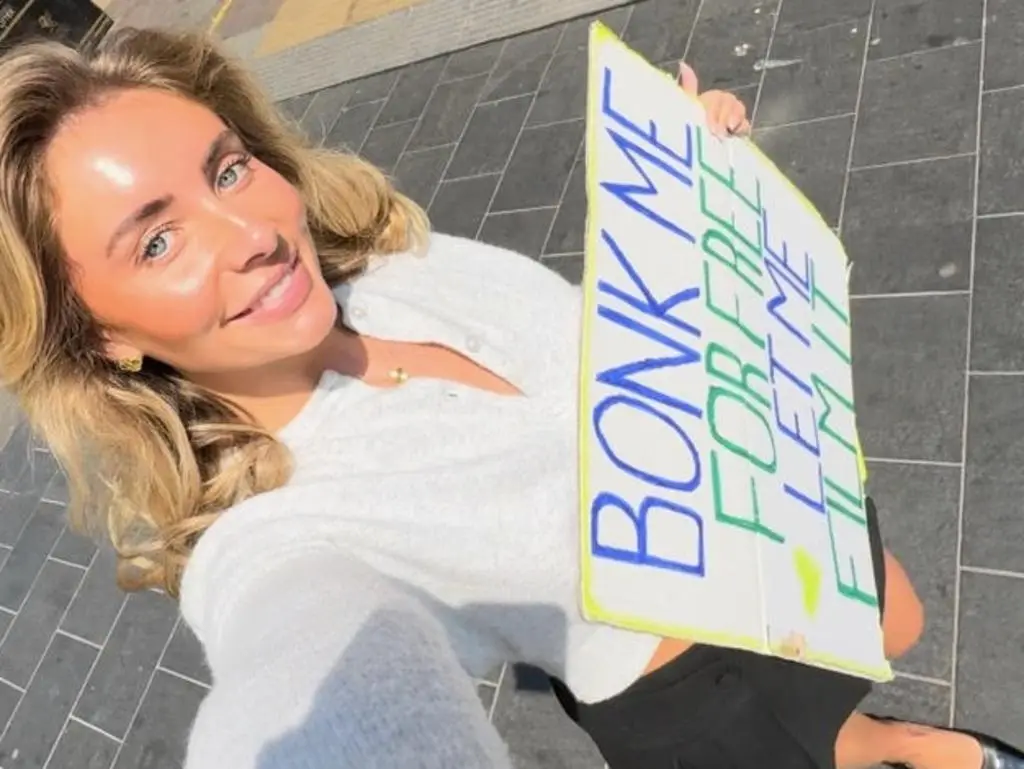
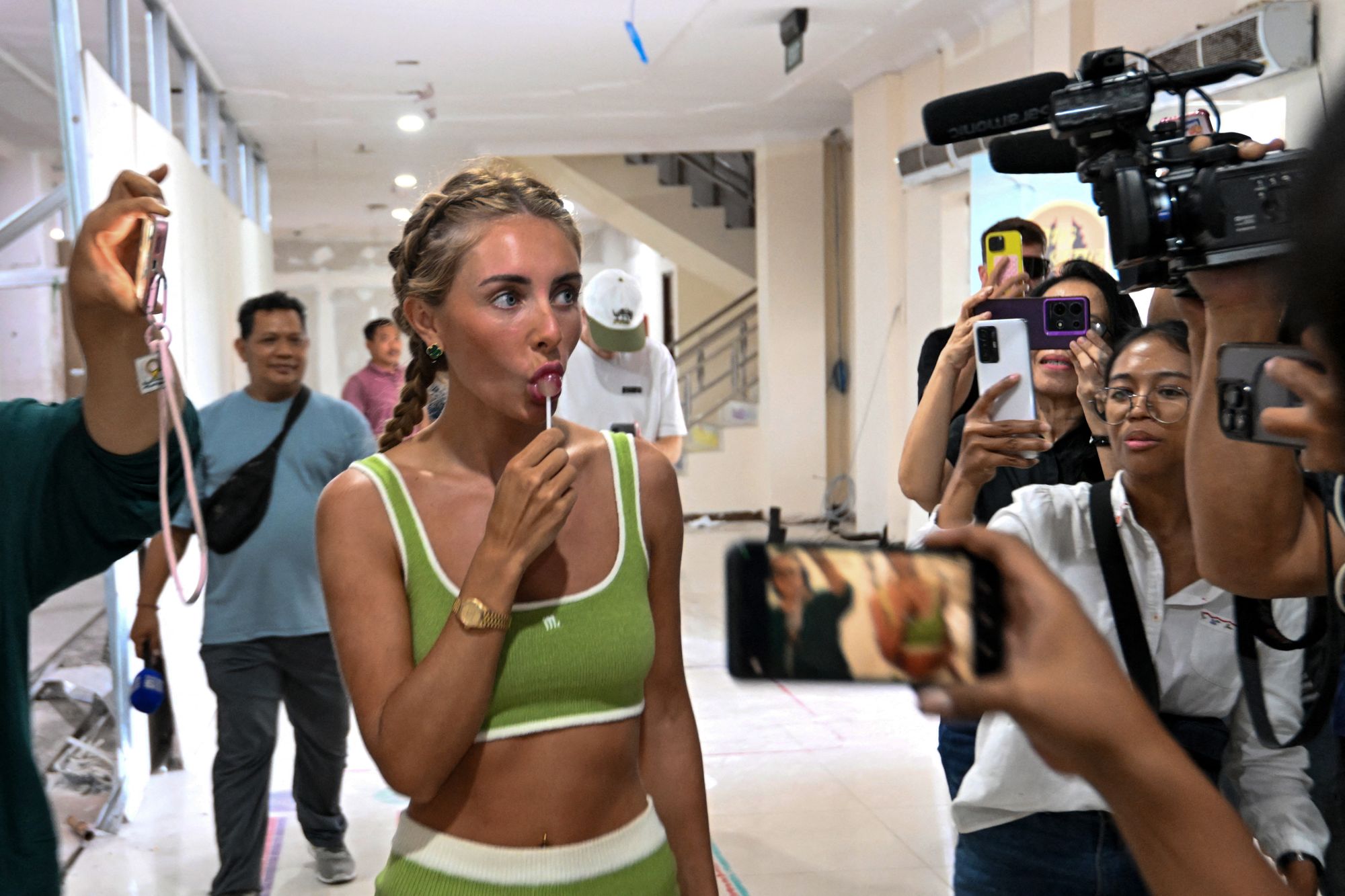
The Viral Content Trap emerges through two interconnected cases: adult content creator Tia Billinger's arrest and sex therapist Jennelle Gordon's deportation. These incidents reveal a critical vulnerability for digital professionals operating in jurisdictions with stringent moral regulations. The Bali cases demonstrate that what might be considered acceptable content in one region can trigger severe legal repercussions in another.
Regulatory Complexity at the Intersection of Digital Media and Local Laws becomes starkly apparent. Billinger's arrest during a group photoshoot involving 17 international tourists highlights the razor-thin line between creative expression and legal violation. With potential penalties ranging up to 15 years imprisonment or a 270,000 fine, the stakes are dramatically high. Similarly, Gordon's deportation after hosting an intimacy retreat underscores how even professional wellness activities can be misinterpreted by local authorities.
The emerging trend signals a profound shift in digital content creation: creators must now function as part-time legal experts. Understanding local regulations isn't just advisable—it's existential. The cases reveal that immigration and local law enforcement increasingly view digital content through a lens of potential moral transgression, with social media visibility potentially triggering more aggressive scrutiny.
Critically, these incidents expose a new form of professional risk for transnational digital creators. The traditional assumptions of creative freedom are being systematically dismantled by hyper-local regulatory environments that can swiftly and dramatically interrupt professional activities. For content creators, influencers, and digital professionals, the message is clear: thorough local research is no longer optional—it's a survival strategy.
Questions 3
What specific legal risks do content creators face when producing content internationally?
Content creators risk arrest, deportation, equipment seizure, and potential long-term imprisonment if they violate local moral and legal standards. The Bali cases demonstrate that even seemingly innocuous content can trigger severe legal consequences, with penalties potentially reaching 15 years imprisonment or substantial financial fines.
How can digital creators protect themselves when working in foreign jurisdictions?
Creators must conduct comprehensive local legal research, understand cultural sensitivities, obtain proper visas, avoid commercial activities on tourist permits, and potentially consult local legal experts before producing content. Proactive compliance and cultural awareness are now essential risk management strategies.