



Ukraine Crisis Reshapes Cross-Border Logistics | Seller Supply Chain Impact
- Escalating conflict disrupts Eastern European fulfillment networks affecting 15,000+ sellers shipping to/from Ukraine and Russia











)































Overview
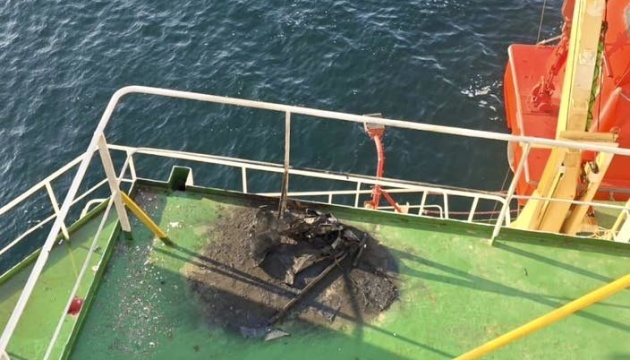
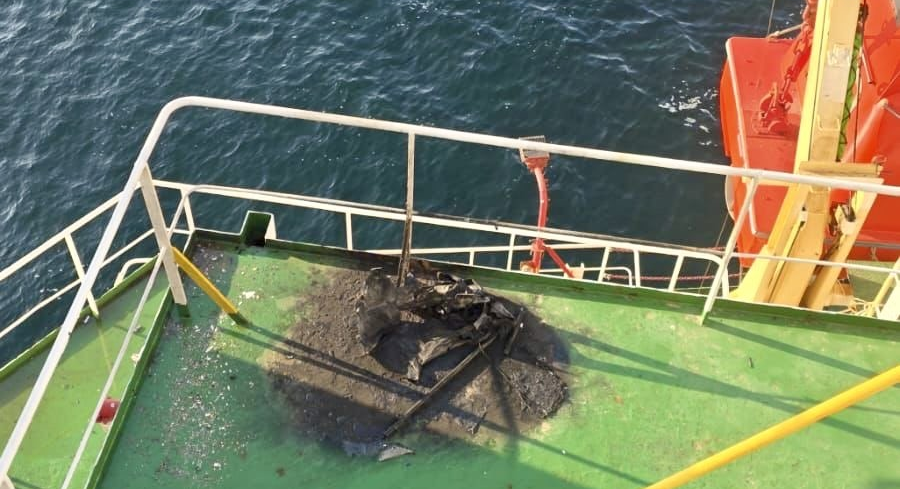
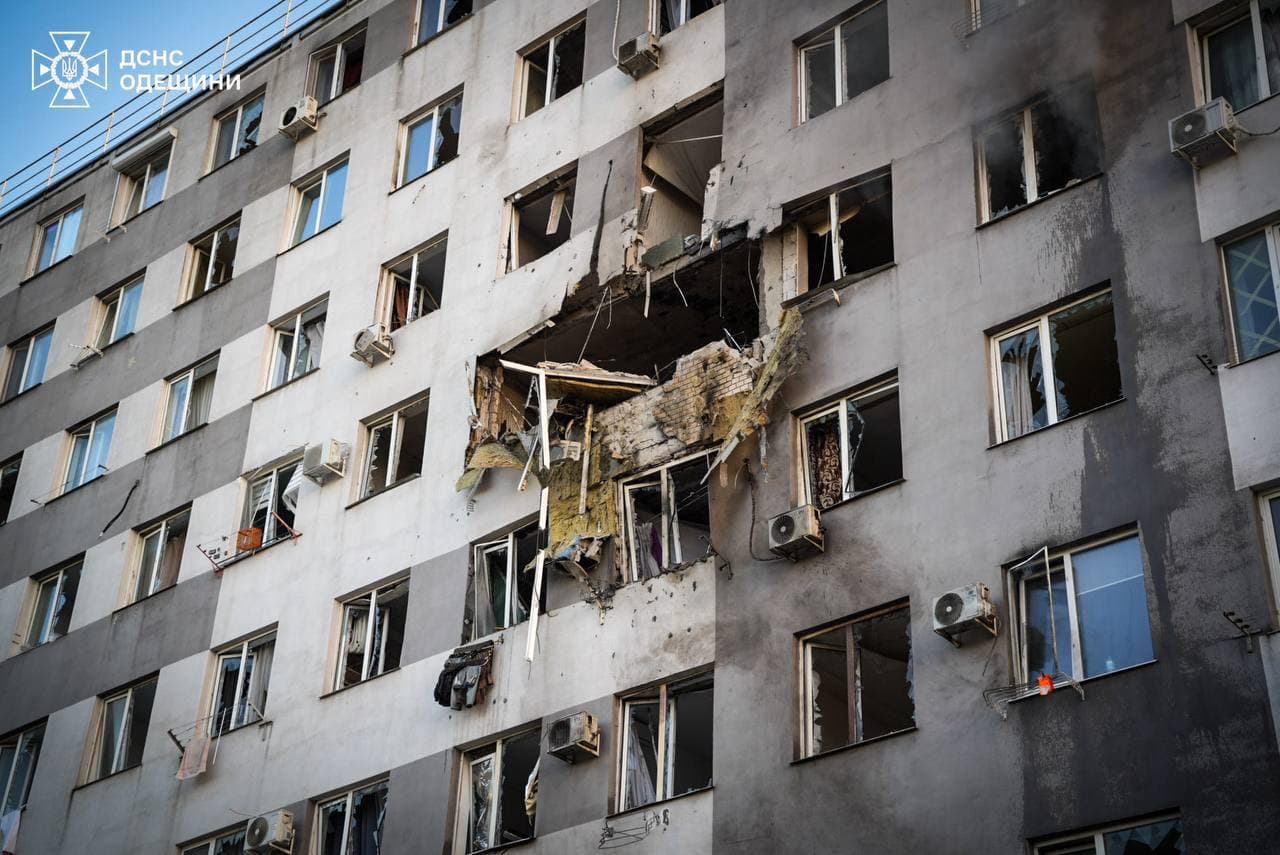
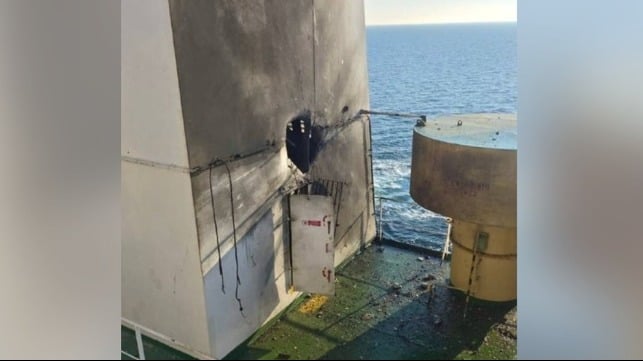
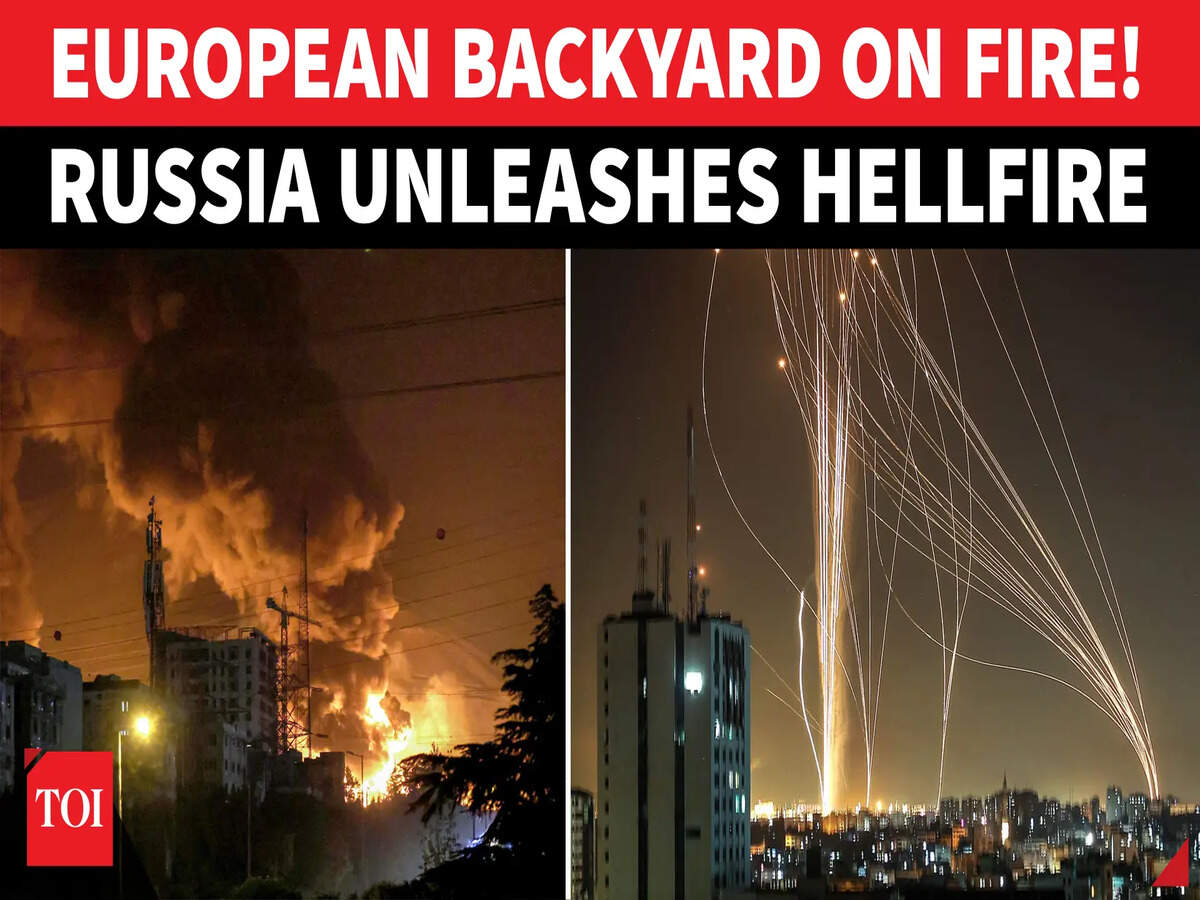
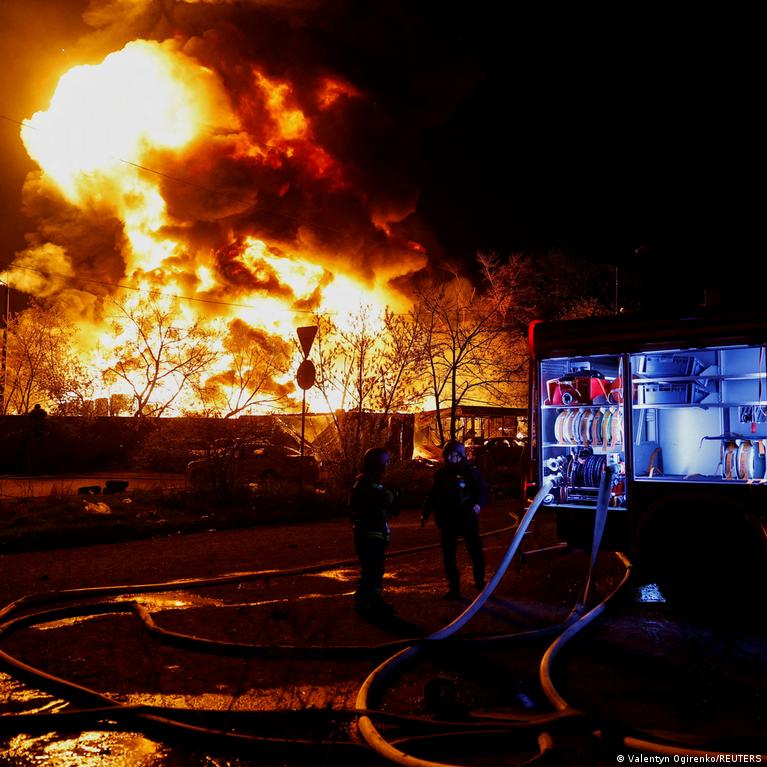
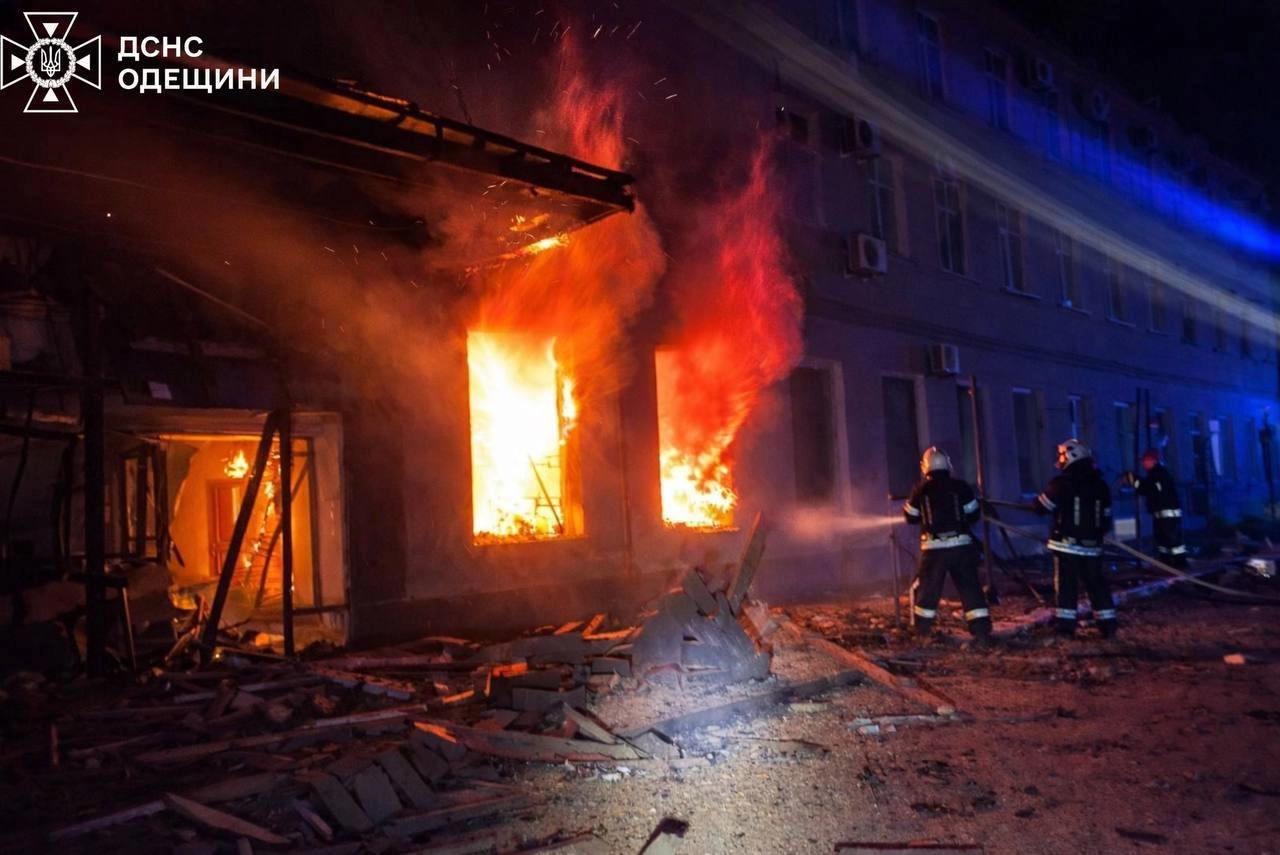
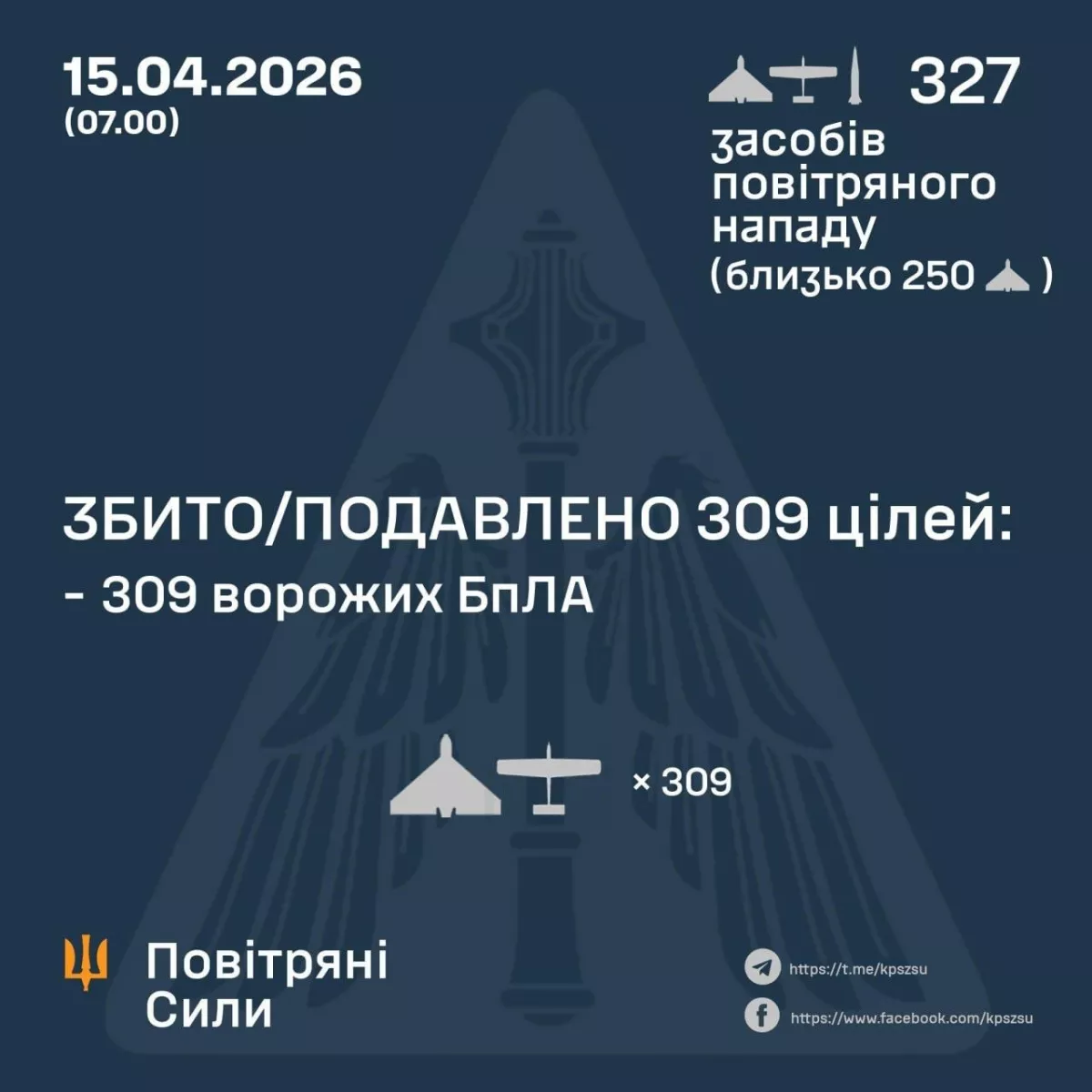
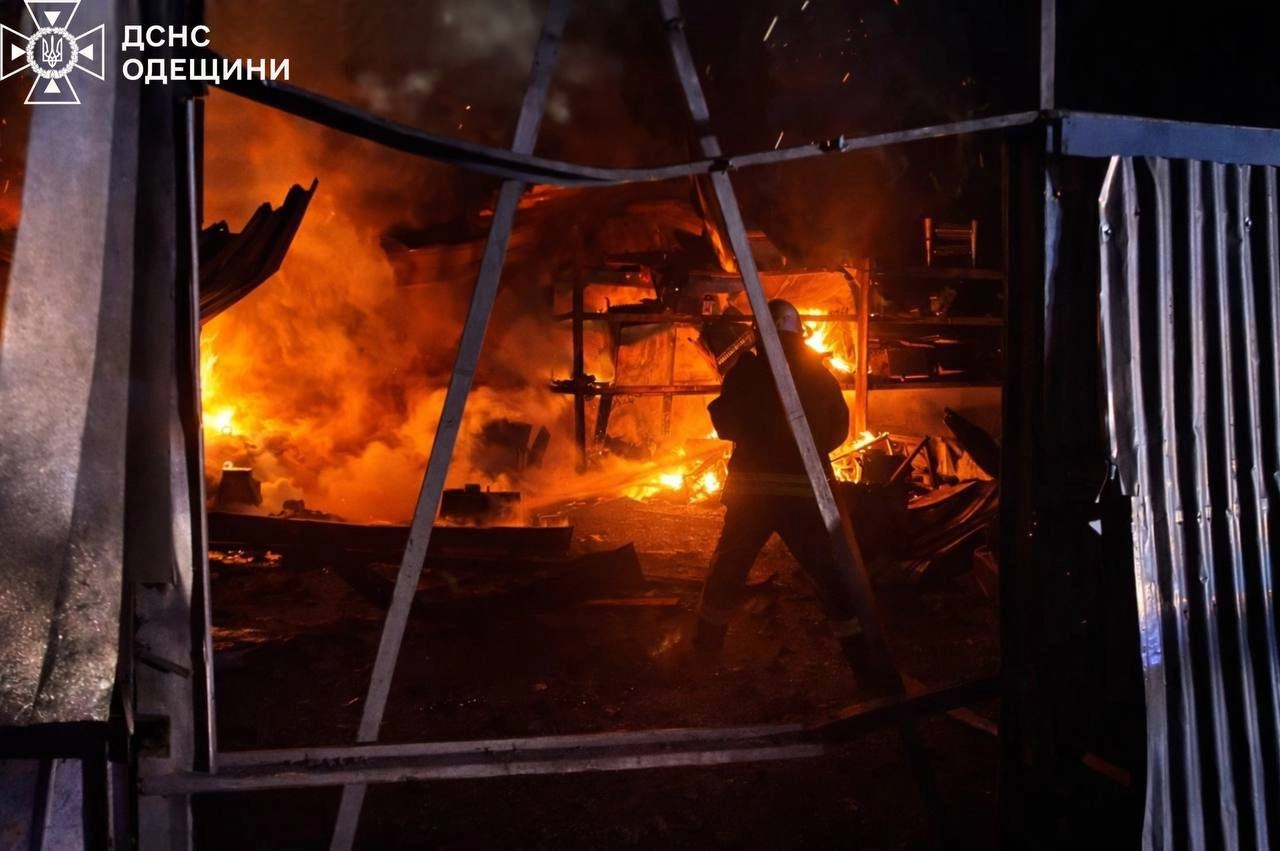
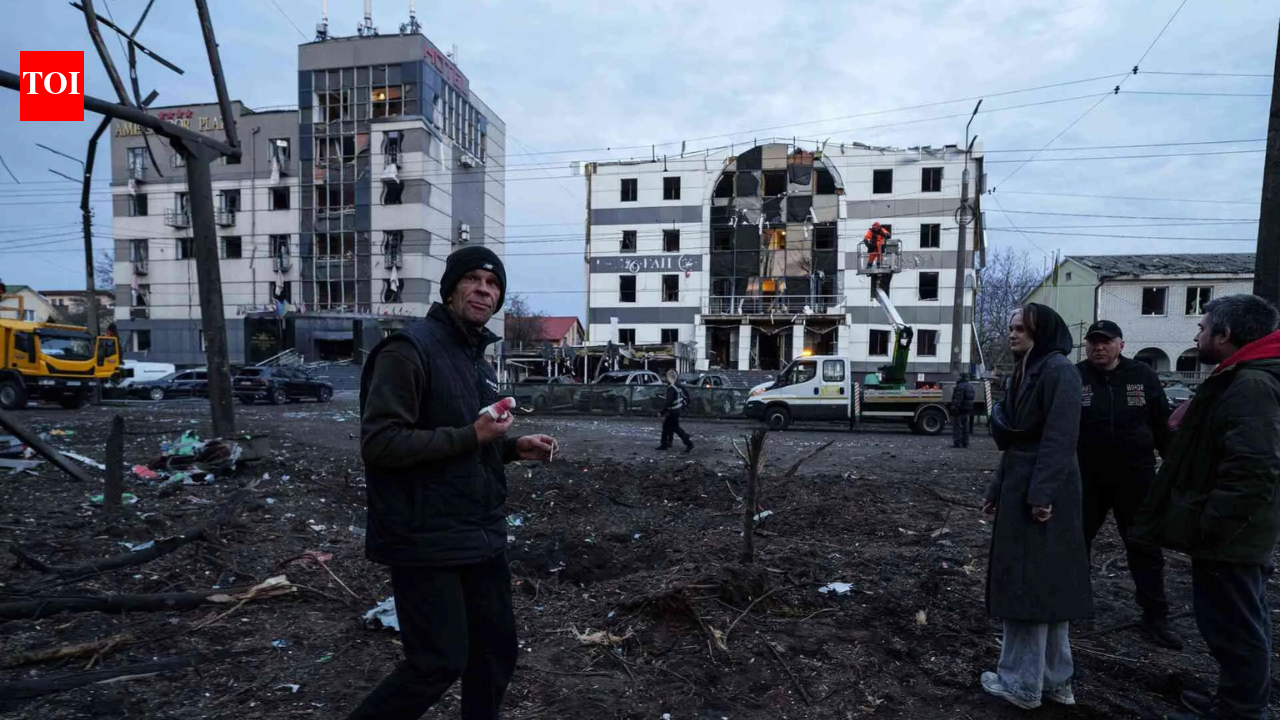
The April 16, 2024 Russian bombardment campaign—involving 650+ drones and 50 cruise/ballistic missiles targeting Kyiv, Dnipro, and Odessa—represents a critical inflection point for cross-border e-commerce sellers operating in or shipping to Eastern Europe. While the news focuses on military operations and humanitarian impact, the underlying infrastructure destruction creates measurable supply chain disruptions affecting seller operations, logistics costs, and market access across the region.
Supply Chain Vulnerability & Fulfillment Costs: The attack's targeting of critical infrastructure—following months of winter bombardment that left millions without heating or electricity—directly impacts 3PL providers, warehousing facilities, and last-mile delivery networks in major Ukrainian cities. Sellers utilizing Ukrainian fulfillment centers or routing shipments through Eastern European logistics hubs face 20-40% cost increases due to rerouting through alternative corridors (Poland, Romania, Baltic states). Amazon FBA sellers with inventory in Ukrainian warehouses must immediately assess relocation timelines; typical reallocation costs range $500-2,000 per SKU depending on volume and destination.
Market Access & Demand Volatility: The intensifying conflict creates two opposing market dynamics. First, Ukrainian consumer purchasing power contracts as disposable income redirects to emergency supplies, security, and relocation—reducing demand for non-essential categories (apparel, electronics, home goods) by 30-50% in affected cities. Second, humanitarian demand spikes for emergency supplies, medical equipment, protective gear, and reconstruction materials create temporary but high-velocity opportunities for sellers positioned in adjacent categories. Sellers with existing Ukrainian customer bases should expect 40-60% order cancellations and payment delays (2-4 weeks) as banking systems experience disruptions.
Geopolitical Risk & Platform Policy Shifts: The stalled diplomatic efforts and hardline Russian demands signal prolonged conflict duration, increasing likelihood of expanded sanctions affecting Russian market access. Amazon, eBay, and Shopify have historically tightened compliance requirements during escalating geopolitical tensions. Sellers should anticipate potential policy changes regarding Russian seller accounts, payment processing restrictions, and enhanced due diligence requirements for Eastern European transactions within 60-90 days. The U.S. shift toward Iran-focused foreign policy may reduce diplomatic pressure on Russia, extending the conflict timeline and deepening supply chain uncertainty.
Competitive Repositioning Opportunity: Sellers from Western Europe, North America, and Asia-Pacific can capture market share by establishing alternative fulfillment routes and emphasizing supply chain resilience in marketing. Companies offering faster, more reliable delivery to Eastern European customers (via Poland, Czech Republic, or Baltic hubs) can command 10-15% price premiums during this period of logistics uncertainty.
Questions 8
Are there product opportunities created by the humanitarian crisis?
Yes—emergency supplies, medical equipment, protective gear, and reconstruction materials experience demand spikes during conflict periods. Sellers in adjacent categories (outdoor gear, first aid, power solutions, water purification) can capture 10-20% sales increases by repositioning inventory and adjusting PPC campaigns toward humanitarian keywords. However, ethical considerations apply: ensure products genuinely serve humanitarian needs rather than exploiting crisis. Avoid price gouging (flagged by platforms) and consider donation programs to build brand reputation during recovery phases.
How should sellers prepare for potential platform policy changes?
Geopolitical escalation historically triggers stricter compliance requirements on Amazon, eBay, and Shopify within 60-90 days. Sellers should: (1) Review current account standing and resolve any compliance flags immediately; (2) Ensure payment methods and business registration are current and verified; (3) Monitor Seller Central announcements for Russia/Eastern Europe policy updates; (4) Prepare documentation for enhanced due diligence if requested. Sellers with Russian accounts should consider proactive account reviews to avoid sudden restrictions.