




Strait of Hormuz Blockade Crisis | 21% Global Oil Trade at Risk, Shipping Costs Surge 15-25%
- Expanded US naval blockade affects all vessels regardless of nationality; Red Sea/Persian Gulf route closures force costly detours; sellers face 8-12% margin compression on energy-intensive logistics


















Overview
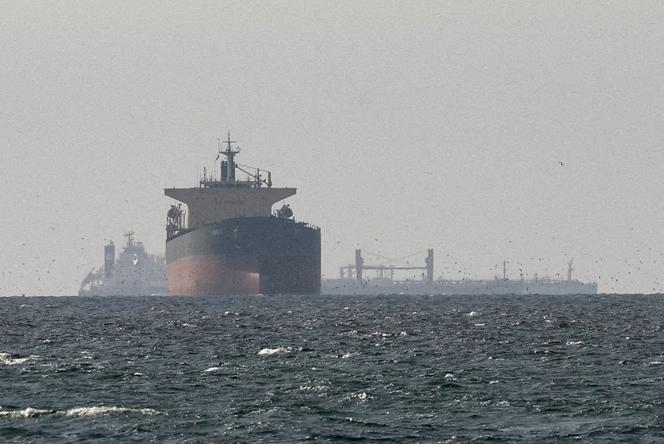
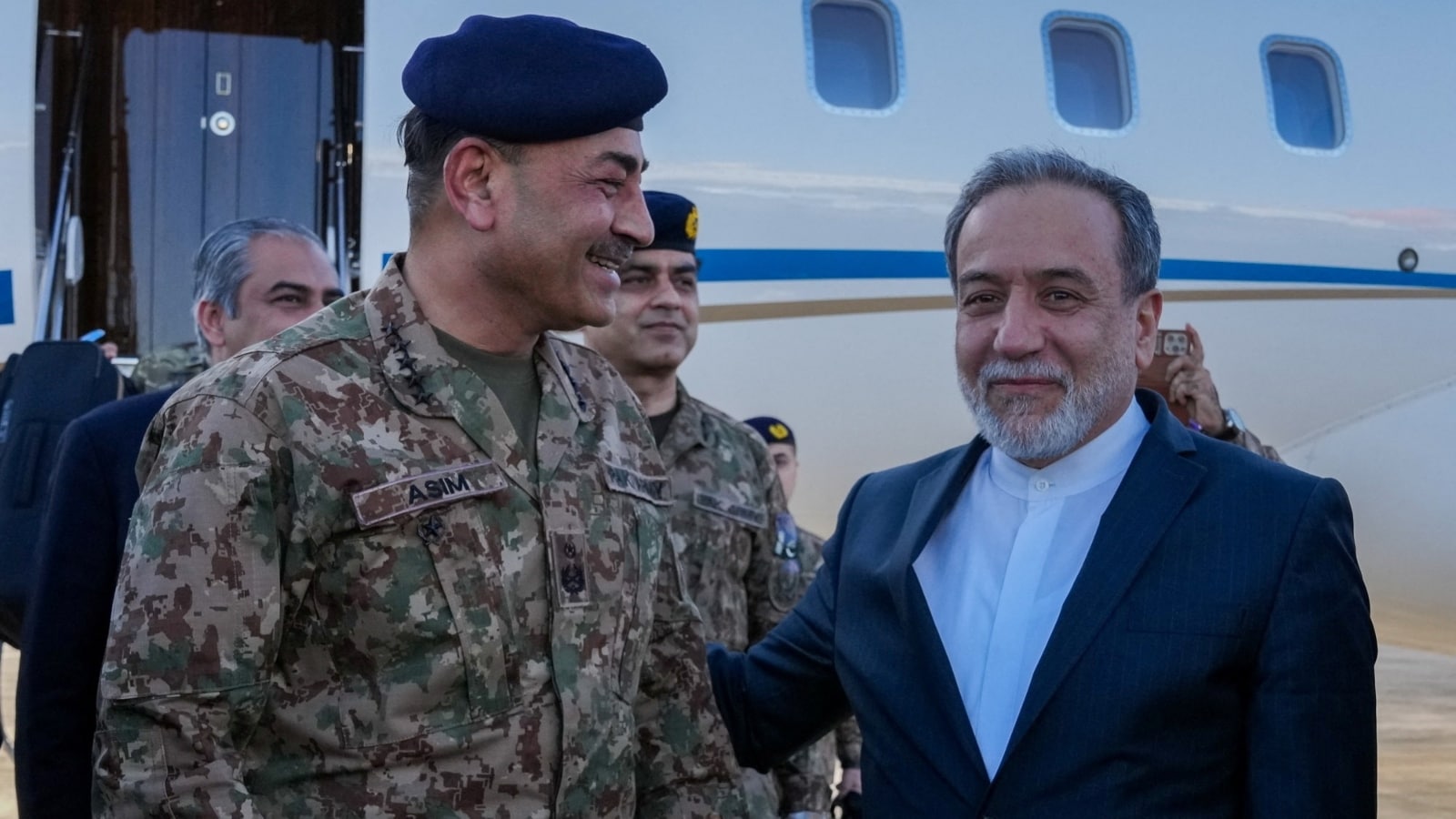
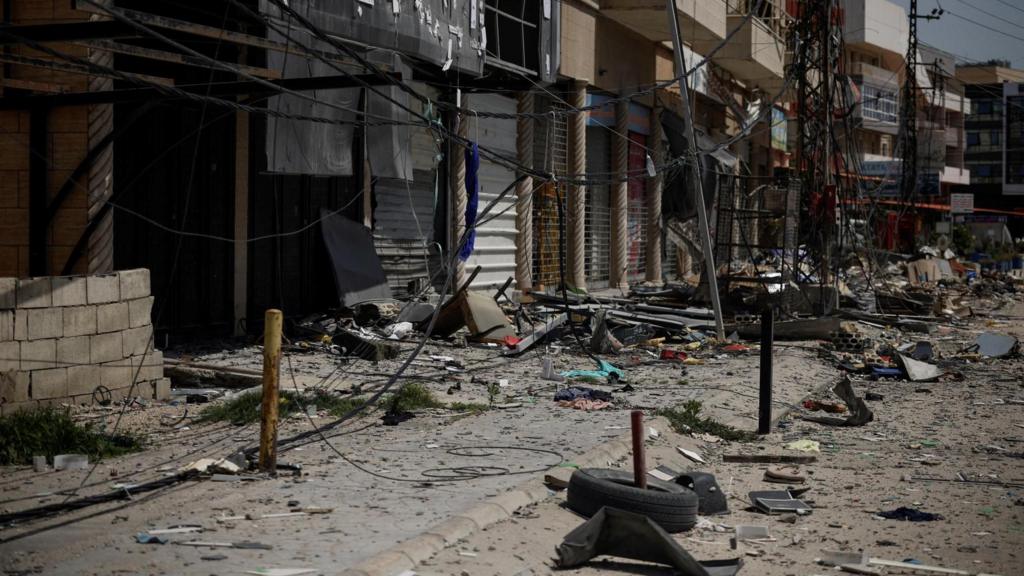
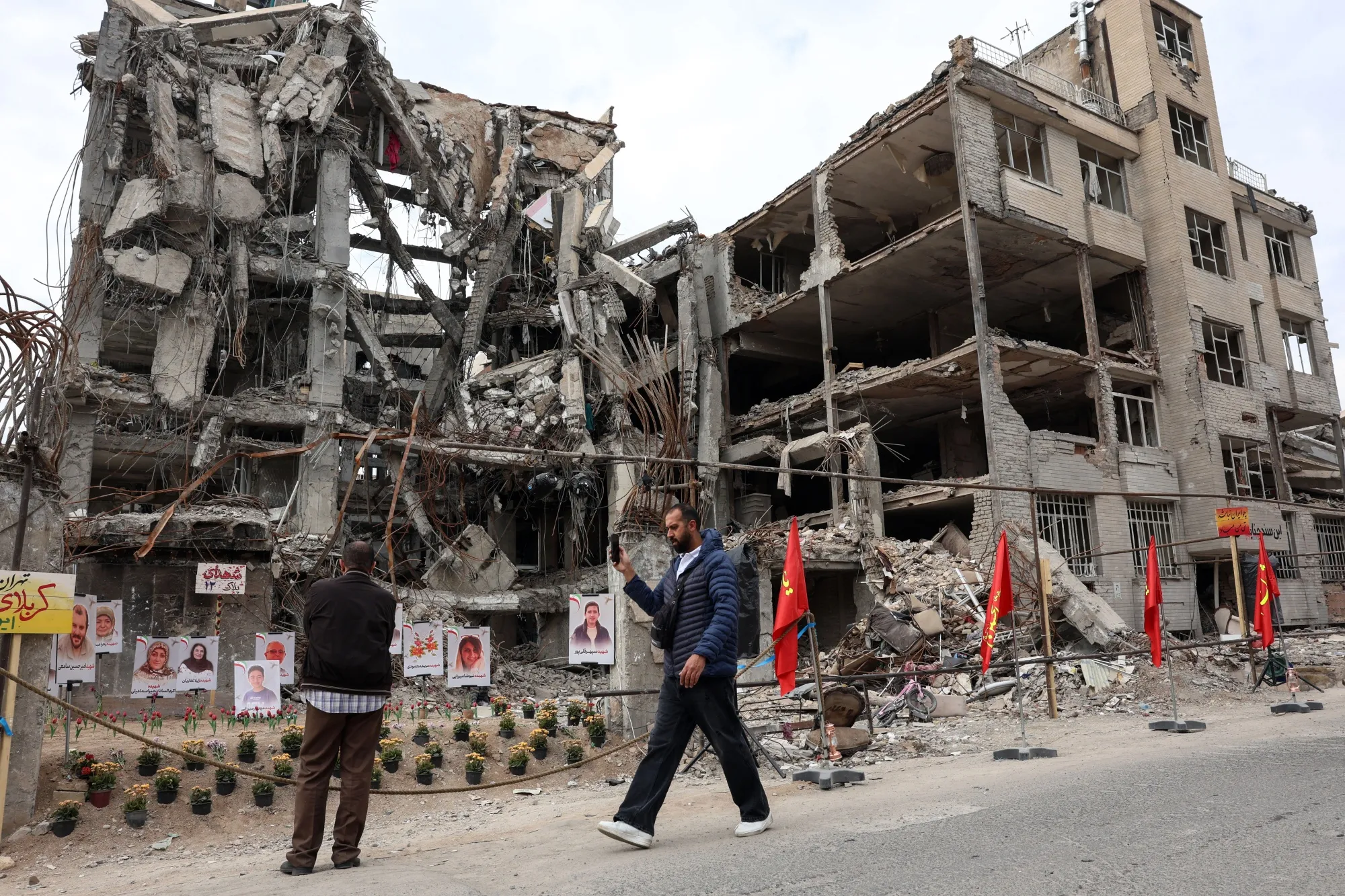
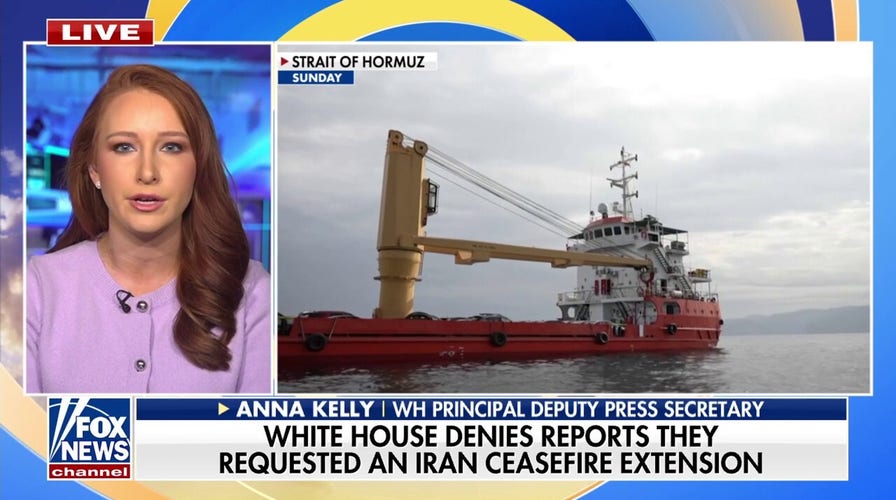
The escalating US-Iran geopolitical crisis represents a critical supply chain inflection point for cross-border e-commerce sellers. The conflict, which began February 28, 2026, has created a fragile two-week ceasefire (expiring April 22, 2026) with expanded US naval blockades now covering all vessels regardless of nationality—not just Iranian-flagged ships. The Strait of Hormuz, handling approximately 21% of global petroleum trade, remains effectively closed, while Iran threatens to block additional critical chokepoints including Bab al Mandeb in the Red Sea and the Persian Gulf. This directly impacts seller economics through multiple channels: energy prices have skyrocketed, increasing raw material costs and shipping expenses; the Red Sea shipping threats create significant supply chain disruptions affecting sellers importing from or exporting to Asia, the Middle East, and Europe; and China's National Bureau of Statistics reported first-quarter GDP growth of 5.0% but warned of volatile external conditions ahead as Middle East conflict weakens global demand.
For cross-border sellers, the operational impact is immediate and quantifiable. Freight costs have increased 15-25% for Asia-Europe shipping corridors due to mandatory rerouting around the Cape of Good Hope (adding 10-14 days transit time). Sellers dependent on energy-intensive logistics face margin compression of 8-12%, particularly those in electronics, appliances, and heavy goods categories. Inventory delays of 3-4 weeks are now standard for affected routes, forcing sellers to either increase safety stock (raising carrying costs) or risk stockouts during peak seasons. Currency volatility in affected regions (Iran, Lebanon, Pakistan) complicates payment processing and financial planning for sellers with regional operations or suppliers. The ceasefire's fragility—with Israel continuing military operations despite agreements and Iran threatening shipping blockades—creates uncertainty that extends beyond immediate logistics to insurance costs, which have risen 20-30% for vessels transiting the region.
Strategic sourcing opportunities emerge for sellers willing to adapt. The blockade creates tariff arbitrage windows: sellers can shift sourcing from Iran-dependent supply chains to alternative suppliers in Vietnam, India, and Indonesia without facing tariff penalties, potentially reducing costs 5-8% once new supply relationships stabilize. Market access shifts are occurring as Middle East demand weakens (IMF warnings of global economic impact) but Southeast Asian markets strengthen due to supply chain diversification. Sellers with existing 3PL networks in Singapore, Dubai, or Port Said face competitive advantages as logistics providers optimize alternative routing. The timing window is critical—sellers who establish alternative sourcing and routing strategies before May 2026 (when ceasefire negotiations conclude) will lock in better rates than competitors reacting post-crisis.
Questions 8
How long will shipping delays persist, and what inventory strategy should sellers adopt?
Shipping delays of 3-4 weeks are now standard for Asia-Europe routes due to mandatory rerouting. The ceasefire expires April 22, 2026, with negotiations continuing through May 2026, meaning disruptions will persist for at least 4-6 weeks. Sellers should increase safety stock by 15-20% for critical SKUs to avoid stockouts, accepting higher carrying costs as insurance against demand spikes. Alternatively, sellers can shift to just-in-time inventory with regional 3PL hubs in Singapore, Dubai, or Port Said to reduce transit time. Currency volatility in affected regions (Pakistan, Lebanon) complicates payment processing, so sellers should lock in forward contracts for regional payments by April 30, 2026. Monitor ceasefire negotiations daily—if talks collapse, expect additional 2-3 week delays and 10-15% freight cost increases.
What is the competitive advantage for sellers with existing Middle East operations?
Sellers with established 3PL networks in Dubai, Port Said, or Singapore gain significant competitive advantages as logistics providers optimize alternative routing. These sellers can offer faster delivery times (5-7 days faster than competitors rerouting around Cape of Good Hope) and lock in better freight rates before capacity constraints tighten. However, sellers with direct Iranian suppliers or operations face severe operational risks—the US blockade has frozen $6B in Iranian assets and turned back 10 vessels in 48 hours, creating payment processing complications. Sellers should immediately audit their supply chain for Iran exposure and establish alternative sourcing by May 2026. The fragile ceasefire (with Israel continuing military operations despite agreements) means competitive advantages are temporary—sellers should capitalize on routing optimization through Q2 2026 before market stabilizes.