


Strait of Hormuz Disruption | Critical Supply Chain Risk for Cross-Border Sellers
- US naval blockade threatens 20%+ shipping cost increases for Middle East-dependent sellers; food/beverage and industrial goods categories face acute sourcing pressure




)







)


Overview
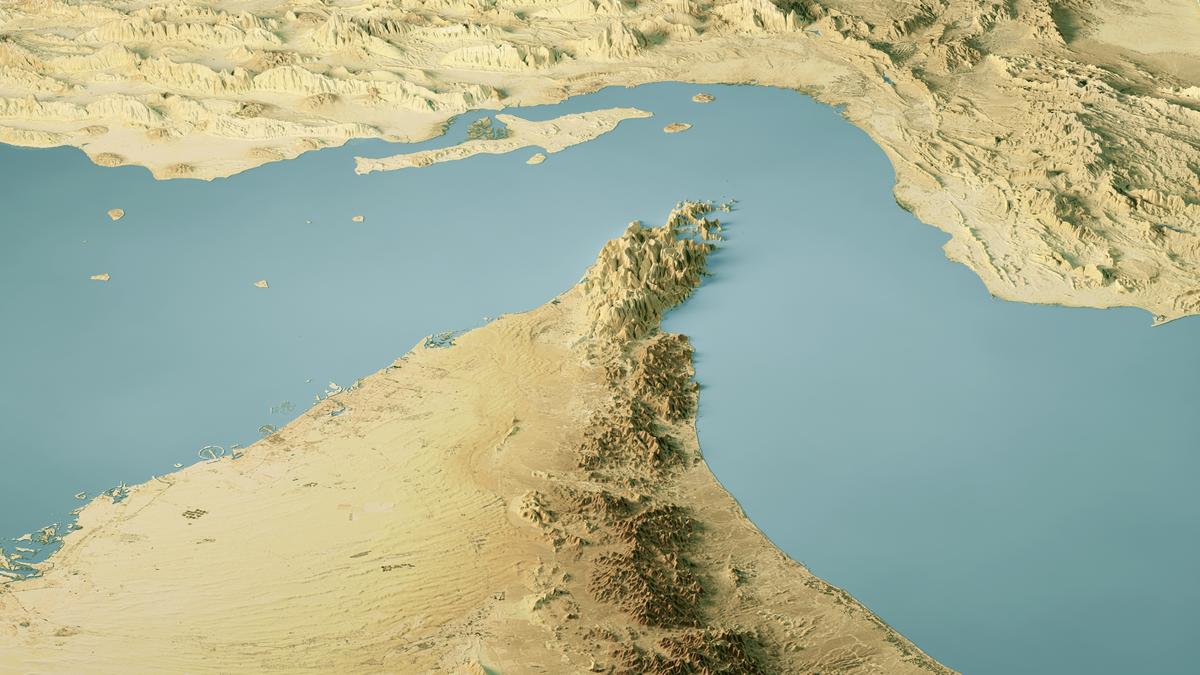
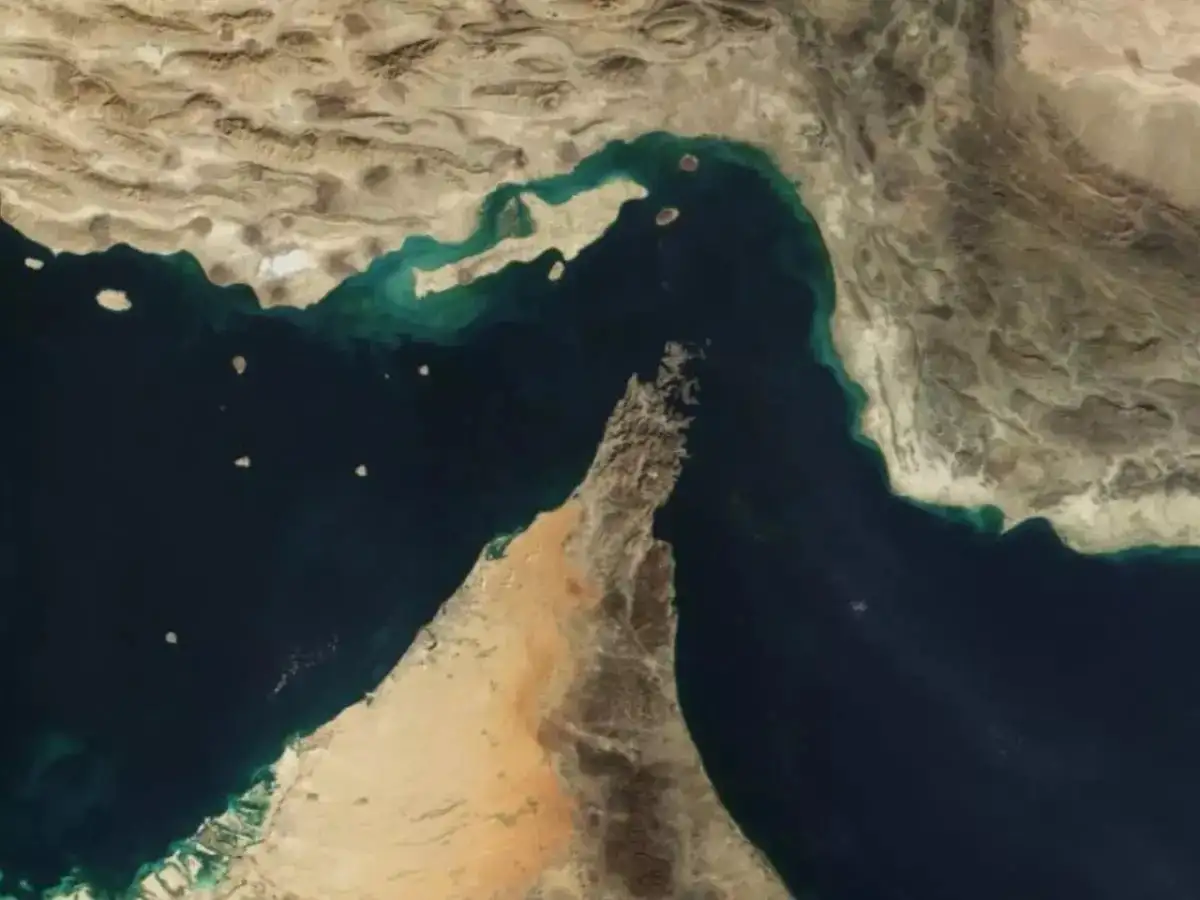
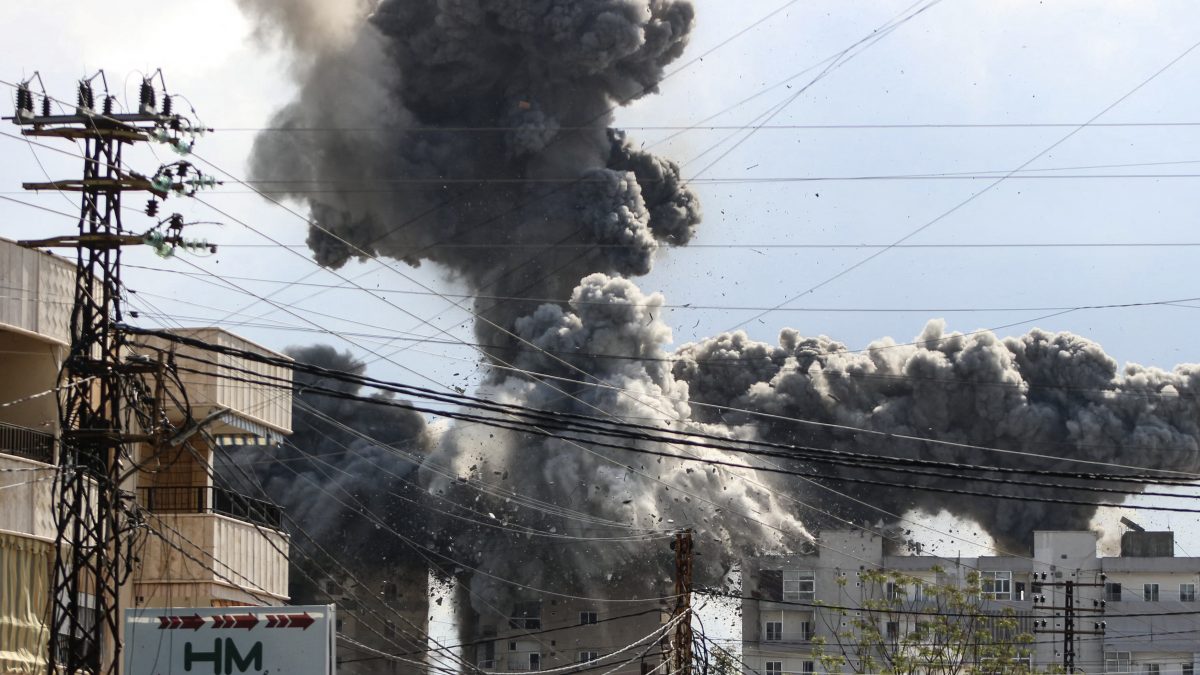
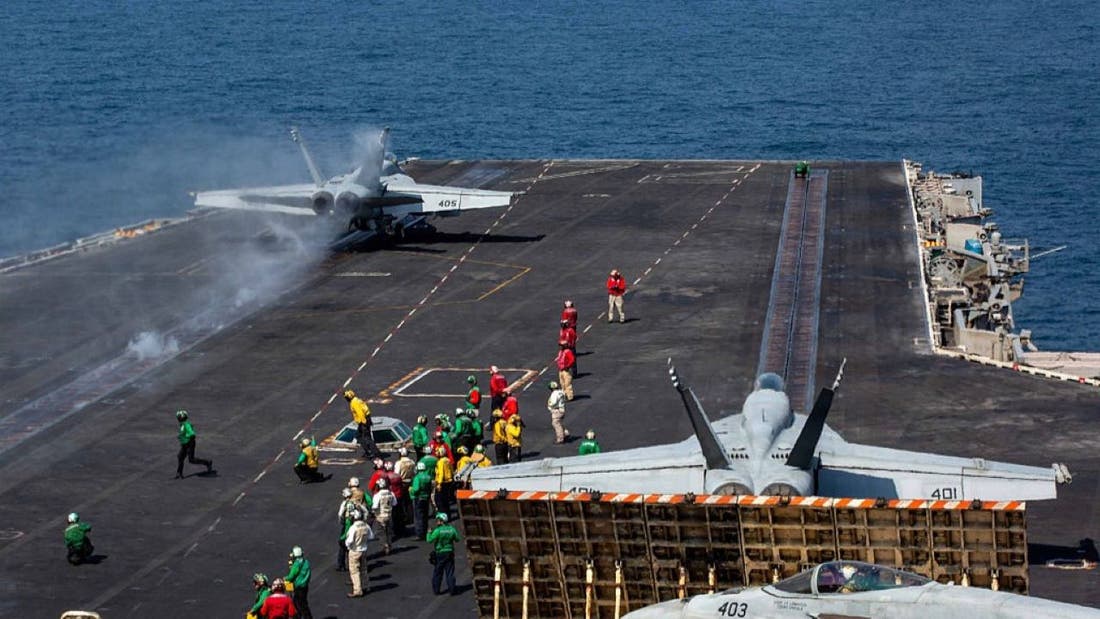
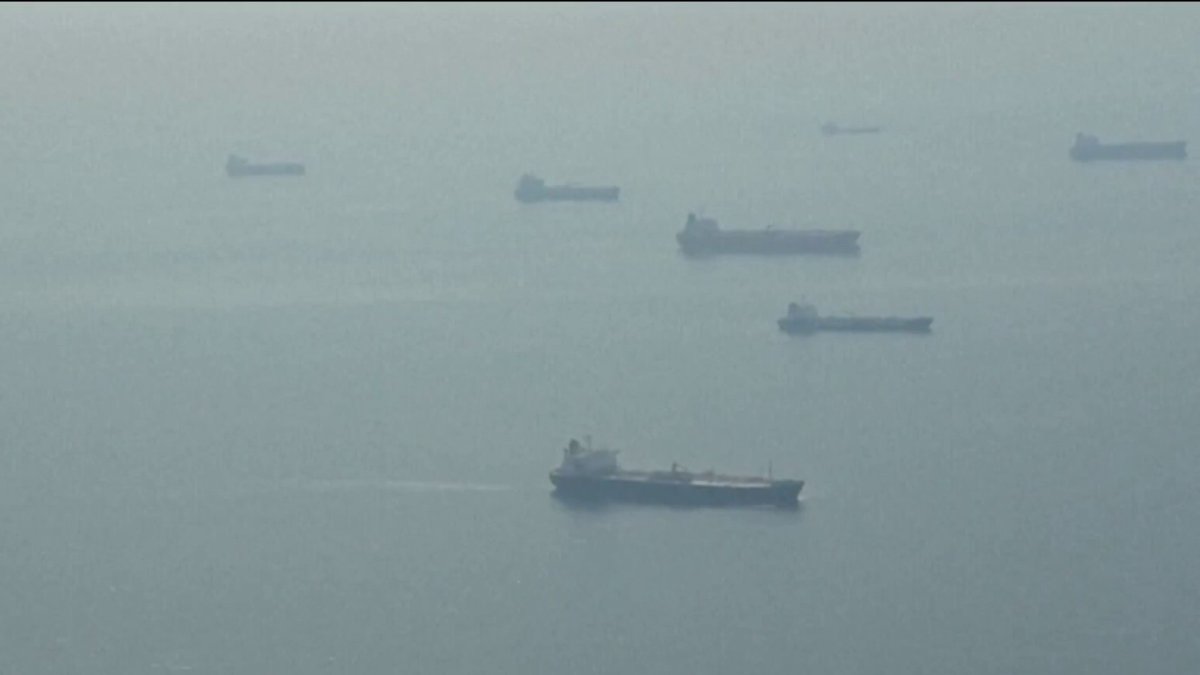
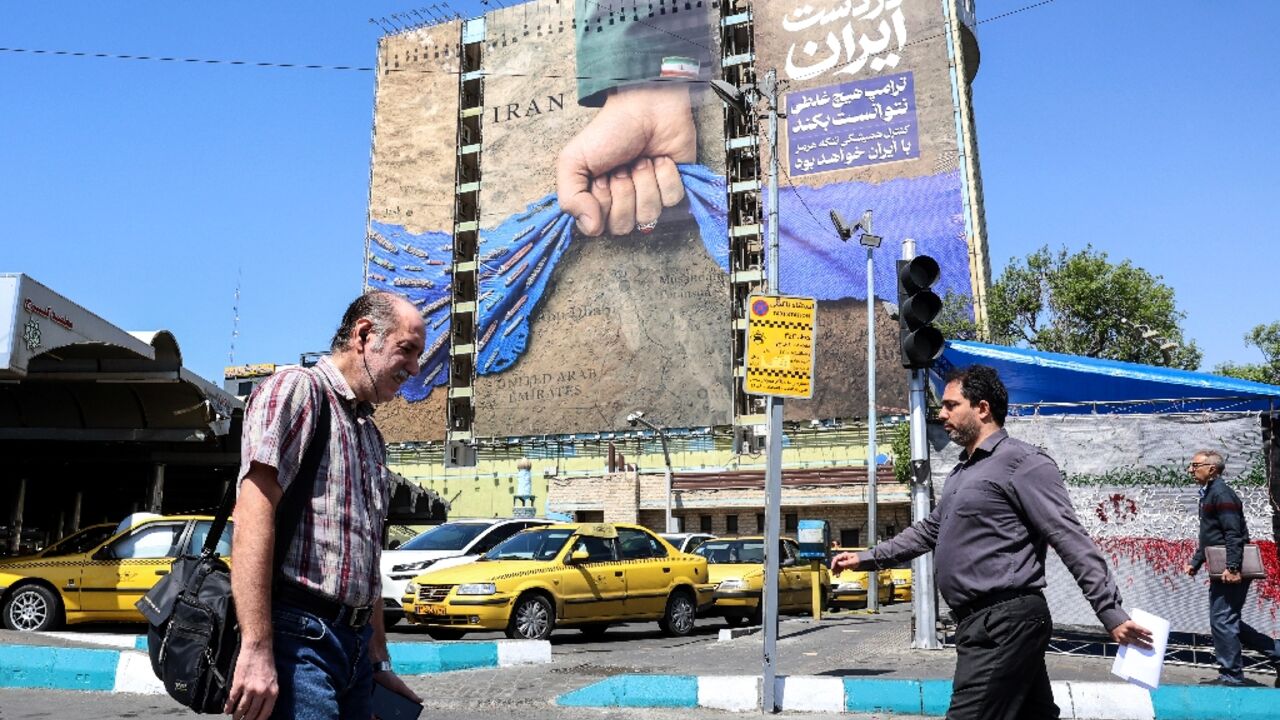
The escalating US-Iran conflict on day 48 presents a critical supply chain inflection point for cross-border e-commerce sellers, particularly those sourcing from or shipping through the Strait of Hormuz—one of the world's most critical maritime chokepoints handling 21% of global petroleum trade and 30% of liquefied natural gas. The US naval blockade has already intercepted 10 vessels within 48 hours, signaling enforcement intensity that will directly impact shipping costs, delivery timelines, and product sourcing strategies for sellers across multiple categories.
Immediate Supply Chain Impact: The blockade creates a two-tier cost structure for sellers. Those shipping via alternative routes (around Africa via Cape of Good Hope) face 15-20% shipping cost increases and 2-3 week delivery delays. For Amazon FBA sellers shipping from Asia-Pacific to US/EU warehouses, rerouting adds $800-1,500 per 40-foot container. Food and beverage sellers sourcing Persian Gulf dates, spices, and specialty oils face 25-35% cost increases as suppliers navigate sanctions and port closures. Industrial goods sellers (machinery, chemicals, textiles) sourcing from Iran-adjacent suppliers in UAE and Oman face similar pressures.
Category-Specific Vulnerabilities: Food/beverage sellers (HS codes 0702-2106) sourcing Middle Eastern products represent a $2.1B cross-border category with thin 8-12% margins—blockade-driven cost increases compress margins to 2-4%, forcing price increases that risk Buy Box loss. Specialty food sellers on Amazon, eBay, and Shopify face inventory obsolescence risk if sourcing agreements include Iranian suppliers. Industrial sellers (HS codes 2501-7326) sourcing petrochemicals and refined products face 30-40% cost escalation. The World Bank's warning of 20% increases in acute food insecurity among 300 million people signals potential demand surge for affordable food products in developing markets, but supply constraints will limit seller ability to capitalize.
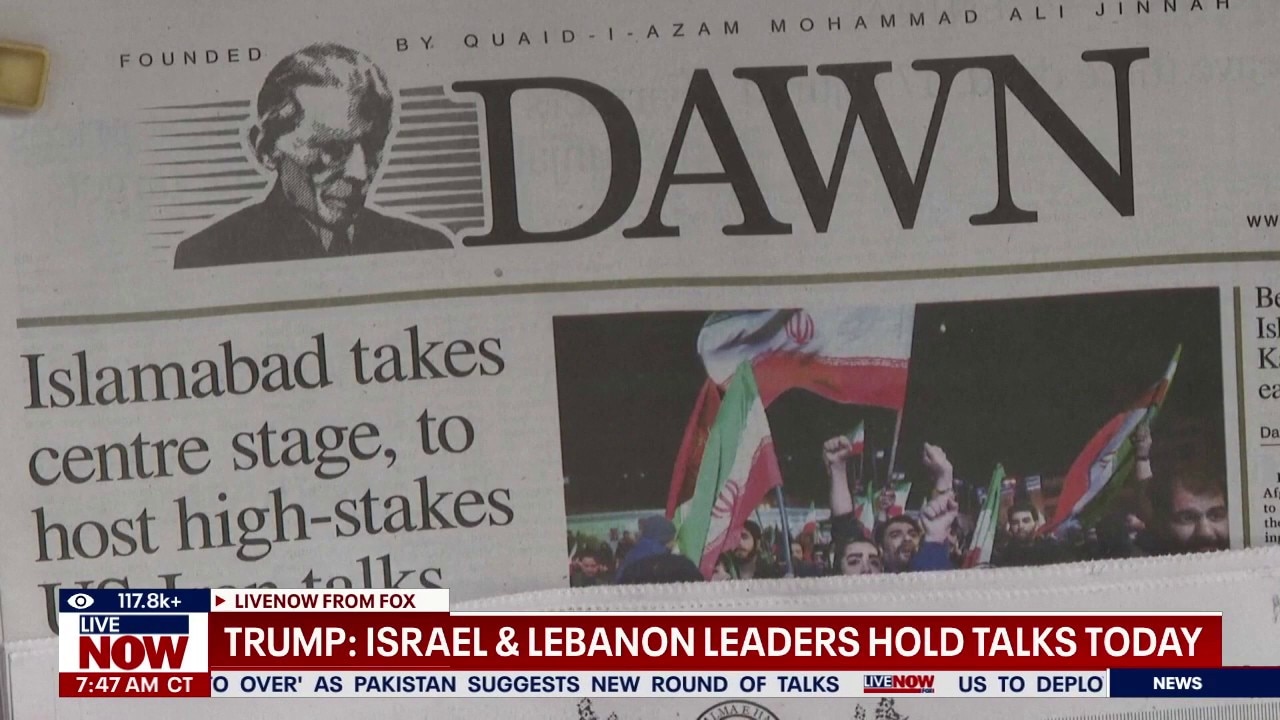
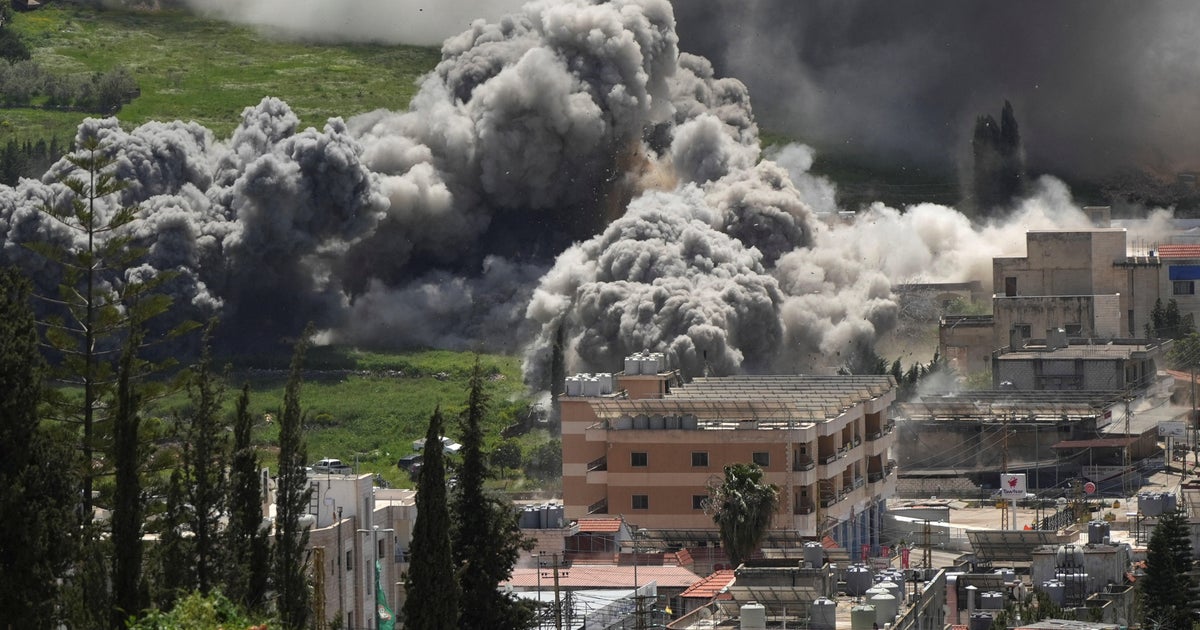
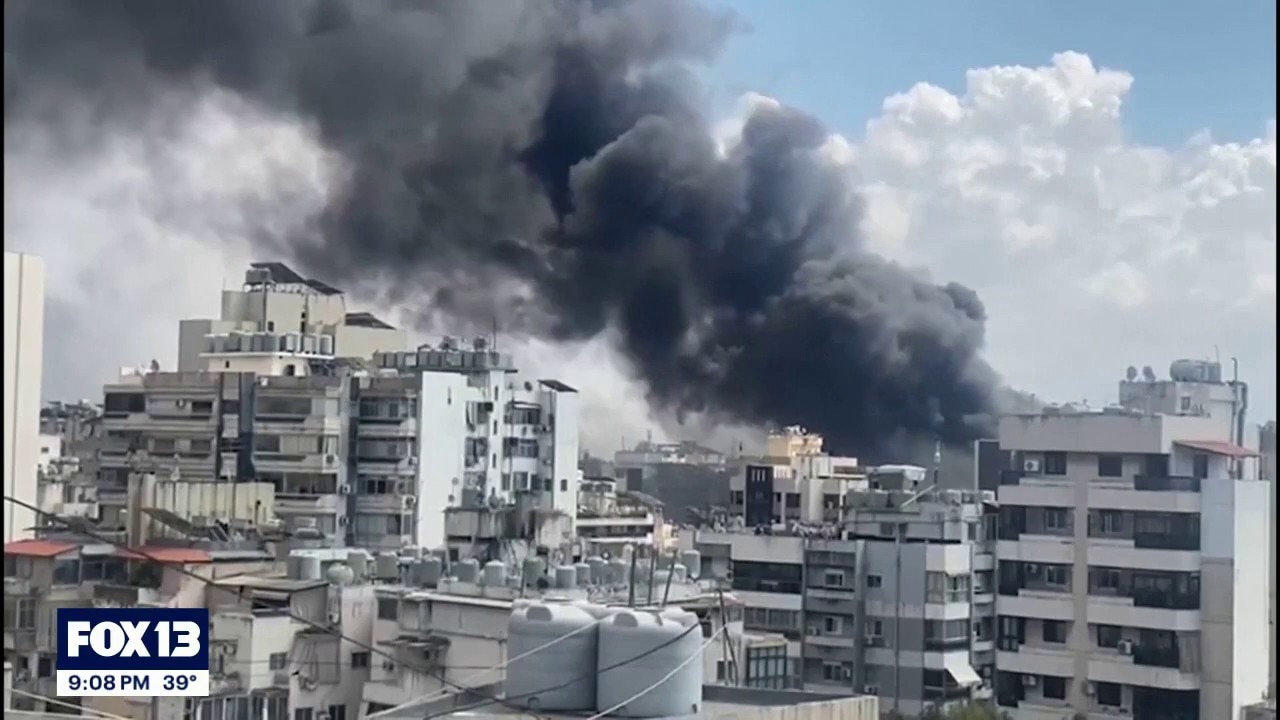
Geopolitical Negotiation Window: The article notes Pakistan-mediated US-Iran negotiations and a 10-day Israel-Lebanon ceasefire brokered by President Trump, suggesting a 30-60 day window before broader Middle East resolution. Sellers should treat this as a critical decision point: lock in current inventory before potential sanctions escalation, or wait for negotiation outcomes that could reduce blockade intensity. Wall Street's record highs following accord optimism suggest market participants expect resolution within 60-90 days, but this timeline remains uncertain.
Operational Recommendations: Sellers should immediately audit supply chain dependencies on Middle Eastern sourcing (Iran, UAE, Oman, Saudi Arabia) and quantify exposure by category. For food/beverage sellers, consider temporary sourcing diversification to India, Turkey, or North Africa to maintain margin integrity. Industrial goods sellers should accelerate inventory purchases before potential sanctions expansion. Monitor Strait of Hormuz shipping indices (Baltic Exchange, Clarkson reports) as leading indicators of blockade intensity changes. Prepare contingency pricing for 15-25% cost increases if blockade extends beyond 90 days.
Questions 7
What is the timeline for the Strait of Hormuz blockade and when should sellers make sourcing decisions?
The article indicates Pakistan-mediated US-Iran negotiations and a 10-day Israel-Lebanon ceasefire brokered by President Trump, suggesting a 30-60 day window before broader Middle East resolution. Wall Street's record highs following accord optimism indicate market participants expect resolution within 60-90 days, though this timeline remains uncertain. Sellers should treat the next 30-60 days as a critical decision window: lock in current inventory before potential sanctions escalation, or wait for negotiation outcomes that could reduce blockade intensity. For food/beverage sellers with thin margins, accelerate inventory purchases now to avoid future cost increases. Monitor daily shipping indices and geopolitical news for negotiation progress.
How much will shipping costs increase for sellers rerouting around the Strait of Hormuz?
Sellers rerouting via Cape of Good Hope face 15-20% shipping cost increases and 2-3 week delivery delays compared to standard Strait of Hormuz routes. For Amazon FBA sellers shipping 40-foot containers from Asia-Pacific to US/EU warehouses, rerouting adds $800-1,500 per container. Food and beverage sellers sourcing Middle Eastern products face 25-35% cost increases due to combined blockade and sourcing pressure. Industrial goods sellers sourcing petrochemicals face 30-40% cost escalation. These increases directly compress profit margins: a seller with 12% margins on food products sees margins drop to 2-4% after blockade-driven cost increases. Calculate your container volume and multiply by $800-1,500 to quantify immediate exposure.