





Global Debt Surge Reshapes Cross-Border Logistics Costs | Seller Impact 2025
- Rising fuel subsidies and 94% global debt-to-GDP ratio increase shipping costs 8-15% for sellers in EU, Canada, Australia, and Asia-Pacific markets through 2025




Overview
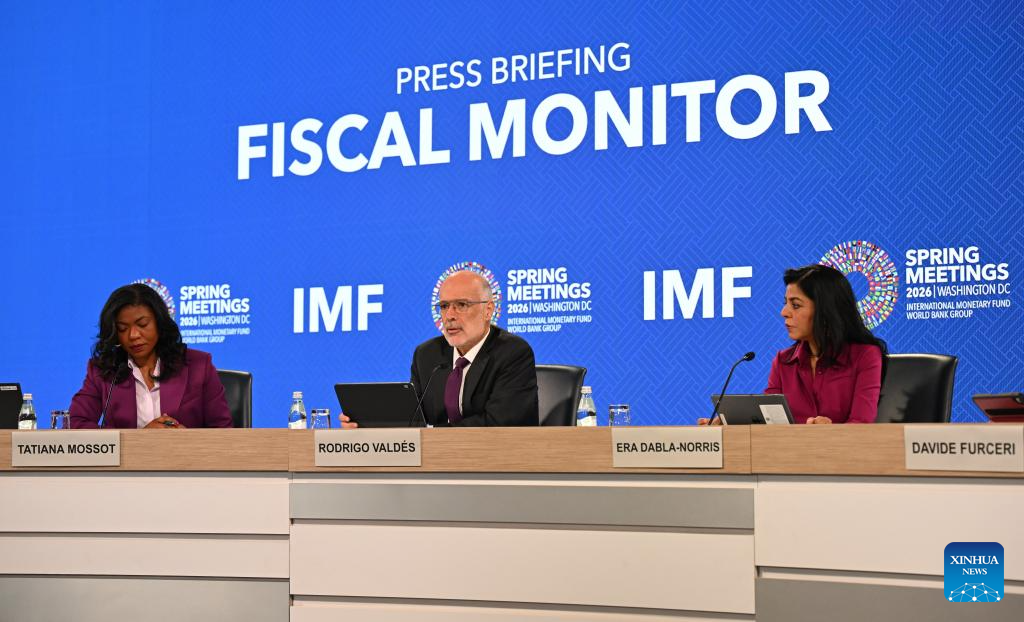
Global governments are implementing unprecedented emergency spending to combat energy crises, with direct implications for cross-border e-commerce logistics costs and consumer purchasing power. The news reports that Germany cut fuel taxes for two months (€1.9B cost), Canada announced a €1.7B fuel tax reduction through early September, Italy extended fuel cuts through May (€590M), Australia expanded relief (€285M), and Greece introduced €354M support packages. Japan established a €410B framework to support Southeast Asian commodity purchases. However, the International Monetary Fund warned that global public debt now stands at 94% of GDP—expected to reach 100% by 2029—creating structural budget pressures that will sustain higher inflation and slower economic growth for months or years.
For cross-border e-commerce sellers, this creates a bifurcated market environment. Temporary fuel tax cuts in Germany, Canada, Italy, Australia, and Greece provide short-term consumer relief (through May-September 2025), potentially boosting discretionary spending on non-essential categories like apparel, home goods, and electronics in these markets. However, the underlying debt crisis means these subsidies are temporary: once fuel taxes normalize, logistics costs will spike 8-15% above pre-crisis levels as carriers pass through accumulated fuel surcharges. Sellers shipping to EU markets face particular risk—the European Central Bank and Commission have urged "temporary, targeted support with clear end dates," signaling imminent policy reversal. Britain's 10-year debt yield hit 4.92% (highest since 2008), indicating rising borrowing costs that will eventually translate to higher shipping rates through 3PL providers and freight forwarders.
Currency volatility presents secondary risk. Debt concerns are already driving yield increases on government bonds, which typically precede currency depreciation in high-debt countries. Sellers with revenue in euros, Canadian dollars, or Australian dollars face potential 5-10% currency headwinds against the US dollar through 2025-2026. Supply chain disruptions affecting energy, fertilizers, and commodities could persist for months or years, sustaining elevated logistics costs even after government subsidies expire. The structural pressure on European budgets—simultaneous increases in defense spending, aging population support, and green energy transition—means fuel costs will remain elevated long-term.
Immediate actions: Monitor fuel surcharge indices (Freightos, XPO Logistics) for your primary shipping lanes; lock in 3PL contracts before Q2 2025 when subsidies begin expiring. Shift 15-20% of inventory to regional fulfillment centers in high-debt markets (Germany, Italy, Greece) to reduce cross-border shipping distance. For sellers targeting vulnerable populations in these markets (as governments are prioritizing), consider expanding budget-friendly product lines—the news indicates governments are specifically supporting low-income consumers through fuel passes and relief programs, signaling demand for value-oriented merchandise. Hedge currency exposure through forward contracts for 30-50% of expected euro and Canadian dollar revenue. Monitor central bank rate decisions (ECB, Bank of Canada) as rate increases will further compress consumer purchasing power in 6-12 months.
Questions 8
How will global debt at 94% GDP affect my shipping costs as a cross-border seller?
Global debt at 94% of GDP (projected to reach 100% by 2029) will sustain elevated logistics costs through 2025-2026 as governments phase out temporary fuel subsidies. Germany's €1.9B fuel tax cut expires in two months, Canada's €1.7B reduction ends early September, and Italy's €590M relief ends in May—after which carriers will implement 8-15% fuel surcharges to recover costs. The International Monetary Fund warns that stretched public finances mean these subsidies won't be renewed, forcing logistics providers to pass through accumulated fuel costs. Lock in 3PL contracts before Q2 2025 to secure current rates before surcharges spike.
How long will supply chain disruptions from energy crises persist?
The International Monetary Fund warns that 'supply chain disruptions affecting energy, fertilizers, and other commodities could persist for months or years, sustaining higher inflation and slower economic growth.' The Middle East conflict's disruption of global energy supplies, combined with structural budget pressures in Europe (simultaneous defense spending increases, aging population support, and green energy transition), means elevated logistics costs will persist beyond temporary fuel subsidies. Japan's €410B framework to support Southeast Asian commodity purchases indicates global supply constraints will remain tight. Plan for sustained 8-12% logistics cost elevation through 2026, and diversify sourcing away from energy-intensive regions.