


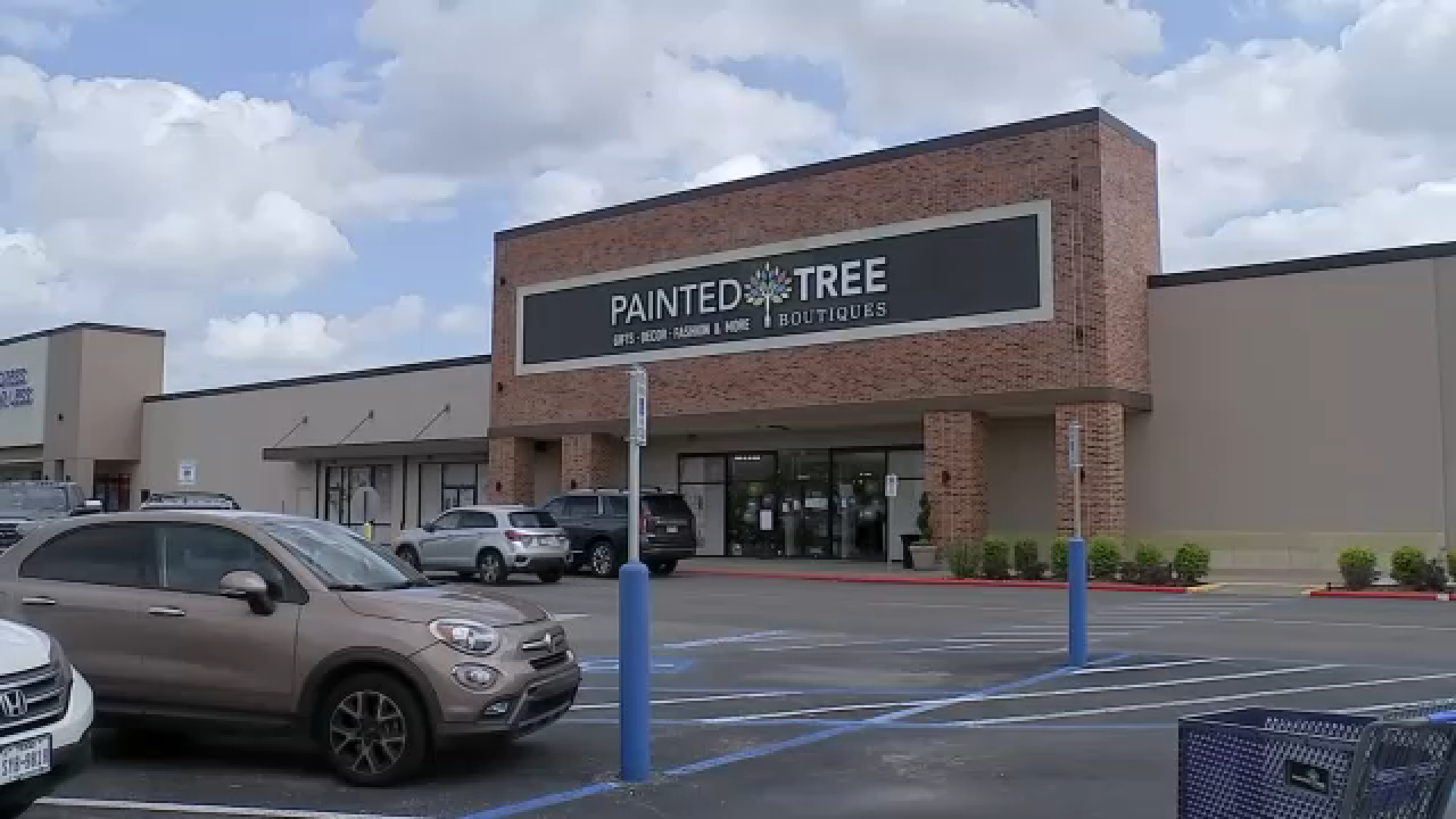
Consignment Retail Collapse Creates $20K+ Vendor Recovery Crisis | Seller Risk Alert
- Multi-state boutique closure leaves 100+ vendors with unpaid sales and 9-day inventory recovery deadline; highlights critical gaps in consignment platform protections for skincare, home décor, and specialty goods sellers







Overview
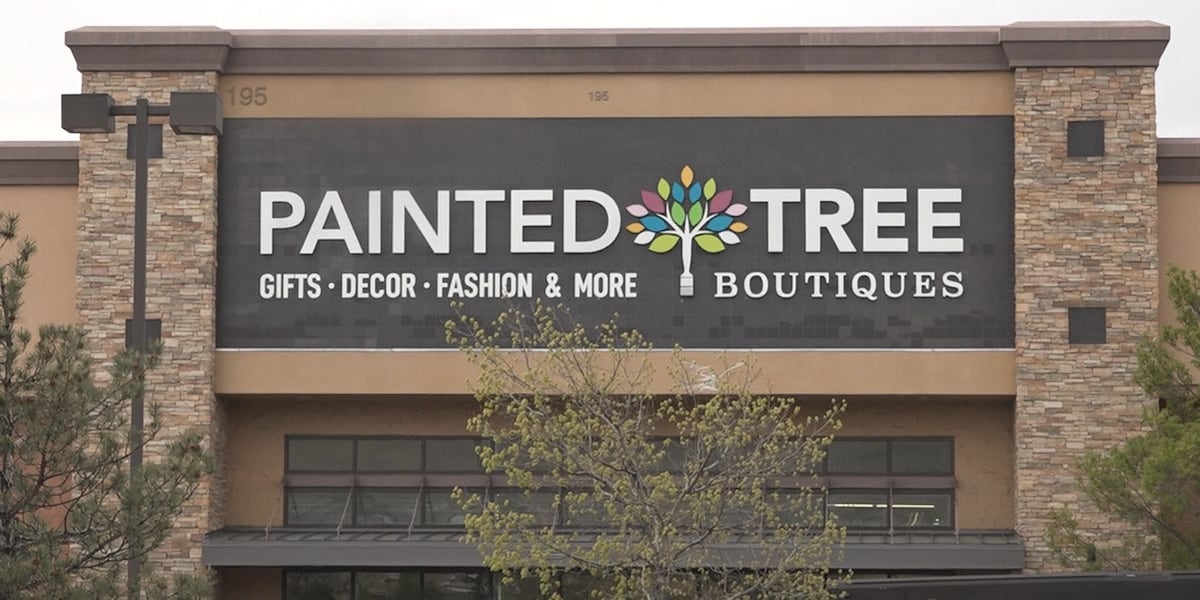
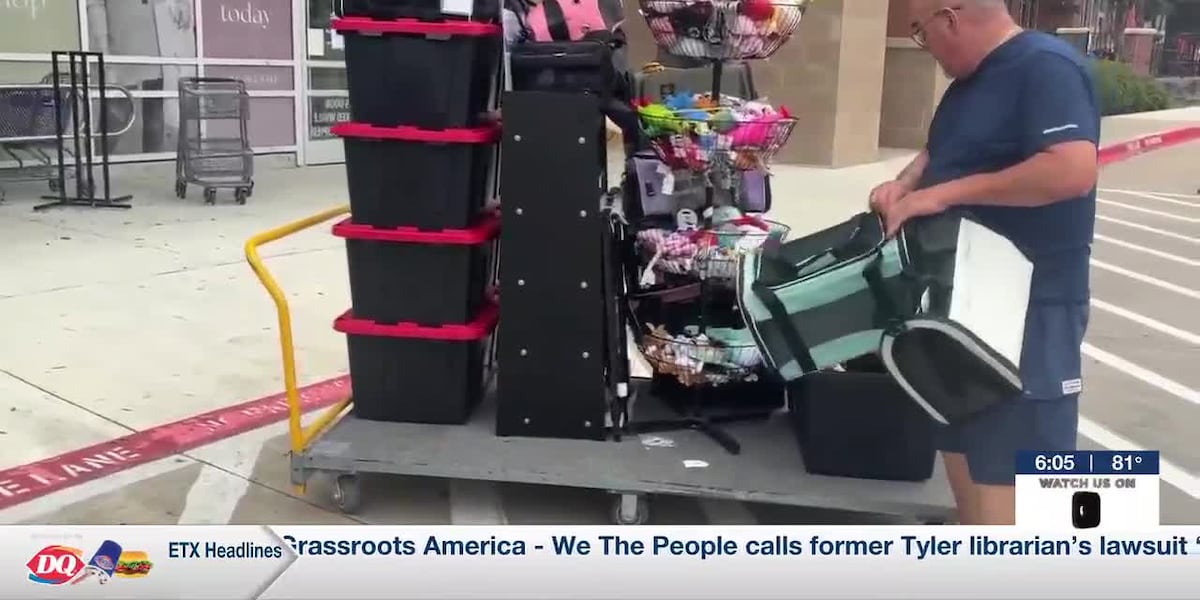
The abrupt closure of Painted Tree Boutique, a multi-location consignment retail platform operating across Texas, Utah, and multiple states, represents a critical inflection point for the $8.2B consignment retail sector and signals emerging opportunities for alternative sales channels. The platform's sudden shutdown left vendors—including Sarah Yagel with $20,000 in skincare inventory across five locations—with only nine days notice to retrieve merchandise and face uncertain payment recovery for April sales. This incident exposes fundamental vulnerabilities in traditional consignment models where vendors maintain inventory ownership but depend entirely on retailer operational stability.
The core business risk: Consignment platforms operate on razor-thin margins (typically 30-40% commission rates) and lack the capital reserves of integrated e-commerce platforms. When Painted Tree faced financial distress, vendors had zero protection mechanisms—no escrow accounts, no inventory insurance, and no guaranteed payment timelines. Attorney Justin Roberts confirmed vendors theoretically have legal recourse through consignment contracts, but recovery requires costly litigation with uncertain outcomes given the company's apparent insolvency. This creates a 6-18 month recovery timeline for unpaid commissions, during which vendors lose market access and cash flow.
Platform-specific opportunity: This closure directly benefits Amazon Handmade, Etsy, Shopify, and TikTok Shop—platforms offering vendor-friendly protections including payment guarantees, inventory insurance, and 24-48 hour payment cycles. Skincare and home décor sellers (Painted Tree's core categories) can migrate inventory to these platforms with 15-30% lower commission rates (8-15% vs Painted Tree's 30-40%) and immediate payment processing. Regional demand remains strong: Texas and Utah represent $340M+ in annual specialty retail spending, with skincare products showing 23% YoY growth on Amazon and Etsy.
Competitive white space: The closure creates immediate demand for "consignment-alternative" platforms offering physical retail presence without financial risk. Sellers seeking hybrid models (online + local retail) now face a 60-90 day window to establish presence on alternative platforms before competitors saturate the market. Early movers in specialty skincare and artisan home goods can capture displaced Painted Tree vendor audiences through targeted Facebook/Instagram campaigns highlighting payment security and faster commission cycles.
Seller implications by segment: Small vendors ($10-50K annual inventory) should prioritize Etsy or Shopify for lower setup costs and faster profitability; mid-market sellers ($50-200K) benefit from Amazon Handmade's traffic and buyer trust; enterprise sellers should evaluate multi-platform strategies combining TikTok Shop (emerging audience), Amazon, and Shopify to reduce platform dependency risk. The incident underscores critical lesson: platform diversification is non-negotiable for inventory-dependent sellers.
Questions 8
What product categories benefit most from Painted Tree's closure?
Skincare, home décor, artisan goods, and specialty fashion products show highest displacement demand. Painted Tree's core inventory—skincare products like those from Sarah Yagel's collection—represents a $340M+ addressable market in Texas and Utah alone. Skincare products show 23% YoY growth on Amazon and Etsy, while home décor categories grew 18% in 2024. Displaced vendors can capture this demand within 15-30 days by migrating to alternative platforms, with early movers gaining competitive advantage through targeted audience capture.
How should vendors protect themselves from similar platform closures?
Implement multi-platform diversification strategy: allocate inventory across 2-3 channels (e.g., 40% Amazon, 35% Etsy, 25% Shopify) to reduce dependency on single platform. Review consignment agreements for payment guarantees, inventory insurance clauses, and exit provisions before signing. Maintain 30-60 days of operating expenses in reserve to cover recovery periods. Use inventory management software (Sellfy, Inventory Lab) to track stock across platforms in real-time. Prioritize platforms with escrow accounts and payment guarantees over traditional consignment boutiques.