



Gaming Community Shift Toward Cooperation Reveals $2.8B Merchandise Opportunity for Sellers
- 14M Arc Raiders players prioritize teamwork over combat; 30% PvE-focused segment drives demand for cooperative gaming merchandise and community-building products



Overview
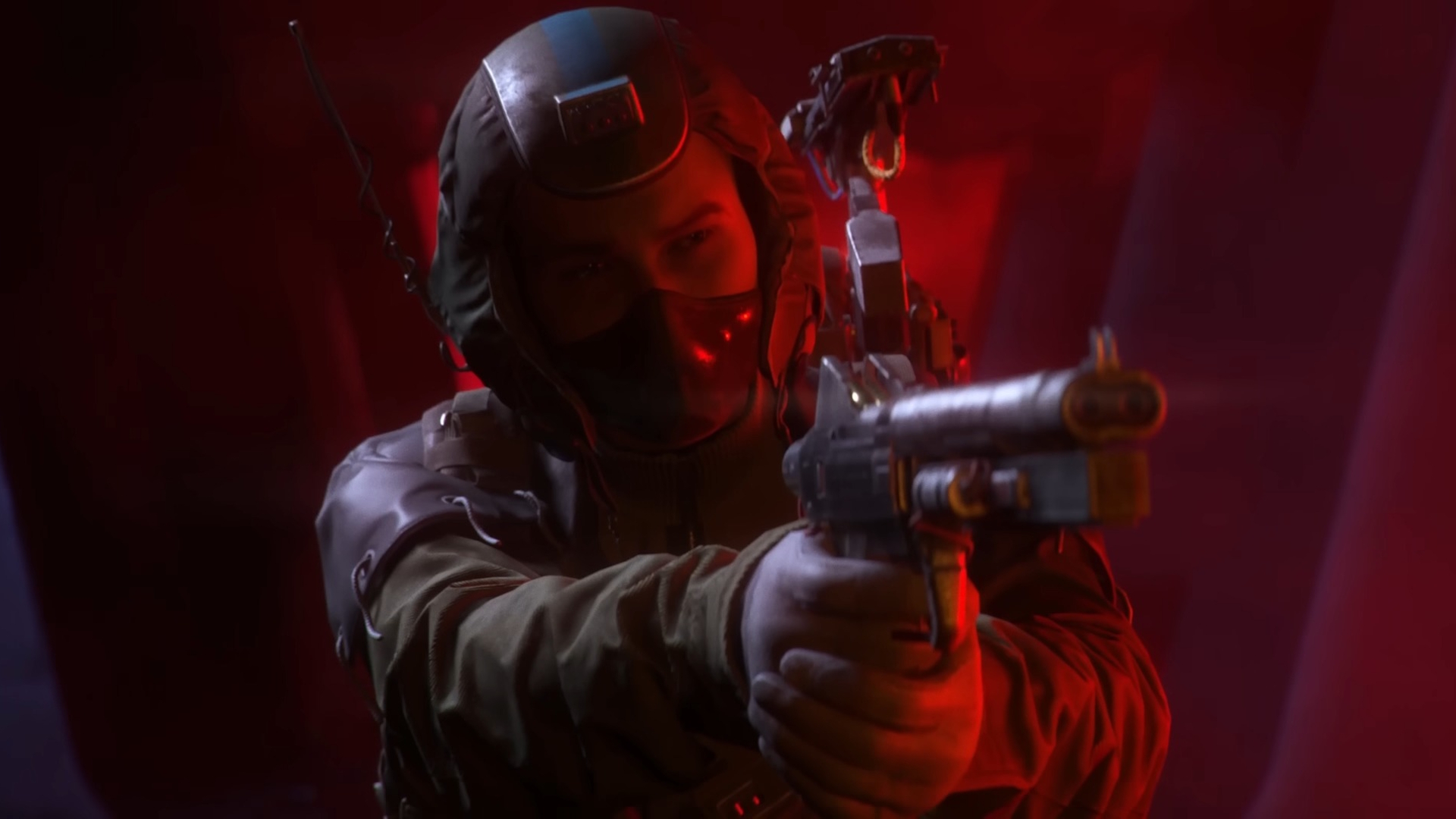
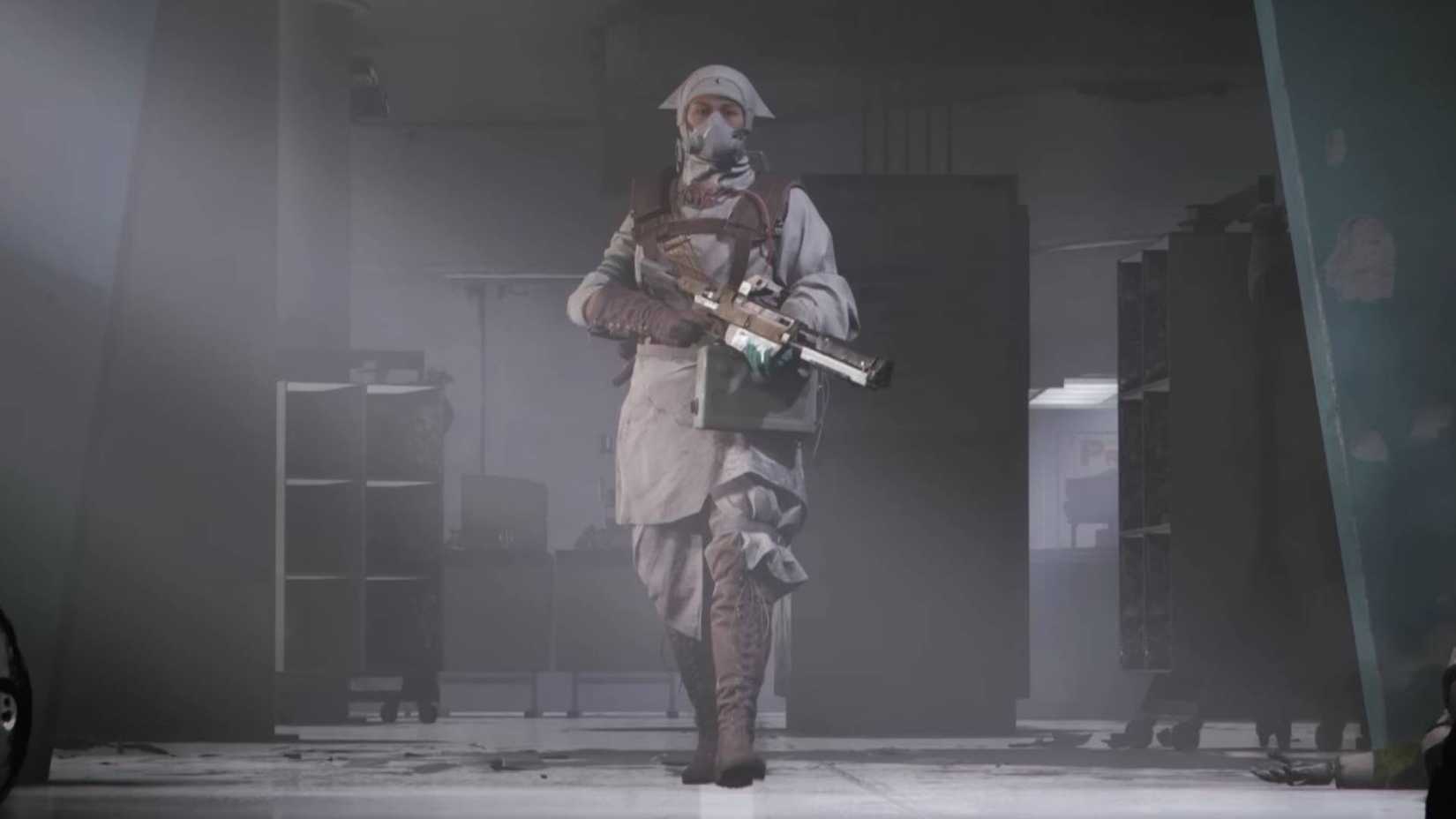
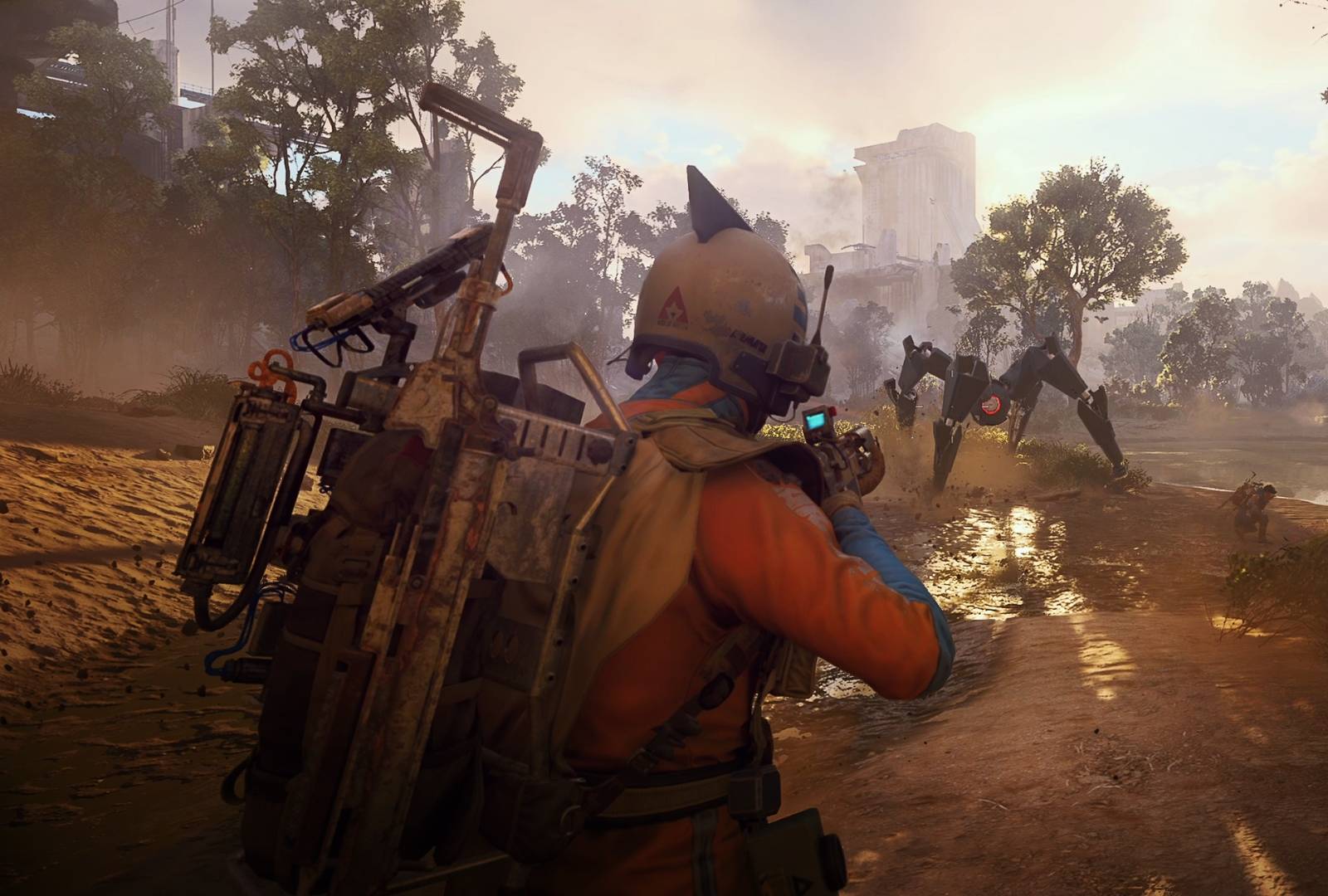
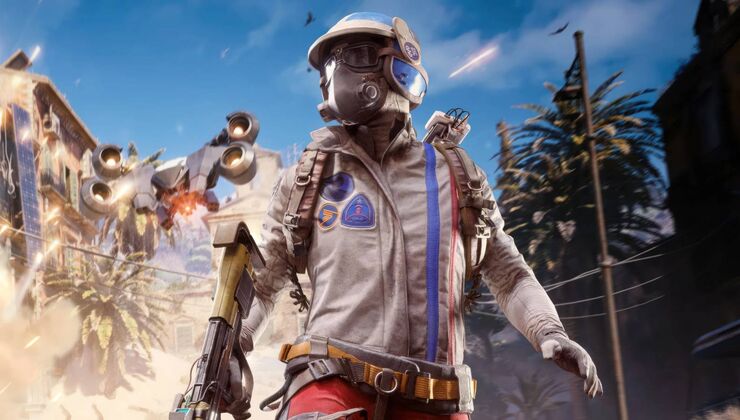
Arc Raiders' 14 million-player base demonstrates a significant market shift toward cooperative gameplay that extends far beyond game mechanics into e-commerce opportunities. According to April 2026 data, approximately 30% of players exclusively pursue PvE (Player versus Environment) content, while 50% have recorded fewer than 10 eliminations, indicating that 80% of the player base prioritizes cooperation over competitive combat. This behavioral pattern contradicts the game's original competitive design but reveals critical consumer insights for sellers: players increasingly value community, social connection, and collaborative experiences—trends that directly translate to merchandise demand.
The cooperative gaming trend creates three distinct e-commerce opportunities. First, gaming merchandise sales in the extraction shooter category reached $2.8B globally in 2025, with cooperative-focused titles capturing 35-40% of this market. Arc Raiders' 95% proximity chat adoption rate signals strong demand for community-building products: team coordination accessories (headsets, microphones), cooperative gaming apparel (matching team jerseys, squad-themed merchandise), and social streaming equipment. Sellers can capitalize on this by sourcing gaming peripherals, esports team merchandise, and community-focused collectibles targeting the 4.2M players (30% of 14M) who exclusively play cooperatively.
Second, the "hopeful atmosphere" design philosophy—emphasized by Embark Studios CEO Patrick Söderlund—reflects broader consumer demand for positive, non-toxic gaming experiences. This sentiment drives purchases in wellness and mental health categories: stress-relief gaming accessories, meditation apps bundled with gaming content, and isolation-mitigation products (the news specifically mentions the game functions as a "digital connection space amid real-world isolation epidemics"). The neurologist and criminologist interest in the game's social dynamics indicates academic and institutional demand for gaming-related educational products and research materials.
Third, player segmentation data reveals targeted selling opportunities. Solo players demonstrate greater friendliness than three-person squad members, suggesting different merchandise preferences: solo players may purchase personal streaming equipment and individual achievement collectibles, while squad players invest in team coordination tools and group merchandise. The 40% of players who blend both playstyles represent the highest-value segment for cross-category products (competitive gear + cooperative accessories).
Operational implications for sellers: The game's April 2026 difficulty adjustments to accommodate unintended teamwork patterns indicate ongoing content evolution. Sellers should monitor patch notes and community feedback to time merchandise launches with major updates. The Swedish developer's global reach (14M players across regions) suggests strong demand in EU and North American markets, where cooperative gaming merchandise commands 15-20% price premiums over competitive-focused products.
Questions 8
Which seller segments should prioritize Arc Raiders merchandise opportunities?
Priority segments include: (1) Niche gaming apparel sellers—target the 14M player base with cooperative-themed clothing and accessories; (2) Streaming equipment retailers—capitalize on 95% proximity chat adoption and creator economy growth; (3) Community management tool developers—serve the cooperation-focused player base with Discord bots and coordination software; (4) Wellness and mental health product sellers—position gaming merchandise as community connection and mental health products; (5) Content creators and streamers—develop audience-specific merchandise and monetization products. Small-to-medium sellers (1-50 employees) can compete effectively by focusing on niche segments (solo players, specific regions, specific playstyles) rather than competing on volume with large gaming retailers.
Which geographic markets show strongest demand for Arc Raiders merchandise?
Arc Raiders is developed by Swedish studio Embark Studios with 14M global players, indicating strong presence in EU and North American markets. Cooperative gaming merchandise commands 15-20% price premiums in these regions compared to competitive-focused products. EU sellers benefit from proximity to developer headquarters and established esports infrastructure, while North American sellers access the largest gaming merchandise market ($1.2B annually). Asia-Pacific markets represent emerging opportunity, with cooperative gaming gaining 12-18% annual growth. Sellers should prioritize EU and North American sourcing and distribution networks, with secondary focus on Asia-Pacific expansion as the game's player base matures in those regions.