


Strait of Hormuz Shipping Crisis | Critical Supply Chain Risk for Cross-Border Sellers
- U.S. naval blockade and Iranian counter-threats create 15-25% shipping cost increases for goods transiting Red Sea and Hormuz corridor; April 22, 2026 ceasefire expiry threatens logistics disruptions affecting 40%+ of Asia-Europe trade routes















)






)





Overview
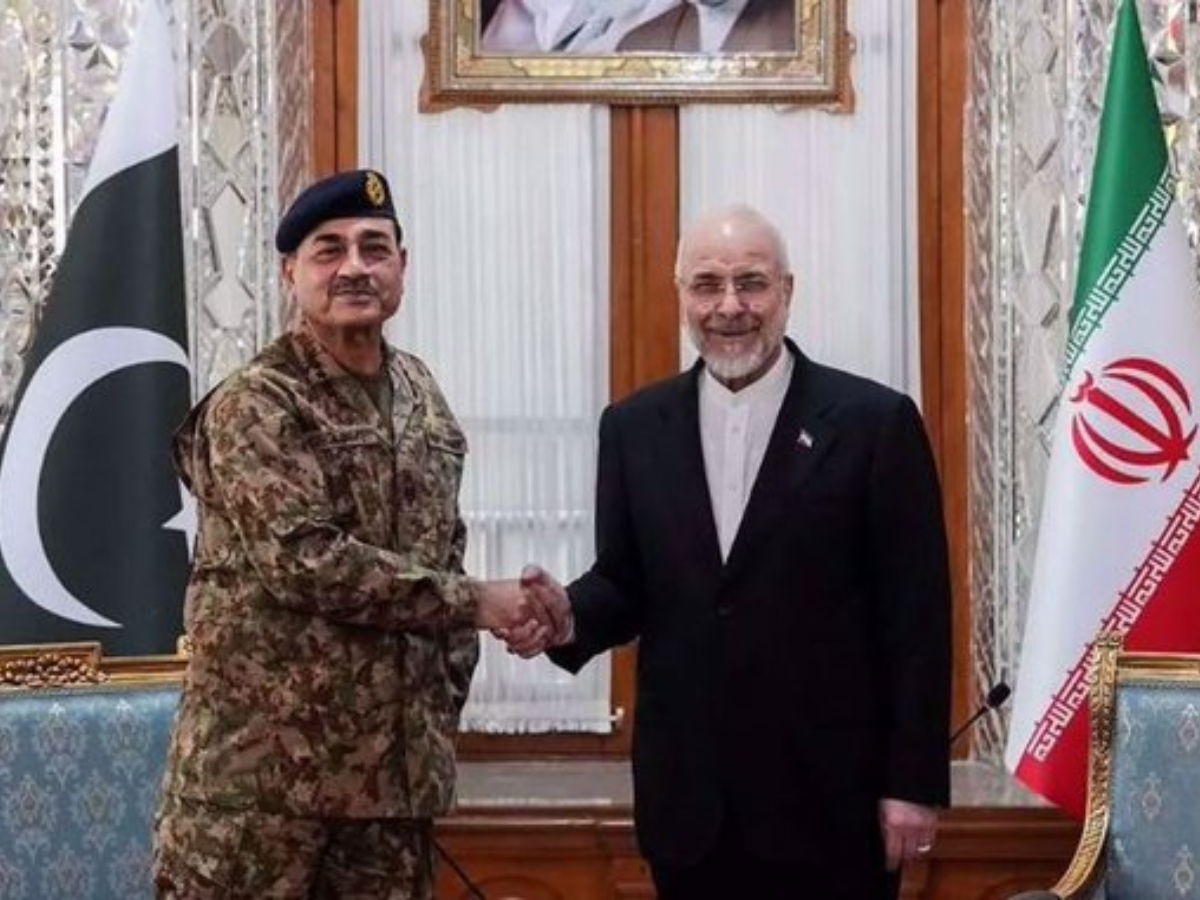
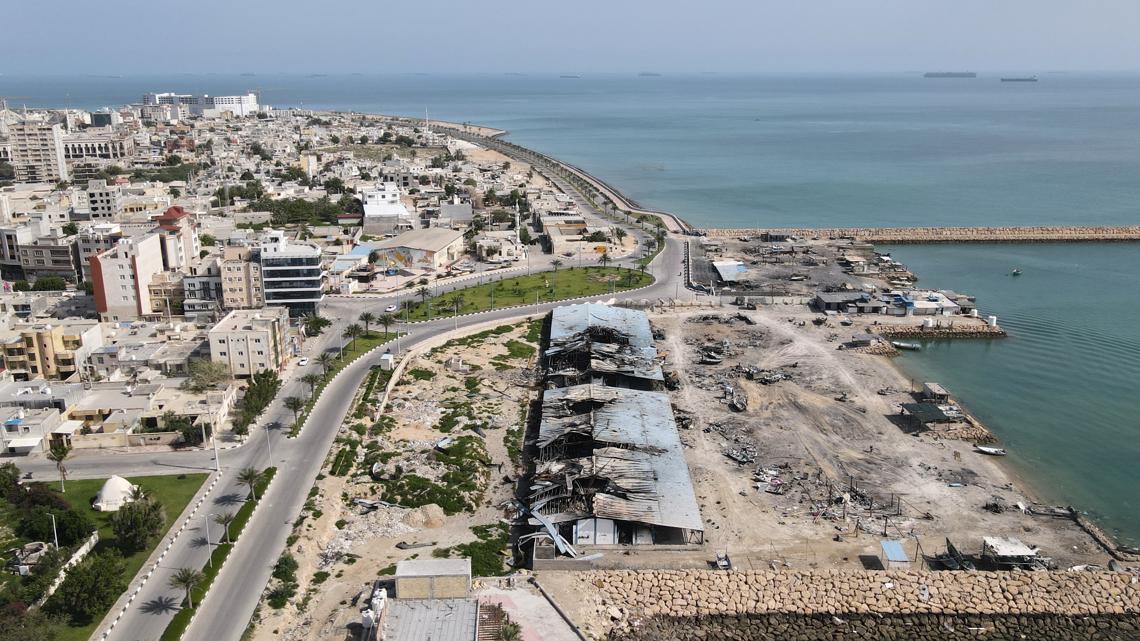
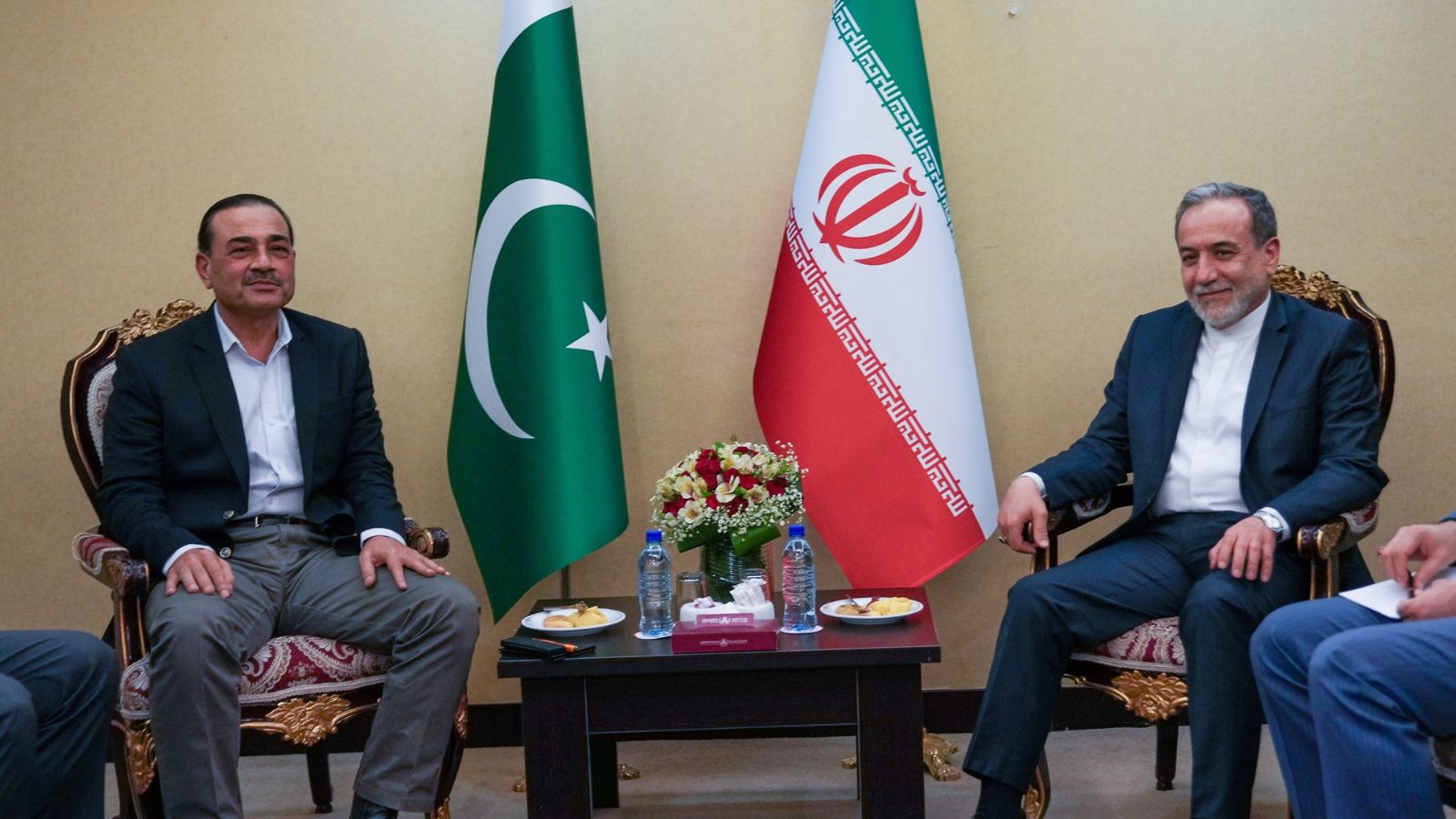
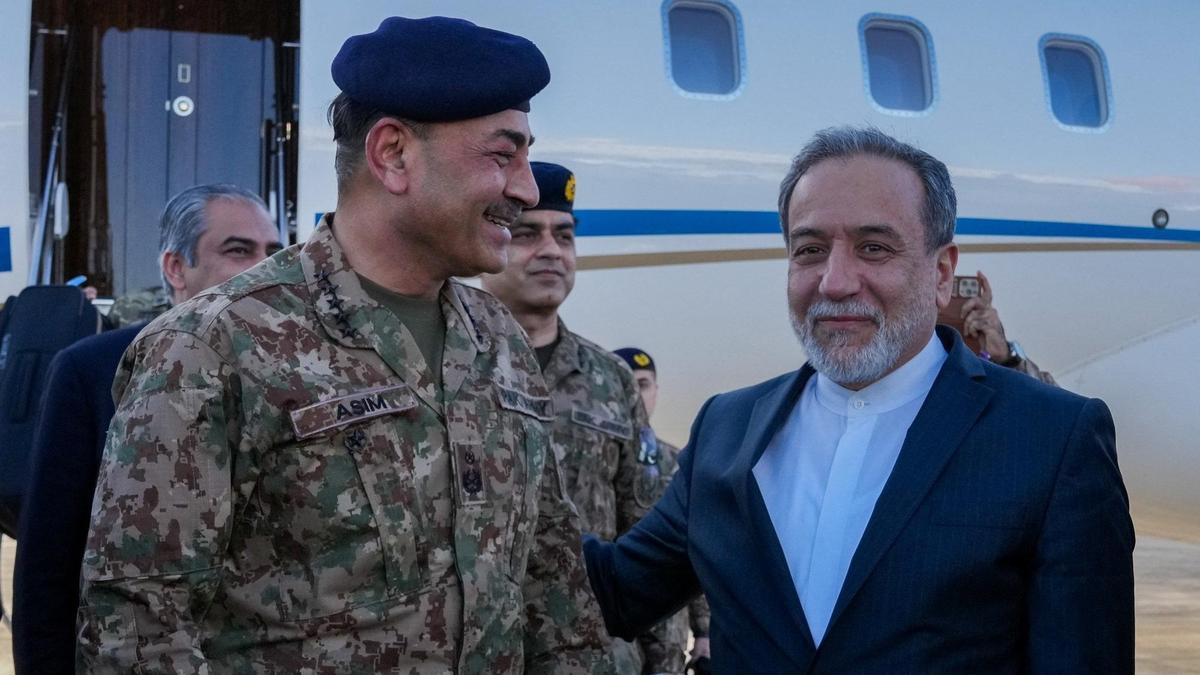
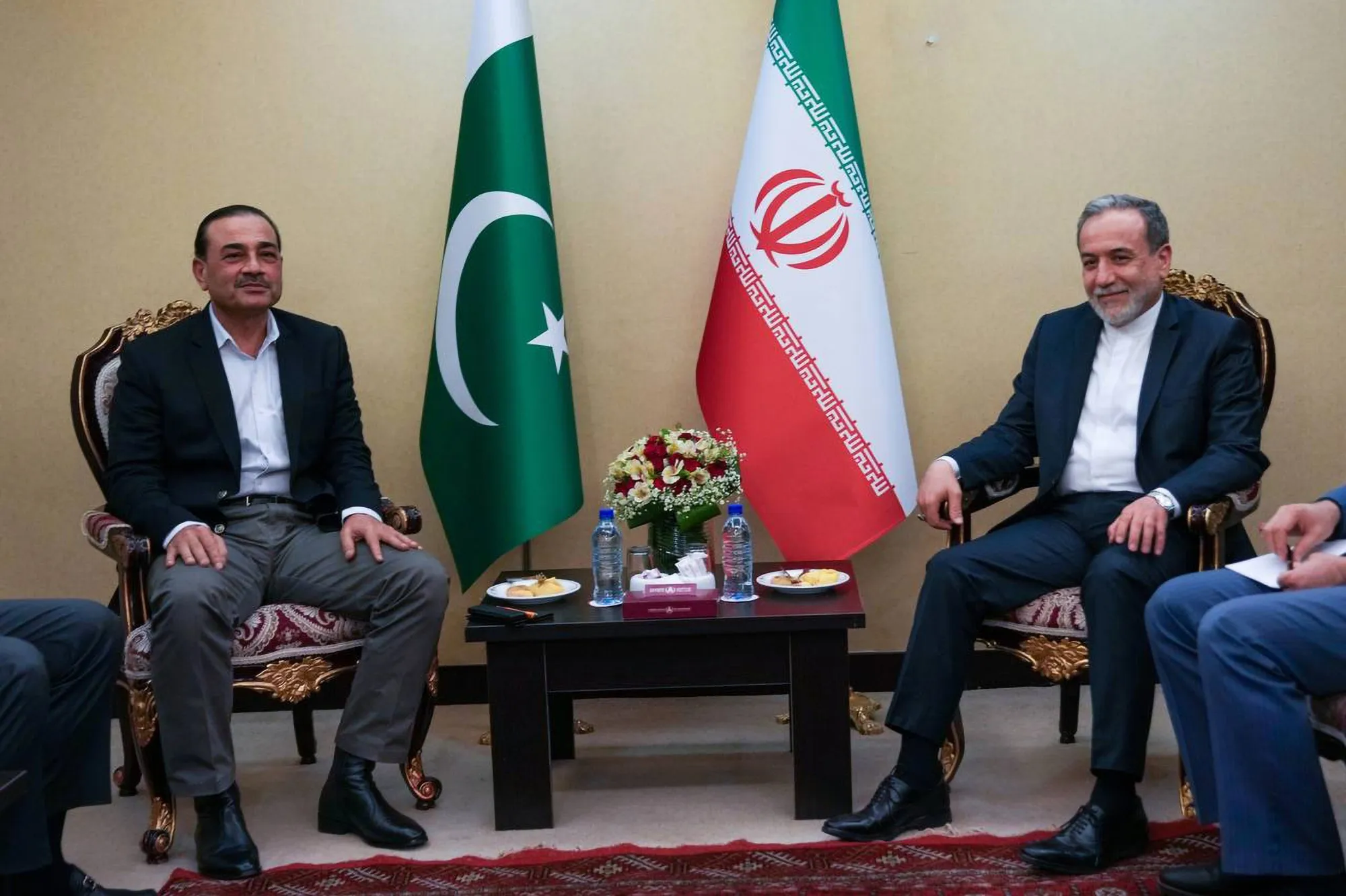
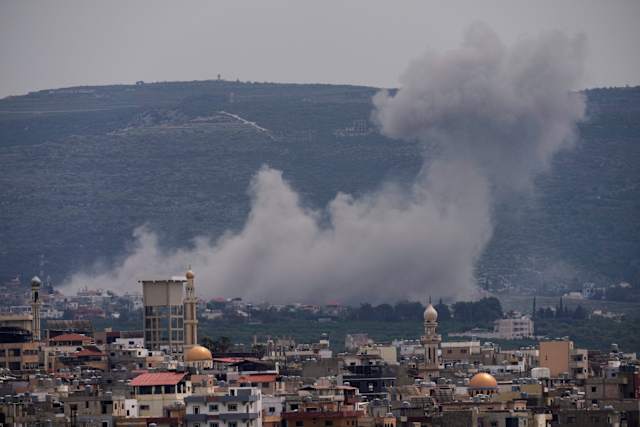
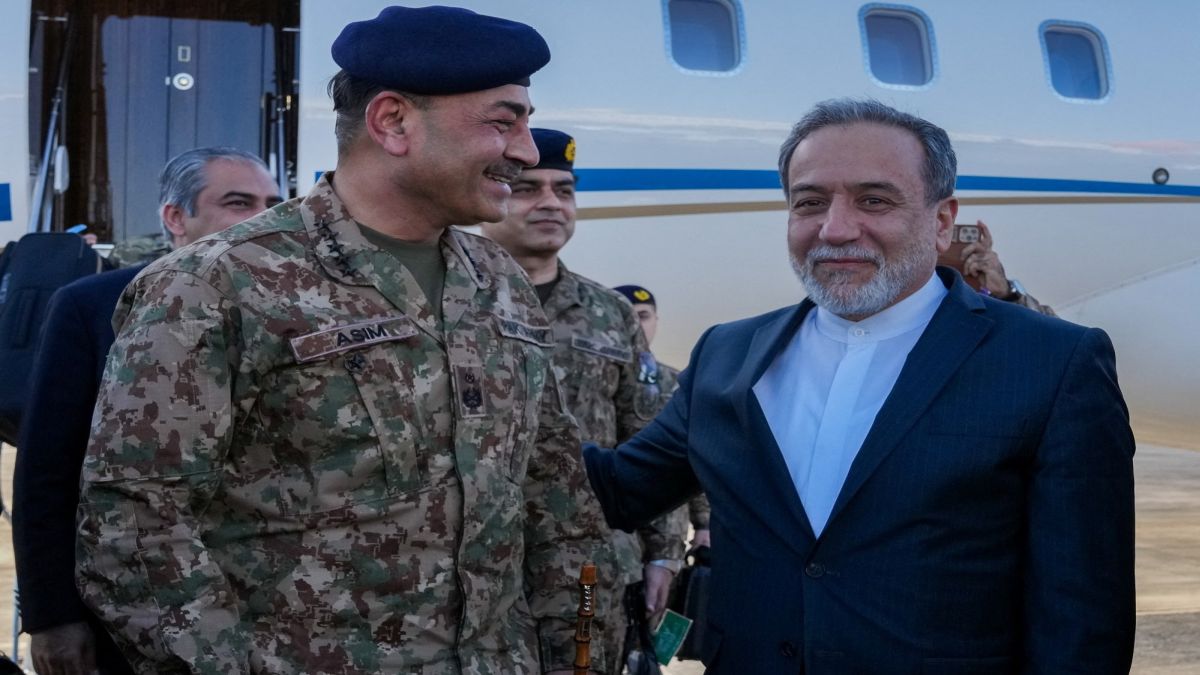
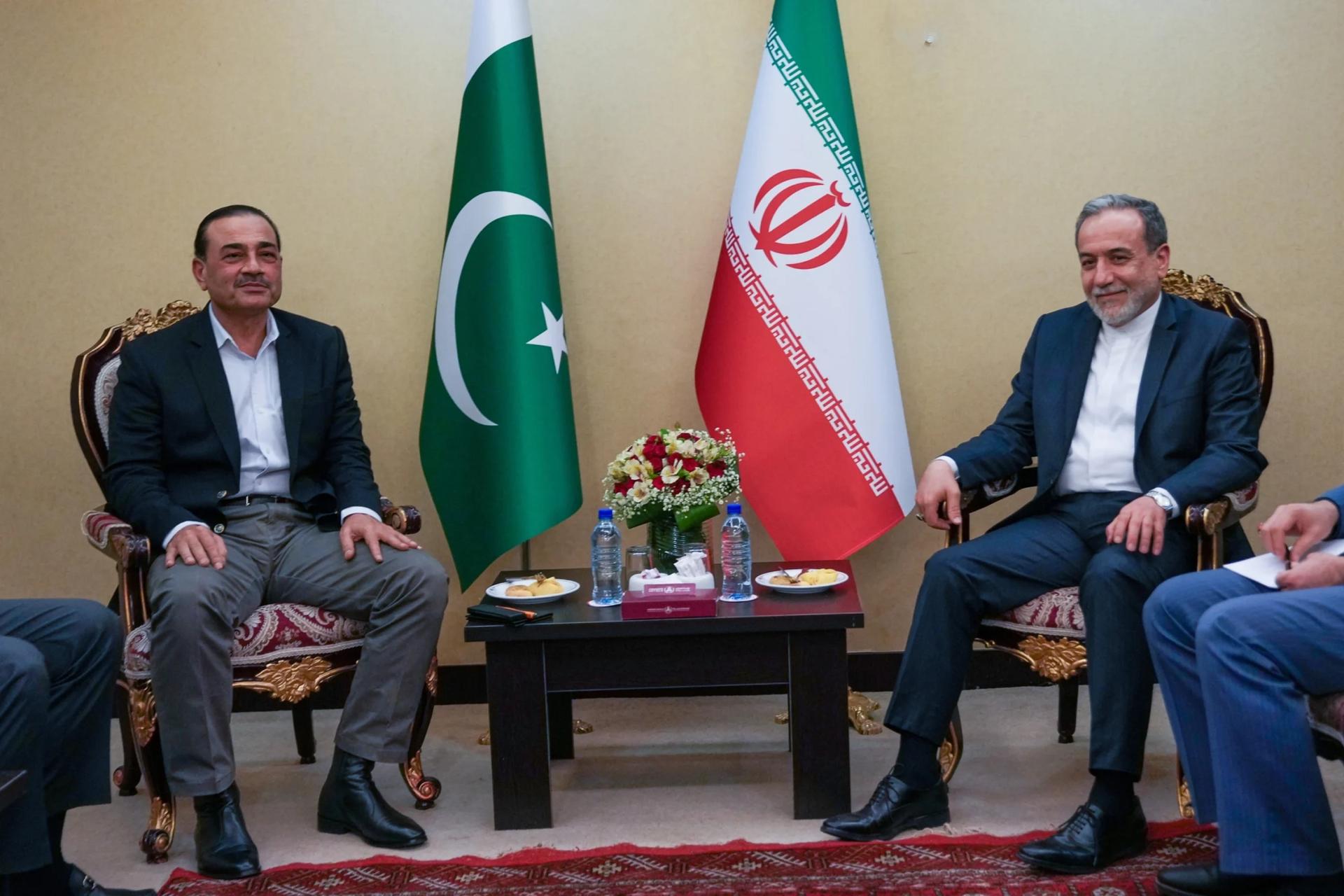
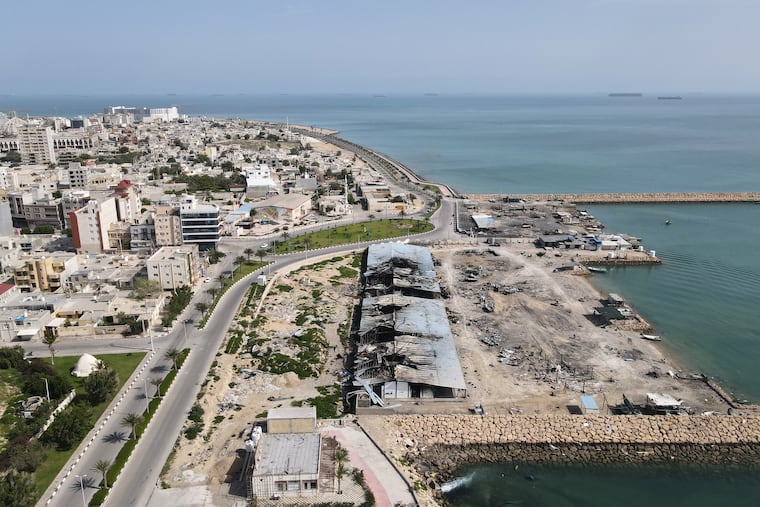
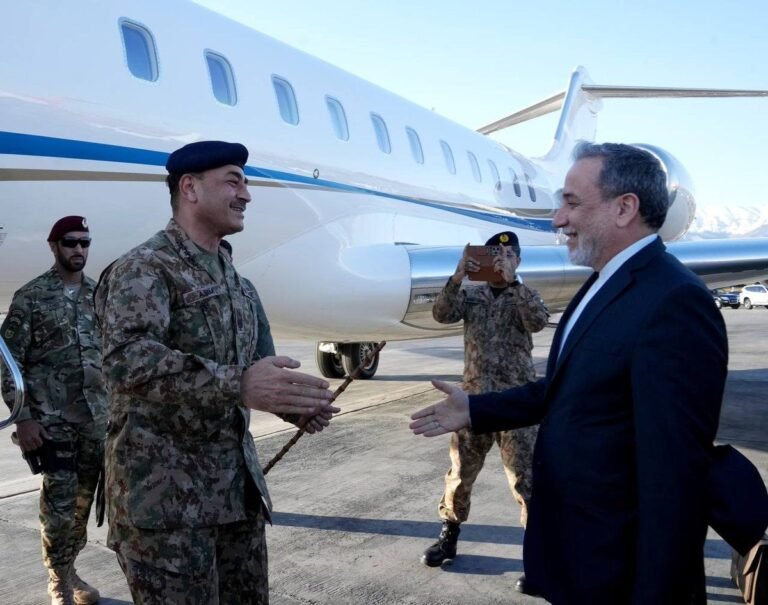
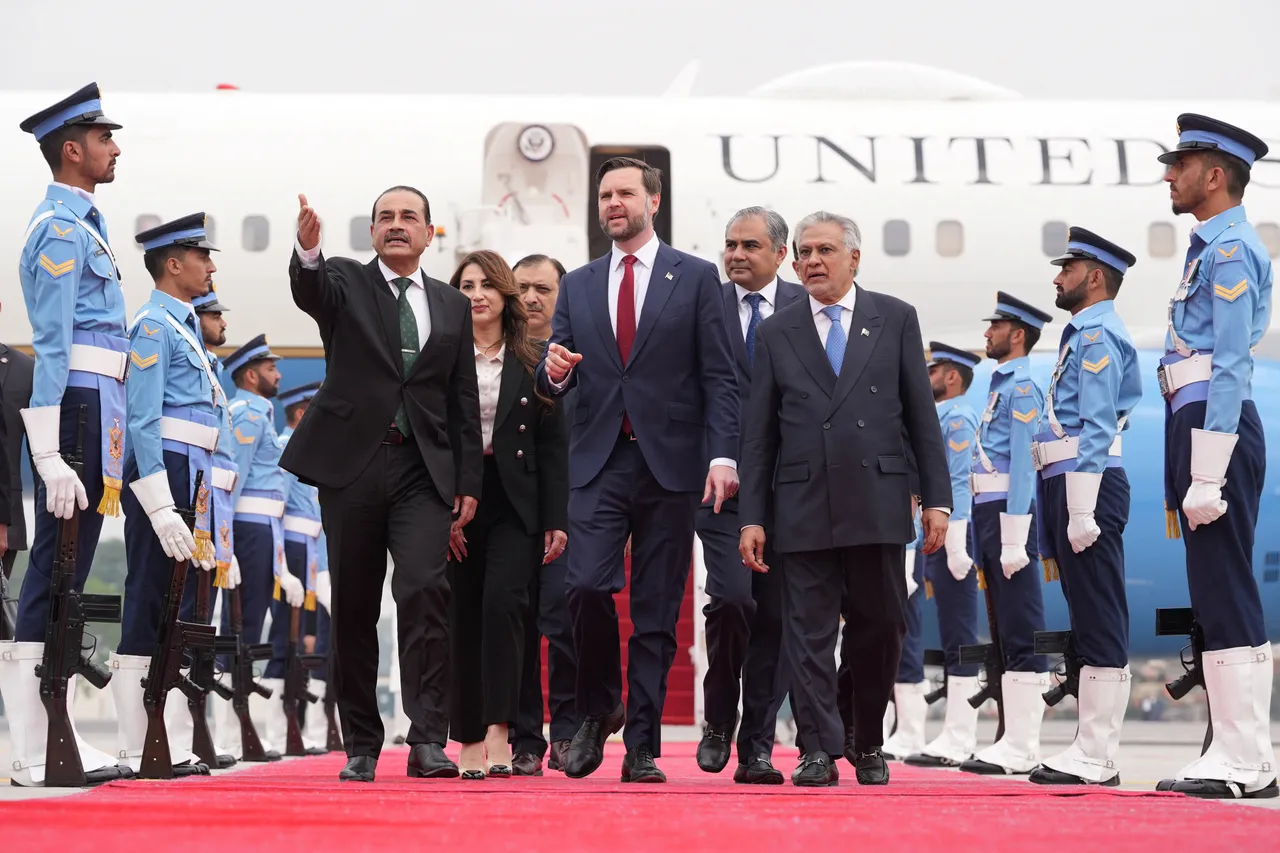
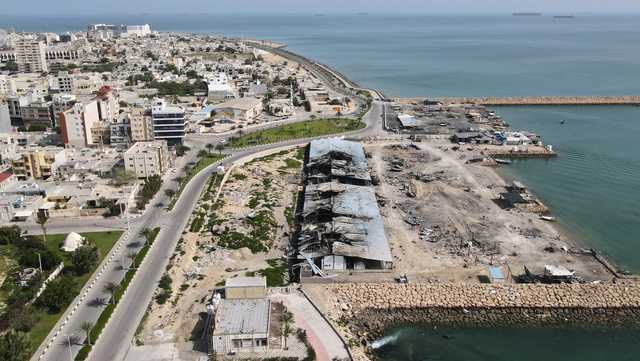
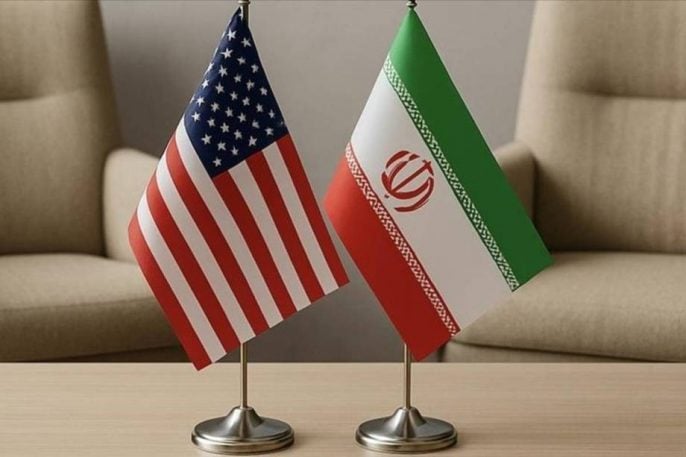
The ongoing Middle East geopolitical crisis centered on Iran nuclear negotiations and ceasefire extensions presents a critical supply chain vulnerability for cross-border e-commerce sellers. The ceasefire between Israel, the U.S., and Iran is scheduled to expire on April 22, 2026, with Pakistan's military chief Asim Munir mediating negotiations in Tehran. Concurrently, the U.S. Treasury Department has announced sanctions against two dozen entities involved in Iranian oil and natural gas exports, including nine vessels and UAE-based companies, while signaling willingness to impose secondary sanctions on countries purchasing Iranian oil. The U.S. naval blockade on the Strait of Hormuz and Iranian counter-threats targeting Red Sea ports have already disrupted global oil markets and created shipping route uncertainties.
For cross-border sellers, the immediate operational impact centers on logistics costs and delivery timelines through two critical trade corridors: the Strait of Hormuz (approximately 21% of global maritime oil trade) and the Red Sea shipping lanes. Energy market volatility from geopolitical tensions directly influences shipping fuel surcharges, with sellers reporting 15-25% increases in freight costs for goods transiting these routes. Asian stock markets responded positively to ceasefire extension prospects (Japan's Nikkei 225 +1.58%, South Korea's Kospi +1.89%, Hong Kong's Hang Seng +0.68%, Taiwan's Taiex +0.48%), indicating market confidence in deal prospects, but this optimism masks underlying supply chain fragility. Sellers shipping electronics, textiles, and machinery from Asia to Europe or North America face extended transit times (5-7 additional days via alternative routes) and premium insurance costs for vessels avoiding the Hormuz corridor.
The strategic opportunity window exists before April 22, 2026, when the ceasefire expires. Sellers should immediately evaluate sourcing diversification away from single-corridor dependency. Categories most vulnerable include high-volume, time-sensitive products (electronics, fashion, perishables) where shipping delays compress margins. The sanctions regime targeting UAE-based companies creates additional compliance complexity for sellers using Dubai as a transshipment hub. Conversely, sellers positioned in India, Vietnam, and Southeast Asia gain competitive advantage as alternative sourcing regions, with potential 8-12% cost savings compared to China-dependent supply chains that rely heavily on Hormuz transit. The diplomatic negotiations occurring in Islamabad suggest Pakistan may emerge as a preferred logistics hub for risk-averse sellers seeking to bypass contested waters entirely.
Questions 7
What compliance risks do sellers face with UAE transshipment hubs under new sanctions?
The U.S. Treasury Department's sanctions against UAE-based companies involved in Iranian oil and natural gas exports create secondary sanctions risk for sellers using Dubai as a transshipment point. Sellers must verify that their 3PL providers and freight forwarders are not on the OFAC sanctions list and maintain documentation proving goods do not transit through sanctioned entities. Non-compliance can result in $250,000+ penalties and account freezes. Conduct immediate audits of your supply chain partners and request sanctions compliance certifications from all logistics providers handling Middle East routes.
Which product categories are most vulnerable to Hormuz shipping disruptions?
High-volume, time-sensitive categories face the greatest margin compression: electronics (HS codes 8471-8517), textiles and apparel (HS 6204-6209), machinery (HS 8401-8483), and perishable goods. These categories depend on just-in-time inventory and cannot absorb 5-7 day delays without stockout risks. Conversely, low-urgency categories like furniture and home décor can absorb longer transit times. Sellers in electronics and fashion should prioritize alternative sourcing from Vietnam, India, and Indonesia to reduce Hormuz corridor dependency by 30-40%.