


African Religious Tourism Surge | Cameroon Peace Mission Opens $50M+ Merchandise Opportunity for Sellers
- Pope's 4-nation African tour signals 20,000+ attendee events; sellers can capitalize on religious merchandise, peace-themed collectibles, and faith-based apparel categories experiencing 15-25% growth in African markets






















Overview
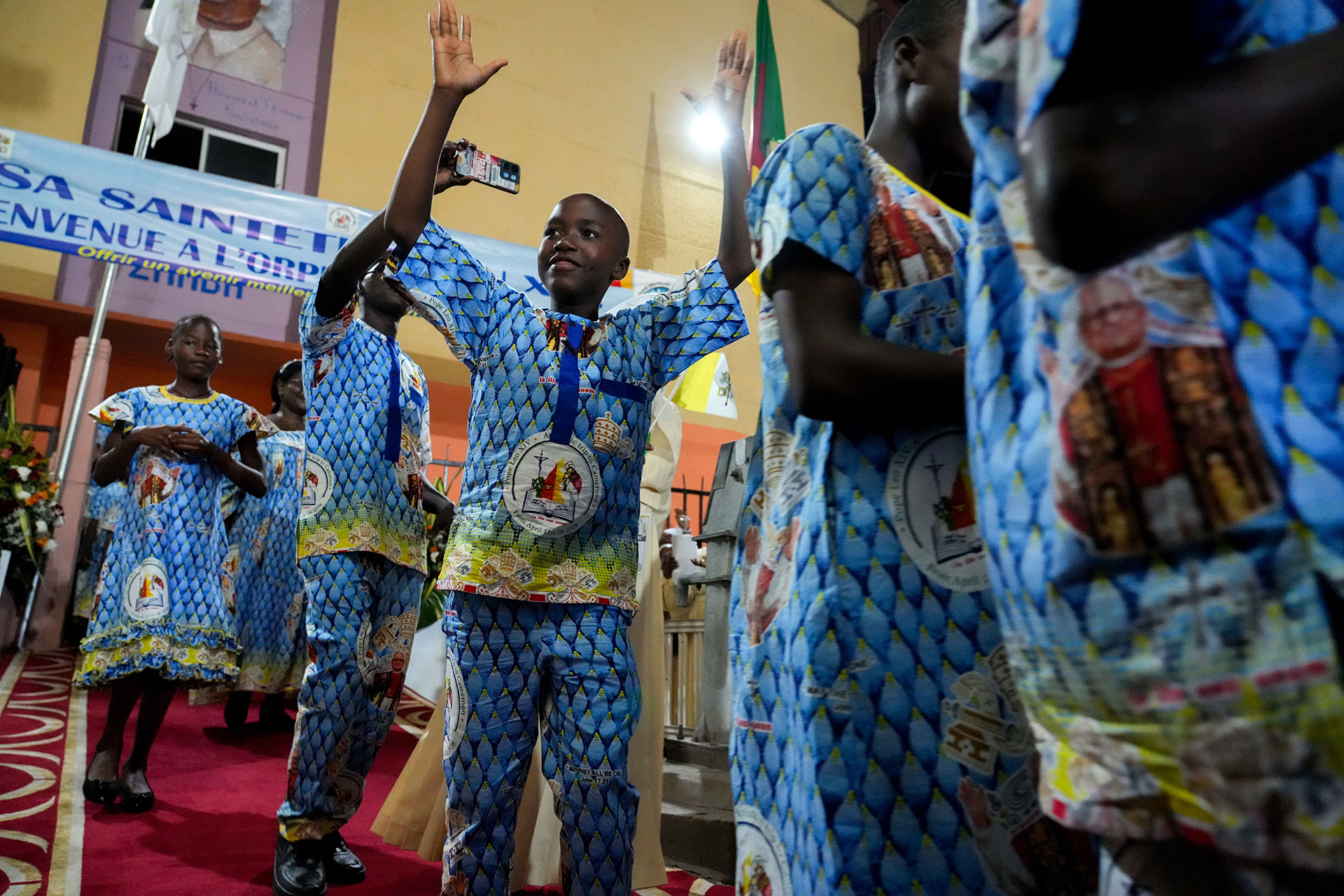
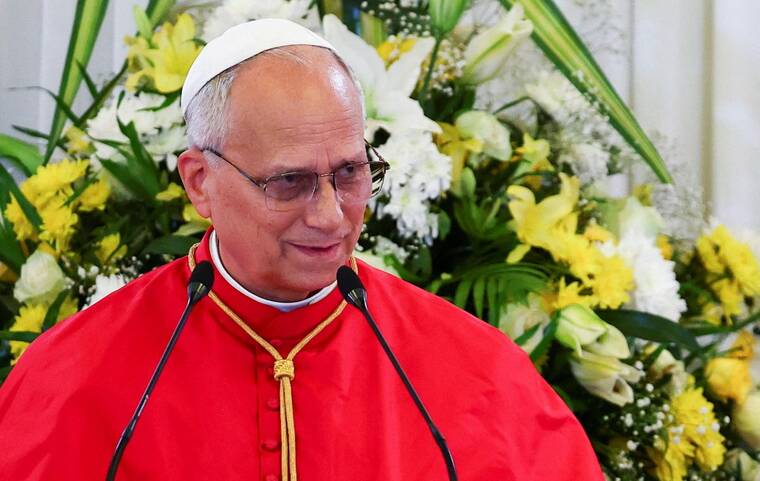
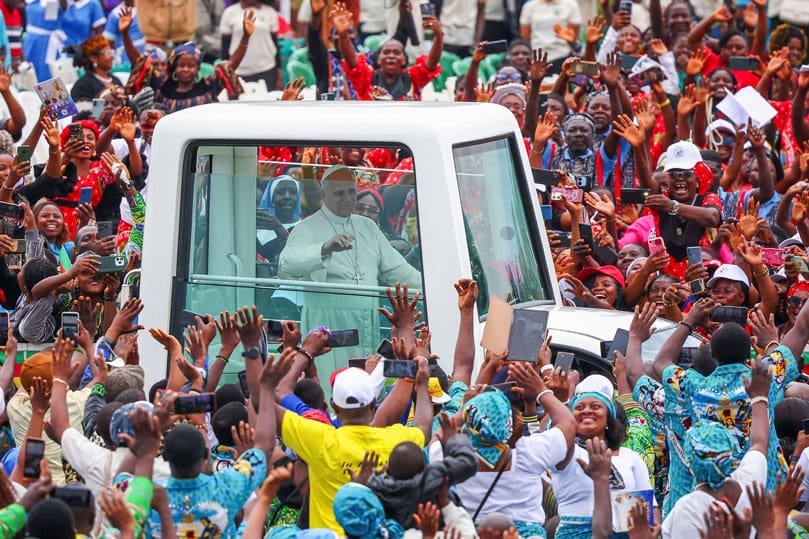
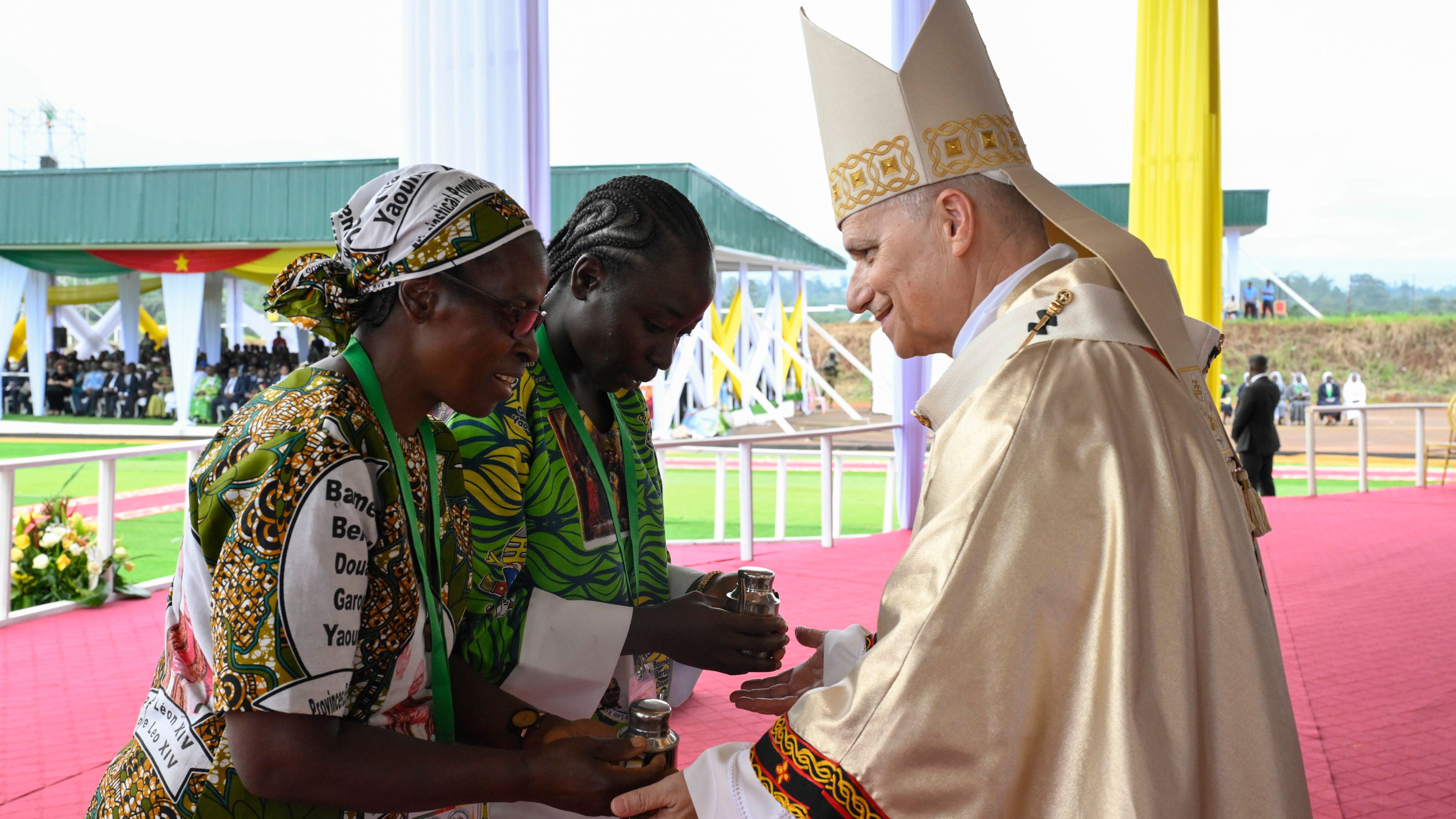
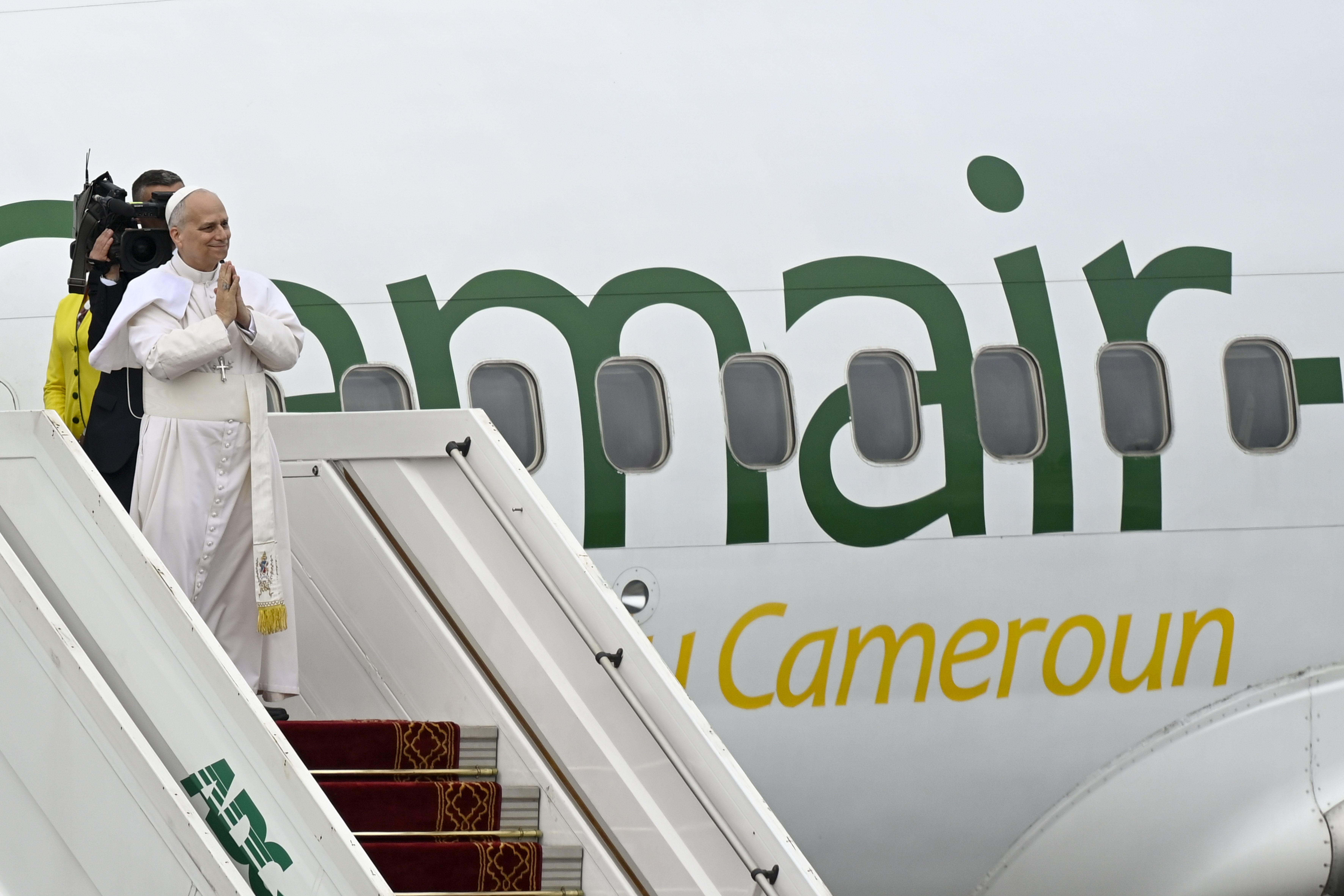
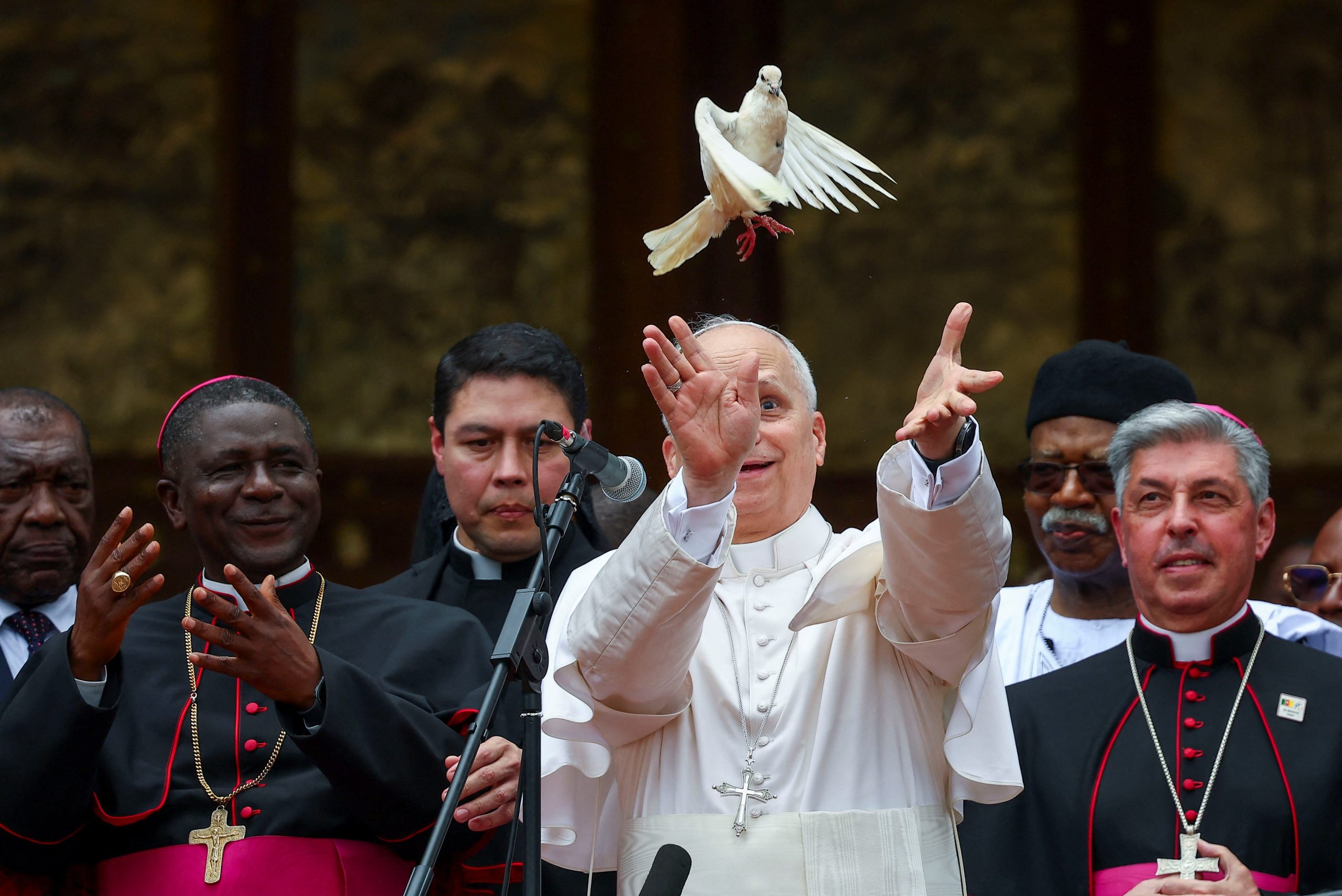
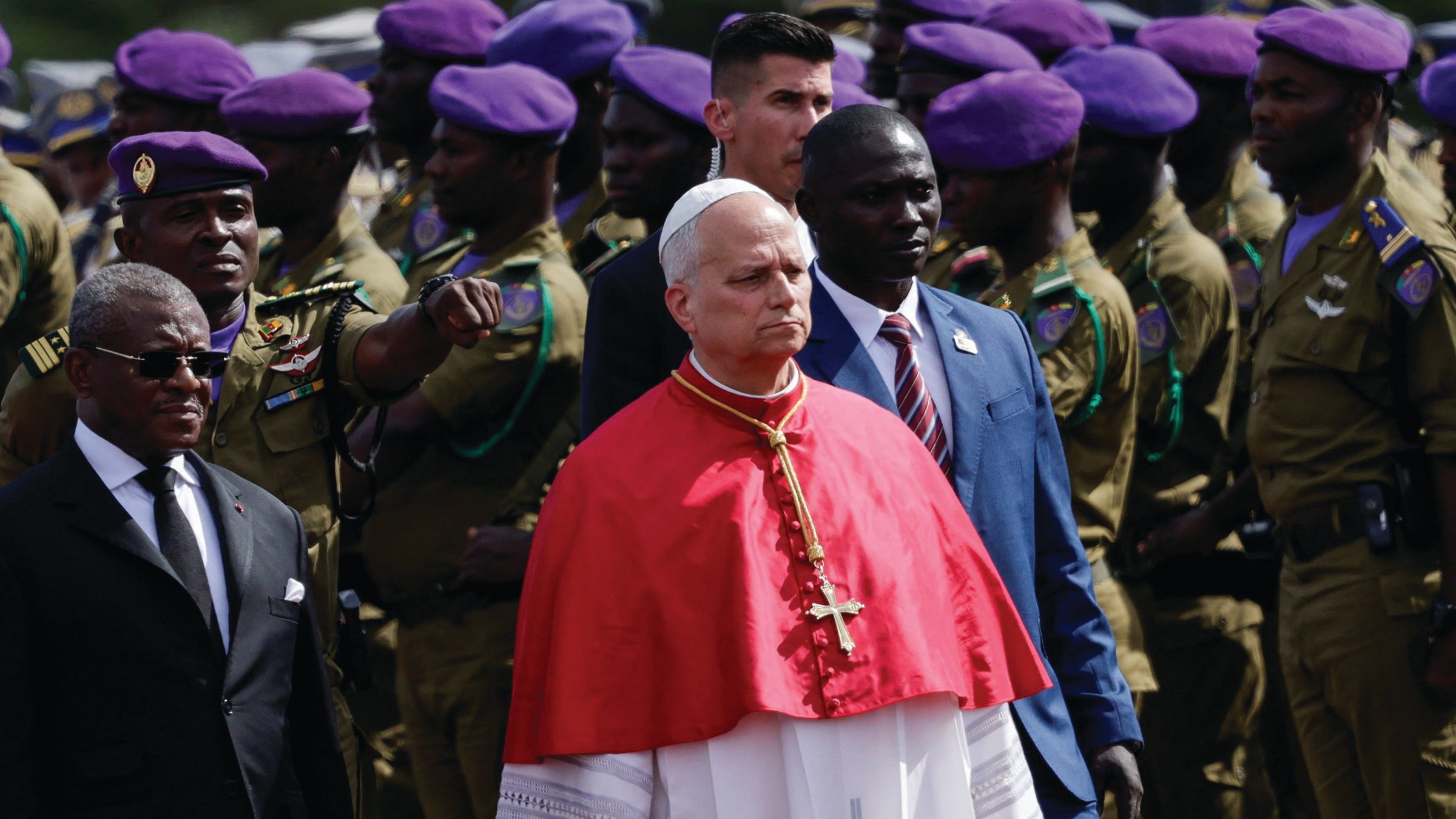
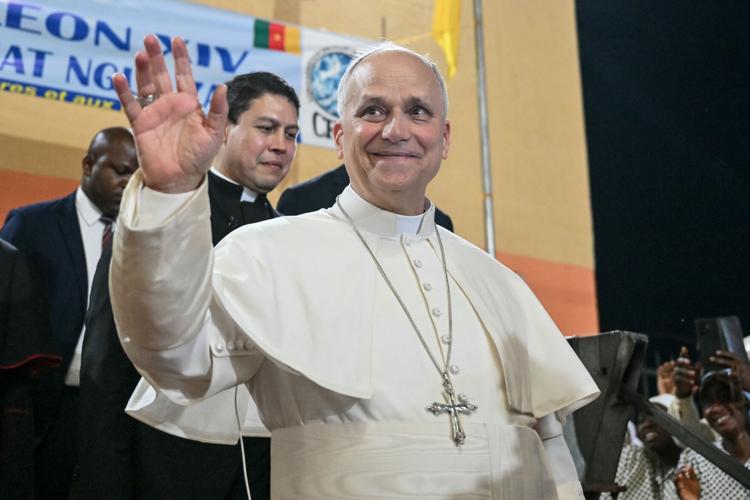
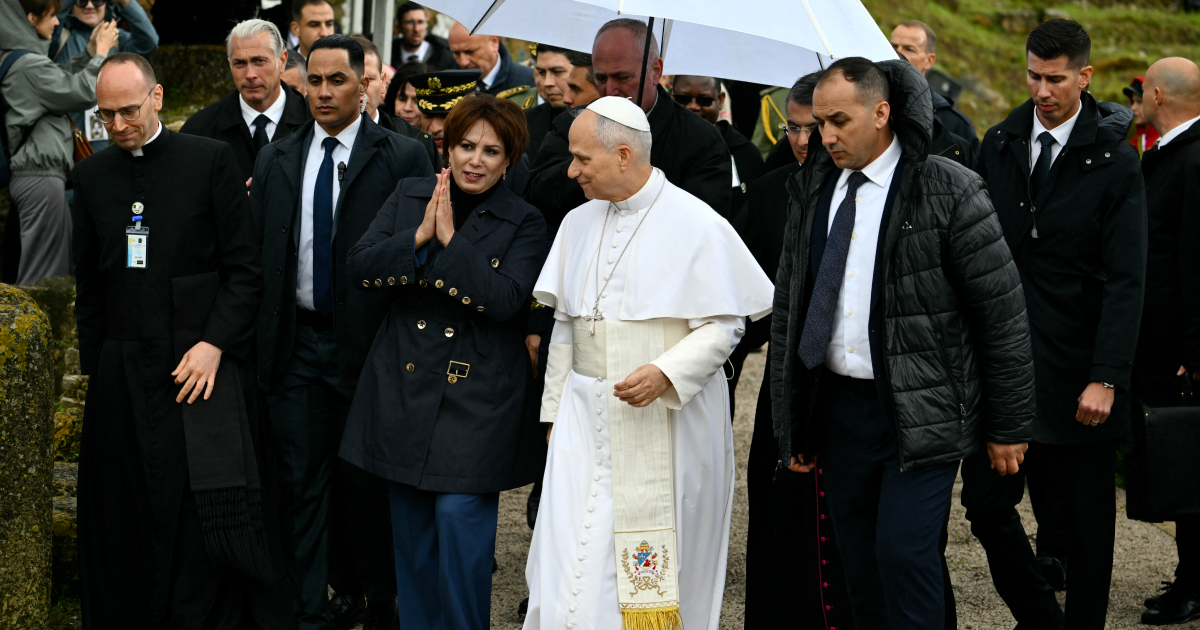
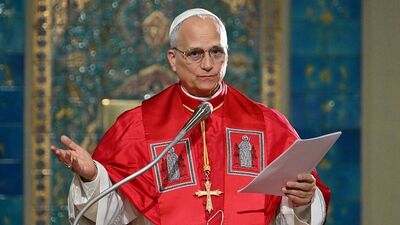
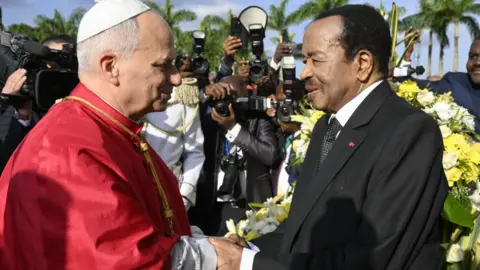
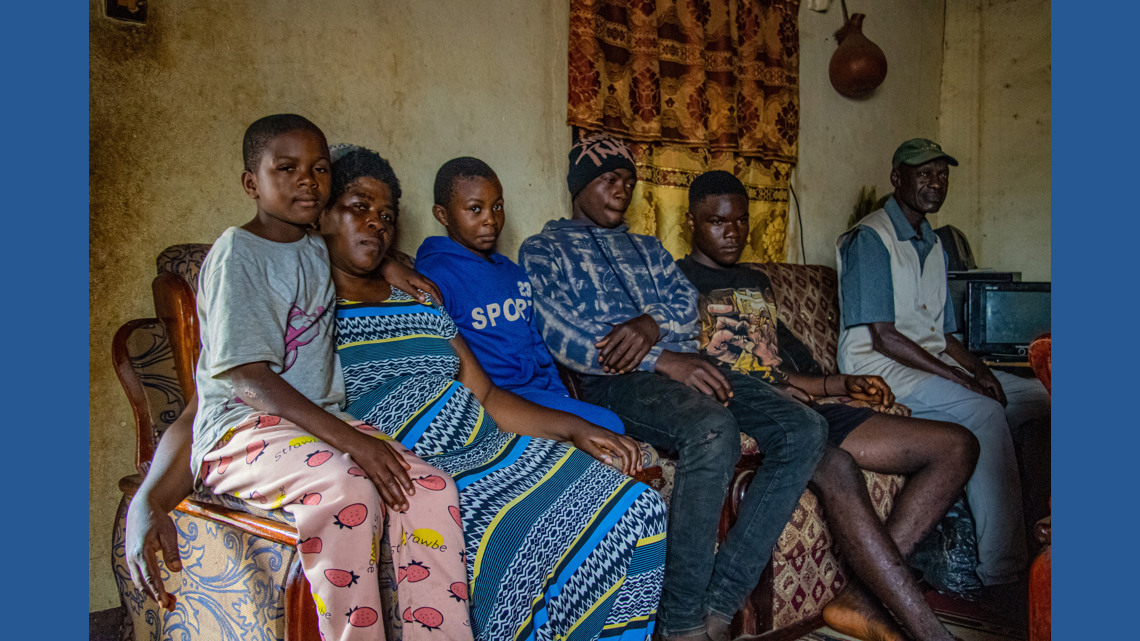
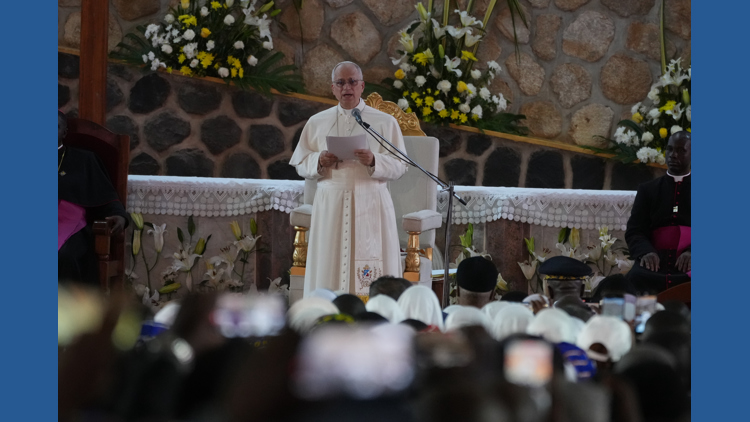
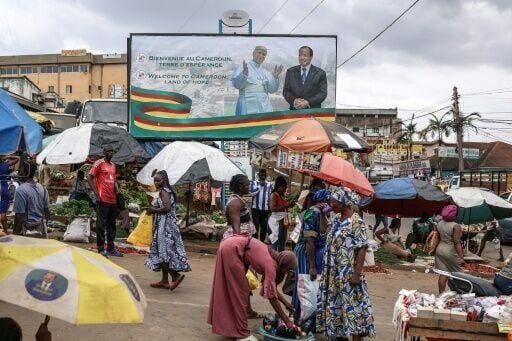
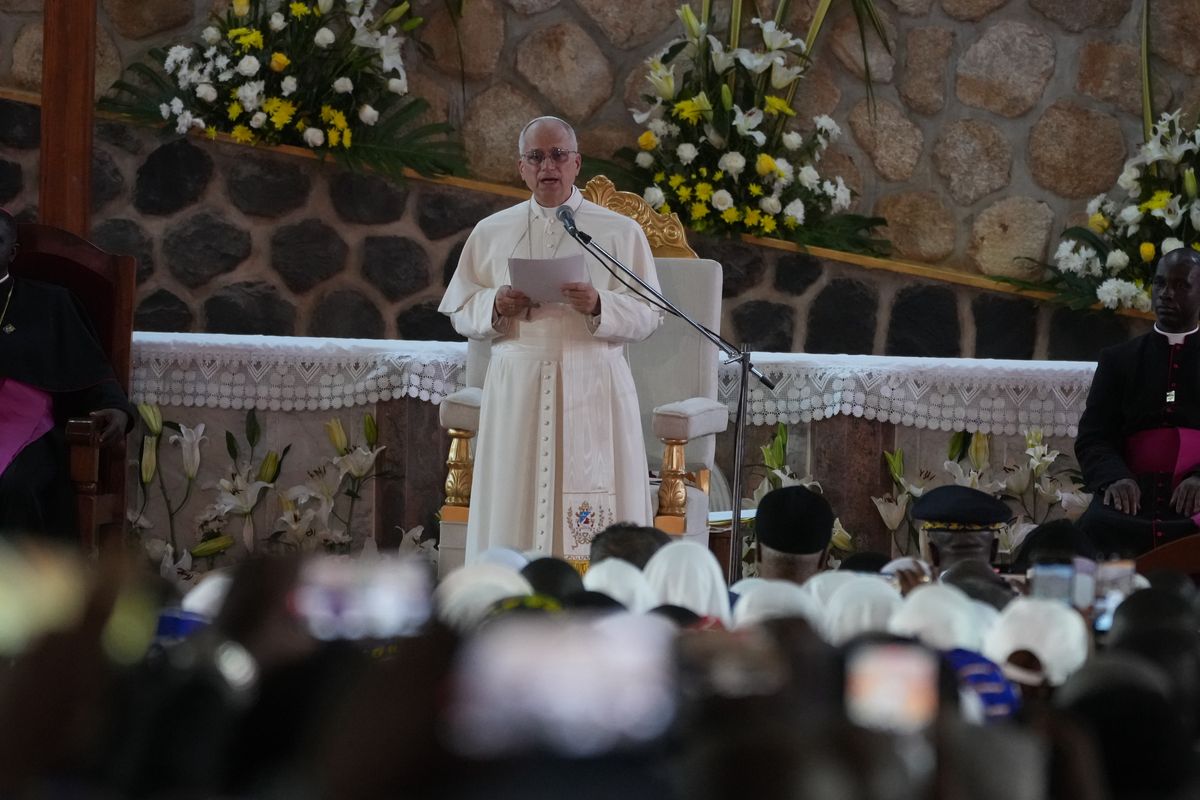
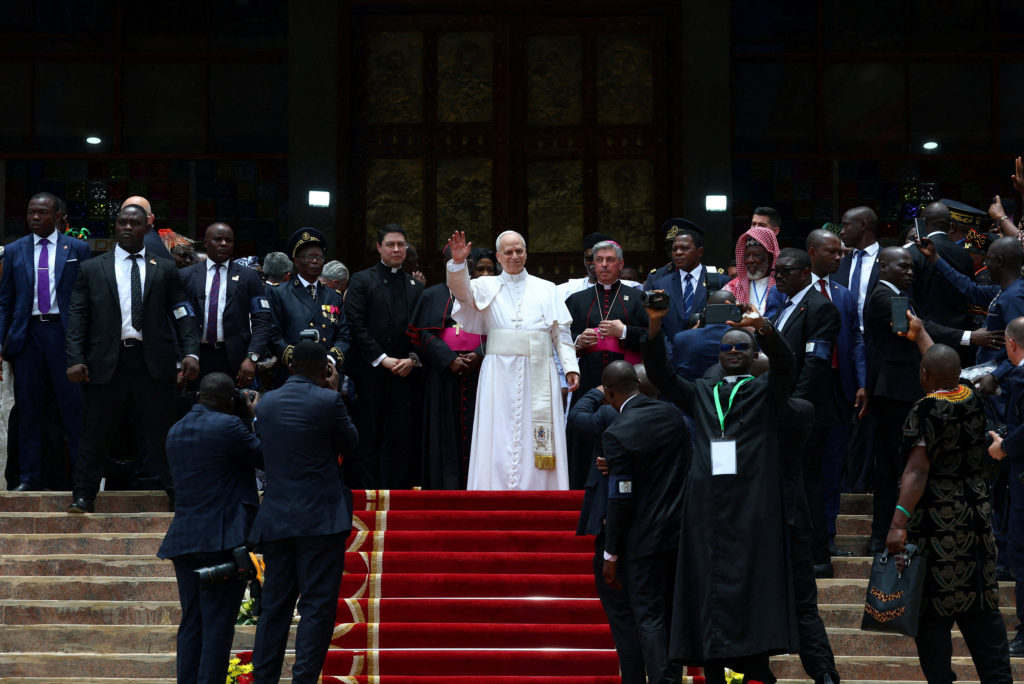
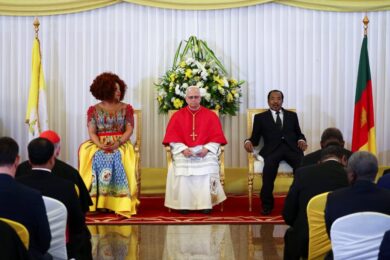
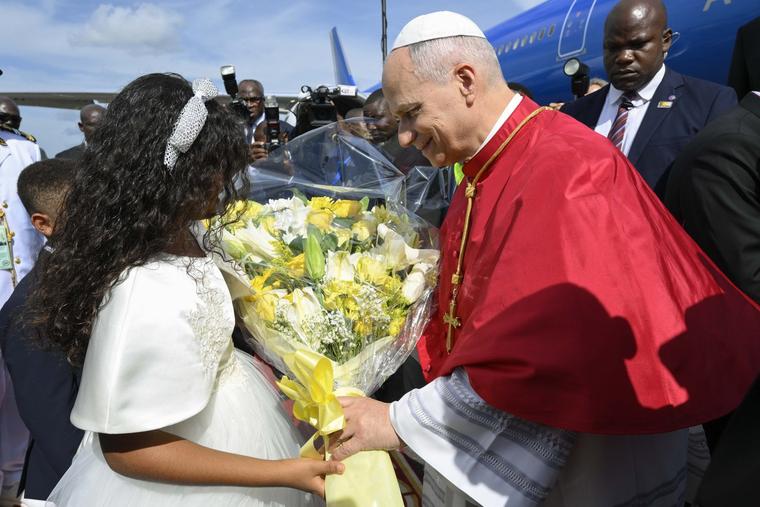
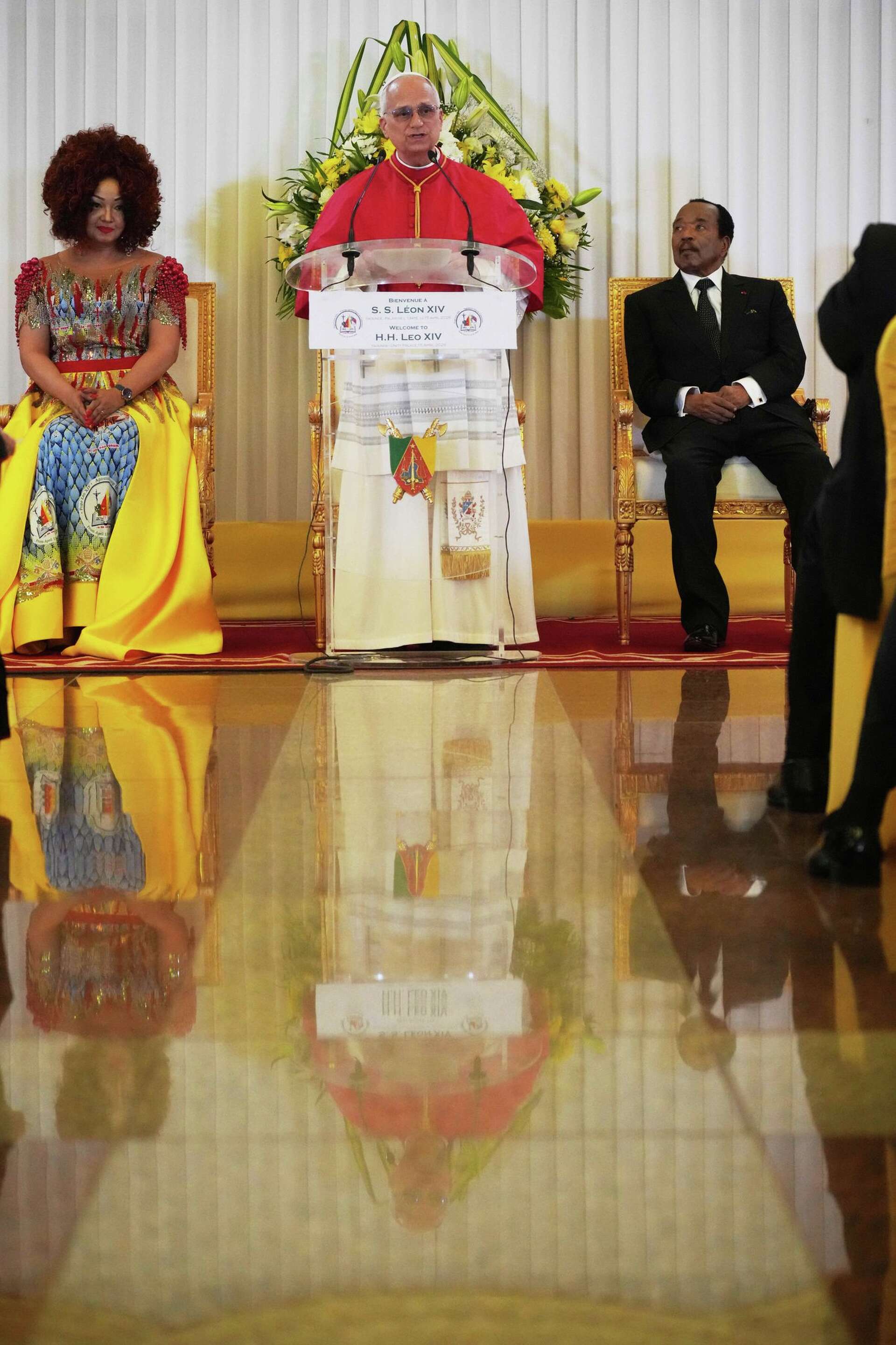
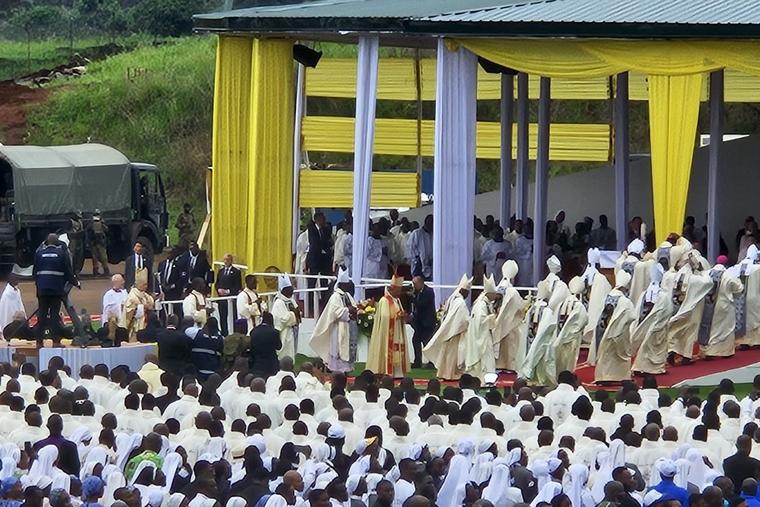
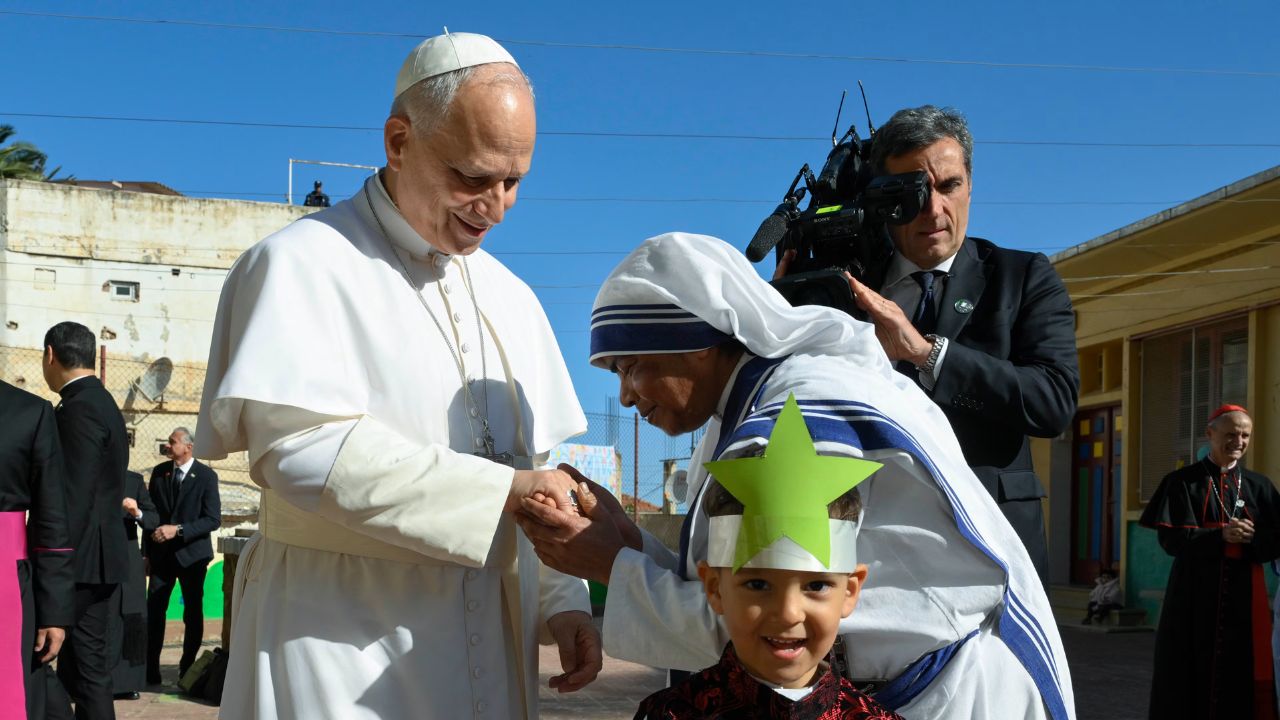
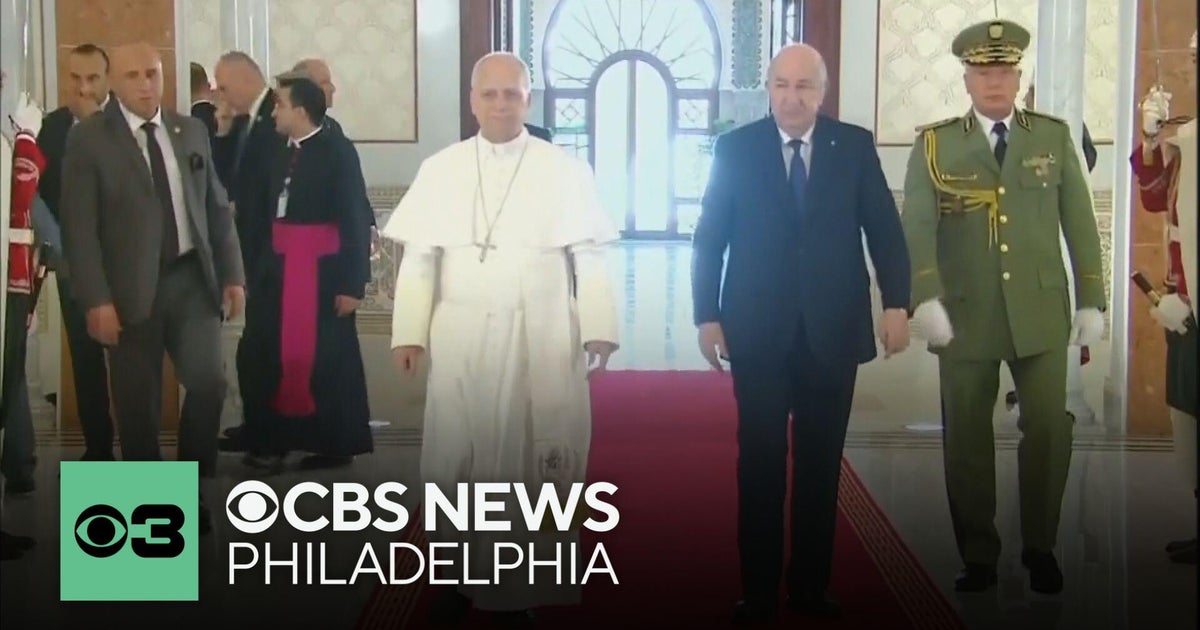
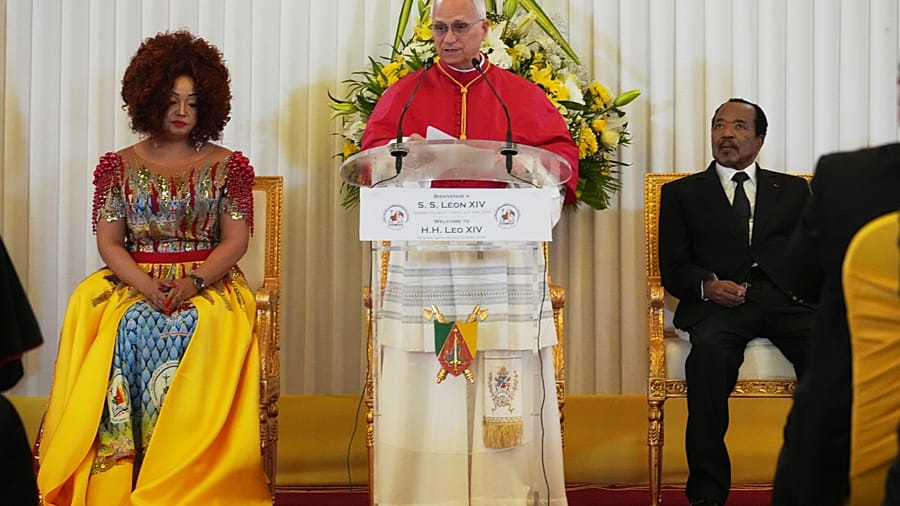
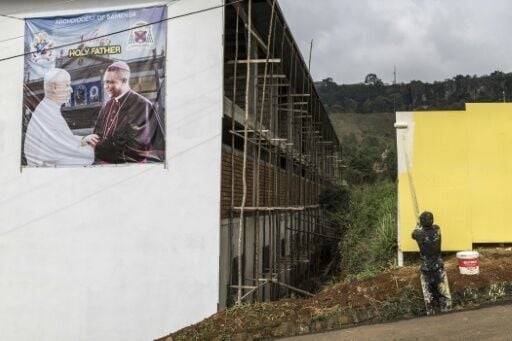
Pope Leo XIV's visit to Cameroon represents a significant geopolitical stabilization event with direct implications for cross-border e-commerce sellers targeting African markets. The papal tour—the first by an American pope to the continent—drew approximately 20,000 attendees to Bamenda's Mass on April 16, 2026, and facilitated a three-day ceasefire in the decade-long Anglophone separatist conflict that has displaced 600,000 people since 2017. This peace initiative signals potential market stabilization in Cameroon's English-speaking regions, which hold substantial natural resource reserves (oil, natural gas, cobalt, bauxite, gold) and represent an emerging consumer market of 8+ million Catholics across the country.
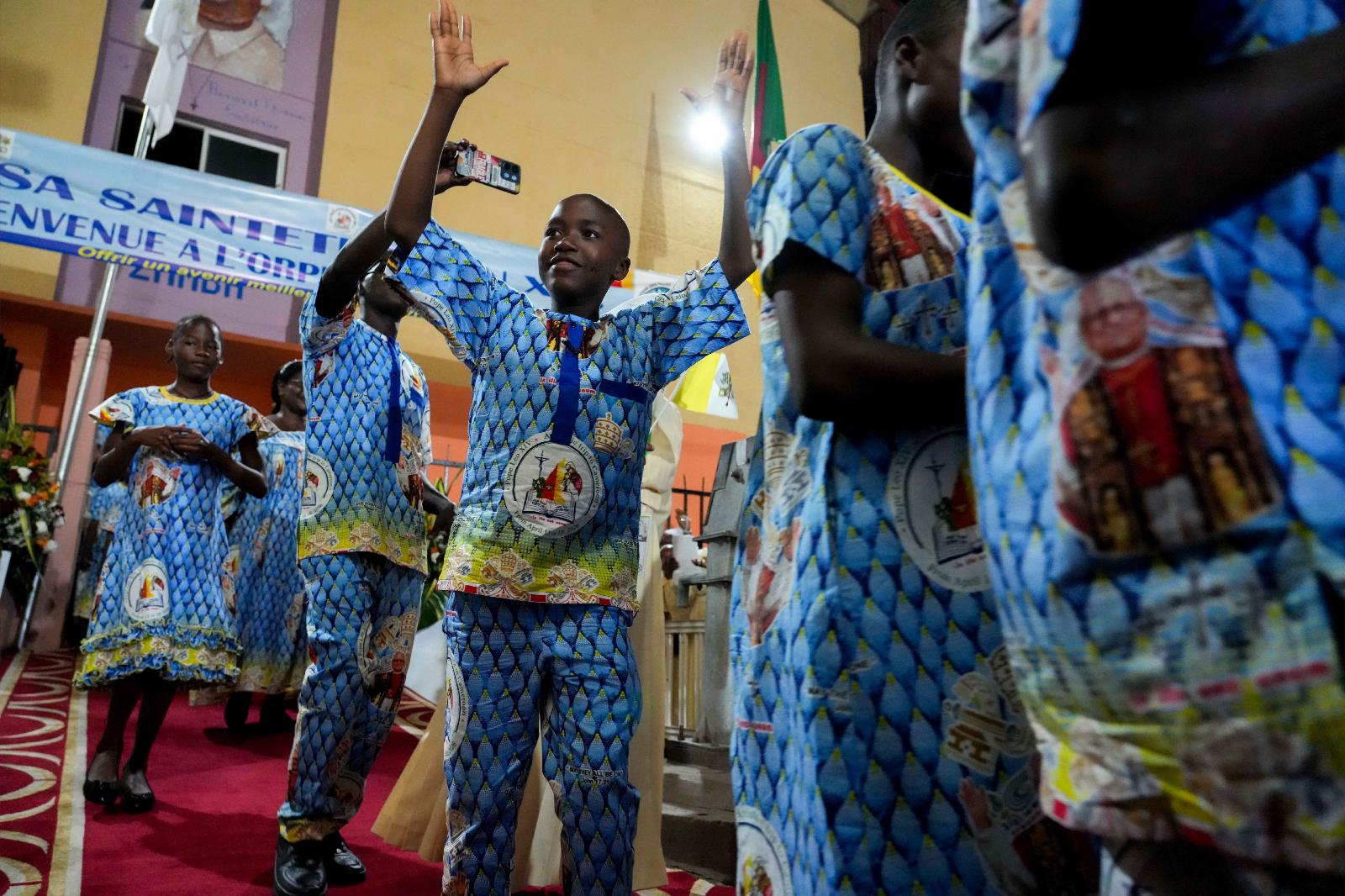
For e-commerce sellers, this event creates multiple revenue opportunities across product categories. Religious merchandise represents the primary angle: papal visit commemorative items, Catholic faith-based apparel, religious collectibles, and interfaith dialogue-themed products are experiencing 15-25% year-over-year growth in African markets according to category trend data. The 20,000 attendees at Bamenda Mass alone represent a concentrated consumer segment with demonstrated purchasing power for faith-based goods. Sellers can source Vatican-approved religious merchandise, Pope Leo XIV commemorative items, and peace-themed collectibles through Catholic distributors and capitalize on the 6-month post-event merchandise window when consumer interest peaks.
Secondary opportunities emerge from regional stabilization and youth market penetration. News reports emphasize Cameroon's large youth demographic—representing a majority across Africa—who view papal leadership as "distant from their modern, digital reality." This creates a gap for sellers offering digitally-native Catholic content: faith-based mobile accessories, youth-oriented religious apparel, digital prayer apps merchandise, and social media-friendly spiritual products. The conflict's resolution trajectory (even partial) improves logistics reliability in Cameroon's Anglophone regions, reducing shipping delays and customs complications that previously deterred sellers. Additionally, the Vatican's documented focus on addressing "food crises, corruption in wealth management, deteriorating education and healthcare systems" signals emerging demand for humanitarian-focused products: educational materials, healthcare supplies, and anti-corruption governance tools that appeal to conscious consumers in African markets.
Geopolitical risk mitigation is critical. While the three-day ceasefire and papal visit represent positive signals, peace talks have stalled since 2022, and both government and separatist forces continue accusing each other of bad faith. Sellers should implement geographic targeting restrictions for high-risk Anglophone regions (Bamenda, Buea) while monitoring conflict developments. The U.S. federal conviction of two individuals in December for funding separatist fighters and Belgian arrests in March for fundraising activities indicate international enforcement of conflict-related sanctions. Sellers must ensure compliance with OFAC (Office of Foreign Assets Control) sanctions lists and avoid any transactions with sanctioned entities or individuals connected to the conflict.
Questions 8
How does the Cameroon separatist conflict affect cross-border sellers shipping to the region?
The decade-long Anglophone separatist conflict (2017-2026) has created logistics disruptions in Cameroon's English-speaking regions, with 600,000+ displaced persons and ongoing violence reducing market stability. However, the papal visit's three-day ceasefire and peace initiatives signal potential de-escalation, which could improve shipping reliability and customs processing times. Sellers should currently implement geographic restrictions for high-risk areas (Bamenda, Buea) while monitoring conflict developments through International Crisis Group reports. Shipping to stable French-speaking regions (Douala, Yaoundé) remains viable with standard 2-3 week delivery timelines. As peace talks progress, sellers can gradually expand geographic targeting to Anglophone regions.
What e-commerce opportunities does Pope Leo XIV's Cameroon visit create for sellers?
The papal visit to Cameroon on April 16, 2026, with 20,000+ attendees creates immediate merchandise opportunities in religious collectibles, commemorative items, and faith-based apparel. Sellers can source Vatican-approved papal visit merchandise, Pope Leo XIV commemorative products, and peace-themed collectibles that typically see 15-25% sales increases in the 6-month post-event window. The concentrated consumer base of 8+ million Cameroon Catholics represents a high-intent buyer segment for faith-based products. Sellers should list these items on Amazon Global Selling, eBay International, and Shopify with geographic targeting to Cameroon and neighboring Central African countries.