


Trade Over Aid Policy Reshapes Emerging Market Access | Seller Tariff & Market Opportunities 2025
- $60B+ aid reduction creates tariff arbitrage windows in 50+ developing nations; pro-business reforms unlock market entry for US sellers in logistics, fintech, and consumer goods categories by Q2 2025

)











Overview
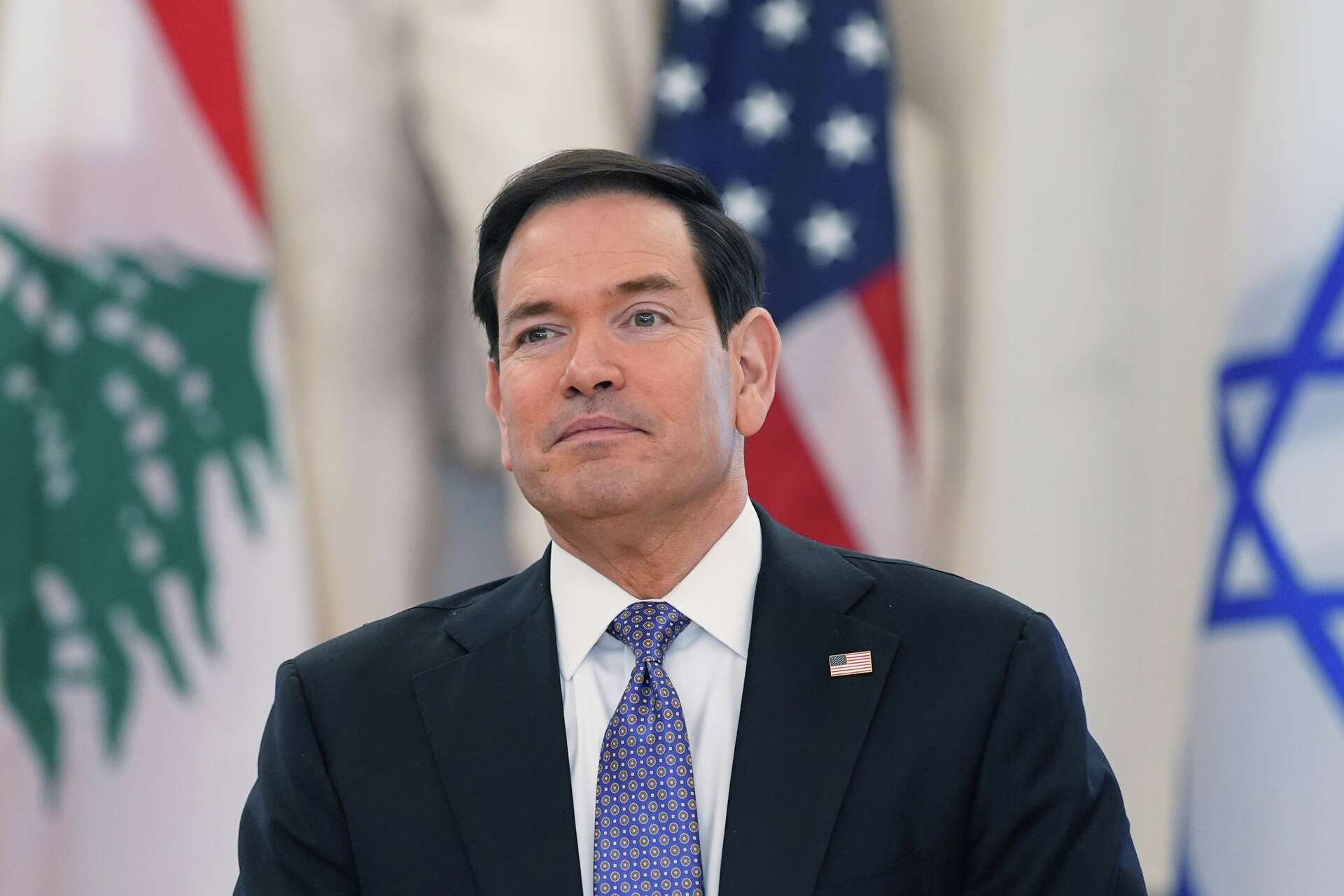
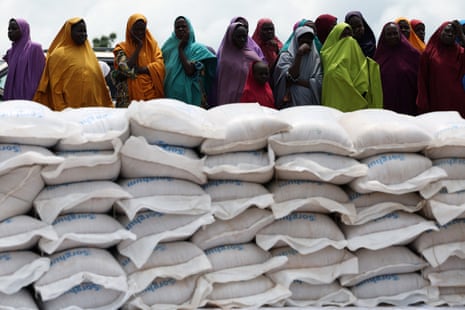
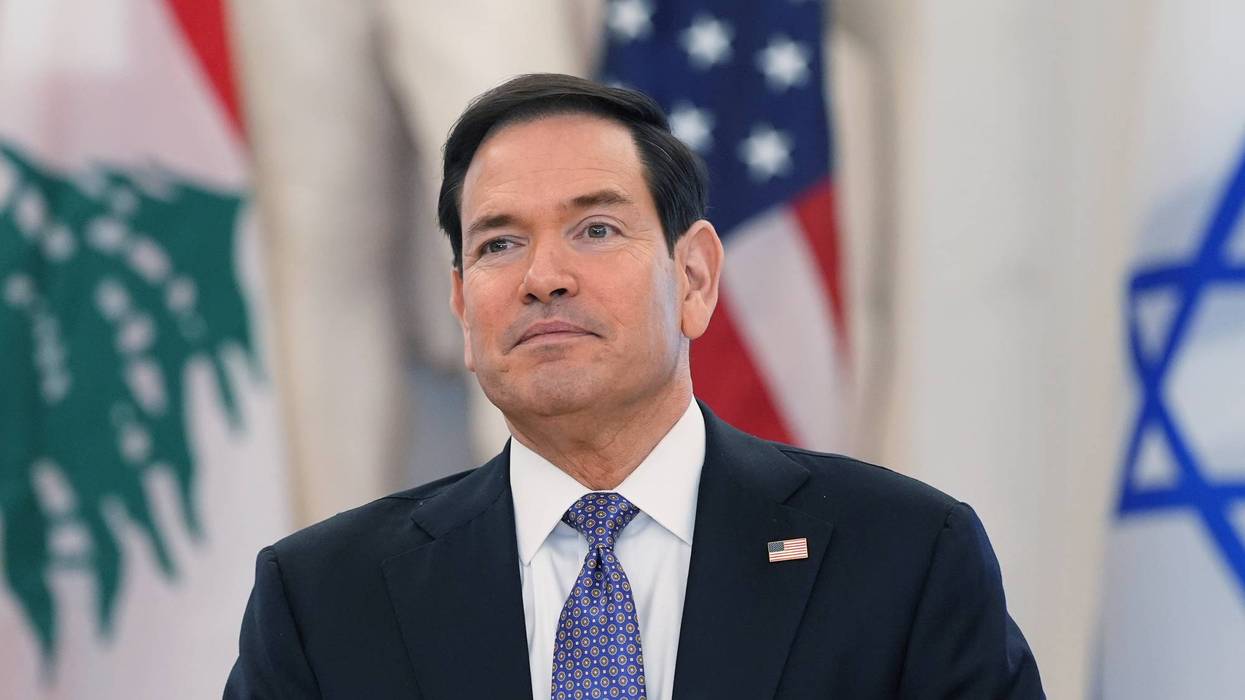
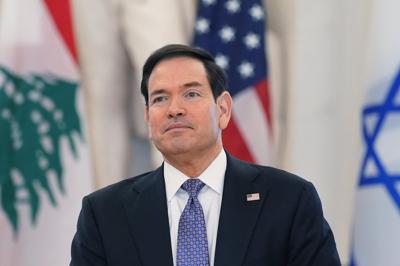
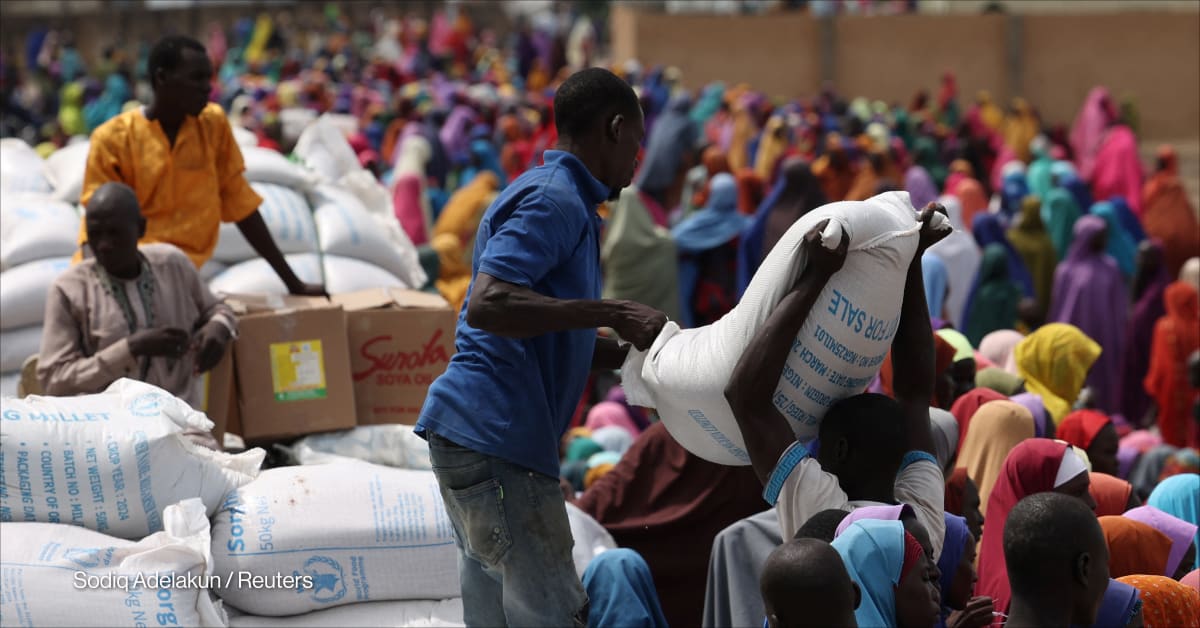
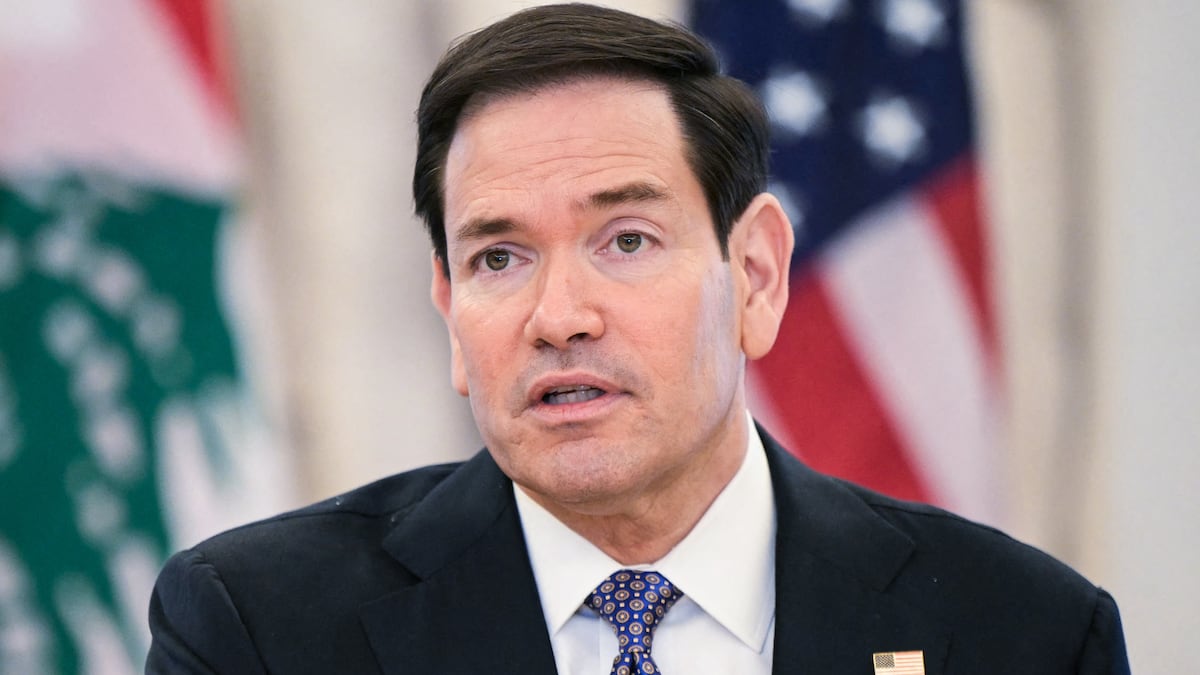
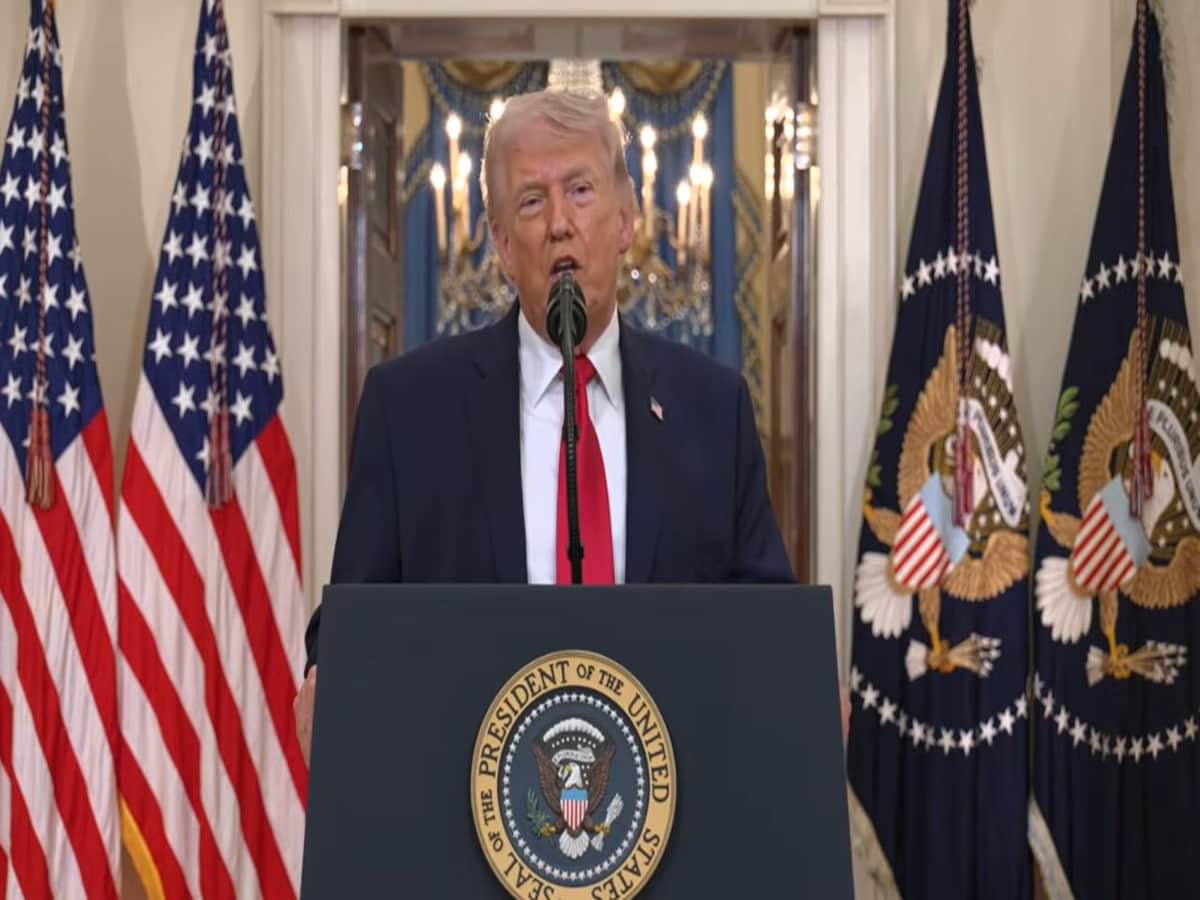
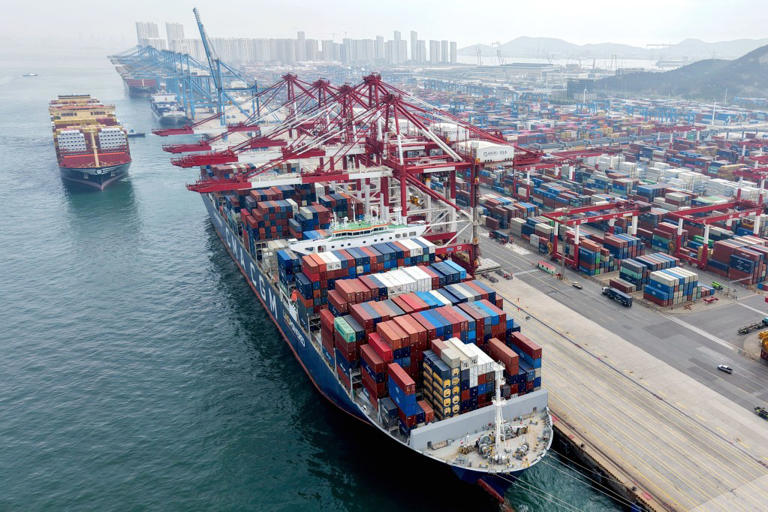
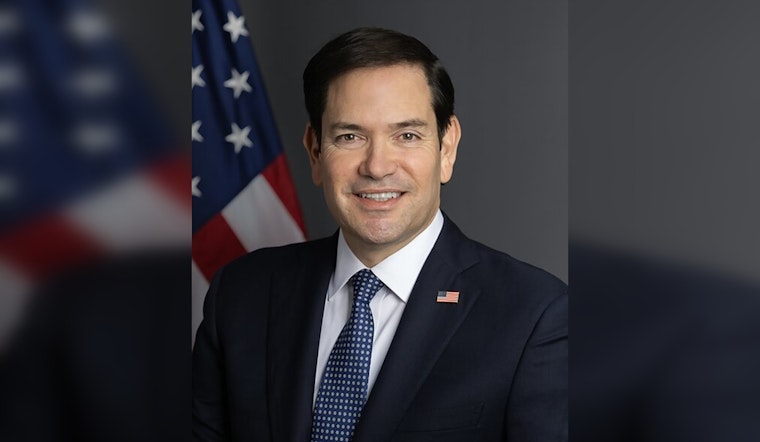
The Trump administration's "Trade Over Aid" initiative, formally launched via UN declaration by April 30, 2025, represents a fundamental restructuring of US foreign policy that directly impacts cross-border e-commerce sellers' market access strategies and tariff positioning. Secretary of State Marco Rubio's April 15 directive instructs US diplomats to secure signatory commitments from developing nations, with four explicit objectives: advancing pro-business reforms, facilitating government-private sector dialogue, highlighting free-market development countries, and brokering US business partnerships. This policy shift occurs amid unprecedented global aid reductions—26 of 34 OECD donor nations cut budgets in 2025, with combined cuts of $60B projected through 2026—creating a vacuum that private sector commerce is explicitly positioned to fill.
For cross-border sellers, this creates three distinct tariff arbitrage opportunities. First, signatory nations pursuing "pro-business reforms" will likely reduce tariff barriers on imported goods to attract private investment, particularly in logistics infrastructure, digital payment systems, and consumer technology categories. Sellers targeting Southeast Asia (Vietnam, Thailand, Indonesia), Sub-Saharan Africa (Kenya, Nigeria, Ghana), and South Asia (India, Bangladesh) should monitor tariff schedules for HS codes 8471 (computers), 8517 (telecom equipment), 8504 (power supplies), and 6204-6209 (apparel) where tariff reductions typically accompany business-friendly reforms. Second, the shift from aid-dependent to trade-dependent development models creates urgency for infrastructure investment—3PL providers, logistics software, and supply chain technology sellers face accelerated demand windows in emerging markets before competitors establish market positions. Third, reduced government purchasing power from aid cuts will compress consumer demand in some markets (projected 9.4-22.6M additional deaths by 2030 per Lancet study), requiring sellers to shift category focus from discretionary goods toward essential consumer products, health/wellness items, and value-tier merchandise.
Competitive dynamics shift decisively toward US-based sellers and those with established emerging market logistics networks. The policy explicitly frames partnerships as "America First" opportunities, signaling preferential treatment for US companies in government procurement and investment dialogues. Sellers with existing 3PL relationships in target markets (Vietnam, India, Mexico) gain 6-12 month first-mover advantages before Chinese competitors adapt sourcing strategies. However, sellers must navigate increased compliance complexity: pro-business reforms often include new regulatory frameworks for e-commerce, data localization, and cross-border payments. The formal UN signing by April 30, 2025 establishes a hard deadline for policy implementation—sellers should expect tariff schedule changes and regulatory updates within 60-90 days of signatory nation commitments. This creates a narrow 90-120 day window (May-August 2025) to establish market positions before tariff benefits are widely known and competition intensifies.
Questions 8
Which developing markets will see the biggest tariff reductions under Trade Over Aid?
Nations signing the UN declaration by April 30, 2025 are expected to implement pro-business reforms including tariff reductions, particularly in Southeast Asia (Vietnam, Thailand, Indonesia), Sub-Saharan Africa (Kenya, Nigeria, Ghana), and South Asia (India, Bangladesh). The policy explicitly targets countries pursuing 'free-market development,' signaling tariff cuts on imported goods in logistics, technology, and consumer goods categories. Sellers should prioritize HS codes 8471 (computers), 8517 (telecom), 8504 (power supplies), and 6204-6209 (apparel) where tariff reductions typically accompany business reforms. Monitor tariff schedules 60-90 days after each nation's formal commitment for specific rate changes.
What is the competitive advantage window before other sellers catch on to this opportunity?
The 90-120 day window from May-August 2025 represents the critical first-mover advantage period. Most sellers will only recognize tariff opportunities after formal tariff schedule updates are published (60-90 days post-commitment), creating a 30-60 day lag before mass market entry. Sellers who establish 3PL relationships, secure tariff reduction commitments, and finalize sourcing agreements by June 30, 2025 will capture 8-12 month competitive advantages before tariff benefits become widely known. After August 2025, expect rapid competitive saturation as larger sellers (Amazon, Walmart, eBay) establish emerging market operations. The window closes completely by Q4 2025 as tariff rates stabilize and market entry costs increase due to competition.