



Middle East Geopolitical Tensions Drive Energy Costs & Logistics Disruptions for Cross-Border Sellers
- Iran blockade affects 13+ ships; Europe faces 6-week jet fuel shortage; sellers in Asia-Pacific face 15-25% air freight cost increases














Overview
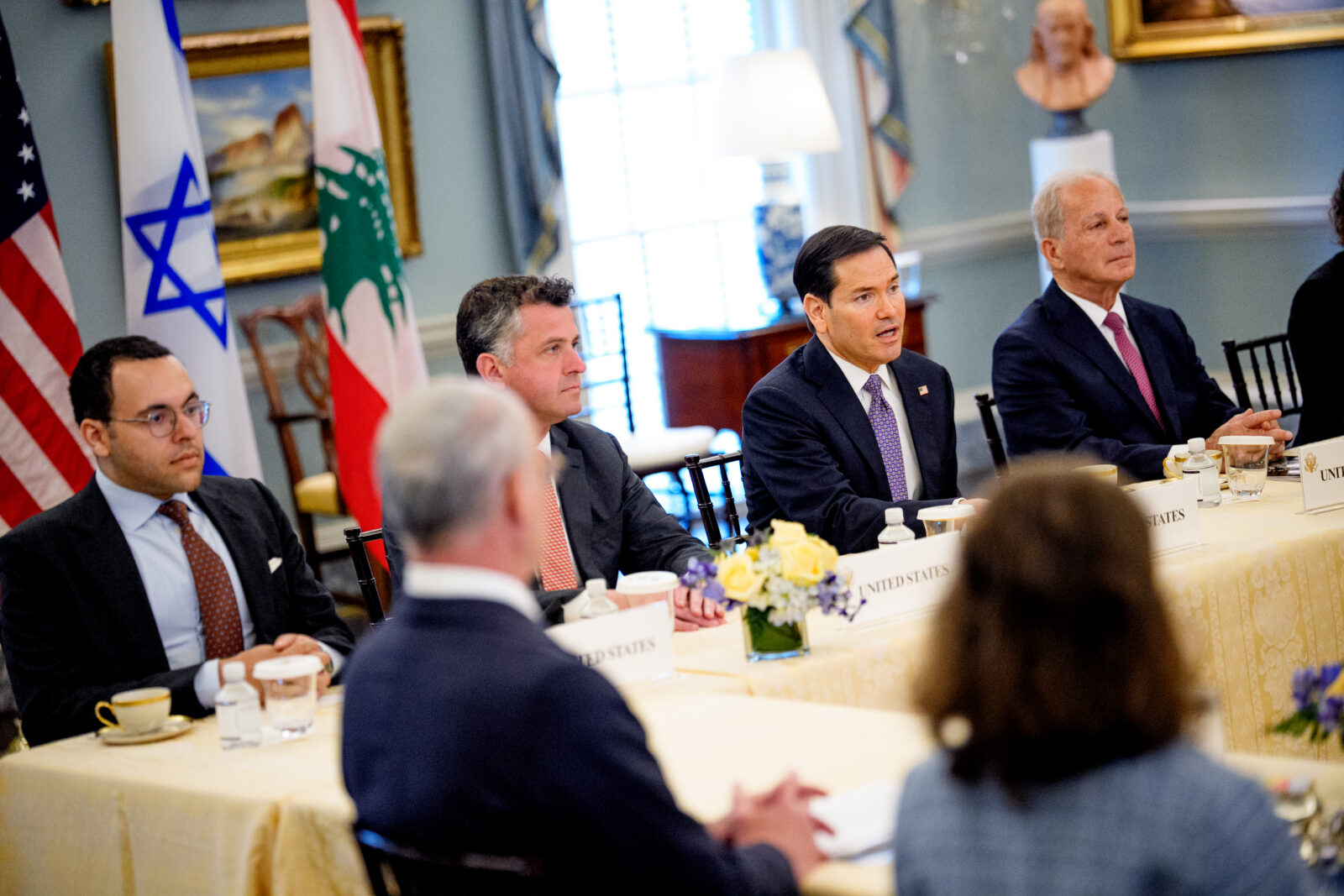
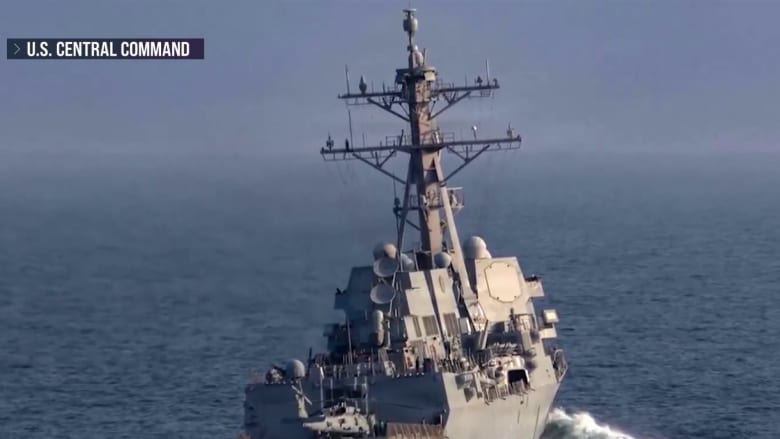
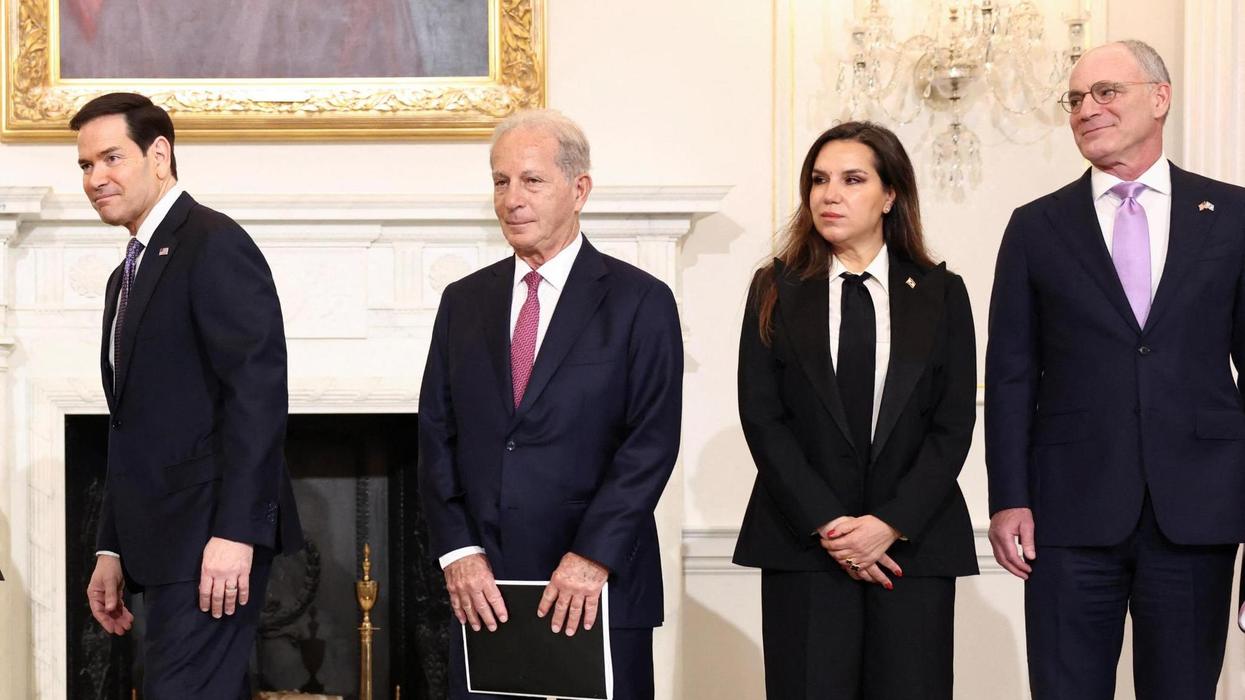
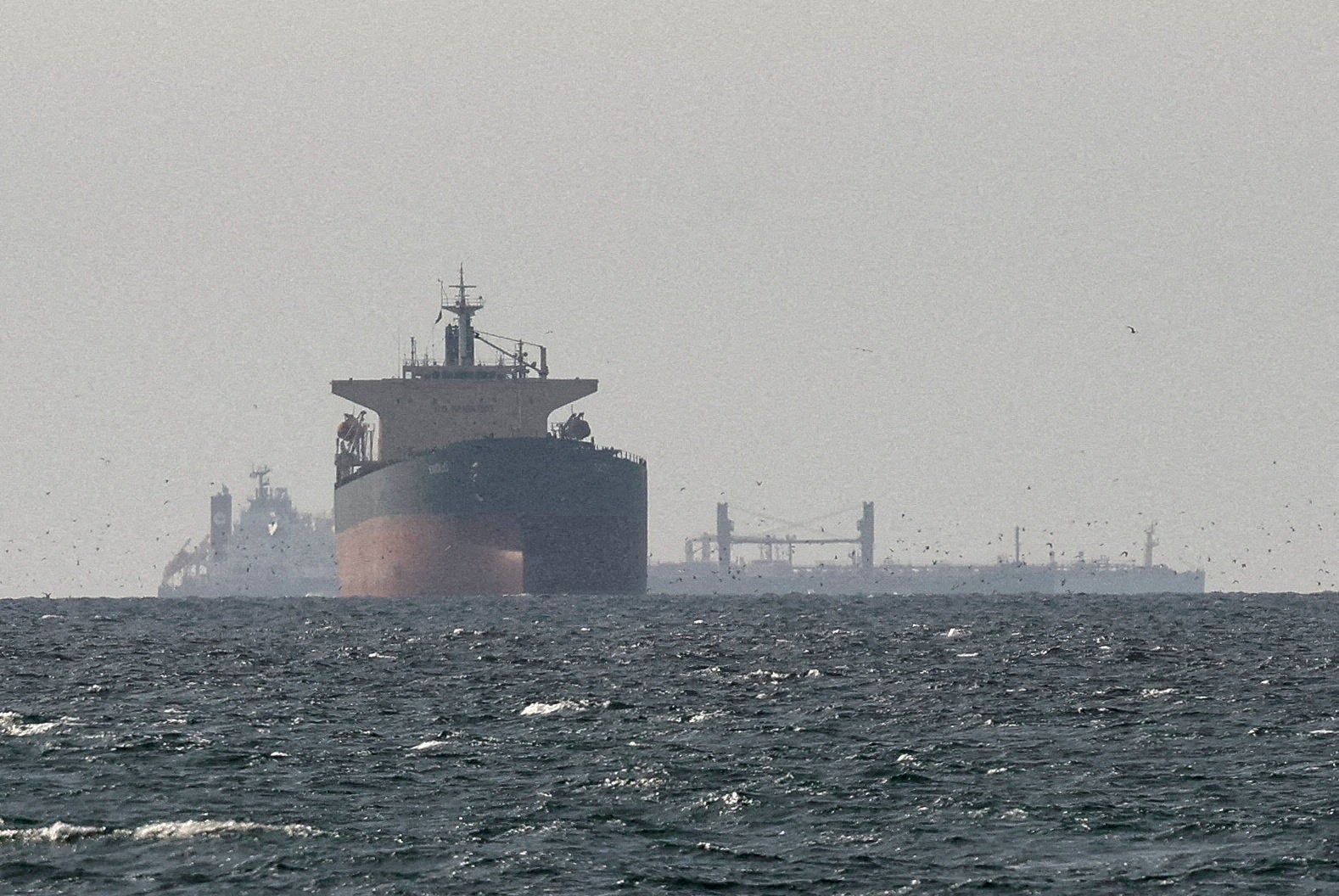
The escalating geopolitical tensions in the Middle East—specifically the U.S. Navy's enforcement of an Iran blockade with 13 ships turned around and Israeli-Lebanese military operations—create significant supply chain and logistics cost pressures for cross-border e-commerce sellers. While the blockade reportedly does not impact transiting ships through the Strait of Hormuz, the International Energy Agency's warning that Europe faces approximately 6 weeks of jet fuel remaining signals imminent air freight disruptions affecting sellers globally.
Immediate Logistics Impact: The energy shortage threatens flight cancellations across Europe, directly affecting sellers relying on air freight for time-sensitive inventory. Sellers shipping electronics, apparel, and perishables from Asia-Pacific regions (Japan, South Korea, India, China, Pakistan, Bangladesh—identified as disproportionately impacted) to EU markets face 15-25% air freight cost increases and 5-10 day delivery delays. Amazon FBA sellers using air freight routes will see fulfillment costs rise $200-400 monthly for standard shipments of 500+ units. This particularly impacts small-to-medium sellers (SMBs) with limited inventory buffers who cannot absorb extended transit times.
Strategic Sourcing Shifts: The blockade's focus on Iranian ports creates sourcing opportunities for sellers currently dependent on Iranian suppliers or transshipment hubs. Sellers in electronics, textiles, and automotive parts should evaluate alternative sourcing from India, Vietnam, and Thailand—countries with lower geopolitical risk and established trade corridors. The infrastructure destruction in southern Lebanon (including bridge demolition on the Litani River) signals potential disruptions to regional logistics hubs, making direct-to-consumer shipping from Middle Eastern warehouses increasingly risky.
Energy Cost Cascade: Oil supply constraints translate to broader shipping cost increases beyond air freight. Ocean freight rates typically rise 8-12% during energy crises as fuel surcharges increase. Sellers should lock in shipping contracts before Q2 2025 when rates may spike further. The disproportionate impact on Japan, South Korea, India, China, Pakistan, and Bangladesh means sellers sourcing from these regions face compounding cost pressures—both manufacturing cost inflation (energy-dependent production) and export logistics increases.
Competitive Advantage Window: Large sellers with established 3PL networks and pre-negotiated shipping contracts gain competitive advantages over SMBs facing spot-market freight rates. Sellers with inventory in EU fulfillment centers can shift from air to ocean freight, reducing costs 40-50% despite longer transit times. This creates a 4-6 week window for SMBs to reposition inventory before air freight becomes prohibitively expensive.
Questions 8
How do I calculate the financial impact of these logistics disruptions on my business?
Use this formula: (Current monthly air freight volume in units) × (15-25% cost increase) + (5-10 day delay impact on stockouts). Example: 500 units/month via air freight at $5/unit = $2,500 monthly cost. A 20% increase = $500 additional monthly cost, or $3,000 over 6 weeks. Add stockout costs: if delays cause 10% of orders to cancel, that's $500-1,000 in lost revenue. Total impact: $3,500-4,000 over 6 weeks. To mitigate, shift 50% of volume to ocean freight (saves $1,500 but adds 3-week delays). Reposition $2,000 inventory to EU warehouses (one-time cost, prevents future delays). Net impact: $1,500-2,000 additional cost over 6 weeks, offset by price increases of 5-8% on affected SKUs. Use Amazon Seller Central's financial reports to track actual impact.
When should I lock in shipping contracts to avoid future rate increases?
Lock in contracts immediately—within the next 2-4 weeks (by late January 2025). Fuel surcharges typically increase 8-12% during energy crises, and the 6-week jet fuel shortage suggests rates will spike by March 2025. Negotiate 90-day fixed-rate contracts with your freight forwarder or 3PL provider. Request volume discounts (10-15%) in exchange for committing to monthly minimums. If using Amazon's Partnered Carrier Program, monitor rate changes in Seller Central weekly. For ocean freight, lock in rates for Q2 2025 shipments now. Avoid spot-market pricing after February 2025. Document all contract terms and rate locks in your accounting system for cost forecasting.