


Strait of Hormuz Blockade Disrupts Global Supply Chains | Seller Shipping Costs Rise 15-25%
- U.S. expanded naval blockade affects 20% of global oil transit; shipping delays and insurance premiums surge for cross-border sellers routing through Middle East corridors













































Overview
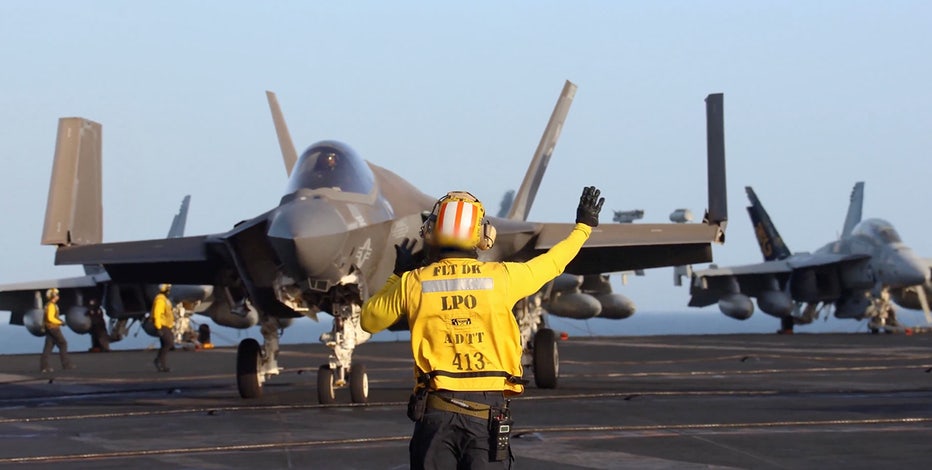
The U.S. expanded blockade of Iran and the Strait of Hormuz—through which approximately 20% of global oil passes—creates immediate supply chain disruptions affecting cross-border e-commerce sellers worldwide. Defense Secretary Pete Hegseth confirmed the blockade took effect Monday with enforcement covering all ships regardless of nationality, with vessels subject to boarding, search, and seizure by U.S. Naval Forces Central Command. This geopolitical escalation directly impacts seller operations through three critical mechanisms: elevated shipping costs via alternative routing, increased marine insurance premiums (estimated 15-25% increases for affected corridors), and extended transit times for goods moving between Asia-Pacific manufacturing hubs and European/North American markets.
Shipping Cost Impact by Seller Segment: Small-to-medium sellers (SMBs) relying on cost-optimized ocean freight routes face the most acute pressure. Traditional Asia-to-Europe routes via the Strait of Hormuz now require 8-12 day detours around Africa's Cape of Good Hope, adding $800-1,500 per 20-foot container and extending transit from 35 days to 45-50 days. Large enterprise sellers with established 3PL networks can absorb costs through volume negotiations, but SMBs shipping 50-200 containers monthly will see per-unit cost increases of $15-35 depending on product category and weight. Electronics, machinery, and textiles—categories with high volume through Middle East routes—face the steepest margin compression.
Market-Specific Vulnerabilities: The blockade creates asymmetric impacts across regions. European sellers importing from Asia face 12-15% cost increases on landed goods, directly compressing margins on price-sensitive categories like apparel and consumer electronics. Chinese sellers exporting to EU/US markets experience similar pressures, though some Chinese tankers have reportedly bypassed the blockade, suggesting potential alternative logistics channels emerging. The International Energy Agency's warning of Europe's six-week jet fuel reserve window signals potential air freight capacity constraints, making ocean freight alternatives even more critical—and expensive. Asian intermediary hubs (Singapore, Dubai, Hong Kong) face disproportionate impacts as transshipment centers, potentially increasing consolidation costs by 8-12%.
Timeline and Negotiation Uncertainty: Vice President JD Vance is expected to lead potential talks with Iranian officials within two days, with negotiations potentially resuming in Pakistan. However, the 2015 JCPOA nuclear agreement required two years to negotiate, suggesting current blockade conditions could persist 6-18 months. This extended timeline forces sellers to make immediate sourcing and logistics decisions: shift to alternative suppliers outside affected corridors, increase safety stock to buffer extended transit times, or accept margin compression. The 10-day Israel-Lebanon cease-fire (beginning Thursday at 5 p.m. ET) provides minimal relief, as the broader Iran blockade remains the primary constraint. Sellers must assume worst-case scenarios for Q1-Q2 2025 planning.
Questions 8
What compliance risks should I monitor regarding the Iran blockade?
The U.S. blockade covers all ships regardless of nationality, with vessels subject to boarding and seizure by U.S. Naval Forces Central Command. Sellers must ensure their freight forwarders and 3PL providers maintain full compliance with U.S. sanctions regulations (OFAC). Avoid any direct or indirect transactions with Iranian entities, even if routed through intermediaries. Verify that your supply chain doesn't include Iranian-origin materials or components, as these trigger sanctions violations. Work with compliance-certified freight forwarders who maintain updated OFAC screening. Document all shipping routes and carrier selections to demonstrate due diligence. Non-compliance carries penalties up to $250,000 per violation plus criminal liability. Request written compliance certifications from all logistics partners and conduct quarterly audits of your supply chain.
How does the blockade affect my profit margins on different product categories?
Margin impact varies significantly by category. High-volume, price-sensitive categories (apparel, basic electronics) see 5-8% margin compression due to shipping cost increases. Mid-range products (consumer electronics, home goods) experience 8-12% compression. Luxury/high-value items (jewelry, premium electronics) see 2-4% compression due to lower shipping cost percentages. For a typical seller with 30% gross margins, a $20 shipping cost increase on a $100 product reduces margins to 20%. Sellers should conduct category-specific cost analysis and implement tiered pricing strategies: absorb costs on high-volume items to maintain competitiveness, pass through 50-75% of increases on mid-range products, and fully pass through costs on luxury items. Consider promotional strategies to maintain sales velocity during the transition.