




Atlantic Ocean Current Collapse Risk Surges to 50% | Supply Chain & Climate Risk Alert for Cross-Border Sellers
- AMOC slowdown accelerates from 5% to 50% collapse probability by mid-century; 15% documented decline since 1950 threatens European logistics hubs, food supply chains, and Atlantic shipping routes critical to e-commerce fulfillment
















Overview
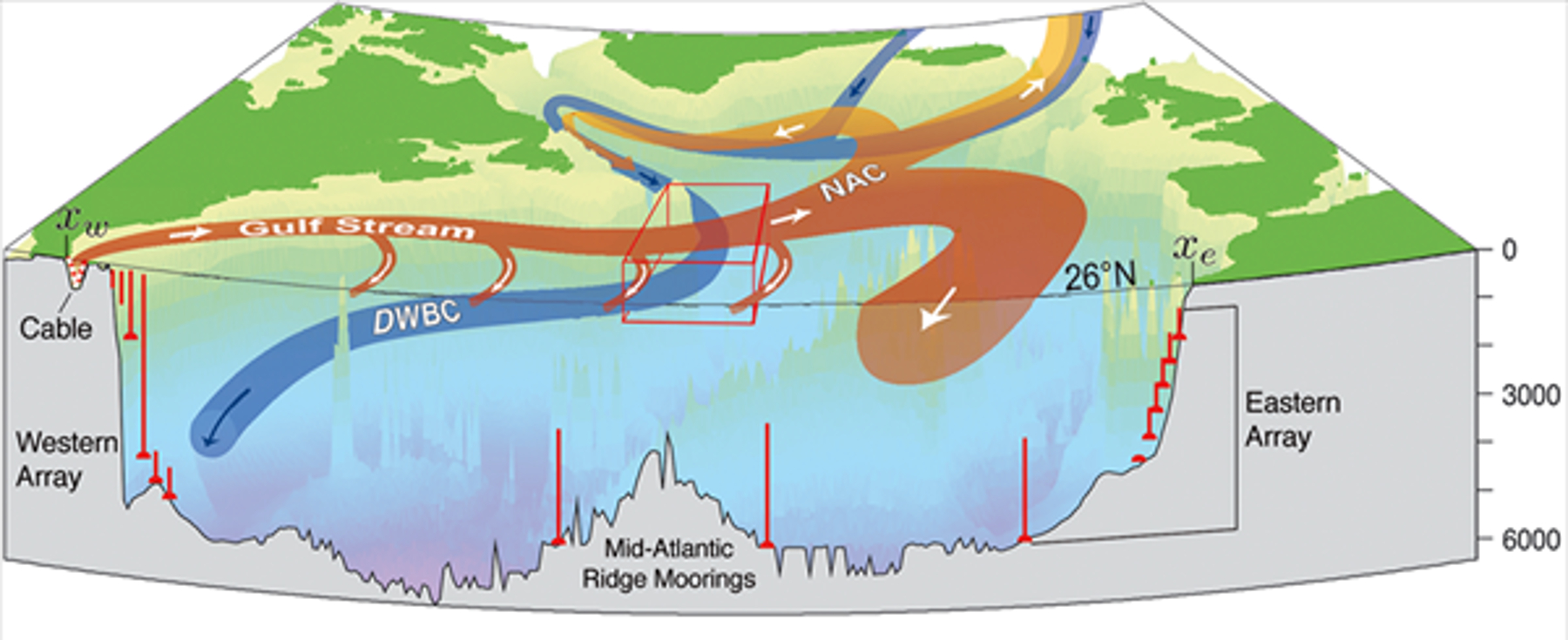
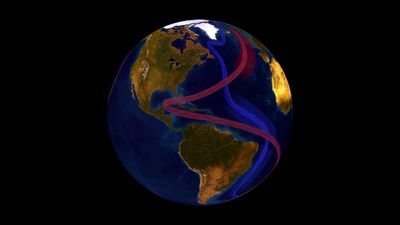
Recent climate research published in Science Advances (April 2026) reveals that the Atlantic Meridional Overturning Circulation (AMOC), the ocean current system regulating European climate and Atlantic shipping conditions, faces dramatically elevated collapse risk. Dr. Valentin Portmann's research team and Prof. Stefan Rahmstorf's analysis indicate collapse probability has increased from approximately 5% to over 50%, with potential shutdown occurring mid-century. The RAPID-MOCHA monitoring array documents a 15% AMOC slowdown since 1950, with measurements from four Atlantic latitudes confirming weakening signals across the basin. This climate shift carries significant indirect implications for cross-border e-commerce sellers operating Atlantic trade routes and European fulfillment networks.
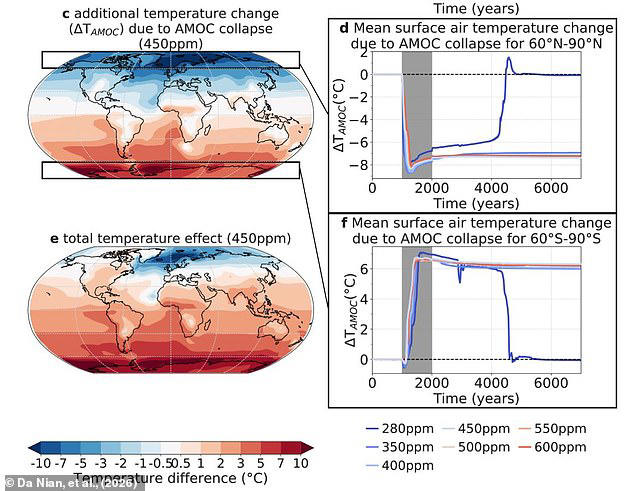
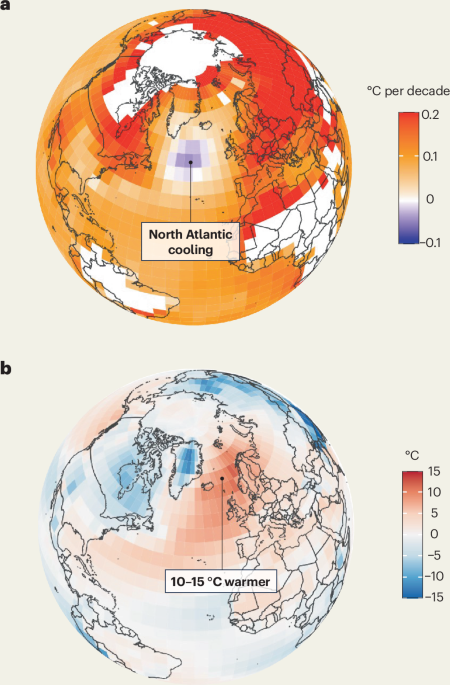
For sellers managing transatlantic logistics, this research signals emerging supply chain vulnerabilities. The AMOC's weakening stems from Arctic warming reducing water density and ocean cooling efficiency—a feedback loop that accelerates circulation decline. A complete AMOC collapse would trigger catastrophic consequences: shifting tropical rainfall patterns affecting agricultural production for millions, extreme cold winters and droughts in Western Europe, and Atlantic sea level rises of 50-100cm. These climate impacts directly threaten European agricultural suppliers (food/beverage category sellers), port infrastructure in UK/France/Germany, and seasonal shipping patterns that e-commerce logistics depend upon. Sellers sourcing perishables, agricultural products, or specialty foods from European suppliers face long-term supply chain disruption risks. Additionally, Atlantic sea level rise of 50-100cm would require port infrastructure upgrades affecting shipping costs and delivery timelines to European fulfillment centers.
Strategic implications for sellers span three timeframes. Short-term (2025-2030): Monitor European port infrastructure investments and shipping route reliability; consider diversifying fulfillment networks away from Atlantic-dependent hubs. Medium-term (2030-2050): Evaluate supply chain resilience for European-sourced products, particularly agricultural/food categories vulnerable to rainfall pattern shifts. Long-term (2050+): Climate-driven market shifts may reduce European consumer purchasing power in affected regions, requiring demand forecasting adjustments. Sellers should track AMOC monitoring data through RAPID-MOCHA updates and European climate policy responses, as regulatory frameworks addressing climate resilience may impose new compliance requirements on Atlantic shipping and European fulfillment operations.
Questions 8
Should sellers hedge against Atlantic logistics costs through pricing or inventory changes?
Both strategies are necessary. Pricing hedging: increase European product prices 8-12% now to build margin buffer before logistics costs rise 15-25% in 5-10 years. Inventory hedging: reduce Atlantic-dependent inventory 20-30% and reallocate to Asia-Pacific and Americas networks. Financial hedging: lock in 3PL rates for 2-3 year contracts before climate adaptation infrastructure costs increase. Monitor Amazon FBA fee announcements quarterly—European storage and fulfillment fees will likely increase 10-15% within 24 months as ports invest in climate resilience. Sellers with 60%+ European exposure face highest margin compression risk; diversification is critical for profitability maintenance.
Should sellers shift fulfillment away from European hubs due to AMOC risks?
Strategic diversification is prudent but not immediate. Europe remains the world's second-largest e-commerce market ($600B+ annually), so complete hub abandonment is economically inefficient. Instead, implement phased approach: maintain primary European fulfillment for 2025-2030, develop secondary hubs in climate-resilient regions (North America, Asia-Pacific), and establish backup suppliers for AMOC-vulnerable categories. Monitor RAPID-MOCHA data and European port infrastructure investments to trigger accelerated diversification if collapse indicators worsen. This balanced approach protects market access while reducing climate-related supply chain concentration risk.