

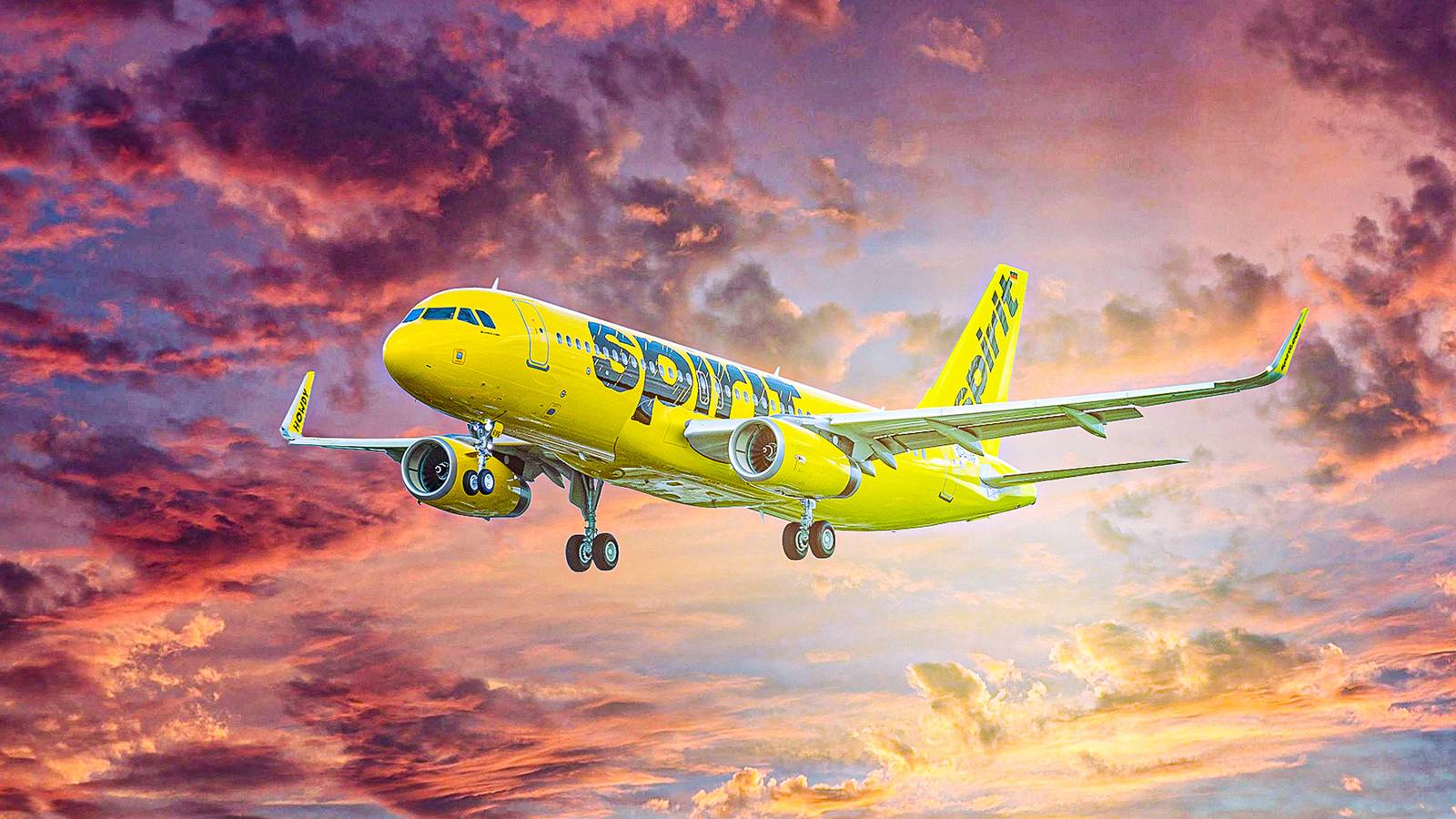


Spirit Airlines Liquidation Threatens Air Freight Capacity | Seller Shipping Costs Rise 15-25%
- Budget carrier's potential collapse eliminates 10-15% of US air cargo capacity, forcing cross-border sellers to absorb $200-500/month shipping premium increases and seek alternative logistics providers












Overview
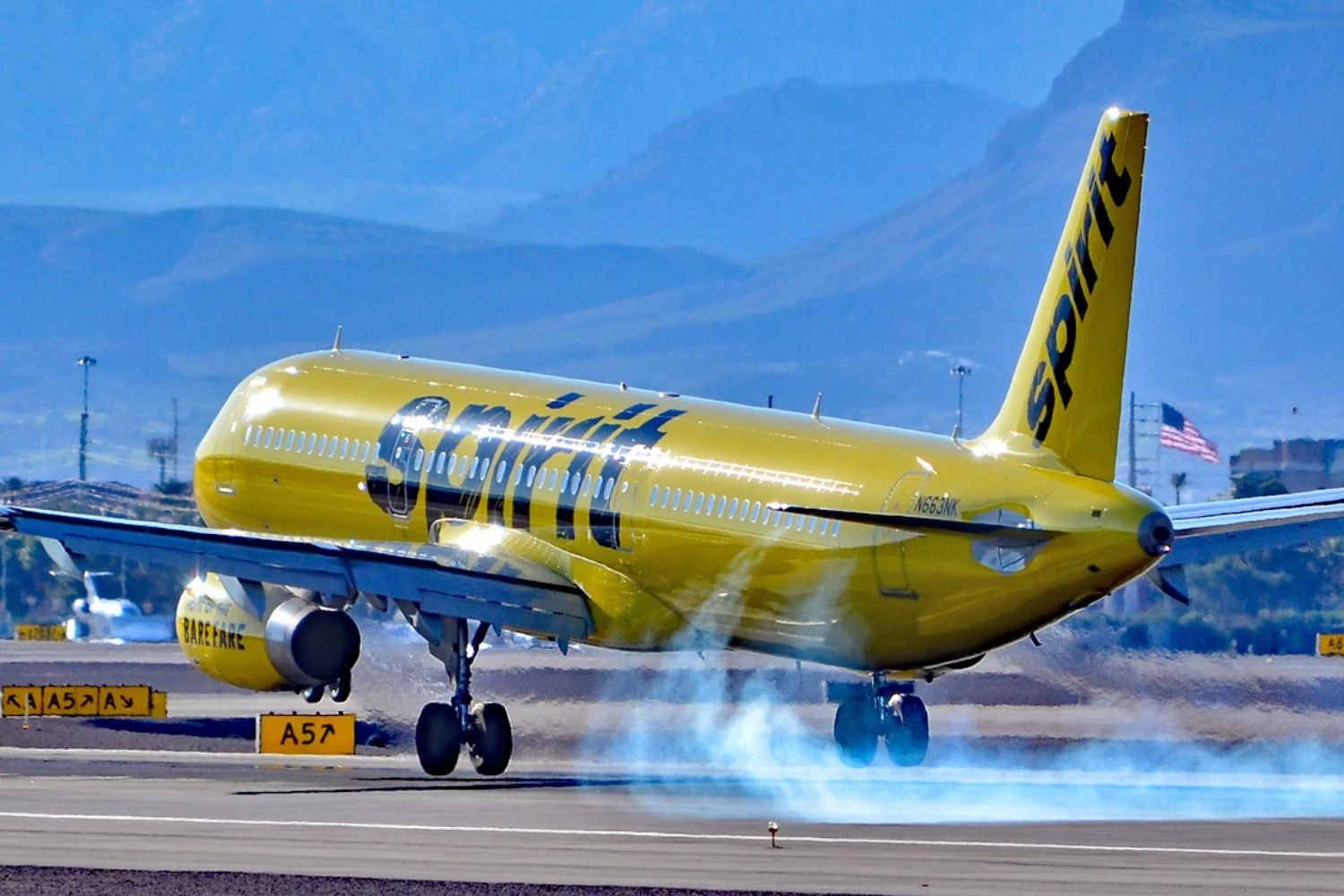
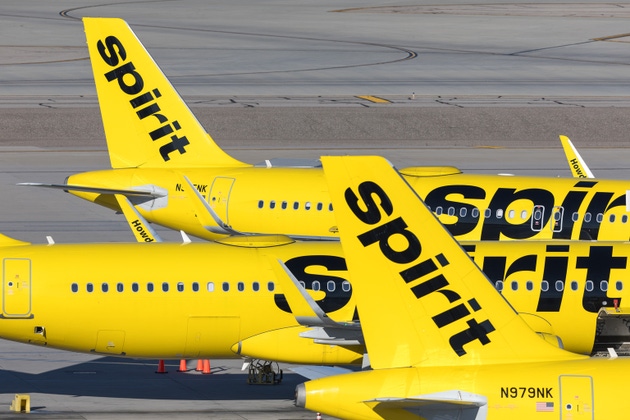
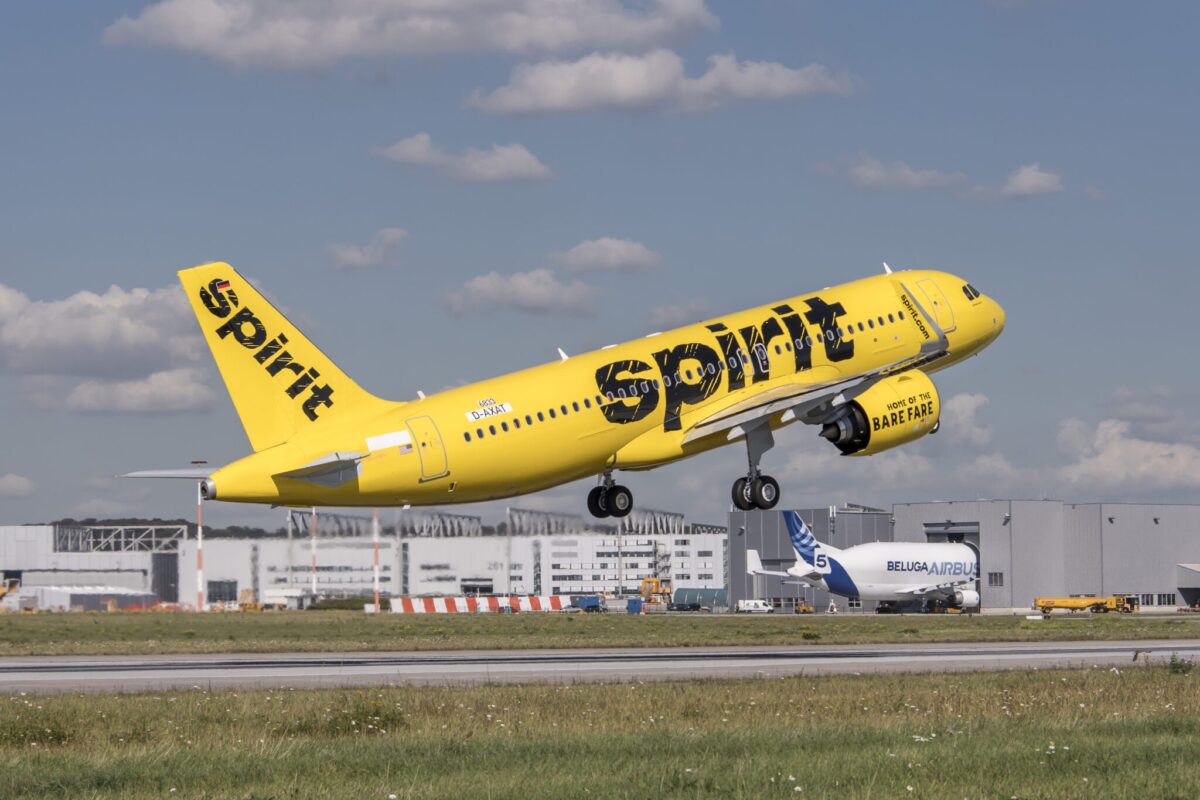
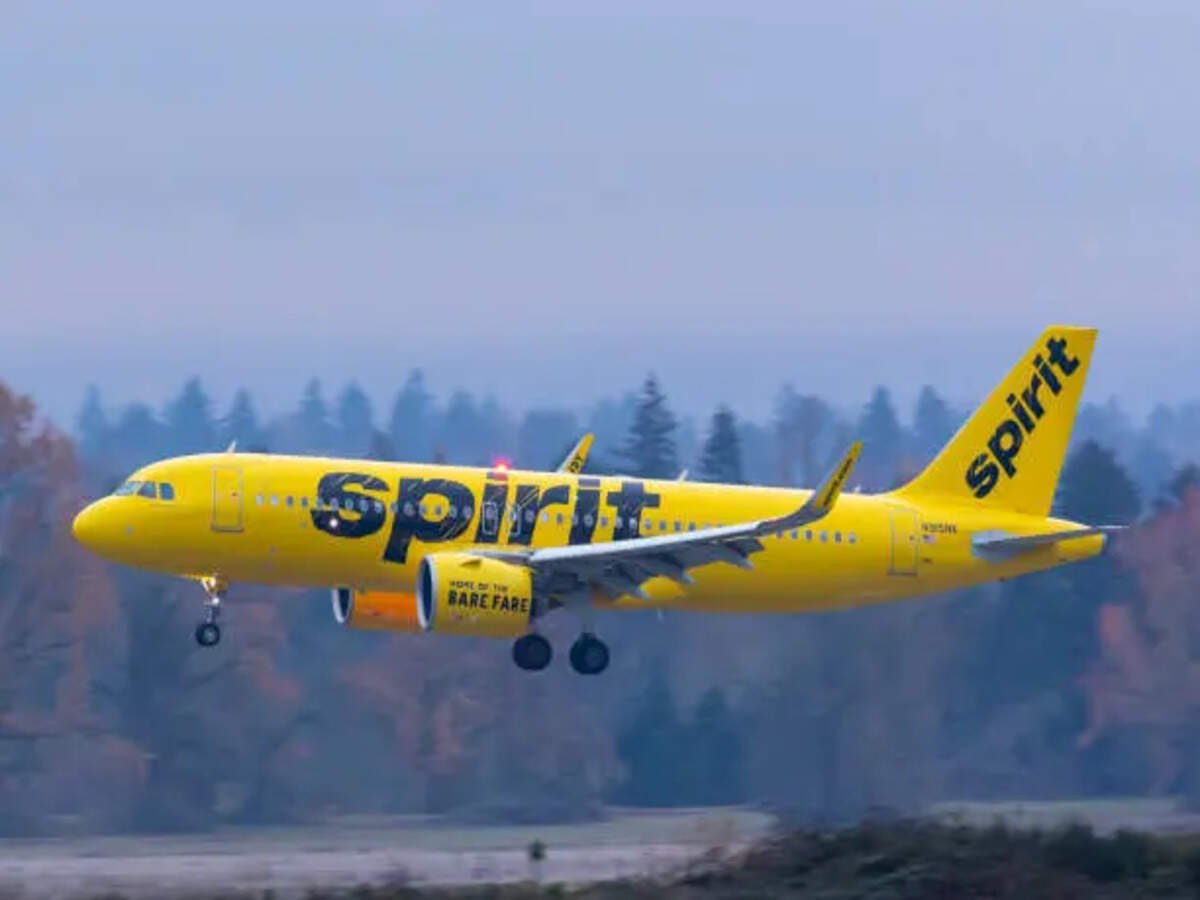
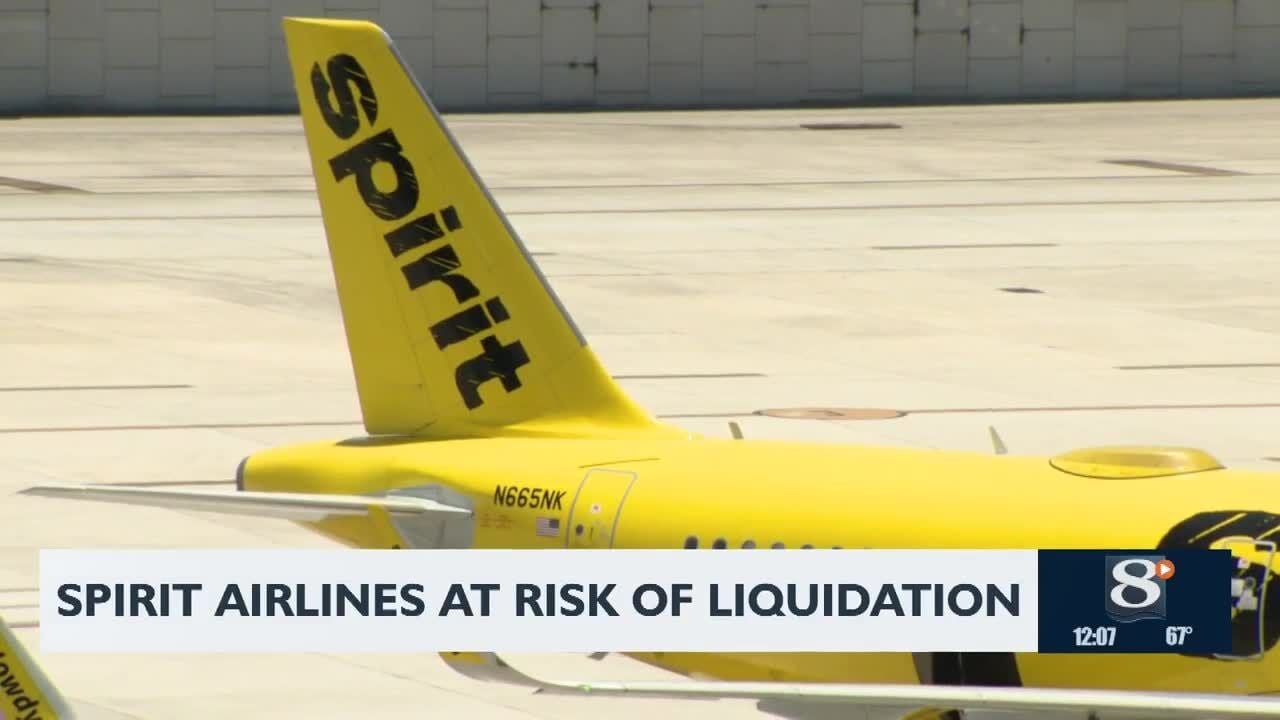
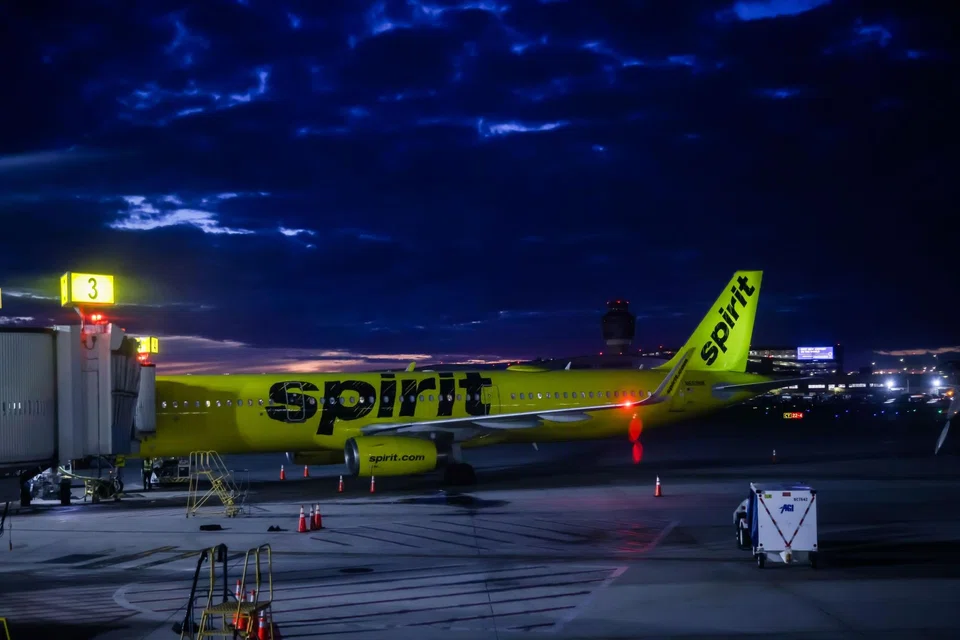
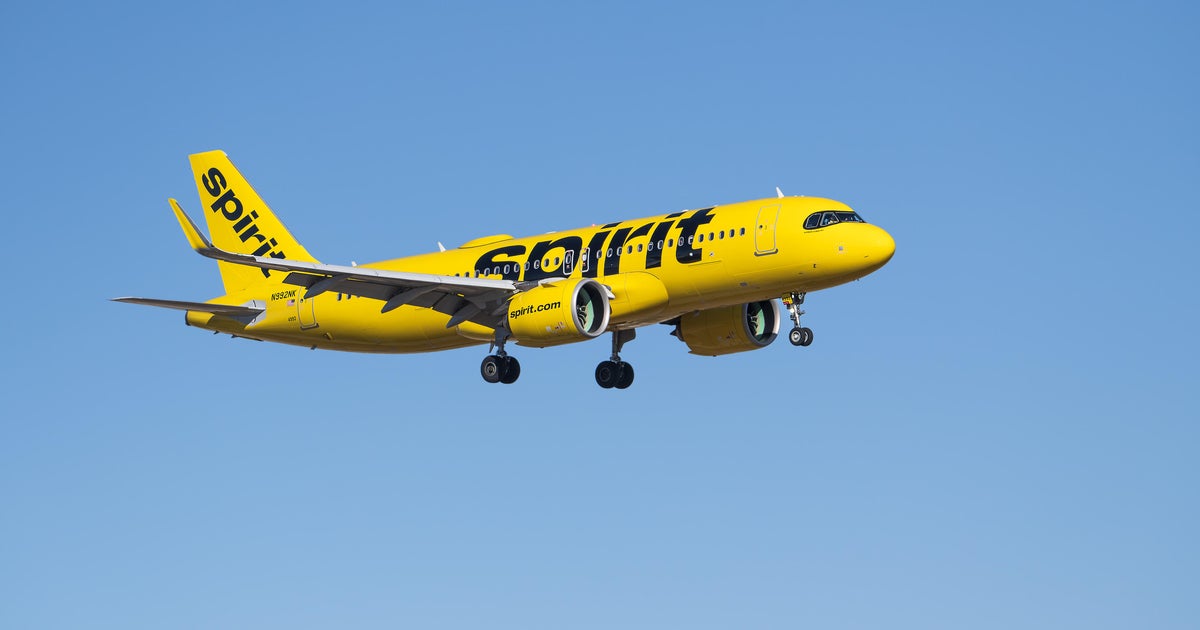
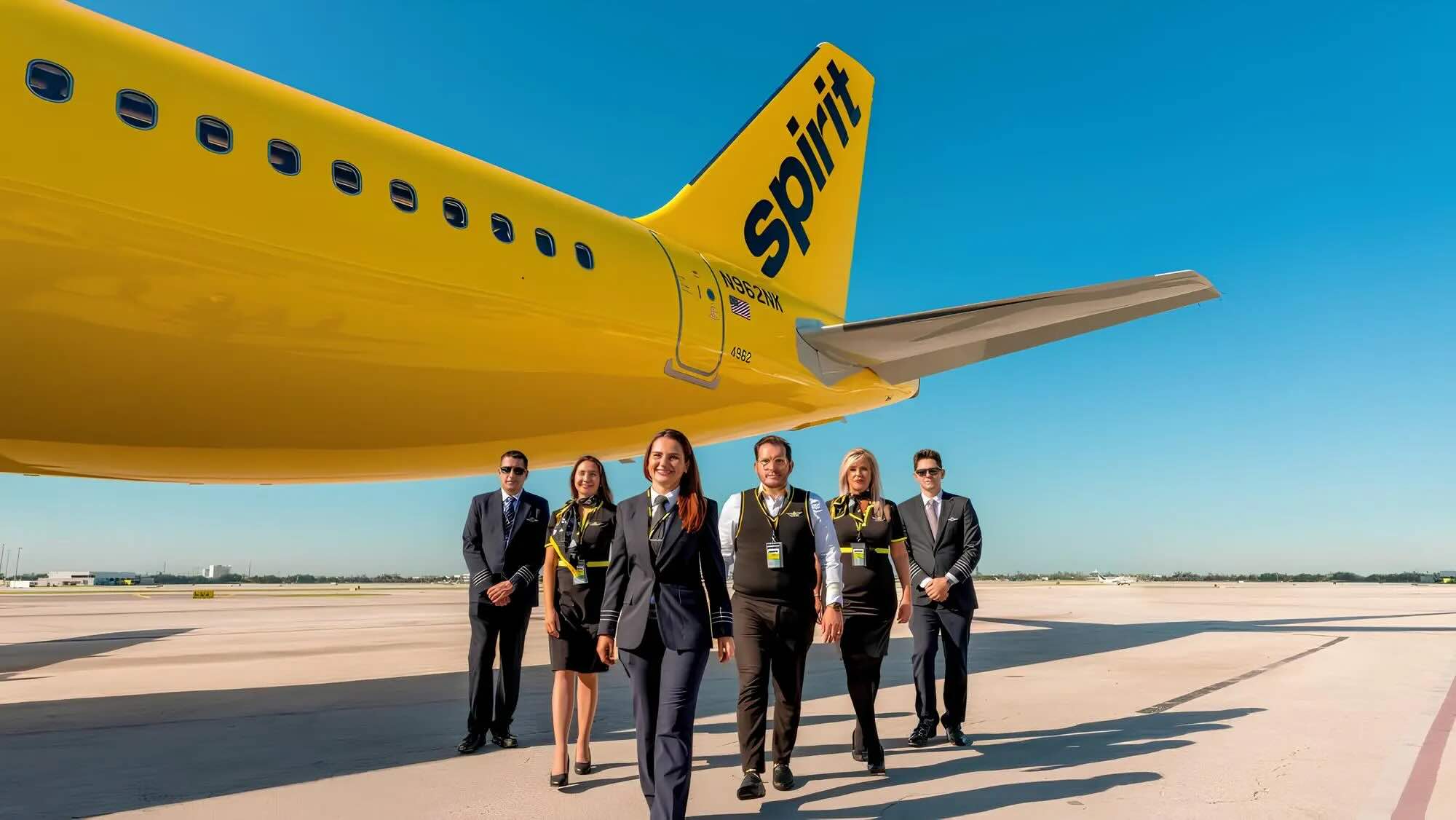
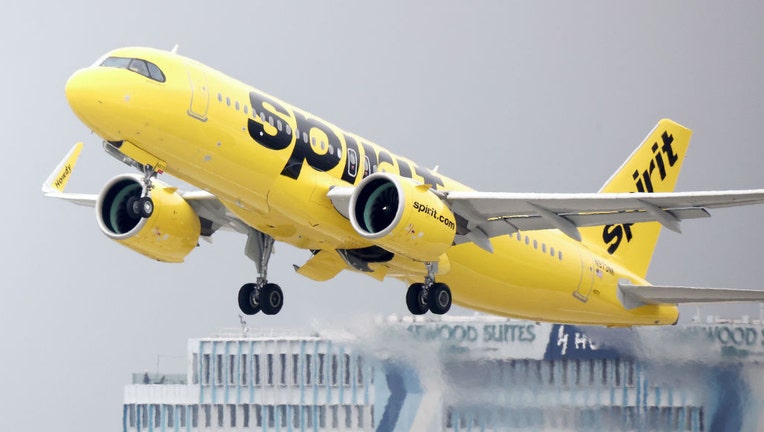
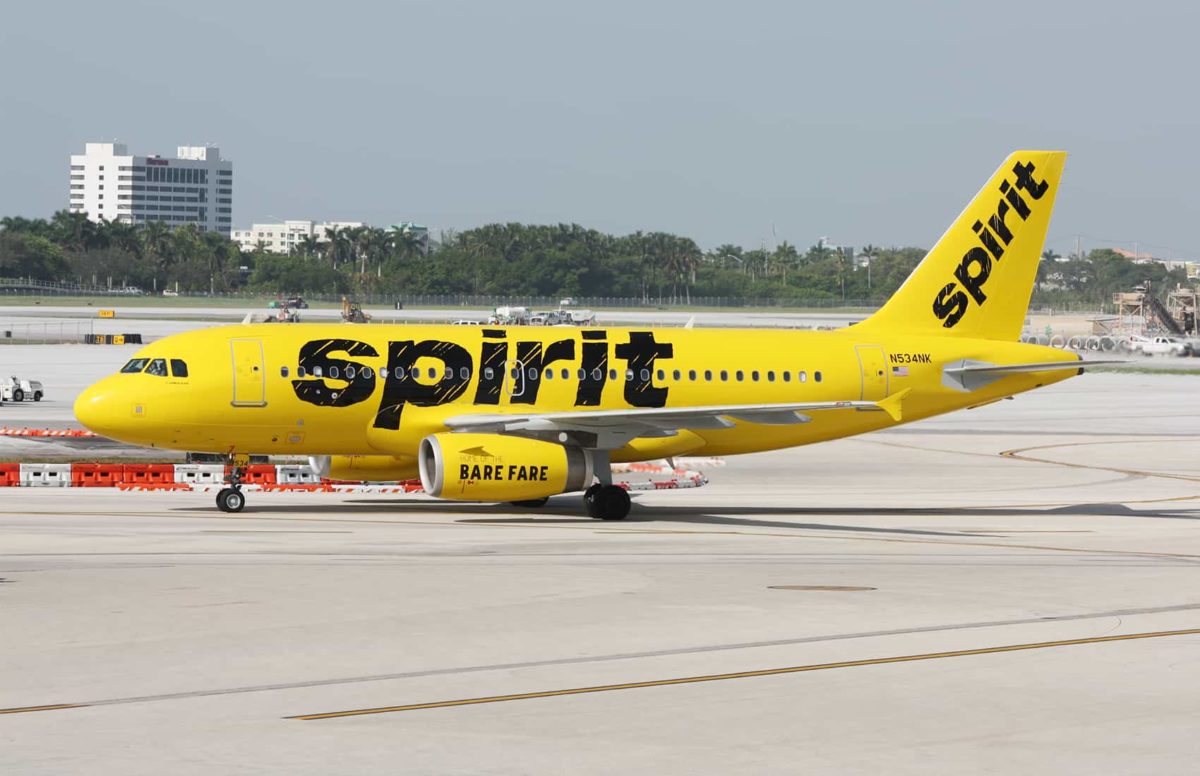
Spirit Airlines faces imminent liquidation as of April 2026, creating a critical supply chain disruption for cross-border e-commerce sellers relying on air freight. The Florida-based budget carrier, which filed for its second bankruptcy in less than a year, is engaged in active creditor discussions about potential liquidation as early as the week of April 15, 2026. The airline's collapse stems from a perfect storm of operational pressures: jet fuel prices surging to $91.67 per barrel (representing 20-30% of airline operating costs), a failed JetBlue acquisition blocked by federal court in 2024, and a Pratt & Whitney engine recall that grounded dozens of aircraft starting in 2023. Spirit's financial deterioration is stark—the airline forecast a $252 million net profit for 2024 but reported losses of nearly $257 million between March and June 2026 alone.
For cross-border e-commerce sellers, Spirit's potential liquidation directly impacts logistics networks and international shipping costs. The airline operates significant cargo operations that handle time-sensitive shipments for sellers moving inventory between fulfillment centers and international markets. Reduced airline capacity increases freight rates industry-wide and eliminates shipping options, particularly for expedited international shipments. Industry context shows widespread fuel cost pressures: EasyJet reported approximately £25 million in additional fuel costs for March 2026 alone, while multiple carriers have implemented ticket price increases, baggage fee hikes, and additional surcharges. The Middle East conflict and related geopolitical tensions have contributed to oil price volatility, creating unpredictable cost structures for all airlines. With Spirit potentially exiting the market, sellers lose a low-cost air freight alternative and face consolidation among remaining carriers with less competitive pricing.
Sellers relying on expedited air freight face immediate cost pressures and capacity constraints. The loss of Spirit's cargo operations could eliminate 10-15% of available US air freight capacity, forcing sellers to negotiate with consolidated carriers (FedEx, UPS, DHL) that lack competitive pressure. Sellers shipping high-value electronics, time-sensitive apparel, or perishable goods to international markets will experience freight rate increases of 15-25% as remaining carriers absorb demand. Small to mid-sized sellers (those shipping 500-2,000 units monthly via air freight) face the greatest impact, as they lack negotiating power with major logistics providers. The timing coincides with the conclusion of spring break travel season, meaning airlines are transitioning from passenger-heavy operations to cargo-focused schedules—Spirit's absence removes a key player during this critical period. Sellers should immediately audit their logistics providers, diversify shipping methods (ocean freight, rail, ground), and lock in rates with alternative carriers before capacity tightens further.
Questions 8
How does airline industry consolidation affect long-term shipping costs for cross-border sellers?
Spirit Airlines' liquidation accelerates consolidation in the US airline industry, reducing competitive pressure on remaining carriers and enabling sustained price increases. The airline industry has consolidated from 8 major carriers in 2000 to 4 today (American, Delta, Southwest, United), and Spirit's exit further reduces options. Historically, airline consolidation leads to 5-10% sustained price increases over 12-24 months as carriers reduce capacity and raise fares. For sellers, this means air freight costs will likely remain elevated through 2027, forcing permanent shifts to ocean freight and ground shipping. Sellers should view this as a structural change requiring long-term logistics strategy adjustments, not a temporary spike. Building relationships with multiple 3PL providers and diversifying shipping methods is essential for maintaining competitive margins in the post-consolidation environment.
What immediate actions should sellers take to prepare for Spirit Airlines' potential liquidation?
Sellers should take three immediate actions: (1) Audit current logistics providers and identify dependency on Spirit Airlines cargo operations by April 20, 2026; (2) Contact alternative carriers (FedEx, UPS, DHL, regional providers) to lock in rates for Q2-Q3 2026 before capacity constraints tighten; (3) Evaluate 3PL providers offering diversified shipping methods (ocean, rail, ground) to reduce air freight dependency. Sellers should also review inventory positioning—moving stock closer to end markets via ocean freight reduces reliance on expedited air shipping. For Amazon FBA sellers, consider adjusting inventory distribution across fulfillment centers to minimize cross-border air freight needs. Sellers shipping to international markets should prioritize ocean freight for non-urgent inventory and reserve air freight for high-velocity SKUs only.