


TSMC AI Chip Dominance Reshapes E-Commerce Tech Supply | 61% Revenue from AI, Smartphone Chips Face 11% Decline
- TSMC's 58% profit surge driven by AI chip demand creates supply constraints for consumer electronics sellers; smartphone revenue drops 11% as foundry prioritizes high-margin AI processors for Nvidia over Apple
















/AI%20(artificial%20intelligence)/AI%20technology%20concept%20by%20NMStudio789%20via%20Shutterstock.jpg)


Overview
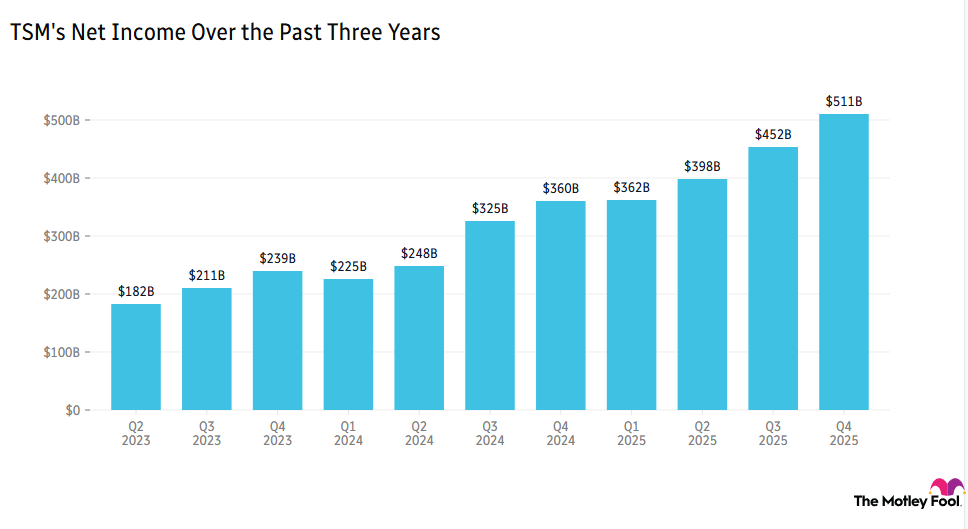
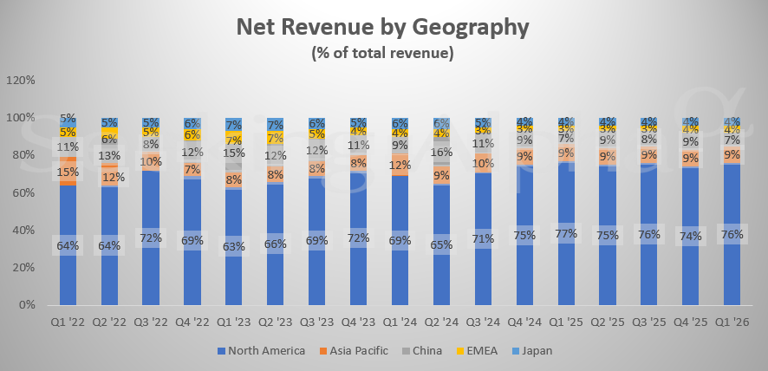
TSMC's fundamental shift toward AI chip manufacturing represents a critical supply chain realignment for cross-border e-commerce sellers. On April 16, 2026, Taiwan Semiconductor Manufacturing Company reported record Q1 2026 results with earnings of $3.49 per share on $35.9 billion revenue—58.3% earnings growth and 35.1% sales growth year-over-year. However, the composition of this growth reveals a seismic industry shift: high-performance computing chips (primarily AI applications) generated 61% of Q1 revenue, while smartphone chips contributed only 26%. Most critically, smartphone revenue fell 11% quarter-over-quarter due to ongoing memory shortages, signaling TSMC's deliberate capacity reallocation away from consumer electronics toward AI infrastructure.
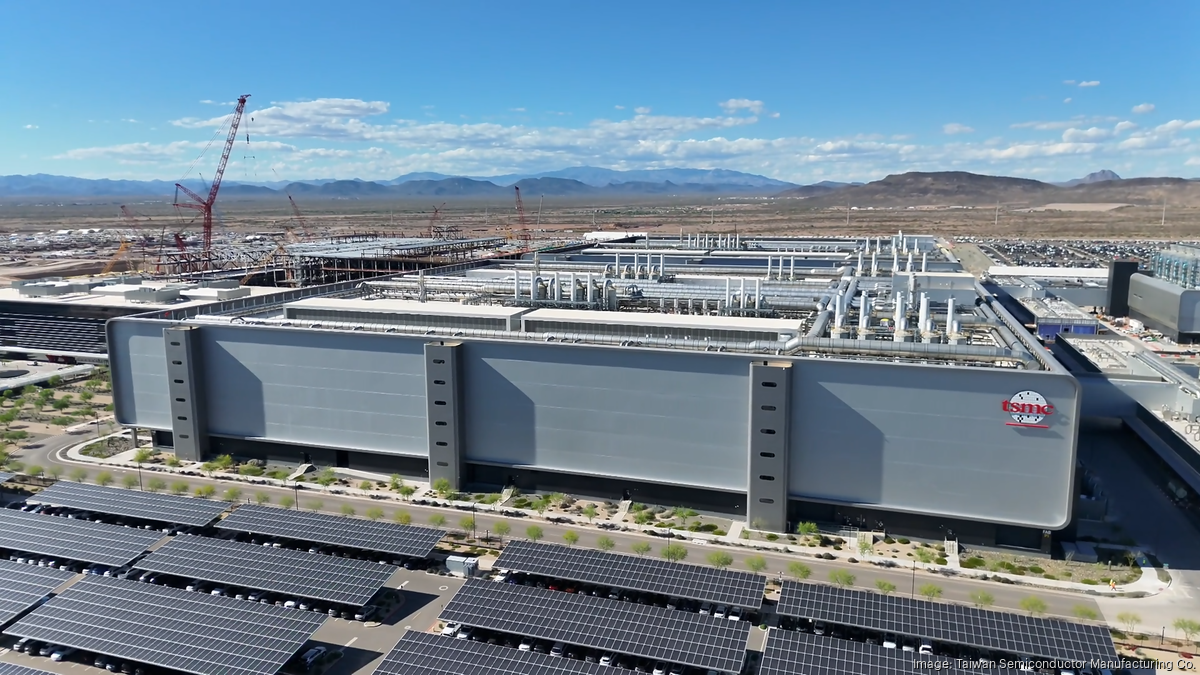
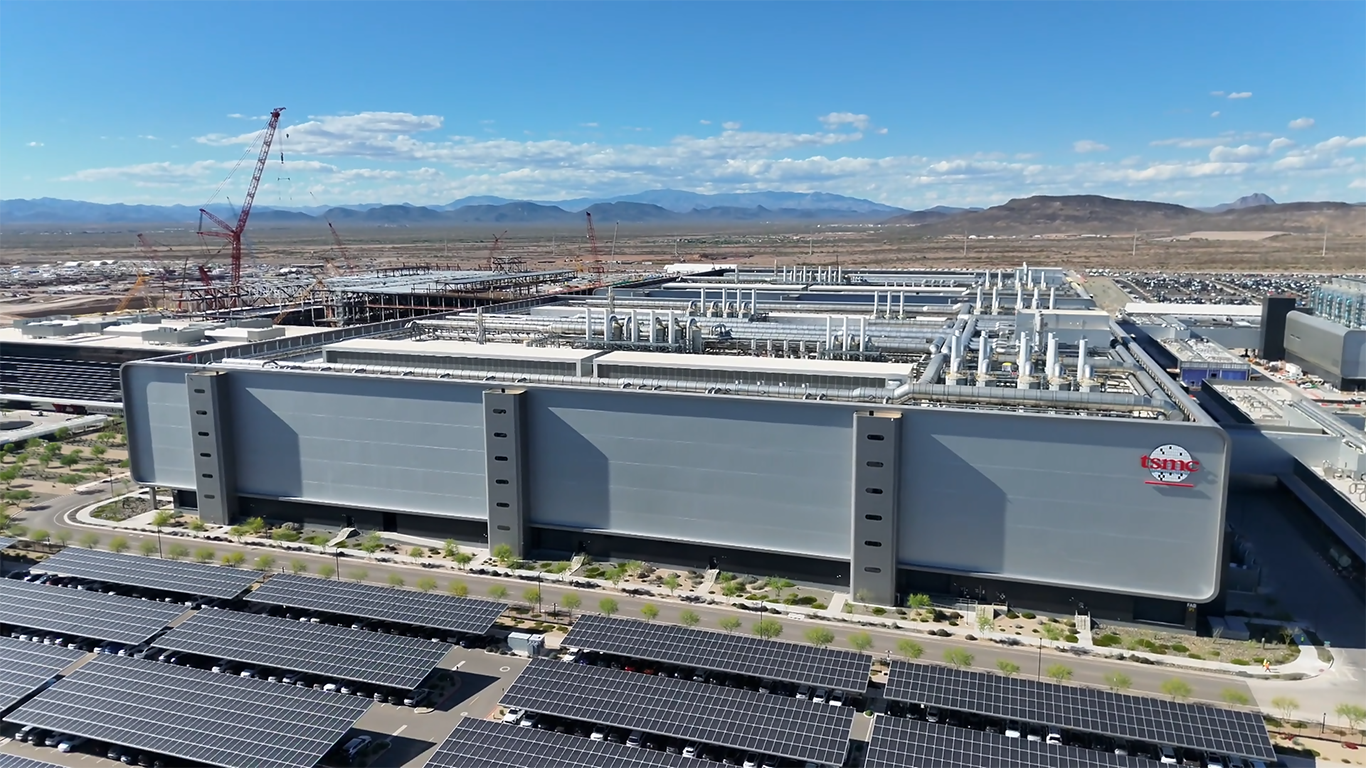
For e-commerce sellers, this creates immediate supply and pricing challenges across multiple product categories. TSMC's gross margin reached 66.2%—the highest in over 20 years—driven entirely by AI chip pricing power with customers like Nvidia and Apple. The company increased 2026 capex guidance to the high end of $52-56 billion (up from $40.5 billion in 2025), with 3-nanometer chip production growing from 6% of revenue in Q3 2023 to 25% by Q1 2026. This aggressive capacity expansion targets AI applications through 2027-2028, not consumer devices. Sellers of smartphones, laptops, tablets, and IoT devices face a two-year window of constrained supply and elevated component costs. TSMC's Arizona manufacturing expansion ($165 billion investment) won't reach mass production until 2027-2028, leaving a critical supply gap for consumer electronics sellers in 2026-2027.
The competitive advantage accrues to sellers who can pivot product mix and source alternative components immediately. TSMC's capacity constraints mean smartphone chip availability will remain tight, with Apple facing reduced manufacturing priority as TSMC prioritizes Nvidia's AI processors. Sellers should expect: (1) 8-15% component cost increases for smartphone/tablet chips through Q4 2026, (2) 4-8 week lead time extensions for consumer electronics components, (3) potential 5-12% margin compression on devices using TSMC-manufactured processors. However, sellers of AI-enabled products—edge computing devices, AI accelerators, data center equipment—will benefit from TSMC's capacity expansion. The company's confidence in "multi-year AI megatrend" (CEO Wei's characterization) signals sustained pricing power for advanced chips, creating opportunities for sellers to introduce AI-powered product variants at premium pricing. Sellers should immediately audit their supply chain dependencies: if products rely on TSMC smartphone or consumer chips, diversify to Samsung or MediaTek alternatives; if selling AI-adjacent products, accelerate launches to capture the 2026-2027 demand surge before TSMC capacity fully materializes.
Questions 7
What geopolitical risks should sellers monitor regarding TSMC supply stability?
TSMC flagged Middle East geopolitical tensions as a source of macroeconomic uncertainty, though executives stated no near-term supply chain disruptions are anticipated due to safety inventory of specialty gases (helium, hydrogen). However, TSMC remains Taiwan's largest company and faces unique geographic risks. Sellers should monitor: (1) Taiwan-China relations quarterly, (2) US-China semiconductor export controls, (3) Middle East conflict escalation affecting specialty gas supplies. TSMC's diversified manufacturing across Taiwan, US, and Japan provides some resilience, but Taiwan-based production represents the majority of advanced chip output. Sellers should maintain 8-12 week safety stock for critical components and develop contingency sourcing plans with Samsung or Intel as backup suppliers.
How should cross-border sellers adjust pricing for electronics amid TSMC supply constraints?
TSMC's gross margins reached 66.2% in Q1 2026, demonstrating pricing power for advanced chips. Component costs for TSMC-dependent products will increase 8-15% through Q4 2026, compressing seller margins by 5-12% if prices remain static. Sellers should implement tiered pricing: (1) maintain current pricing on high-volume SKUs to preserve market share, (2) increase prices 8-12% on premium/specialty electronics where demand is less price-sensitive, (3) introduce AI-variant products at 15-25% premiums to offset margin compression on standard devices. Monitor competitor pricing on Amazon and eBay weekly—fast-money rotation in semiconductor stocks suggests volatile supply/pricing through 2026. Consider dynamic pricing tools that adjust based on component cost indices.