



Air Freight Cost Crisis 2026 | Sellers Must Shift Logistics Strategy Now
- Geopolitical tensions threaten 15-25% air freight rate increases within 4-8 weeks; cross-border sellers face critical inventory and sourcing decisions by Q2 2026
































Overview
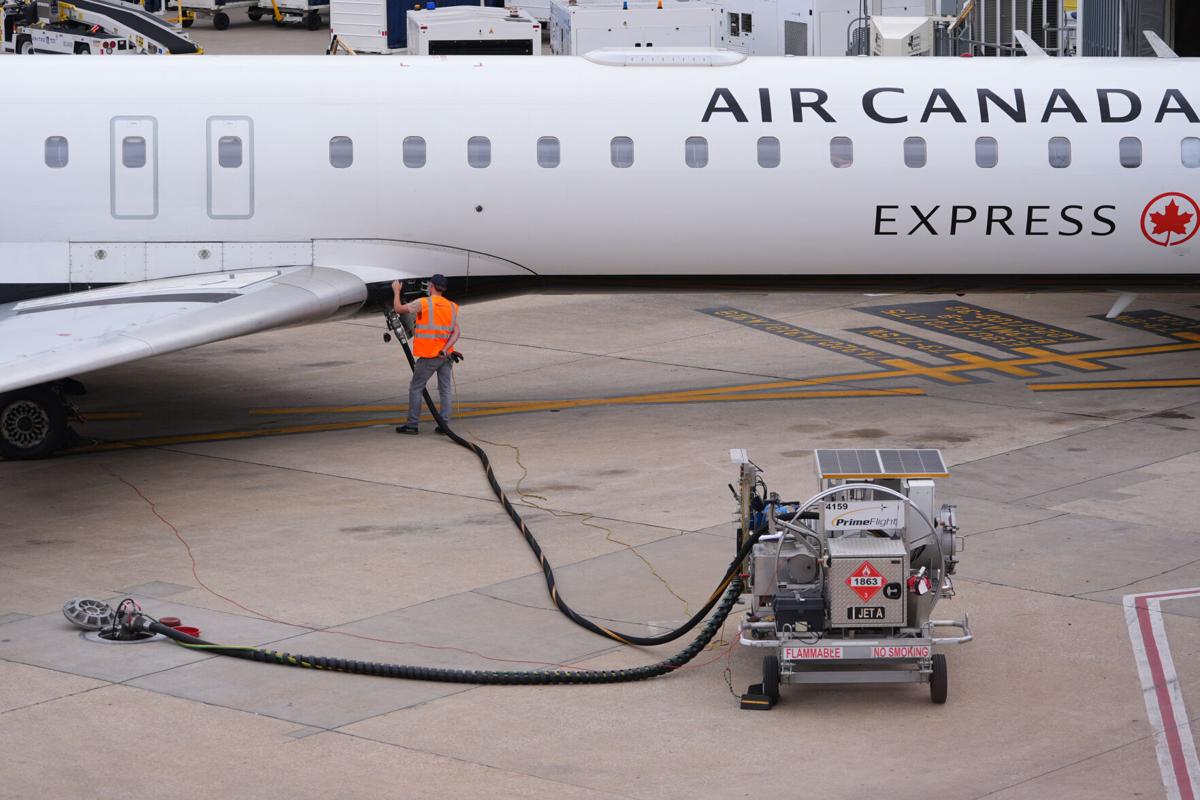
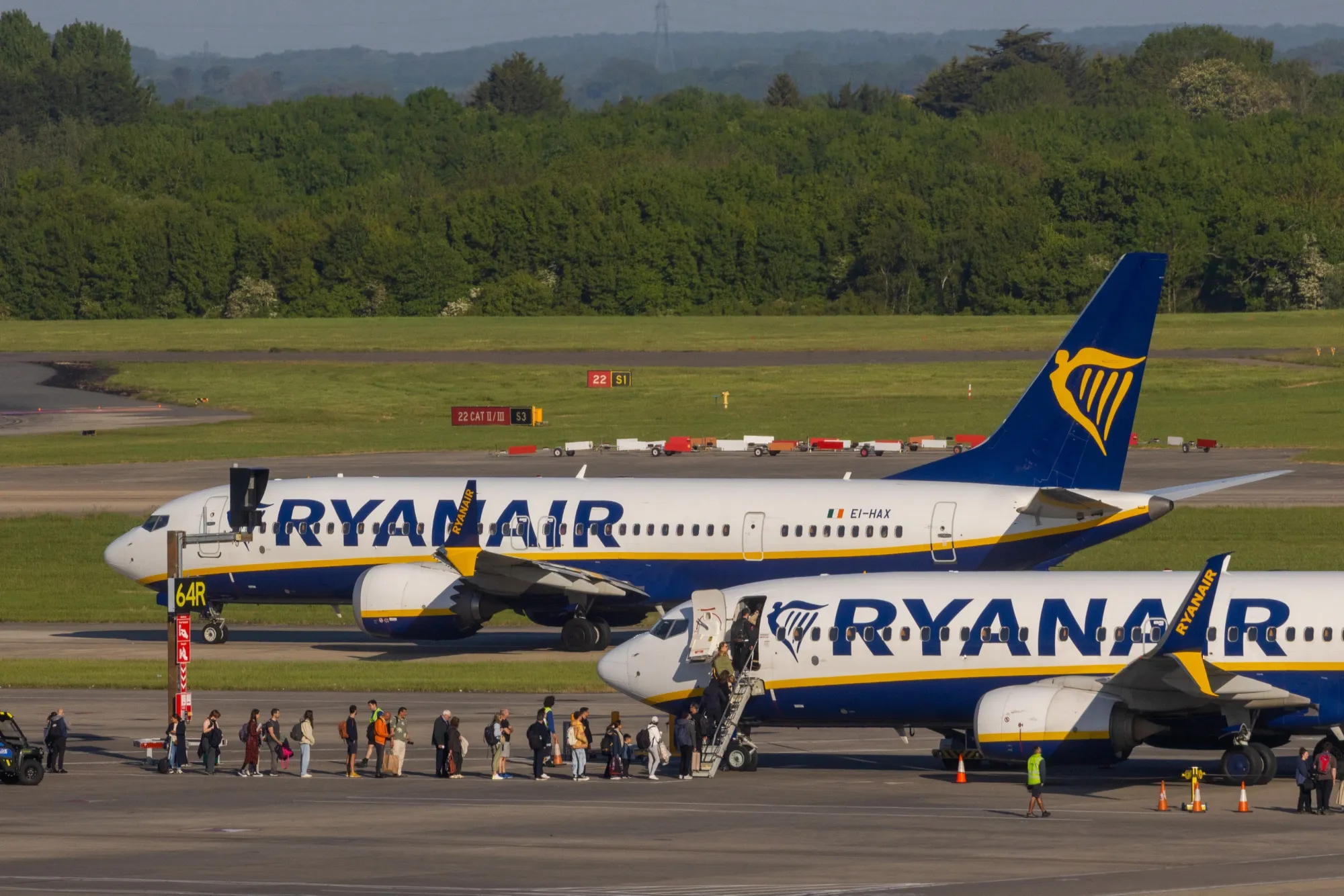
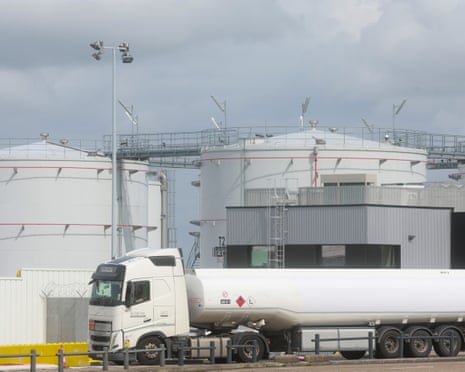
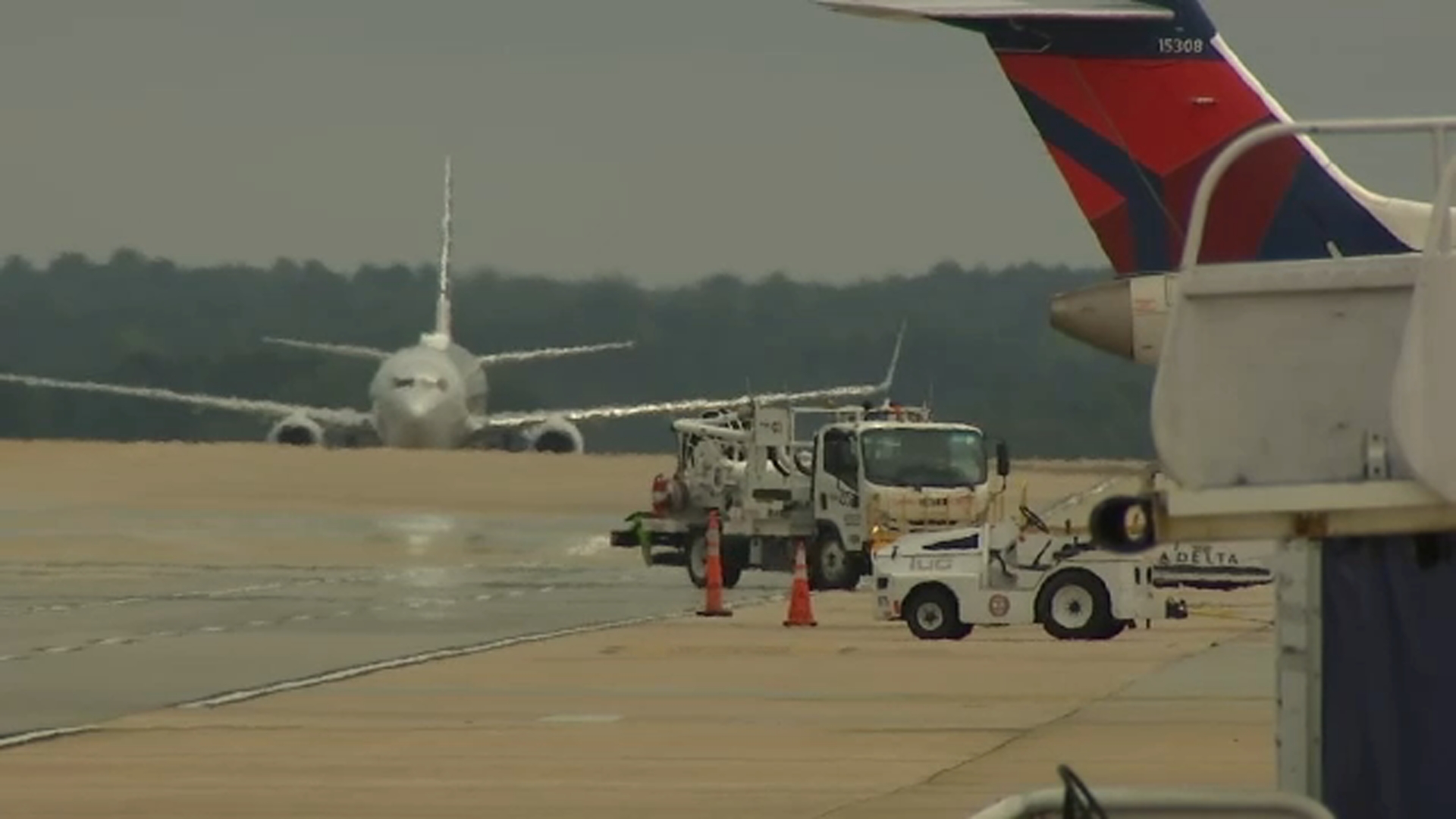
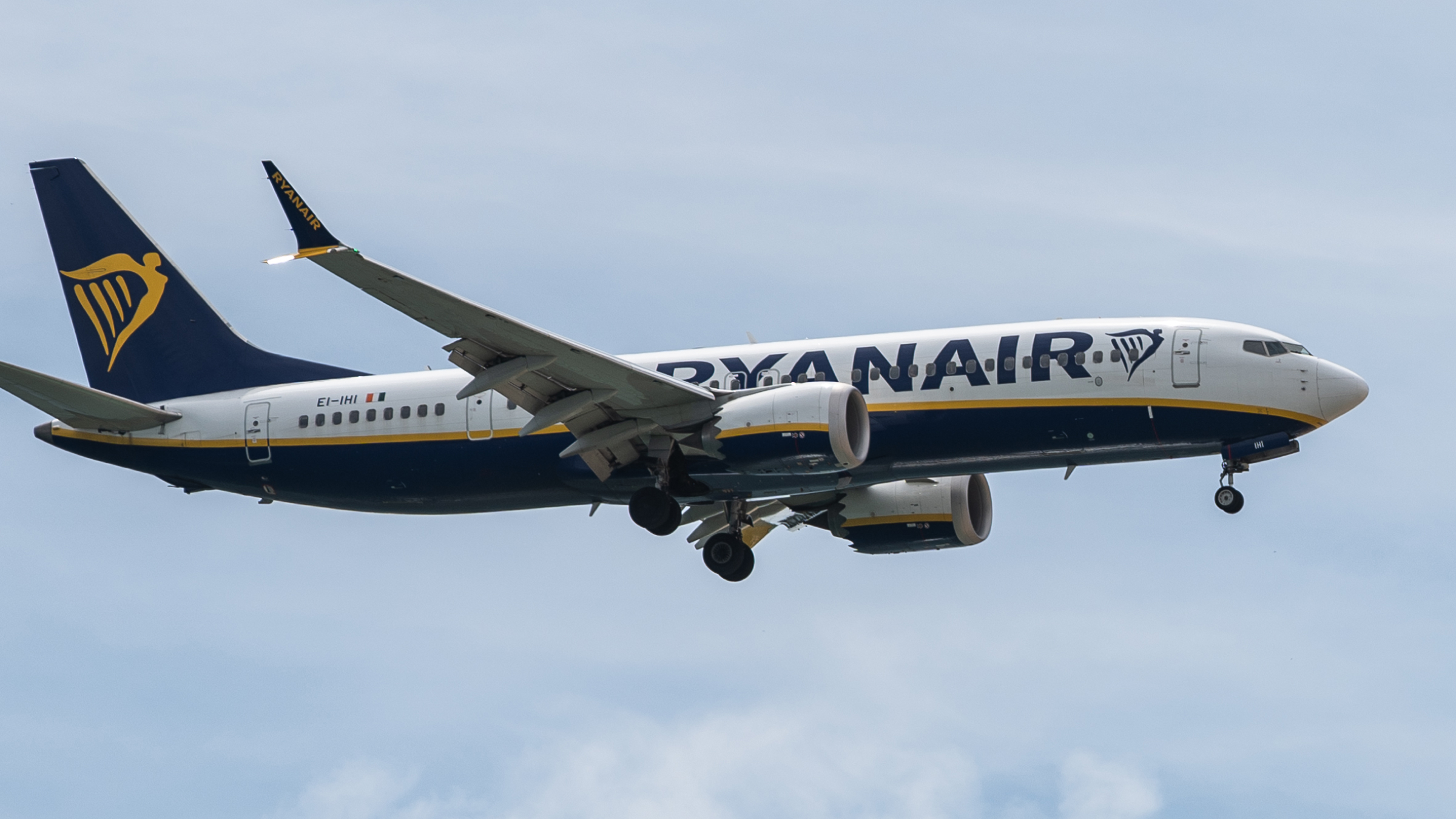
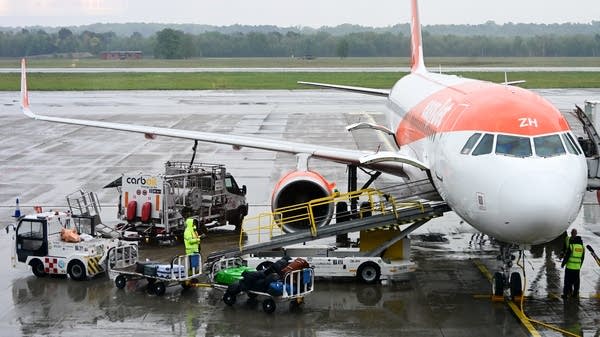
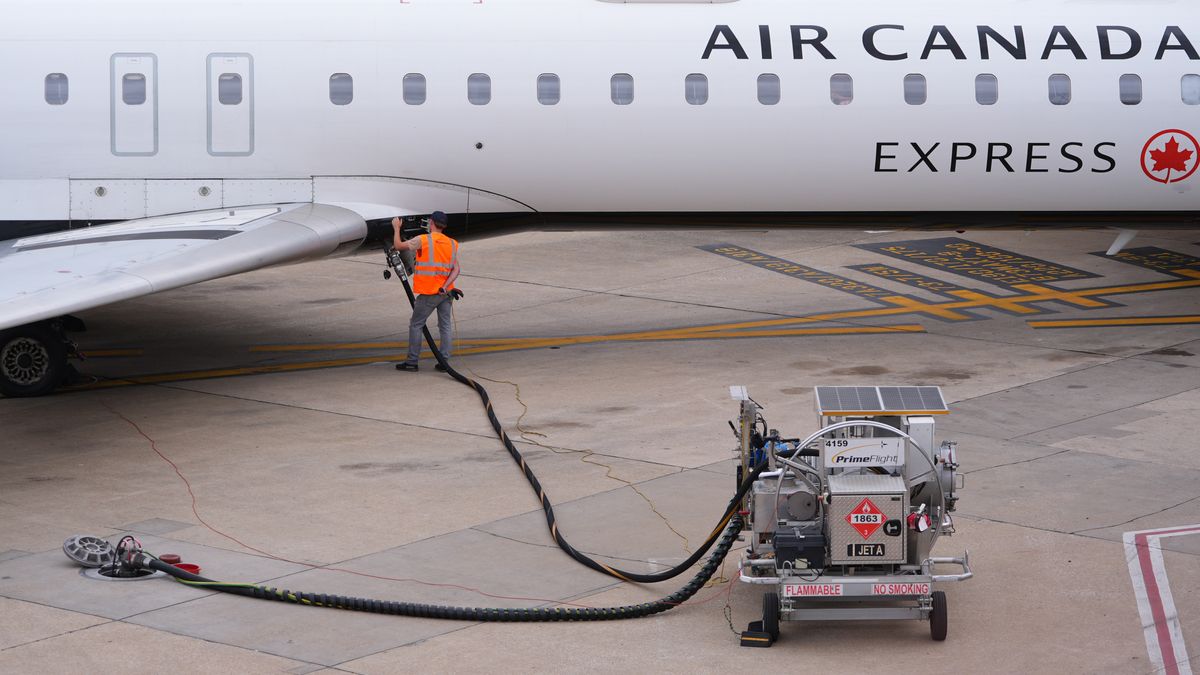
Critical Supply Chain Alert: Geopolitical tensions surrounding Iran conflict and potential jet fuel shortages are creating an immediate logistics crisis for cross-border e-commerce sellers. According to energy experts (April 16, 2026), oil supply disruptions could trigger flight cancellations and aviation fuel shortages affecting international air freight capacity. For sellers relying on DHL, FedEx, and UPS Express for time-sensitive shipments to Asia, Europe, and North America, this represents a 4-8 week window before rate increases materialize—requiring immediate action on inventory positioning and sourcing strategy.
Immediate Logistics Impact: Rising aviation fuel costs directly translate to higher air freight rates across all express carriers. Sellers shipping high-value, time-sensitive products (electronics, fashion, beauty, collectibles) via air freight should expect 15-25% rate increases by late Q2 2026. Current air freight costs average $4-8/kg for Asia-to-US routes and $3-6/kg for Asia-to-EU routes; anticipated increases would push these to $5.50-10/kg and $4-7.50/kg respectively. This compression directly impacts landed cost calculations and margin structures for sellers operating on 20-35% gross margins in competitive categories.
Strategic Sourcing Shift Opportunity: The crisis creates a window to relocate inventory closer to end markets. Sellers currently sourcing from China, Vietnam, and India should immediately evaluate nearshoring to Mexico (for US market), Eastern Europe (for EU), and Southeast Asia regional hubs (for APAC). Mexico-to-US ocean freight costs $800-1,200/container (20-30 days) versus air freight at $4,000-6,000/container (3-5 days); shifting 40-60% of inventory to ocean freight via Mexican warehouses can offset anticipated air freight increases. Similarly, EU-based sellers should evaluate Polish and Czech Republic 3PL providers for inventory buffering, reducing reliance on air freight from Asia.
Inventory Positioning Strategy: Sellers must execute three critical moves by May 31, 2026: (1) Stock 60-90 days of fast-moving SKUs in US FBA warehouses and EU fulfillment centers before rate increases hit—prioritize top 20% of SKUs generating 80% of revenue; (2) Liquidate slow-moving inventory in origin markets (China, Vietnam) to free capital for nearshored inventory; (3) Shift seasonal inventory (Q3/Q4 holiday products) to ocean freight now, accepting 30-45 day lead times to avoid peak air freight rates. For sellers with $500K+ annual revenue, this represents $50-150K in potential savings through proactive repositioning.
Warehouse Positioning: Evaluate 3PL providers in Mexico (Monterrey, Mexico City), Poland (Warsaw), and Thailand (Bangkok) as strategic buffer locations. These hubs offer 40-50% lower storage costs than US/EU FBA ($0.50-0.75/unit/month vs. $1.20-1.80 in US), enabling sellers to maintain inventory depth without margin compression. For sellers shipping 1,000+ units monthly, establishing 30-day inventory buffers in nearshore locations costs $3,000-8,000/month but protects against 20-30% air freight rate spikes.
Questions 8
Which regions should I source from to avoid air freight cost increases?
Nearshoring to Mexico (for US market), Eastern Europe (Poland, Czech Republic for EU), and Southeast Asia regional hubs (Thailand, Vietnam for APAC) reduces reliance on long-haul air freight. Mexico-to-US ocean freight costs $800-1,200/container versus $4,000-6,000 by air; Eastern Europe-to-EU costs $600-1,000 by truck versus $3,000-5,000 by air. These nearshore locations offer 40-50% lower 3PL storage costs ($0.50-0.75/unit/month vs. $1.20-1.80 in US FBA), enabling inventory buffering without margin compression. Evaluate nearshore 3PL providers immediately to establish 30-day inventory buffers before Q2 rate increases.
What inventory actions should sellers take before air freight rates increase?
Execute three moves by May 31, 2026: (1) Stock 60-90 days of fast-moving SKUs in US FBA and EU fulfillment centers before rate increases hit; (2) Liquidate slow-moving inventory in origin markets to free capital; (3) Shift seasonal Q3/Q4 inventory to ocean freight now, accepting 30-45 day lead times. For sellers with $500K+ annual revenue, this repositioning saves $50-150K through avoided air freight premiums. Prioritize top 20% of SKUs generating 80% of revenue for nearshore positioning in Mexico, Poland, or Thailand 3PL providers.