
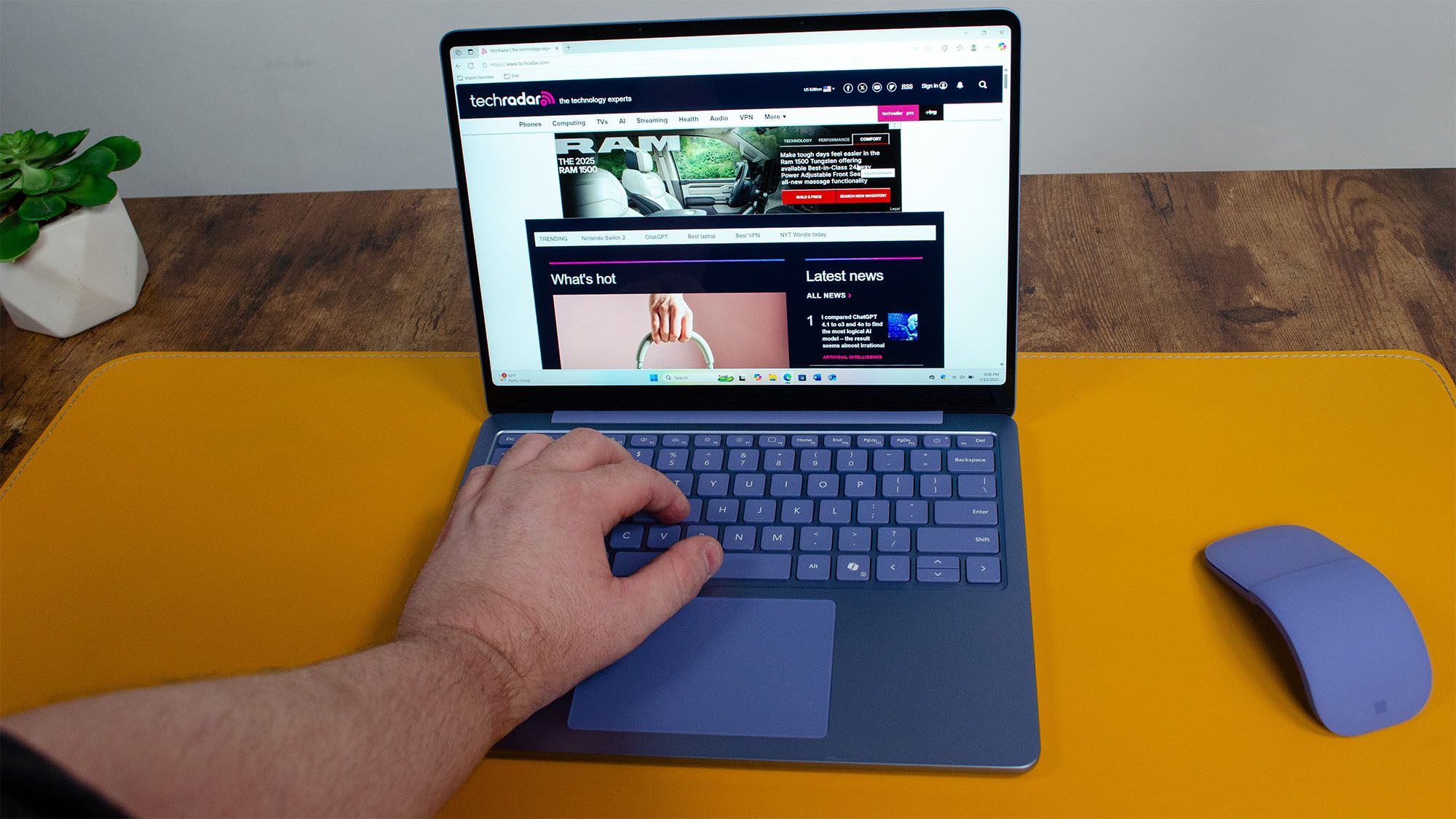

Microsoft Surface 2026 OLED Upgrade | Premium Laptop Market Shift & Seller Inventory Strategy
- Two-stage spring/summer 2026 launch with 15-25% OLED price premiums, $500+ cost increases, and dual Intel/Snapdragon processor options reshaping premium ultrabook resale opportunities
Overview
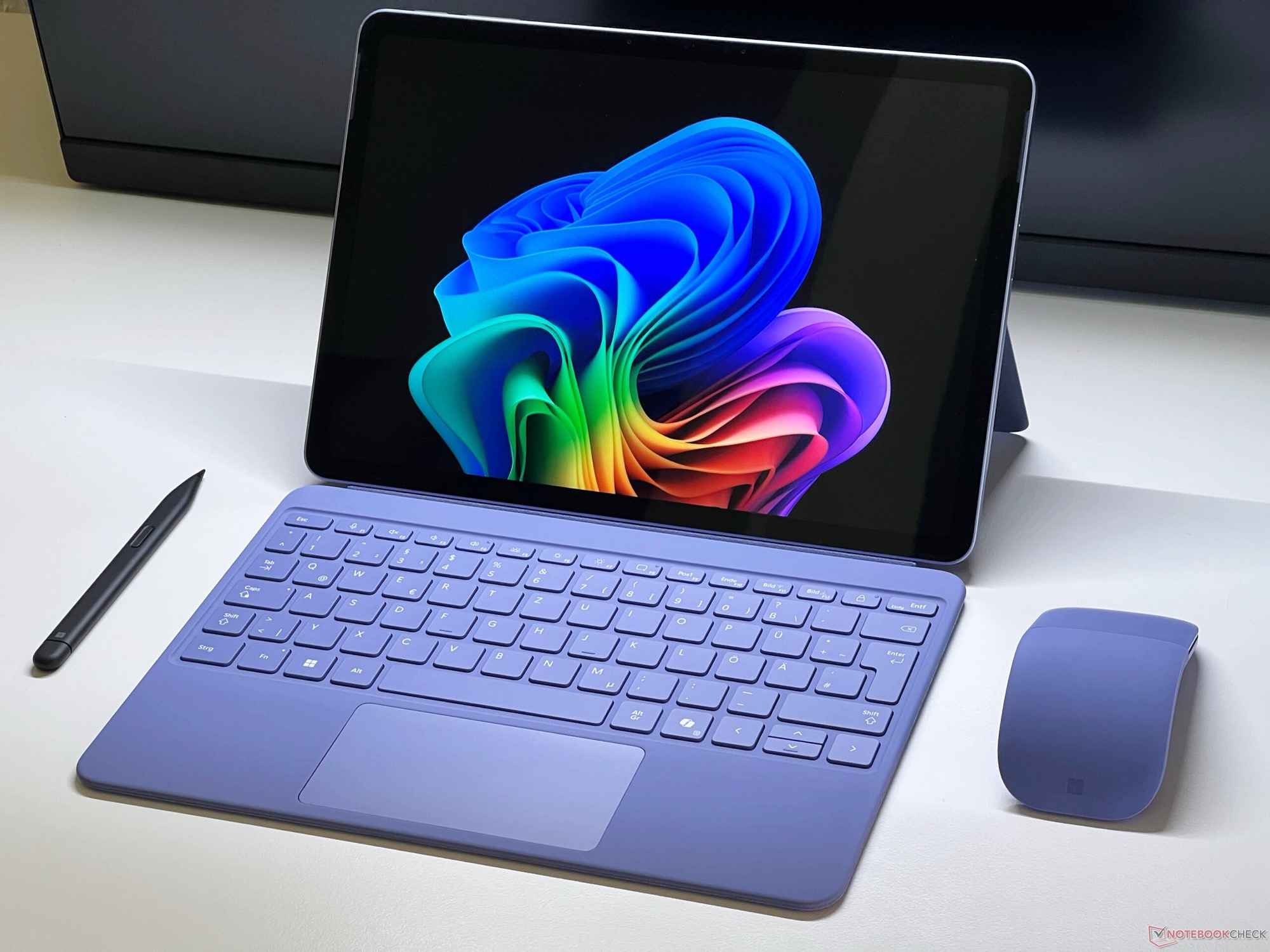
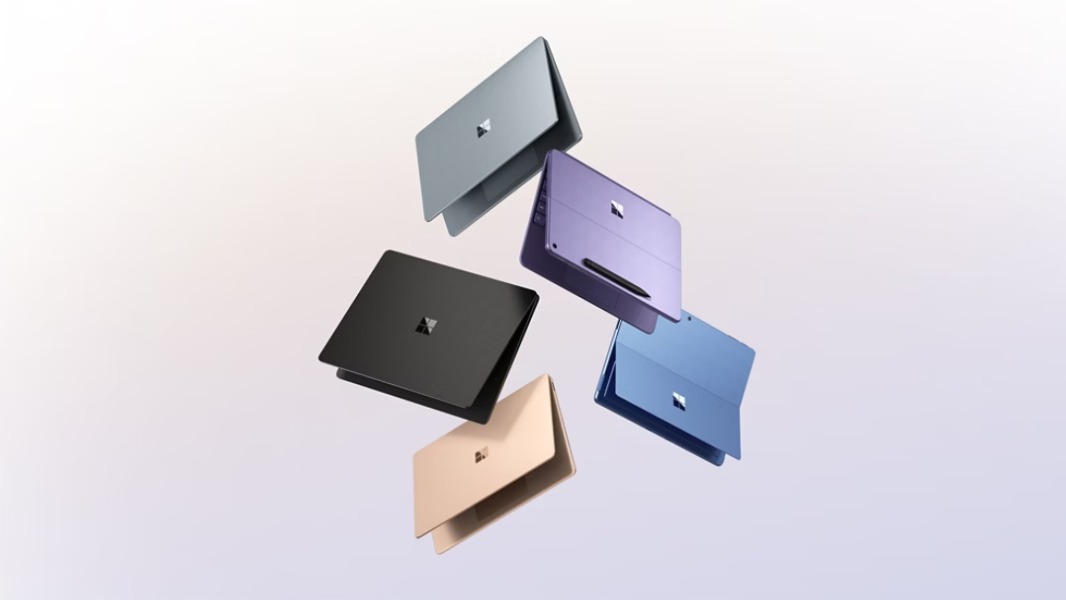
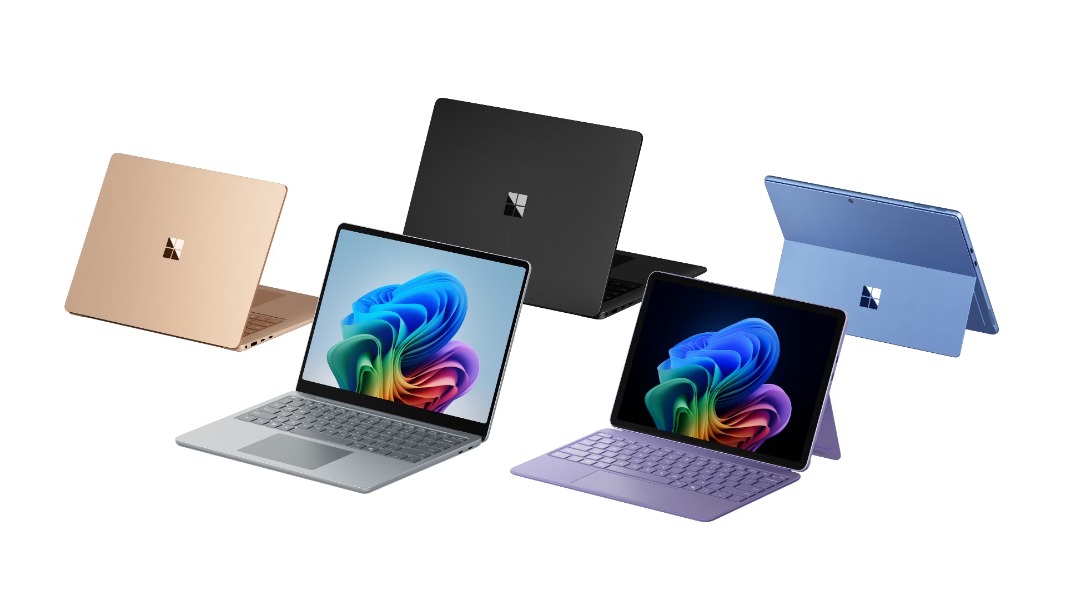
Microsoft's 2026 Surface refresh represents a critical inflection point for cross-border e-commerce sellers specializing in premium laptops and computer hardware. The company is executing a two-stage launch strategy: spring 2026 will introduce Surface Laptop 8 and Surface Pro 12 with Intel Core Ultra 3/5/7 processors, followed by summer 2026 Snapdragon X2 Plus/Elite variants. This staggered approach directly impacts seller inventory planning and pricing strategies across multiple regions.
The OLED Display Transition Creates Immediate Pricing Opportunities. For the first time, Microsoft will offer OLED panels on premium Surface Laptop configurations, while entry-level models retain IPS technology. Industry data confirms OLED panels command 15-25% premiums over standard LCD displays—a significant margin expansion opportunity for sellers. The news reports Microsoft has already raised prices by $300-500 across current Surface lineups due to component costs, with all models now starting above $1,000. This pricing floor eliminates budget competition and signals Microsoft's commitment to premium market positioning, directly mirroring Apple's MacBook strategy and Dell's XPS positioning.
Dual Processor Strategy Enables Regional Market Differentiation. Consumer models will feature Snapdragon X2 ARM processors (16-24GB RAM, 512GB-1TB storage), while business variants utilize Intel Panther Lake processors with up to 64GB RAM and optional 5G connectivity. This processor split creates distinct seller opportunities: ARM-based models appeal to battery-conscious creative professionals, while Intel variants target enterprise procurement. Sellers can leverage regional processor preferences—markets with strong ARM adoption (Asia Pacific) versus Intel-dominant regions (North America, Europe)—to optimize inventory allocation and pricing strategies. The absence of Snapdragon X2 Elite Extreme variants suggests Microsoft is managing supply constraints, potentially creating scarcity premiums for available configurations.
Inventory and Positioning Implications for Q3 2026 Launch. The Q3 2026 availability timeline gives sellers 9-12 months to prepare marketing strategies and procurement plans. Current Surface inventory will face obsolescence pressure as OLED variants launch, creating opportunities to clear legacy IPS-panel stock through aggressive promotional pricing. Sellers should monitor official Microsoft announcements for confirmed specifications and exact pricing to forecast demand accurately. The staggered Intel-to-Snapdragon release schedule (spring vs. summer) allows sellers to capture early-adopter demand from business buyers (Intel-first) before consumer-focused Snapdragon models arrive. This temporal separation enables sellers to maintain price integrity on initial Intel releases before summer competition intensifies.
Competitive Positioning Against Apple and Dell. Microsoft's OLED adoption directly responds to Apple's MacBook Pro OLED displays and Dell's XPS OLED offerings. Sellers must adjust product positioning to emphasize Surface's superior haptic feedback capabilities (new vibration responses for window snapping in Windows 11) and 5G connectivity options on business models—features competitors lack. The college bundle offer (Microsoft 365 Premium + Xbox Game Pass + custom controller) signals Microsoft's focus on student/young professional segments, creating opportunities for sellers to target similar demographics with complementary accessories and software bundles.
Questions 7
How do OLED display premiums and component cost increases impact seller margins?
OLED panels command 15-25% premiums over IPS displays, while Microsoft's recent $300-500 price increases reflect rising memory and storage component costs. For sellers, this creates margin compression on current inventory but expansion opportunities on premium OLED variants. If Microsoft's OLED Surface Laptop 8 launches at $1,500-1,800 (estimated based on current pricing), sellers can capture 8-12% gross margins through competitive positioning against Apple MacBook Pro ($1,999+) and Dell XPS ($1,699+). However, sellers must account for inventory carrying costs during the 9-12 month preparation period and potential price reductions if Microsoft introduces aggressive promotional pricing. Monitor component cost trends (memory, OLED panels) to forecast wholesale pricing and adjust retail positioning accordingly.
What is the market opportunity for sellers in premium laptop accessories and bundles?
Microsoft's college bundle strategy (Microsoft 365 Premium + Xbox Game Pass + custom Xbox controller) signals strong focus on student and young professional segments. Sellers can capitalize by creating complementary accessory bundles: premium carrying cases, USB-C docking stations, wireless mice, and software subscriptions targeting the same demographics. The OLED display upgrade appeals to creative professionals (designers, video editors, photographers), creating opportunities for bundles including color calibration tools, external storage, and creative software. Business-focused 5G models create opportunities for enterprise accessory bundles (security dongles, VPN solutions, productivity software). Sellers should develop segment-specific bundles 6-9 months before launch to capture early-adopter demand and differentiate from direct Microsoft sales.